Murkatta
In its own language: मुर्कट्टा
A headless spirit from Nepali folklore with eyes and a mouth on its chest
The Murkatta is a ghost described in Nepali tradition as a body that lacks a head. It carries its own head tucked under one arm while its face appears on its torso. The figure represents both a restless dead spirit and a metaphor for losing one's mind.
- A headless ghost carrying its head under its arm
- Eyes and mouth appear on the chest
- Scared away during the Ghode Jatra festival
- Symbolizes defeat or loss of intellect
- Names a fifth-century Buddha statue in Varanasi
What it is
The Murkatta is a creature from Nepali folklore defined by the absence of a head. Instead, it possesses eyes and a mouth located directly on its chest. The entity holds its severed head tucked beneath one arm. People view this being as a spirit belonging to the dead. The image also serves as a symbol for someone who has lost their intelligence or suffered a great defeat.
Where it comes from
This figure originates from the cultural traditions of Nepal. It functions as a type of ghost within local belief systems. The concept extends beyond simple horror into a metaphorical warning about mental loss. The name identifies a specific kind of restless spirit found in regional stories.
Murkatta, drawn and placed
- Living
- Revived
- Fading
- Historical
- Legendary
- Performed
- Lineage
- Nepalese folklore
- Timing
- during Ghode Jatra festival
What it is for
In Kathmandu, people celebrate the Ghode Jatra festival to drive away these spirits. The goal is to shield children from the evil gaze of the chest-mouthed ghost. The ritual aims to prevent harm caused by the creature's supernatural sight.
Peoples and places
The tradition is strongest in Nepal, where the mountain Sisne in Rukum district bears the name locally. The idea also appears in Varanasi, India, where a fifth-century headless Buddha statue is worshipped as Murkatta Baba. A book titled Murkatta Lass by Dirgabahu explores the theme further.
At a glance: who, where and when
What people believe
Believers see the Murkatta as a spirit of the deceased. The physical description suggests a violent end or a state of being unmoored from normal human form. The chest-face implies a constant, unsettling awareness. The association with lost intellect frames the ghost as a cautionary figure.
When it is done
The Ghode Jatra festival provides a specific time for community action against the spirit. This event occurs annually in Kathmandu. Families participate to ensure the safety of young children from the ghost's malevolent influence.
Compare and confuse
The term applies to different subjects across South Asia. In India, it names a religious statue. In Nepal, it describes a mountain and a literary character. The core idea remains a headless entity with unusual facial features.
Questions people ask about Murkatta
What does a Murkatta look like?
It is a headless spirit that carries its own head under one arm. Its eyes and mouth are located on its chest instead of a neck.
Where does the Murkatta come from?
The creature originates from Nepali folklore and cultural traditions. It is considered a spirit of the dead within that region.
Why do people fear the Murkatta?
Communities believe it can cast an evil eye on children. The Ghode Jatra festival exists specifically to scare it away and protect families.
Is the Murkatta only a ghost?
No. The term also symbolizes a person who has lost their intellect or suffered a major defeat. It appears in literature and place names too.
Good reading and sources
The facts on this page come from the Wikipedia article "Murkatta", written by its contributors and used under the CC BY-SA 4.0 licence, and from its Wikidata record (CC0). EveryJaadu rewrote the text in its own words, with AI assistance, and compares every page with the article to make sure no passage is copied. It may be reused under the same CC BY-SA 4.0 licence with a link back.
It may contain mistakes. Names and customs differ from one community to the next, and some knowledge is closed to outsiders and left out here. This page describes belief and practice. It does not say that any of it works, it is not a how-to, and it is not medical advice. If something is wrong, tell us. Last refreshed 2026-10-23.
More from Nepal
All the entries from Nepal 🇮🇳 India and 3 moreYakshaयक्ष (Sanskrit), ยักษ์ (Thai)
Nature spirits and guardian deities in South and Southeast Asian traditionsBeing · Protection · Power and authority Living
 🇮🇳 India and 3 moreDakiniḍākinī
A goddess figure in Hinduism and Buddhism, ranging from flesh-eating demoness to enlightened energy.Being · Cursing and harm · Power and authority Historical
 🇮🇳 India and 1 moreYoginiयोगिनी
A female master of yoga and tantra, or a fierce goddess aspect in Indian temples.Tradition · Power and authority · Protection Historical
 🇮🇳 India and 6 moreChurel
A female revenant of South Asian folklore, feared for luring men awayBeing · Cursing and harm Legendary
Related elsewhere
All being 🇷🇸 Serbia and 5 moreVampire
An undead being from European folklore that feeds on the life force of the living.Being · Cursing and harm Legendary
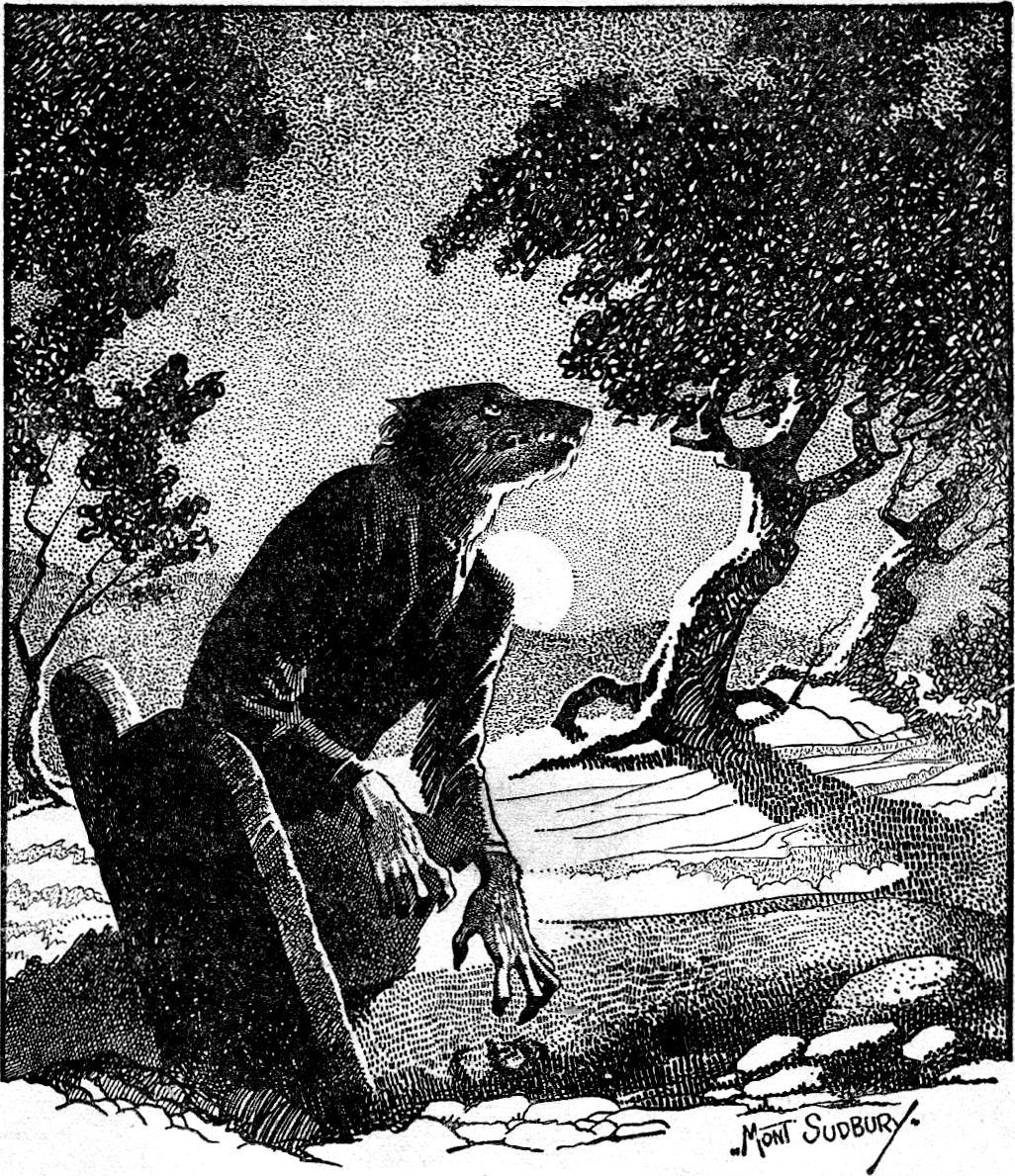 🇨🇭 Switzerland and 5 moreWerewolf
A figure in folklore who transforms into a wolf or hybrid beastFigure · Cursing and harm Legendary
 🇺🇸 United States and 5 moreSatanism
A modern set of beliefs using the figure of Satan as a symbol or deity.Tradition · Power and authority · Cursing and harm Living
 🇪🇬 Egypt and 1 moreLilithלִילִית
A feminine figure from Mesopotamian and Jewish mythology, often depicted as a night demon or spirit.Being · Cursing and harm Legendary