Phi Phong
In its own language: ผีโพง
A Thai ghost born from failed black magic, known for its glowing nose and feeding on filth.
Phi Phong is a spirit in northern Thai folklore said to arise when a practitioner of dark sorcery loses control over their own power. It appears human by day but reveals a glowing, resin-dripping form at night, feeding on waste and rotting matter while avoiding contact with people.
- Phi Phong transforms from a human who fails to control dark magic.
- The ghost feeds on frogs, dung, corpses, and afterbirth.
- Speaking the person's name aloud destroys the spirit.
- Saliva transmission makes the condition contagious.
- Red lights and cat-like cries are reported in Chaiyaphum province.
What it is
Phi Phong is a type of ghost in Thai folklore, primarily associated with the north and northeast regions. It is not a natural spirit but a condition resulting from botched occult practices. Practitioners who attempt dark magic without mastering it risk transforming into this entity. The creature maintains a dual existence, appearing as an ordinary person during daylight hours. At night, however, it sheds its human disguise. Its true form features a flickering flame inside the nose and a sticky substance that drips like wax. This spirit feeds on refuse, including animal dung, rotting corpses, and afterbirth. It actively avoids humans, retreating into shadows when approached. The entity is generally passive unless provoked, at which point it can cause harm through physical attacks or curses.
Where it comes from
The transformation into a Phi Phong stems from the cultivation of a specific magical herb called wan phi phong. This plant has white leaves, a fiery taste, and glows in the dark. As the herb matures, its leaves reshape to mirror the face of the person growing it. Eventually, the cultivator undergoes a metamorphosis into the ghost itself. Some accounts link the practice to Khmer occult traditions. In these versions, the spirit is kept in a small container with a larva. Spells and offerings transform the larva into a wax-like substance intended to grant protection. If rituals are neglected, the spirit turns against its keeper.
How it is done
The creation process involves raising the wan phi phong plant under strict conditions. The cultivator must maintain control over the emerging power. Failure results in loss of humanity and transformation into the ghost. To destroy a Phi Phong, one must correctly identify the host and speak the name aloud. This act strips the spirit of its power and causes death. The condition is also contagious through saliva. Ingestion of contaminated water or shared utensils can transfer the curse to others, turning them into new Phi Phong entities.
Tools and materials
The primary tool is the wan phi phong plant, characterized by white leaves and a luminous quality. Some practitioners use small containers resembling balm jars or wax boxes. These vessels hold a worm-like creature or larva. Offerings such as gold leaf or needles are placed inside to nourish the spirit. Incantations are inscribed within the container to guide the transformation. The resulting wax-like substance is believed to provide supernatural defense against weapons.
Phi Phong, drawn and placed
- Living
- Revived
- Fading
- Historical
- Legendary
- Performed
- Lineage
- Thai folk mythology
What it is for
Practitioners seek the Phi Phong spirit for protection. The wax-like substance derived from the spirit is said to grant invulnerability to physical harm and weapons. This benefit requires strict adherence to ritual observances. Neglecting these duties risks the spirit breaking free and attacking the community. The entity itself does not serve a purpose other than existing as a consequence of failed magic. When angered, it may throw objects like bamboo poles onto roofs, bringing illness or misfortune to the household.
Who does it
The role belongs to those attempting dark sorcery. Success depends on maintaining control over the magical power. Failure leads to transformation. The condition spreads through saliva, meaning anyone ingesting contaminated fluids becomes a potential carrier. Local villagers in areas like Ban Nong Phi Lok report sightings, indicating community awareness rather than organized priesthood.
Peoples and places
Phi Phong is rooted in Thai folklore, specifically in the northern Lanna region and the northeastern Isan area. Similar entities include Phi Krasue, Phi Krahang, and Phi Pop. These spirits share traits like nocturnal activity and feeding on filth. Regional variations exist in naming, with Phi Pao used in the northeast. Villages such as Ban Nong Phi Lok have long-standing legends about the ghost appearing near marshes. Modern reports from Chaiyaphum province describe red lights and sounds attributed to the spirit.
At a glance: who, where and when
Peoples
Belief worlds
What people believe
The worldview behind Phi Phong centers on the dangers of uncontrolled occult power. Magic is seen as a force that can consume the user if not mastered. The spirit embodies the consequences of hubris in black magic practices. It is believed to be contagious, spreading through biological contact like saliva. The transformation process links plant cultivation to human metamorphosis. Protection spells require precise ritual maintenance. Failure results in the spirit becoming a threat to the practitioner and their surroundings.
When it is done
Sightings are reported throughout the year, often linked to rural agricultural cycles. Reports from late April to early May 2020 described red lights over rice fields in Chaiyaphum. Another incident occurred on October 29, 2023, coinciding with the Buddhist festival Wan Ok Phansa. These events suggest no fixed calendar date but rather associations with nighttime activities and seasonal farming periods.
How scholars and sceptics see it
They captured images and videos of mysterious lights but could not reproduce the phenomenon. A local teenager claimed the light followed him before exhibiting signs of spirit possession. These accounts highlight the intersection of modern media and traditional beliefs. Scholars and skeptics view these events as either hoaxes, natural phenomena, or psychological effects. The viral nature of recent videos demonstrates how folklore adapts to digital platforms.
Cautions and what is closed
The Phi Phong condition is contagious through saliva. Ingestion of contaminated water or sharing utensils can spread the curse. Practitioners who fail to maintain rituals risk the spirit attacking them and others. The entity can cause illness, misfortune, and death to households it targets. There is no medical cure; destruction requires identifying the host and speaking their name. The belief in invulnerability may encourage dangerous behavior among occult practitioners.
Compare and confuse
Phi Phong shares similarities with other Thai ghosts like Phi Krasue and Phi Pop. All are nocturnal and feed on filth. Unlike Phi Krasue, which floats with internal organs, Phi Phong retains a human shape by day. The name varies by region, with Phi Pao used in the northeast. The concept of a spirit granting protection through black magic parallels other regional occult traditions.
Questions people ask about Phi Phong
What is a Phi Phong?
It is a Thai ghost born from failed black magic. The practitioner transforms into the spirit, which appears human by day and glows at night. It feeds on filth and avoids people unless provoked.
Where does the Phi Phong originate?
It originates in Thai folklore, particularly in the northern Lanna and northeastern Isan regions. The transformation comes from cultivating a magical herb called wan phi phong.
How can you kill a Phi Phong?
You must correctly identify the human host and speak their name aloud. This act strips the spirit of its power and causes it to die instantly.
Is the Phi Phong contagious?
Yes, it spreads through saliva. Drinking contaminated water or sharing utensils with an infected person can transfer the curse, turning them into a new Phi Phong.
What does the Phi Phong look like?
By day, it looks like a normal person. At night, a flickering flame glows from its nose, and a resin-like substance drips down like torch wax.
Good reading and sources
The facts on this page come from the Wikipedia article "Phong (ghost)", written by its contributors and used under the CC BY-SA 4.0 licence, and from its Wikidata record (CC0). EveryJaadu rewrote the text in its own words, with AI assistance, and compares every page with the article to make sure no passage is copied. It may be reused under the same CC BY-SA 4.0 licence with a link back.
It may contain mistakes. Names and customs differ from one community to the next, and some knowledge is closed to outsiders and left out here. This page describes belief and practice. It does not say that any of it works, it is not a how-to, and it is not medical advice. If something is wrong, tell us. Last refreshed 2026-10-23.
More from Thailand
All the entries from Thailand 🇮🇳 India and 3 moreYakshiniयक्षिणी
Some guard, some haunt: female nature spirits of Hindu, Buddhist and Jain loreBeing · Protection · Luck and prosperity Living
 🇮🇳 India and 1 morePishachaपिशाच (piśāca)
A flesh-eating demon from Indian religions, feared for possession and madness.Being · Cursing and harm Legendary
 🇮🇳 India and 3 moreYakshaयक्ष (Sanskrit), ยักษ์ (Thai)
Nature spirits and guardian deities in South and Southeast Asian traditionsBeing · Protection · Power and authority Living
 🇮🇳 India and 2 moreBrahmarakshasaब्रह्मराक्षसः
A cursed Brahmin spirit in Hindu lore, feared for harm and venerated in temples.Being · Cursing and harm · Protection Living
Related elsewhere
All being 🇷🇸 Serbia and 5 moreVampire
An undead being from European folklore that feeds on the life force of the living.Being · Cursing and harm Legendary
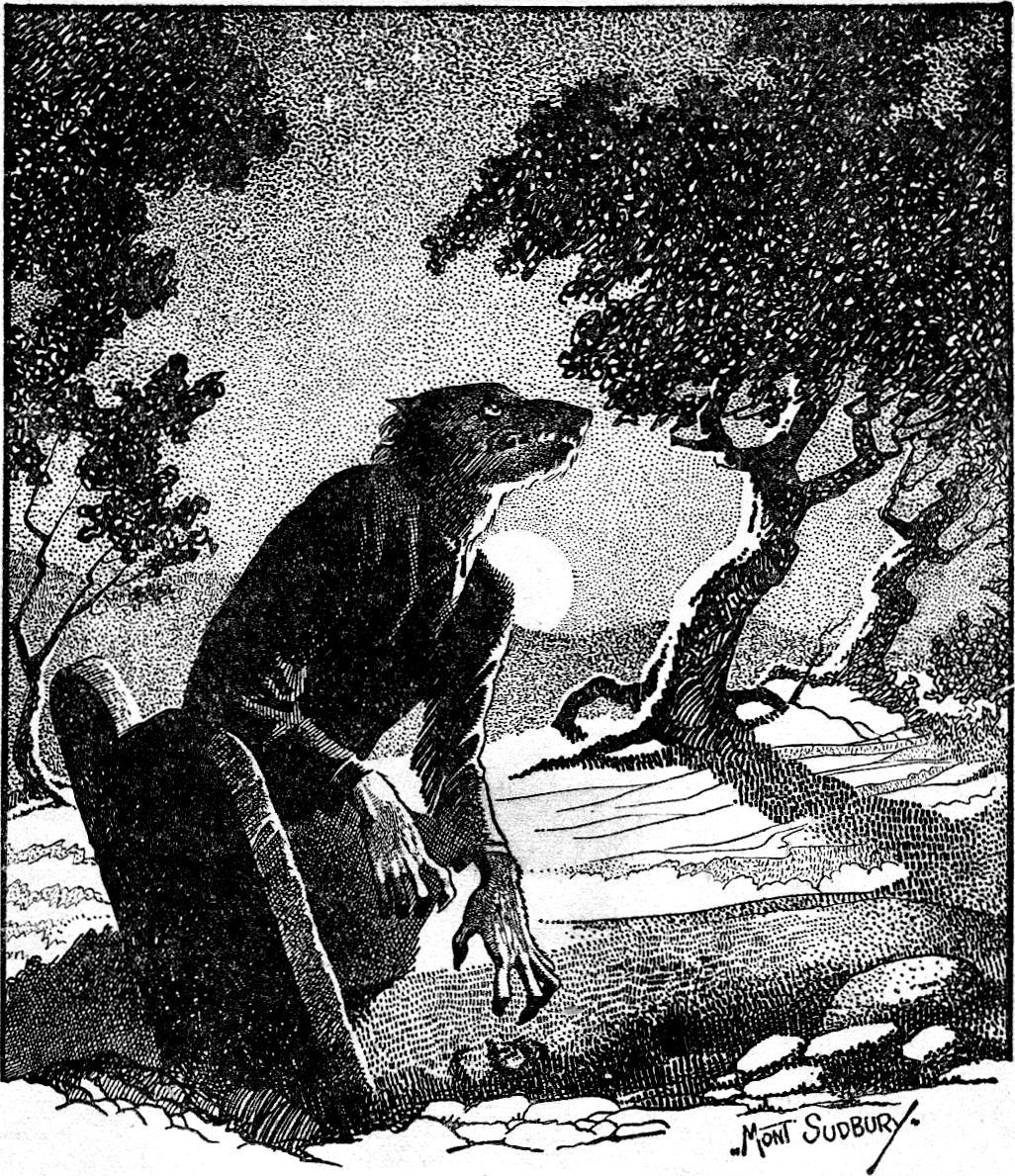 🇨🇭 Switzerland and 5 moreWerewolf
A figure in folklore who transforms into a wolf or hybrid beastFigure · Cursing and harm Legendary
 🇺🇸 United States and 5 moreSatanism
A modern set of beliefs using the figure of Satan as a symbol or deity.Tradition · Power and authority · Cursing and harm Living
 🇪🇬 Egypt and 1 moreLilithלִילִית
A feminine figure from Mesopotamian and Jewish mythology, often depicted as a night demon or spirit.Being · Cursing and harm Legendary