
Daitya
In its own language: दैत्याः
from Diti, meaning divided or separative consciousness
A race of asuras in Hindu mythology descended from Kashyapa and Diti
The daityas are a lineage of asuras in Hindu tradition, born to the sage Kashyapa and his wife Diti. Prominent figures such as Hiranyaksha, Hiranyakashipu, and Mahabali challenged the gods and required avatars of Vishnu to be defeated.
- Descended from Kashyapa and Diti
- Includes Hiranyaksha and Hiranyakashipu
- Defeated by Vishnu's avatars
- Mahabali was their installed king
- Classified as Sattvic in Manusmriti
What it is
The daityas form a distinct race of asuras within Hindu cosmology. They are the offspring of the sage Kashyapa and his wife Diti. This lineage includes powerful figures like Hiranyaksha, Hiranyakashipu, and Mahabali. These beings are known for overrunning the earth and opposing the devas. Their conflicts necessitated the intervention of three avatars of the god Vishnu to restore cosmic order.
Where it comes from
The Harivamsha Purana details their origin. Kashyapa married two sisters, Diti and Aditi. He begat the twelve celestials on Aditi. On Diti, he begat the powerful daityas, starting with Hiranyakashipu and his brother Hiranyakaska. After Hiranyakashipu was slain by a man-lion avatar, the daityas installed Mahabali as their king. The lineage continued through Prahlada, Virocana, and Bali, producing many powerful descendants across the land.
Daitya, drawn and placed
- Living
- Revived
- Fading
- Historical
- Legendary
- Performed
- Lineage
- Asuras
Peoples and places
The daityas are central to Hindu mythology and literature. They appear in texts like the Puranas and the Manusmriti. The Manusmriti classifies them as partaking of 'Sattva,' placing them at a lower level than devas but still in a good state. Sri Aurobindo interprets Diti as representing divided consciousness. Nolini Kanta Gupta notes that Indian philosophy did not view them as essentially evil, but as twin aspects of the Supreme Being alongside the gods.
At a glance: who, where and when
Peoples
Belief worlds

What people believe
In Hindu belief, the daityas represent a specific aspect of divine formation. They are not seen as irredeemably condemned. Their hostility eventually leads to submission to the Divine Will. This perspective contrasts with later dualistic views. The daityas dwell in darkness but are part of the same cosmic structure as the gods. Their story illustrates the tension between unity and division in the universe.
How scholars and sceptics see it
Indian philosophers offer symbolic interpretations of the daityas. Sri Aurobindo links the name to Diti, who represents separative consciousness. He contrasts this with Aditi, the infinite and undivided mother of the gods. According to this view, gods move toward light and unity, while daityas dwell in divided worlds. Nolini Kanta Gupta adds that this division is a twin aspect of the Supreme Being, not an absolute evil.
Compare and confuse
The daityas are often confused with other asura races. They are related to the danavas and kalakeyas. All are types of asuras in Hindu mythology. The term asura covers various groups of beings who oppose the devas. The daityas are specifically distinguished by their descent from Diti. Other asuras may have different lineages or origins in the mythic narrative.
Questions people ask about Daitya
Who are the daityas?
The daityas are a race of asuras in Hindu mythology. They are the children of the sage Kashyapa and his wife Diti. They are known for their power and opposition to the gods.
Where does the word come from?
The name comes from Diti, their mother. In philosophical interpretation, she represents divided or separative consciousness. This contrasts with her sister Aditi, who represents infinity and unity.
Are they considered evil?
Traditional Indian philosophy does not view them as essentially evil. They are seen as a formation of the Divine. Their conflict with the gods is part of a larger cosmic process leading to submission to the Divine Will.
Good reading and sources
- Daitya on WikipediaEncyclopedia
- More photos on Wikimedia CommonsPhotos and video
- Wikidata recordOpen data
The facts on this page come from the Wikipedia article "Daitya", written by its contributors and used under the CC BY-SA 4.0 licence, and from its Wikidata record (CC0). EveryJaadu rewrote the text in its own words, with AI assistance, and compares every page with the article to make sure no passage is copied. It may be reused under the same CC BY-SA 4.0 licence with a link back.
It may contain mistakes. Names and customs differ from one community to the next, and some knowledge is closed to outsiders and left out here. This page describes belief and practice. It does not say that any of it works, it is not a how-to, and it is not medical advice. If something is wrong, tell us. Last refreshed 2026-10-07.
More from India
All the entries from India 🇮🇳 India and 5 morePretaप्रेत
A suffering spirit of insatiable hunger found in Asian religious traditionsBeing · Speaking with spirits and the dead Living
🇮🇳 India and 5 morePretaप्रेत
A suffering spirit of insatiable hunger found in Asian religious traditionsBeing · Speaking with spirits and the dead Living
 🇮🇳 IndiaTaraतारा (Sanskrit), তারা (Bengali)
A fierce Hindu goddess of protection and wisdom, central to the Mahavidya tradition.Being · Protection · Power and authority Living
🇮🇳 IndiaTaraतारा (Sanskrit), তারা (Bengali)
A fierce Hindu goddess of protection and wisdom, central to the Mahavidya tradition.Being · Protection · Power and authority Living
 🇮🇳 India and 1 moreYoginiयोगिनी
A female master of yoga and tantra, or a fierce goddess aspect in Indian temples.Tradition · Power and authority · Protection Historical
🇮🇳 India and 1 moreYoginiयोगिनी
A female master of yoga and tantra, or a fierce goddess aspect in Indian temples.Tradition · Power and authority · Protection Historical
Related elsewhere
All being 🇷🇸 Serbia and 5 moreVampire
An undead creature from folklore that feeds on the blood or life force of the livingBeing · Cursing and harm · Luck and prosperity Legendary
🇷🇸 Serbia and 5 moreVampire
An undead creature from folklore that feeds on the blood or life force of the livingBeing · Cursing and harm · Luck and prosperity Legendary
 🇪🇬 Egypt and 1 moreSphinx
A mythical hybrid with a human head and lion body, serving as guardian or riddler in Egyptian and Greek traditions.Being · Protection · Wonder and entertainment Legendary
🇪🇬 Egypt and 1 moreSphinx
A mythical hybrid with a human head and lion body, serving as guardian or riddler in Egyptian and Greek traditions.Being · Protection · Wonder and entertainment Legendary
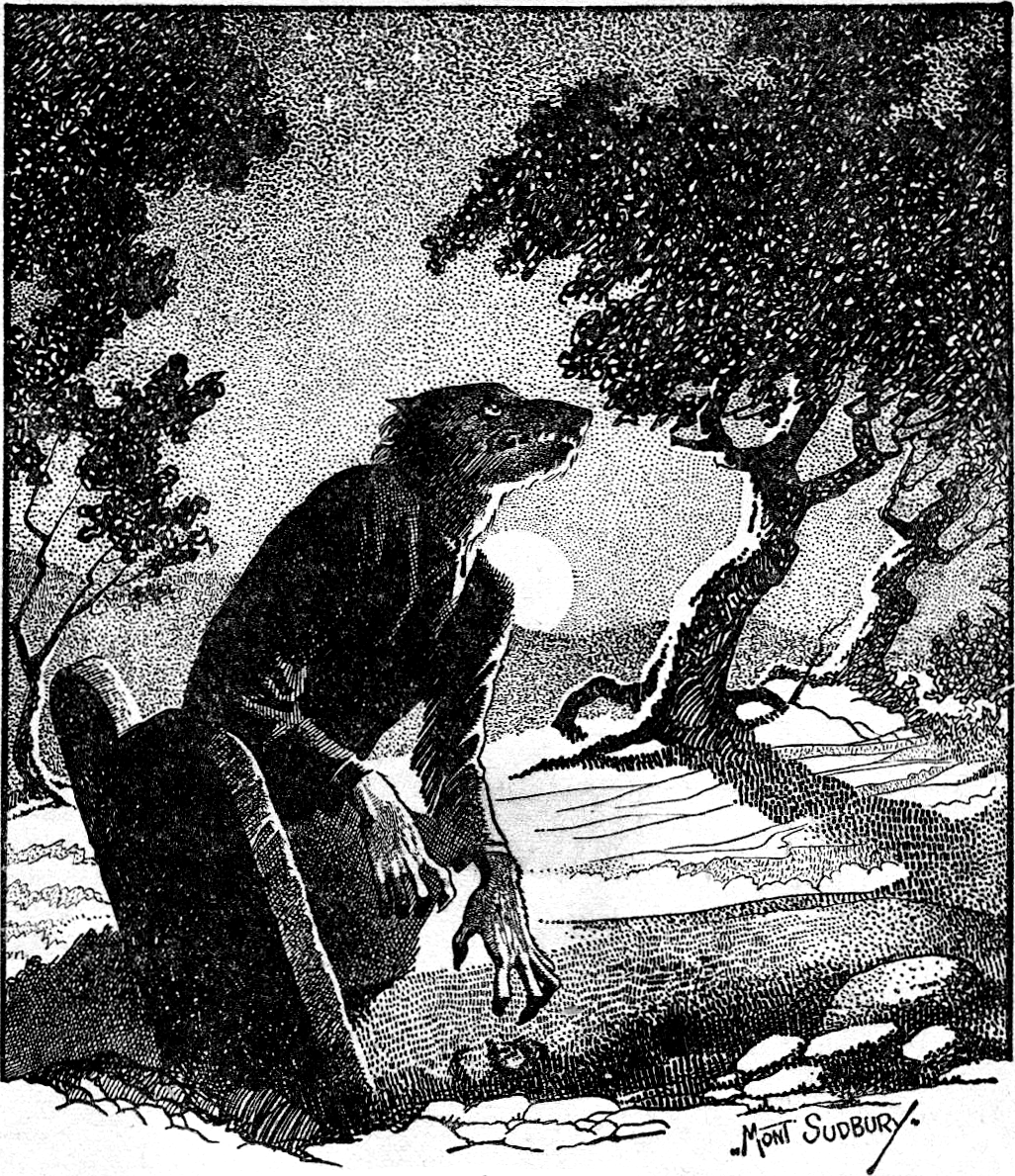 🇫🇷 France and 5 moreWerewolf
A mythical shapeshifter that turns into a wolf, central to European witch-hunts and Gothic horror.Being · Cursing and harm · Wonder and entertainment Legendary
🇫🇷 France and 5 moreWerewolf
A mythical shapeshifter that turns into a wolf, central to European witch-hunts and Gothic horror.Being · Cursing and harm · Wonder and entertainment Legendary
 🇪🇬 Egypt and 1 moreLilithלִילִית
A feminine figure from Mesopotamian and Jewish mythology, often depicted as a night demon or spirit.Being · Cursing and harm Legendary
🇪🇬 Egypt and 1 moreLilithלִילִית
A feminine figure from Mesopotamian and Jewish mythology, often depicted as a night demon or spirit.Being · Cursing and harm Legendary