Spirits, creatures and beings
Djinn, fairies, orisha, golems and the other powers that magic deals with.
Beings are the powers that magic deals with: spirits, ancestors, gods, djinn, fairies, orisha, nats, kami, demons, golems, ghosts and the many kinds of household and landscape spirit. People in most cultures have described a world shared with unseen others, who may help, trouble or ask for respect. This page covers what these beings are said to be and the very different ways communities relate to them. They are always described here as what communities believe, not as established fact.
Different kinds of beings
A being can be a god with a priesthood, such as an orisha served in Yoruba religion, Cuba and Brazil. It can be an ancestor, honoured in China, Africa and Mexico. It can belong to a place, such as the kami of Shinto, the Thai phi or the Burmese nats. It can be a trouble-maker, like the djinn of Arabic and Islamic tradition, formed from smokeless fire, or the fairies of Ireland, whom people avoided naming.
Relationship, not command
In many traditions, a person does not command a being but enters a relationship with it, through offerings, promises and respect. Possession and mediumship are forms of that relationship, as in Vodou, Candomblé, Korean mudang rites and Sufi gatherings. In ceremonial magic of the European grimoires, by contrast, the magician summons spirits by name and authority, which the Church condemned as demon-raising. The same being may be loved in one household and feared in the next, and a spirit helpful to its servant can be harmful to a stranger.
Religions and renaming
Dominant religions often absorbed beings by relabelling them. Christian missionaries called many African and Indigenous spirits demons. Islam reads the djinn as real creatures, some of whom are Muslim, and Hindu and Buddhist traditions fold local deities into their own pantheons. Pagan and fairy beliefs were sometimes recast as the devil's work, which fed witch trials in Europe. Churches and mosques have sometimes divided beings into good and evil in ways the older traditions did not, so that a neutral local spirit became a demon on the day a missionary arrived.
Harm and interpretation
Belief in harmful spirits has been used to accuse people. Children in parts of West and Central Africa have been branded as witches possessed by evil spirits, and some have been abused by pastors or families in the name of deliverance. Scholars read spirit beliefs as ways to make sense of illness, loss and conflict, and many communities see them simply as neighbours. That is why accusations tied to spirit beliefs fall hardest on children and the vulnerable, and why many agencies train local leaders to challenge them.
Being on EveryJaadu
The entries written up so far, best known first.
 🇯🇵 JapanHitotsume-nyūdō独眼僧
A one-eyed Japanese monk spirit from folklore and legendBeing · Cursing and harm Legendary
🇯🇵 JapanNyūdō-bōzu入道坊主
A Japanese yokai that grows taller when stared at and can kill or vanish depending on the responseBeing · Cursing and harm Legendary
🇯🇵 JapanSunekosuriすねこすり
A Japanese yōkai that rubs against people's legs and causes minor stumbling.Being · Cursing and harm Historical
 🇯🇵 JapanMononoke物の怪
A Japanese term for spirits believed to cause illness and misfortune through possession or curses.Being · Cursing and harm · Healing Historical
🇯🇵 JapanOnikuma鬼熊
A giant bear spirit from Japan that throws stones and steals livestockBeing · Cursing and harm Legendary
🇯🇵 JapanUmi zatō海座頭
A sea yōkai depicted as a giant blind musician that threatens shipsBeing · Cursing and harm Historical
 🇯🇵 JapanAkubōzu灰坊主
A hearth spirit of northern Japan that emerges from ash and is said to consume those who disturb it.Being · Cursing and harm Legendary
 🇲🇽 MexicoXolotl
An Aztec deity of fire, lightning, and death who guides souls to the underworld.Being · Cursing and harm · Speaking with spirits and the dead Historical
🇨🇦 CanadaPinga
An Inuit goddess of the hunt and medicine who oversees caribou herds and souls.Being · Healing · Cursing and harm Historical
 🇨🇳 China and 2 moreOx-Head and Horse-Face牛頭馬面
Guardians of the underworld who escort souls to judgment in East Asian myth.Being · Cursing and harm Legendary
 🇬🇷 GreeceMeilichiosΜειλίχιος
An ancient Greek chthonic spirit linked to Zeus and appeased through fire offerings.Being · Protection · Cursing and harm Historical
 🇨🇿 Czech Republic and 1 moreRübezahl
A mountain spirit of the Giant Mountains, kindly to some and vengeful to othersBeing · Protection · Healing Legendary
🇯🇵 JapanReikon霊魂
The Shinto soul: it joins the ancestors after funeral rites, or haunts as a yūreiBeing · Speaking with spirits and the dead · Cursing and harm Living
 🇯🇵 JapanShidaidaka次第高
A tall spirit in Japan that grows when you look up and shrinks when you look down.Being · Cursing and harm Legendary
🇳🇿 New ZealandMaero
A wild supernatural people of New Zealand forests and mountainsBeing · Cursing and harm Legendary
 🇺🇸 United StatesAgropelter
An ape-faced beast of lumber tales that pelts passers-by with branches from hollow treesBeing · Cursing and harm Legendary
🇵🇭 PhilippinesMandurugo
A shapeshifting spirit from Philippine folklore that feeds on human bloodBeing · Cursing and harm Legendary
 🇩🇲 DominicaBelie Belcan
A loa of justice and protection in Dominican Vudú, linked to Saint Michael.Being · Protection · Cursing and harm Living
🇫🇯 FijiUlupoka
A god of evil beheaded in the gods' war, whose head and body still roam the PacificBeing · Cursing and harm Legendary
🇬🇭 GhanaAbonsam
A malevolent spirit blamed for accidents and disease, driven out to sea with noiseBeing · Cursing and harm · Cleansing and purification Living
 🇩🇪 Germany and 3 moreDrude
A Germanic nightmare spirit and the pentagram charm used to keep it outBeing · Cursing and harm · Protection Historical
🇲🇳 Mongolia and 1 moreÇor
An invisible spirit in Turkic and Mongolian myth, linked to mental states and later Islamic jinn beliefs.Being · Cursing and harm Legendary
 🇮🇱 Israel and 1 moreUnclean spiritπνεῦμα ἀκάθαρτον (pneuma akatharton)
A spirit of impurity in biblical belief, driven out by breath, smoke and wordsBeing · Cleansing and purification · Cursing and harm Living
🇩🇪 Germany and 2 moreFängge
A hairy forest giantess or dwarf-spirit of the Alpine woodlandsBeing · Cursing and harm · Protection Legendary
🇫🇮 FinlandMenninkäinen
A Finnish spirit or goblin linked to hidden treasures and urban labourBeing · Luck and prosperity · Cursing and harm Legendary
🇯🇵 JapanKuchisake-onna口裂け女
A masked Japanese spirit said to ask strangers if she is beautifulBeing · Cursing and harm Legendary
🇯🇵 JapanBake-kujira化鯨
A skeletal whale spirit from Japanese coastal folklore, said to avenge whaling.Being · Cursing and harm Legendary
 🇯🇵 JapanYamawaro山童
A mountain spirit of Western Japan, often linked to river kappa and known for pranks and lumberjack assistance.Being · Cursing and harm · Luck and prosperity Historical
 🇯🇵 JapanGagoze元興寺の鬼
A yōkai of Nara said to be a lightning child or a monk demon from Gangō-jiBeing · Cursing and harm Historical
 🇯🇵 JapanUmibōzu海坊主
A giant black sea being said to rise from calm water and wreck boatsBeing · Cursing and harm Legendary
 🇯🇵 JapanAkashita赤舌
A red-tongued beast from Edo-period scrolls, tied to water and bad daysBeing · Protection · Cursing and harm Legendary
🇯🇵 JapanAzukiarai小豆洗い
A Japanese water yōkai heard washing beans, said to pull the curious into the waterBeing · Cursing and harm Legendary
 🇯🇵 JapanŌkubi大首
A huge female head among Japan's yōkai, said to be a vengeful spirit that sickensBeing · Cursing and harm Legendary
🇯🇵 JapanMokumokuren目目連
A Japanese yōkai of eyes that crowds the tears in a paper screenBeing · Cursing and harm Legendary
 🇯🇵 JapanOtoroshiおとろし
A Japanese yōkai with blue skin and tusks that guards temple gates and punishes the wicked.Being · Protection · Cursing and harm Legendary
🇯🇵 JapanWanyūdō輪入道
A flaming wheel with a monk's head that steals souls in Japanese folkloreBeing · Cursing and harm · Speaking with spirits and the dead Legendary
 🇯🇵 JapanHyōsubeひょうすべ
A hairy river spirit of Kyushu that eats eggplants and brings fever.Being · Cursing and harm Historical
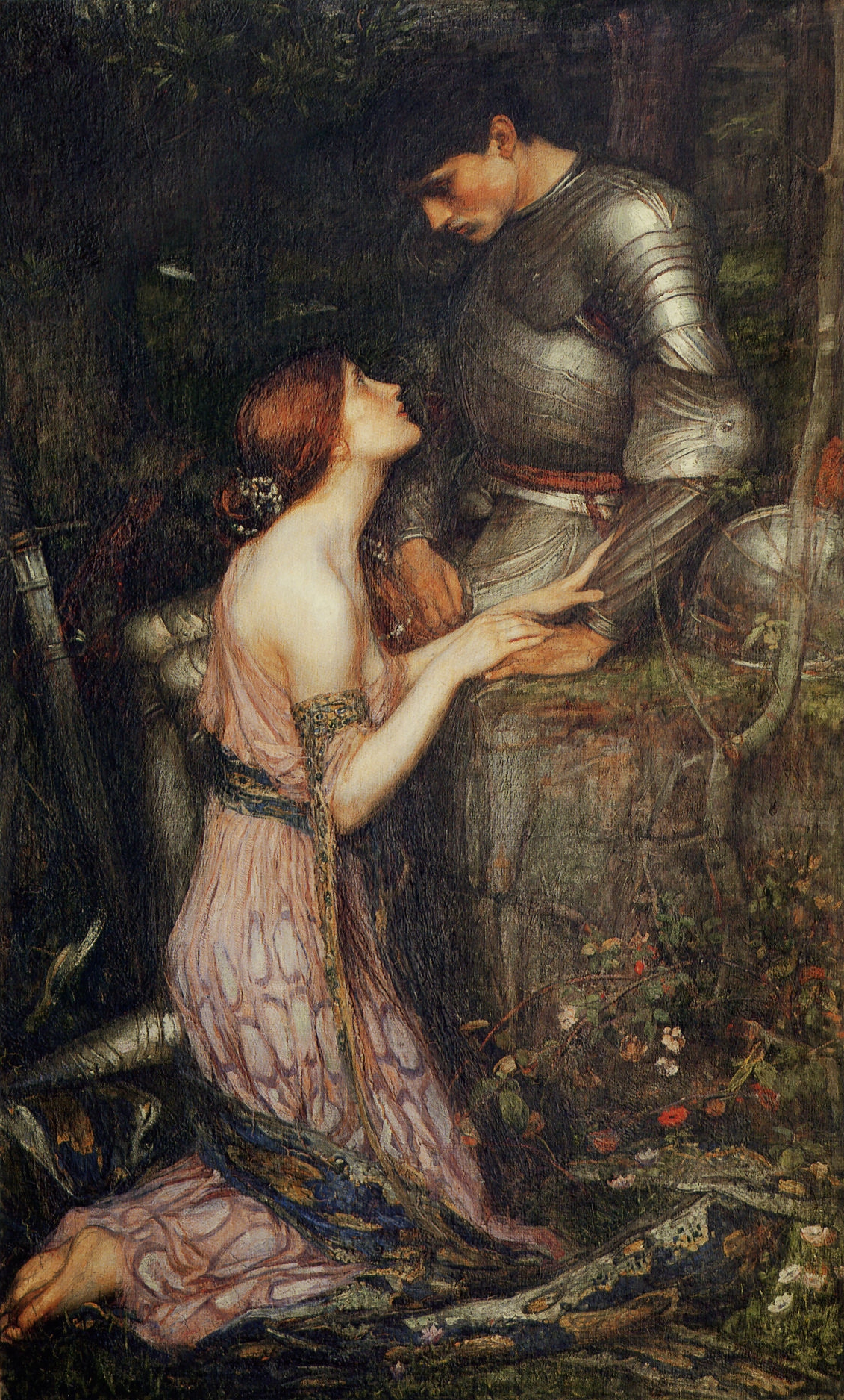 🇱🇾 Libya and 2 moreLamiaΛάμια
A child-snatching monster and night phantom from ancient Greek mythBeing · Cursing and harm · Seeing and foretelling Legendary
 🇩🇪 GermanyFeuermann
A large, fiery German ghost believed to be the wandering soul of a sinnerBeing · Speaking with spirits and the dead · Cursing and harm Legendary
🇬🇧 United KingdomDrummer of Cortachy
A ghostly drummer said to foretell the death of the lords of Cortachy CastleBeing · Cursing and harm Historical
🇹🇭 ThailandPhi Phongผีโพง
A Thai ghost born from failed black magic, known for its glowing nose and feeding on filth.Being · Cursing and harm Legendary
🇵🇭 PhilippinesSarangay
A Philippine half-bull creature that guards gemstones with deadly forceBeing · Cursing and harm Legendary
🇧🇷 BrazilPé de garrafaPé-de-garrafa
A legendary one-eyed Brazilian creature with a rounded foot that leaves strange tracks.Being · Cursing and harm · Wonder and entertainment Legendary
🇬🇷 GreeceNeadesΝηάς, Νηάδες
Gigantic legendary creatures of Samos whose voices were said to cause earthquakesBeing · Cursing and harm Legendary
🇳🇵 Nepal and 1 moreMurkattaमुर्कट्टा
A headless spirit from Nepali folklore with eyes and a mouth on its chestBeing · Cursing and harm Living
🇦🇺 AustraliaMuldjewangk
A legendary water being of the Murray River and Lake AlexandrinaBeing · Protection · Cursing and harm Legendary
 🇪🇬 Egypt and 1 moreHypnalis
A legendary snake from medieval bestiaries that kills in sleepBeing · Cursing and harm Legendary
Photo credits on this page
The small pictures above come from Wikimedia Commons under free licences. Some are cropped to fit.
- Lamia: John William Waterhouse, Public domain, source
- Feuermann: Rolf Erik von Hoerschelmann (1885 - 1947), CC0, source
- Hypnalis: Werner Seiler ( User:Centine ), Public domain, source
- Belie Belcan: Domfranciscorodrigues, CC BY-SA 3.0, source
- Drude: Ramessos, Public domain, source
- Unclean spirit: David Shankbone, CC BY-SA 3.0, source
- Yamawaro: Brigham Young University, CC BY-SA 4.0, source
- Gagoze: Brigham Young University, CC BY-SA 4.0, source
- Umibōzu: Brigham Young University, CC BY-SA 4.0, source
- Akashita: Brigham Young University, CC BY-SA 4.0, source
- Ōkubi: Unknown author, Public domain, source
- Otoroshi: Unknown author, Public domain, source
- Hyōsube: Brigham Young University, CC BY-SA 4.0, source
- Hitotsume-nyūdō: Kashiwa Seiho (柏正甫), Public domain, source
- Mononoke: Unknown author, Public domain, source
- Akubōzu: No machine-readable author provided. Fg2 assumed (based on copyright c, Public domain, source
- Xolotl: Adamt, CC0, source
- Ox-Head and Horse-Face: ScribblingGeek, CC BY-SA 4.0, source
- Meilichios: Mark Landon, CC BY 4.0, source
- Rübezahl: User:Antosh, CC BY-SA 4.0, source
- Shidaidaka: by Reggaeman, CC BY-SA 3.0, source
- Agropelter: Fearsome Critters, Written by Henry H. Tryon • Illustrated by Margaret, CC0, source