A god of Fijian and Polynesian mythology, cast as the lord of evil and demons. Legend says the other gods beheaded him yet could not kill him, and his parted head and body are believed to roam the Pacific to this day, spreading sickness and misfortune as each searches for the other.
- Beheaded in the gods' war yet too divine to die
- His hidden head and his body are said to roam the Pacific, each hunting the other
- The tale blames the wandering body for deaths, sickness, mischief and bad luck
- His head is said to cross the ocean at hurricane speed, biting sleepers as it goes
- He calls himself a wounded god and mocks human pride in their heads
What it is
Ulupoka belongs to the stories of Fiji and of Polynesia at large, where he stands as the god linked with evil and the demons who serve him. The tale turns on a wound. In a war among the gods his rivals cut off his head and hid it, yet because he was divine the loss did not kill him. Ever since, so the story runs, his headless body has roamed the islands, and where it passes people die, fall sick, meet mischief and bad luck. The myth follows both halves of him across the Pacific as each hunts for the other, and paints him as a bitter, dangerous figure at odds with gods and humans alike.
Where it comes from
The tale is placed in Fijian and Polynesian mythology, and it opens in the middle of a war among the gods. In that battle Ulupoka lost his head to his fellow deities, who hid it away and left the rest of him where it fell. Because he was a god, the wound did not end him, and the split became the engine of everything that follows: a head that hunts and a body that roams. The story then crosses the ocean, to an alliance with Milu in Hawaii, a defeat by the armies of the Pacific's nations and of Pele, and a lasting quarrel with the other gods. All of it is set in the divine past, with the islands as its stage.
Ulupoka, drawn and placed
- Living
- Revived
- Fading
- Historical
- Legendary
- Performed
- Lineage
- Fijian and Polynesian mythology
Peoples and places
Two storytelling worlds hold him: Fiji's and Polynesia's. The cast shows how widely the tale ranges. Milu, lord of the Polynesian underworld, finds the body and strikes his bargain. Pele, the goddess whose prison held Milu for centuries, is the target of his revenge. The action sweeps over the Hawaiian Islands and then across the Pacific's island groups, whose people are said to fall ill when the body passes. Even the nations ringing the Pacific Ocean field armies in the story and crush Milu's forces. The figure is framed as Fijian and Polynesian, while his legend spills into Hawaiian waters and far out over the sea.
At a glance: who, where and when
Peoples
What people believe
The myth assumes a crowded divine world: warring gods, an underworld with its own lord, and demons under Ulupoka's command. Its central rule is that a god survives losing his head, and that head and body then live on as two beings with separate wills. The story runs to the present: the head is said to race across the Pacific at hurricane speed, biting sleepers at throat and crown so that they sicken and die, while the body spreads evil and illness in its endless search. Weary of the hunt, Ulupoka accepts Milu's renewed offer of help and means to recover his head before invading more islands. His creed is contempt for human weakness, morality and love.
Compare and confuse
He is easy to file under demons, since he leads them, but the tale makes him their god rather than one of the pack. Around him stand other figures of the Polynesian world: Milu of the underworld, Pele who held Milu captive, and the unnamed deities who maimed him. What marks him out is that he endures as two pieces.
Questions people ask about Ulupoka
Who is Ulupoka and where does the story come from?
He is a god of Fijian and Polynesian mythology, presented as the lord of evil and demons. The legend says the other gods beheaded him in their war and hid his head, but his divine nature kept him alive, and both halves of him have roamed the Pacific ever since.
Why is he headless yet still alive?
The tale blames a battle among the gods: they took his head away and concealed it. Because he is divine, losing it did not kill him. He now styles himself a wounded god who should not be underestimated, and is said to be eager to use demons against others.
What is his body believed to do?
His body is said to drift from island to island, and the people along its path fall sick. The tale blames it for deaths, for sickness, for mischief and for the bad luck that follows, and says Ulupoka once made everyone nearby ill to cover his escape from the other gods.
What is his head said to do?
The head is said to hunt for its body across the Pacific, moving as fast as a hurricane. As it travels, it is believed to bite sleepers at the throat and the crown of the skull, and those it attacks sicken and die.
Who is Milu in this story?
Milu rules the underworld in Polynesian belief. In the tale he twice offers to rejoin Ulupoka's head and body. The first bargain asked for help seizing Hawaii in revenge on Pele, the goddess who had jailed him; that invasion failed, and a weary Ulupoka has now accepted the offer again.
Good reading and sources
The facts on this page come from the Wikipedia article "Ulupoka", written by its contributors and used under the CC BY-SA 4.0 licence, and from its Wikidata record (CC0). EveryJaadu rewrote the text in its own words, with AI assistance, and compares every page with the article to make sure no passage is copied. It may be reused under the same CC BY-SA 4.0 licence with a link back.
It may contain mistakes. Names and customs differ from one community to the next, and some knowledge is closed to outsiders and left out here. This page describes belief and practice. It does not say that any of it works, it is not a how-to, and it is not medical advice. If something is wrong, tell us. Last refreshed 2026-10-22.
More from Fiji
All the entries from Fiji 🇻🇺 Vanuatu and 5 moreKava culture
A shared ritual across Oceania where a root brew marks ceremony, respect, and social gathering.Tradition · Speaking with spirits and the dead · Luck and prosperity Living
 🇹🇴 Tonga and 5 moreTabootapu
A cultural prohibition that marks something as forbidden or sacredBelief · Protection · Speaking with spirits and the dead Living
🇹🇴 Tonga and 2 moreTongan mythologytala-ē-fonua
The myths and legends of the Polynesian island nation of TongaTradition · Wonder and entertainment Historical
🇼🇸 Samoa and 1 moreSamoan mythology
The deities and legends of the Samoan Islands, part of Polynesian tradition.Figure · Speaking with spirits and the dead Legendary
Related elsewhere
All being 🇷🇸 Serbia and 5 moreVampire
An undead being from European folklore that feeds on the life force of the living.Being · Cursing and harm Legendary
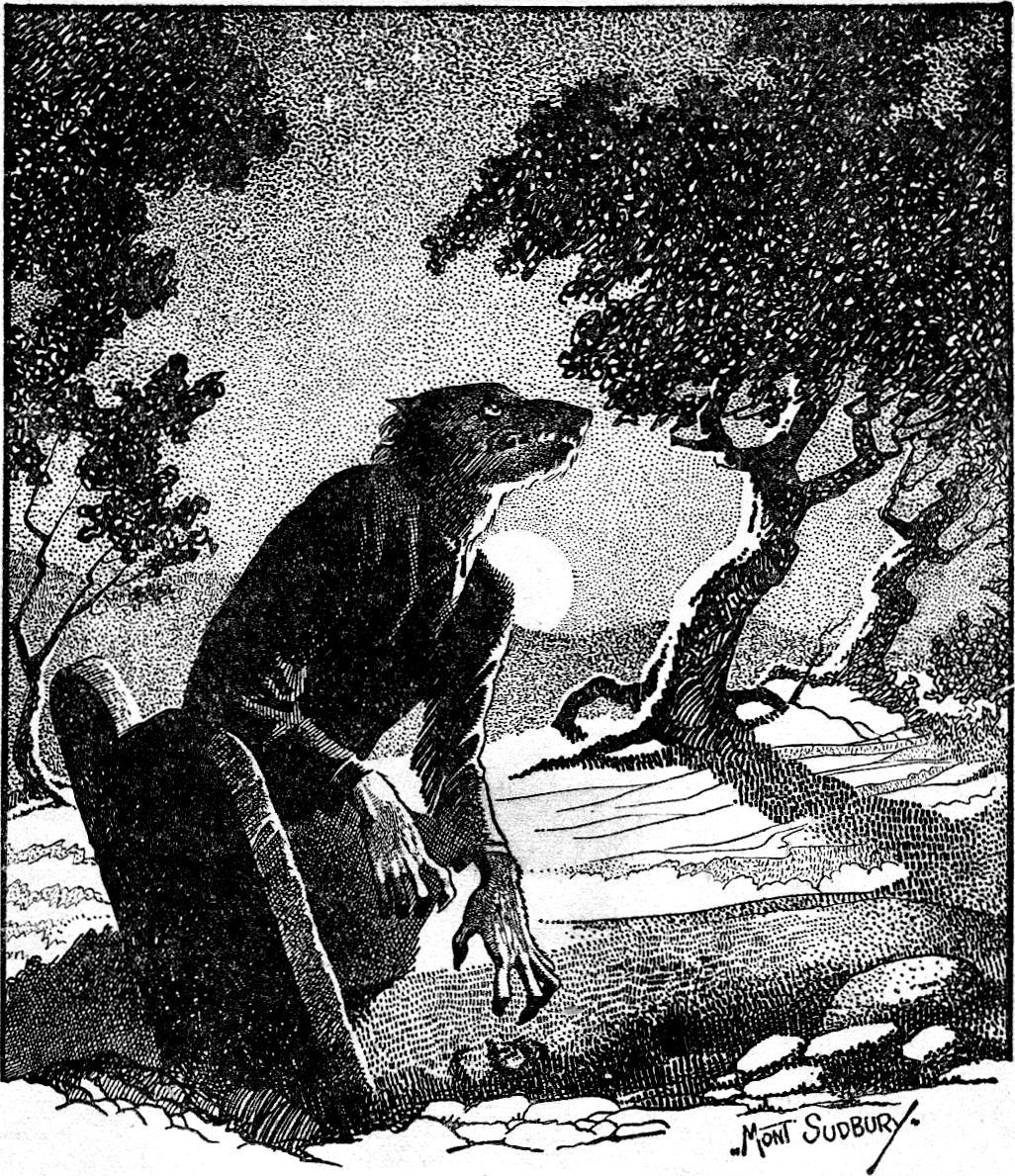 🇨🇭 Switzerland and 5 moreWerewolf
A figure in folklore who transforms into a wolf or hybrid beastFigure · Cursing and harm Legendary
 🇺🇸 United States and 5 moreSatanism
A modern set of beliefs using the figure of Satan as a symbol or deity.Tradition · Power and authority · Cursing and harm Living
 🇪🇬 Egypt and 1 moreLilithלִילִית
A feminine figure from Mesopotamian and Jewish mythology, often depicted as a night demon or spirit.Being · Cursing and harm Legendary