
Umibōzu
In its own language: 海坊主
from Japanese umi (sea) and bōzu, a shaven-headed Buddhist priest, so 'sea monk'
A giant black sea being said to rise from calm water and wreck boats
A yōkai of Japanese folklore: a huge black being with a shaven, monk-like head that rises from a calm sea and damages or sinks boats. It is said to demand a ladle from sailors and to flee from smoke, and tales of it are told all over Japan.
- Its name means 'sea monk', after the shaven head it shares with a Buddhist priest
- Said to ask sailors for a ladle, then use it to scoop water in and sink the boat
- A ladle with its bottom knocked out is the escape told in the Gotō Islands
- Smoke, tobacco fumes in some accounts, is said to drive it off
- At Uwajima in Ehime, seeing one was said to bring a long life
What it is
Umibōzu is a yōkai, one of the beings of Japanese folk tale, and its name means 'sea monk'. It is described as a huge black creature shaped like a person, with a bald head shaved like a priest's. Usually only the part above the waist is seen. Accounts put its size anywhere from human scale to tens of metres. It comes to boats at night: the sea lies calm, then heaves, and the head comes up and breaks or damages the hull. Sailors in many parts of Japan told of it, and near-synonyms such as Umihōshi and Uminyūdō are both built on words for a monk or priest.
Where it comes from
Little about the umibōzu is settled. One explanation holds that it is the ghost of someone drowned, a belief recorded locally in Chiba Prefecture. Lore from Chōshi in that prefecture names a priest, Shōgaku-bō, who drowned and became the creature, as Edo period writing has it, and an English source describes the umibōzu more broadly as the spirit of a drowned priest. A narrative in the Kii Zōdan Shū, printed in 1687 and set in the Meiō era, calls the thing it meets a nyūdō wani, a 'priest crocodile', and says such beings are fallen dragon deities who demand sacrifice.
How it is done
The tales follow a pattern. A boat is out at night, the water is flat, and the umibōzu rises. Sometimes it simply breaks the hull. More often it asks for a ladle or dipper, and once it has one it scoops seawater into the boat to sink it. The way out, as the stories tell it, is to hand over a ladle with its base knocked out: the creature tries to bail, finds the tool useless, and the crew rows off while it is still puzzled. Fishermen also held that smoke drives it away, tobacco fumes in some accounts.
Tools and materials
The object that recurs is the hishaku, a wooden ladle or dipper. In the Morozaki version from Aichi the funayūrei asks instead for an aka-tori, a name joining words for bilge water and for a taker. A ladle with the bottom punched out is the counter the tales describe. Boats carried basket fires and torches, which the creature is said to put out, and one night fisherman threw his burning torch at it. Tobacco smoke is named in some accounts as something it avoids. In Aomori, miso dissolved in water was let run over the sea to turn away ghost ships.
Umibōzu, drawn and placed
- Living
- Revived
- Fading
- Historical
- Legendary
- Performed
- Lineage
- Japanese folklore
- Timing
- at night, on calm water that suddenly turns rough
What it is for
Sailors did not treat the umibōzu as a thing to use but as a danger to be answered. In the Tohoku region the first catch of the season was offered to the Sea God, and if that offering was skipped the umibōzu was said to come, wreck the boat and carry off its owner. On Awaji Island the told remedy was to throw the most precious cargo overboard, and it had to go from the bow. Some places credited the sight with good rather than harm: at Uwajima in Ehime, anyone who saw an umibōzu was said to live a long life.
Peoples and places
Tales of the umibōzu are spread across Japan and differ by coast. Around the northern Gotō Islands in Nagasaki Prefecture the creature may be called umibōzu or funayūrei, and it is said to board from the prow and never the stern, because Funaō-sama, the 'Lord Ship King', faces that way. In Nagato Province, now Yamaguchi Prefecture, a night fisherman saw one put out his fire and threw torches at it. San'in lore puts it on the beach after dark, rubbing against walkers and trying to pull them into the sea. Inland Nagano Prefecture has it in rivers, and at Uwajima it is said to take the shape of a blind person and kill women.
At a glance: who, where and when
Belief worlds


What people believe
The creature sits in a sea full of powers. The Tohoku custom of offering the season's first catch is made to the Sea God; in one tale a ferryman blames a storm on the Dragon God and has valuables thrown overboard to calm it. The 1687 story calls its monster a fallen dragon deity that wants sacrifice. Drowned people are another strand: the umibōzu is explained in Chiba as the ghost of the drowned, and named as a dead priest. Some boats carried Funaō-sama, a 'Lord Ship King', whose place at the stern was said to keep the creature off.
When it is done
Encounters are told of at night, on water that looks calm and then turns rough. In the Tohoku region the offering of the season's first catch belongs to the start of the fishing year, and skipping it was said to bring the umibōzu down on the boat. A related sea creature, the mukuri kokuri of Tanabe in Wakayama Prefecture, was said to appear on the third day of the lunar third month in the mountains and on the fifth day of the lunar fifth month at sea.
How scholars and sceptics see it
The record mixes old writing with local report. The Kii Zōdan Shū of 1687 and the Honchō Goen of 1706 both carry narratives; the latter tells of the samurai Shōni Yoshiyori, who crossed toward Tsushima and met a slick, oily sea monster, and was told by a fisherman what it was. The Inaba kaidan-shū, an Edo period collection, tells of a strongman from near Matsue who wrestled a one-eyed creature, and an old man who thought it might be the umibōzu. A capture at Kemi in Wakayama was reported in the Miyako Shinbun of Tokyo on 26 December 1888. Minakata Kumagusu suggested that a related land being blended lore of the mole and the kappa.
Compare and confuse
Umibōzu is hard to tell apart from the funayūrei, the 'ship ghost', and around the Gotō Islands the same being answers to either name. Umihōshi and Uminyūdō are near-synonyms, built on hōshi and nyūdō, words for a monk. In the western seas the name covers a human-headed sea turtle, the heshang yu of Chinese literature, called oshōuo, 'monk-fish', in Japanese. European folklore has its own sea monk and sea bishop. A Bisan Seto creature also called nurarihyon is unrelated to the old-man yōkai of that name.
Questions people ask about Umibōzu
What is an umibōzu?
A yōkai from Japanese folklore: a giant black being shaped like a person, with a bald head like a priest's. It shows only its upper body above the water and is said to come to ships at night and damage or break them.
Where does it come from?
Its origin is not settled. One local belief in Chiba Prefecture holds that it is the ghost of a drowned person, and lore from Chōshi names a drowned priest, Shōgaku-bō. An English source calls it more generally the spirit of a drowned priest.
Why does it ask for a ladle?
In the common story it wants a dipper so it can pour seawater into the boat and sink it. Sailors in the tales hand over a ladle with the bottom punched out, then row away while the creature is confused.
How are sailors said to escape it?
The tales give several answers: a bottomless ladle, smoke or tobacco fumes, throwing the most precious cargo overboard from the bow on Awaji Island, or pushing at the oar it clings to until it cries out.
Is the umibōzu the same as a funayūrei?
Not clearly. The two are often conflated and hard to tell apart, and around the Gotō Islands the same being is called by either name.
Good reading and sources
- Umibōzu on WikipediaEncyclopedia
- More photos on Wikimedia CommonsPhotos and video
- Wikidata recordOpen data
The facts on this page come from the Wikipedia article "Umibōzu", written by its contributors and used under the CC BY-SA 4.0 licence, and from its Wikidata record (CC0). EveryJaadu rewrote the text in its own words, with AI assistance, and compares every page with the article to make sure no passage is copied. It may be reused under the same CC BY-SA 4.0 licence with a link back.
It may contain mistakes. Names and customs differ from one community to the next, and some knowledge is closed to outsiders and left out here. This page describes belief and practice. It does not say that any of it works, it is not a how-to, and it is not medical advice. If something is wrong, tell us. Last refreshed 2026-10-19.
More from Japan
All the entries from Japan 🇯🇵 JapanOni鬼(おに)
A horned demon of Japanese folklore known for strength and evil deedsBeing · Cursing and harm · Luck and prosperity Legendary
🇯🇵 JapanKuda-gitsune管狐 (kuda-gitsune)
A small spirit kept in a tube or sleeve to aid fortune-telling and cursing in Japanese folklore.Being · Seeing and foretelling · Cursing and harm Legendary
 🇯🇵 JapanBaku獏
A Japanese spirit said to eat bad dreams and protect sleepersBeing · Protection Living
 🇯🇵 JapanInugami犬神
A Japanese spirit of dog possession and folk sorceryBelief · Cursing and harm · Power and authority Historical
Related elsewhere
All being 🇷🇸 Serbia and 5 moreVampire
An undead being from European folklore that feeds on the life force of the living.Being · Cursing and harm Legendary
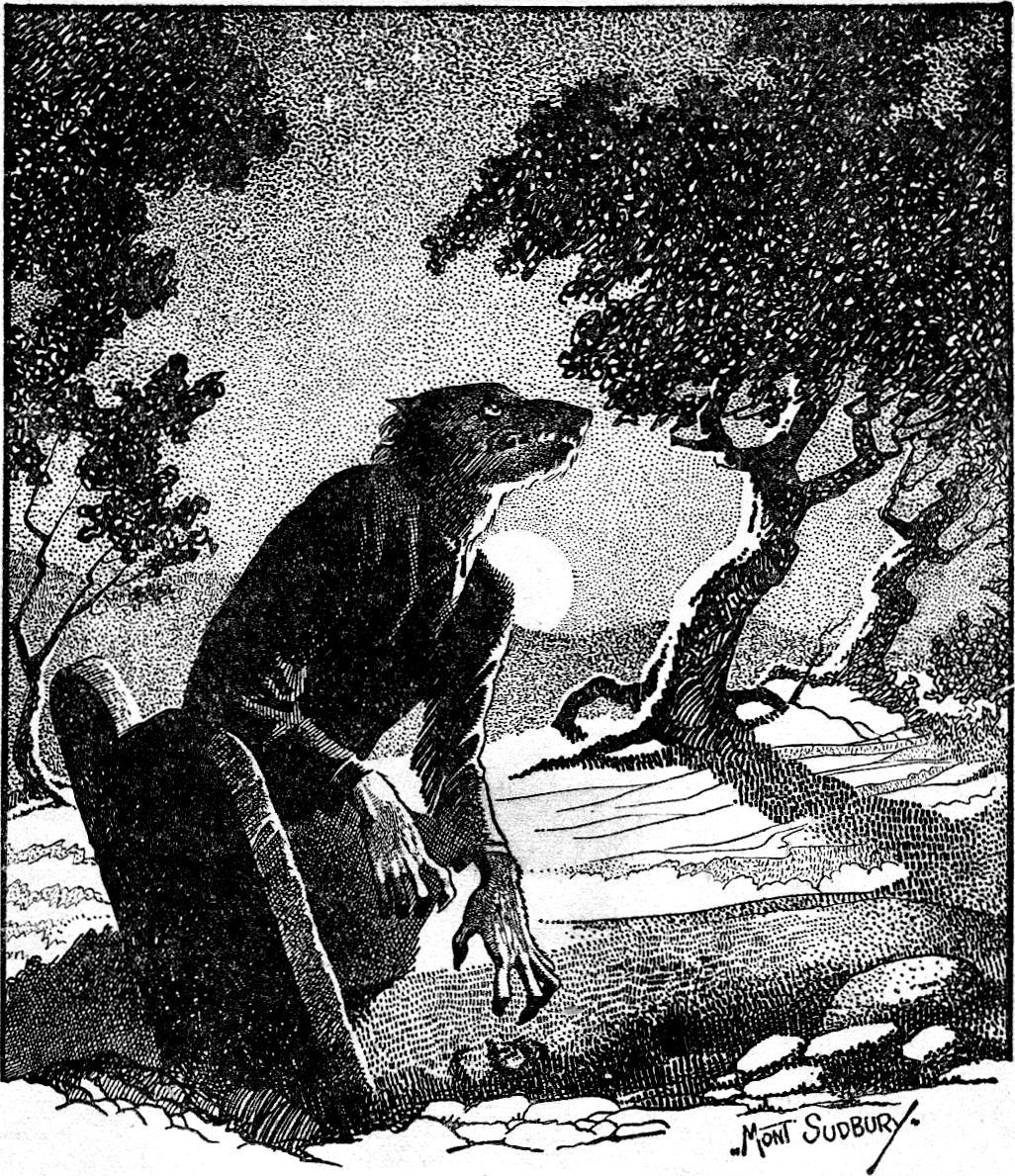 🇨🇭 Switzerland and 5 moreWerewolf
A figure in folklore who transforms into a wolf or hybrid beastFigure · Cursing and harm Legendary
 🇺🇸 United States and 5 moreSatanism
A modern set of beliefs using the figure of Satan as a symbol or deity.Tradition · Power and authority · Cursing and harm Living
 🇪🇬 Egypt and 1 moreLilithלִילִית
A feminine figure from Mesopotamian and Jewish mythology, often depicted as a night demon or spirit.Being · Cursing and harm Legendary