
Xolotl
from Nahuatl Xolotl, linked to the dog breed xoloitzcuintli
An Aztec deity of fire, lightning, and death who guides souls to the underworld.
Xolotl is a figure from Aztec mythology who governs twilight, fire, and lightning. He serves as a psychopomp, guiding the dead through the underworld, and acts as the dark twin of Quetzalcoatl.
- Xolotl guides the dead to the underworld Mictlan.
- He is the dark twin of Quetzalcoatl.
- He transforms into an axolotl to escape death.
- Dogs were sacrificed to accompany owners in the afterlife.
- He represents the evening star Venus.
What it is
Xolotl is a deity in Aztec mythology associated with fire, lightning, and the twilight hours. He functions as a psychopomp, meaning he guides the spirits of the deceased on their journey to Mictlan, the land of the dead. He is also recognized as the god of twins, monsters, misfortune, sickness, and physical deformities. As the dark counterpart to his brother Quetzalcoatl, Xolotl represents the evening star Venus and the transformative power of death that precedes rebirth.
Where it comes from
Scholars suggest Xolotl may have originated in southern regions and shares affinities with Zapotec and Maya traditions involving a lightning-dog. In Maya codices, a dog-like figure brings fire to humanity and is linked to storms and death. The name likely refers to a lightning beast darting from the heavens. The association between lightning and twins may stem from the visual double-flash of a lightning strike, leading to beliefs connecting the two phenomena.
Tools and materials
Xolotl is depicted carrying a torch or wearing the twisted wind jewel of Quetzalcoatl. His spirit forms include the xoloitzcuintle dog and the axolotl salamander. Dogs were sacrificed or buried with humans to help them cross a deep river in the underworld. A jade statue known as the Night Traveler shows him carrying a solar disc, symbolizing his role in the sun's nightly passage.
Xolotl, drawn and placed
- Living
- Revived
- Fading
- Historical
- Legendary
- Performed
- Lineage
- Aztec mythology
- Timing
- at dusk and during the night journey of the sun
What it is for
He protects the sun from dangers in the underworld and guides souls to their final resting place. As a transformer, he changes into plants or animals to escape sacrifice, illustrating the cycle of death and renewal. He is also linked to the ballgame, which symbolizes the sun's perilous journey through the night.
Who does it
The Aztecs and Nahua people held these beliefs. Scholars like Eduard Seler analyze his role as the murdered twin dwelling in darkness, while Quetzalcoatl represents the surviving twin in light. Ritual sacrifices of dogs were performed to ensure they could accompany their owners through the afterlife.
Peoples and places
The tradition belongs to the Aztecs and Nahuas of Mexico. Similar motifs appear in Maya and Zapotec cultures, where a canine figure is tied to lightning and the underworld. The xoloitzcuintle dog breed remains a living link to this ancient belief system in modern Mexico.
At a glance: who, where and when


What people believe
Xolotl embodies the necessary destruction required for creation. He refuses to sacrifice himself to move the new sun, transforming instead to survive. This act highlights the theme of transformation over static existence. The setting sun is seen as being devoured by the earth, with Xolotl overseeing this transition from life to death.
When it is done
He rules the day Olin, meaning movement, in the Aztec calendar. His association with the evening star marks the daily transition into darkness. The ballgame, under his patronage, reenacts the sun's nocturnal journey.
How scholars and sceptics see it
Researchers view Xolotl as a complex figure representing both danger and necessary change. Seler connects his dog form to the belief that canines guide souls. Others note his link to Nanahuatzin, a deity of disease and deformation, showing how illness and monstrosity fit into the cosmic order of transformation.
Compare and confuse
Xolotl is often compared to Anubis due to his role as a psychopomp. He is distinct from other storm gods by his specific connection to twins and his identity as the dark twin of Quetzalcoatl.
Today
The xoloitzcuintle dog breed survives today as a pre-Columbian relic. The name axolotl, meaning water-dog, preserves the linguistic link to Xolotl in scientific terminology.
Questions people ask about Xolotl
Who is Xolotl?
Xolotl is an Aztec deity of fire, lightning, and death. He serves as a psychopomp, guiding souls to the underworld, and is the dark twin of Quetzalcoatl.
What animal is linked to Xolotl?
The xoloitzcuintle, a hairless dog breed, is named after him. Dogs were believed to help the dead cross a river in the afterlife. The axolotl salamander also shares his name.
Why did Xolotl transform?
According to myth, Xolotl refused to sacrifice himself to move the new sun. He transformed into a maize plant, a maguey plant, and an axolotl to avoid death.
Where does Xolotl come from?
He originates from Aztec mythology in Mexico. His roots may extend to earlier Maya and Zapotec traditions involving a lightning-dog figure.
Good reading and sources
- Xolotl on WikipediaEncyclopedia
- More photos on Wikimedia CommonsPhotos and video
- Wikidata recordOpen data
The facts on this page come from the Wikipedia article "Xolotl", written by its contributors and used under the CC BY-SA 4.0 licence, and from its Wikidata record (CC0). EveryJaadu rewrote the text in its own words, with AI assistance, and compares every page with the article to make sure no passage is copied. It may be reused under the same CC BY-SA 4.0 licence with a link back.
It may contain mistakes. Names and customs differ from one community to the next, and some knowledge is closed to outsiders and left out here. This page describes belief and practice. It does not say that any of it works, it is not a how-to, and it is not medical advice. If something is wrong, tell us. Last refreshed 2026-10-15.
More from Mexico
All the entries from Mexico 🇲🇽 Mexico and 2 moreAluxaluxo'ob
A small Maya spirit believed to guard fields and cause mischief if offended.Being · Protection · Luck and prosperity Living
🇲🇽 Mexico and 2 moreAluxaluxo'ob
A small Maya spirit believed to guard fields and cause mischief if offended.Being · Protection · Luck and prosperity Living
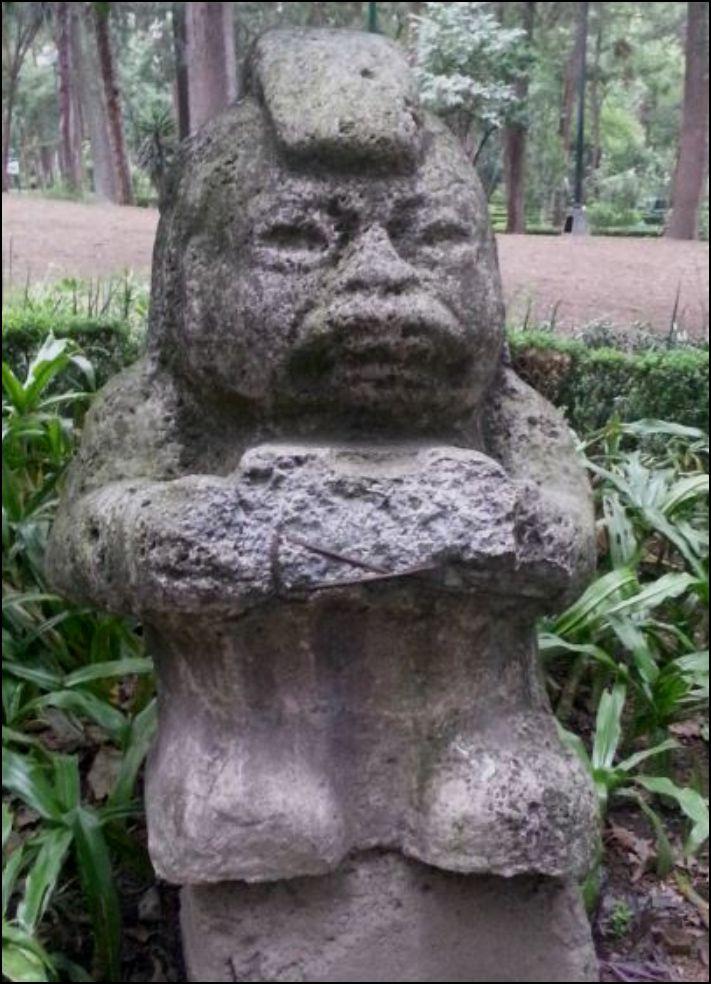 🇲🇽 MexicoChaneque
Mexican folklore sprites that guard nature and homesBeing · Protection · Cursing and harm Legendary
🇲🇽 MexicoChaneque
Mexican folklore sprites that guard nature and homesBeing · Protection · Cursing and harm Legendary
 🇵🇷 Puerto Rico and 5 moreChupacabrachupacabras
A legendary creature said to drain livestock of blood, emerging from Puerto Rico in the mid-1990sBeing · Cursing and harm Legendary
🇵🇷 Puerto Rico and 5 moreChupacabrachupacabras
A legendary creature said to drain livestock of blood, emerging from Puerto Rico in the mid-1990sBeing · Cursing and harm Legendary
 🇲🇽 Mexico and 5 moreSihuanaba
A shapeshifting spirit that lures men with beauty before revealing a monstrous faceBeing · Cursing and harm Legendary
🇲🇽 Mexico and 5 moreSihuanaba
A shapeshifting spirit that lures men with beauty before revealing a monstrous faceBeing · Cursing and harm Legendary
Related elsewhere
All being 🇪🇸 SpainSorginak
Mythical beings and historical figures associated with Basque witchcraft and the goddess Mari.Figure · Speaking with spirits and the dead · Cursing and harm Historical
🇬🇧 United KingdomCŵn Annwn
Spectral hounds of the Welsh otherworld that hunt souls and signal deathBeing · Cursing and harm · Speaking with spirits and the dead Legendary
🇪🇸 SpainSorginak
Mythical beings and historical figures associated with Basque witchcraft and the goddess Mari.Figure · Speaking with spirits and the dead · Cursing and harm Historical
🇬🇧 United KingdomCŵn Annwn
Spectral hounds of the Welsh otherworld that hunt souls and signal deathBeing · Cursing and harm · Speaking with spirits and the dead Legendary
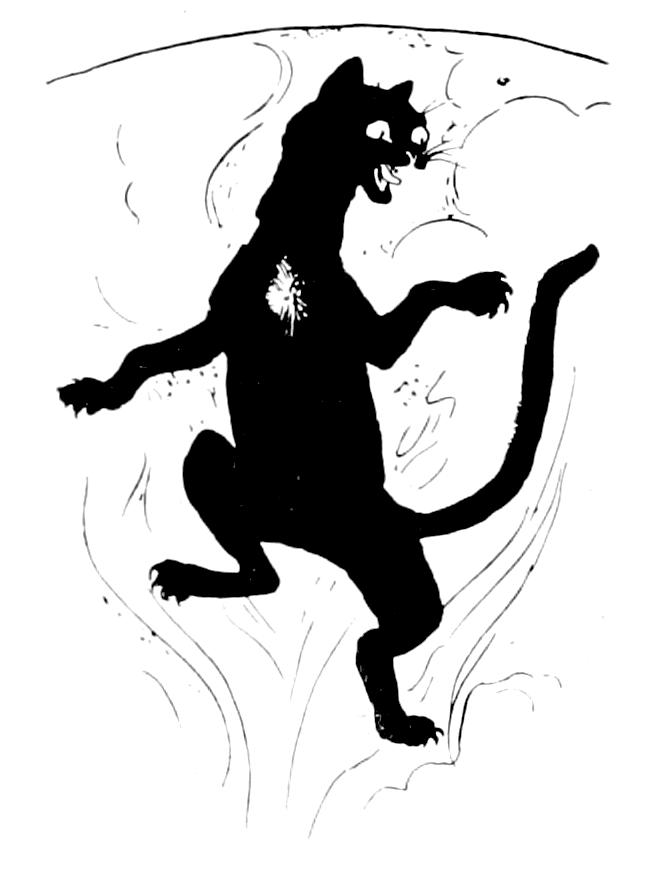 🇬🇧 United KingdomCat-sìth
A spectral feline from Celtic lore that haunts the Scottish Highlands and guards the dead.Being · Cursing and harm · Luck and prosperity Legendary
🇬🇧 United KingdomCat-sìth
A spectral feline from Celtic lore that haunts the Scottish Highlands and guards the dead.Being · Cursing and harm · Luck and prosperity Legendary
 🇭🇷 Croatia and 5 moreVilavila (Serbian: вила), víla (Bulgarian: ви́ла)
Slavic nature spirits known for healing, storms, and deadly dancesBeing · Protection · Cursing and harm Legendary
🇭🇷 Croatia and 5 moreVilavila (Serbian: вила), víla (Bulgarian: ви́ла)
Slavic nature spirits known for healing, storms, and deadly dancesBeing · Protection · Cursing and harm Legendary