The Sarangay is a mythical being from Philippine folklore described as half man and half male water buffalo. It is known for guarding precious stones and attacking those who try to steal them.
- Half man, half male water buffalo
- Gemstone attached to its ears
- Kills thieves who touch its jewels
- Smoke issues from nostrils when enraged
- First noted by Spanish in the 17th century
What it is
The Sarangay is a legendary figure in Philippine mythology. It takes the form of a hybrid creature, combining human features with those of a male water buffalo. This specific type of bull is central to its identity. The creature is often compared to the Greek minotaur due to its mixed nature. However, it has distinct local traits that set it apart from other mythological beasts. It is a solitary being associated with hidden treasures.
Where it comes from
Spanish observers first recorded stories of the Sarangay in the seventeenth century. They initially believed these tales referred to the Greek minotaur from classical mythology. The comparison arose because both creatures are part-human and part-bull. Over time, the distinct features of the Sarangay became clear. It is rooted in indigenous Philippine folklore rather than imported European myths. The legend persists as a unique element of local cultural heritage.
Tools and materials
The defining tool of the Sarangay is a gemstone attached to its ears. These jewels are not merely decorative but are the focus of its protective behavior. The creature is fiercely devoted to guarding these precious items. Thieves who attempt to take the gems face immediate and lethal consequences. The presence of the stone marks the Sarangay as a guardian spirit of wealth.
Sarangay, drawn and placed
- Living
- Revived
- Fading
- Historical
- Legendary
- Performed
- Lineage
- Philippine mythology
What it is for
The primary purpose of the Sarangay is to protect valuable possessions. It serves as a supernatural deterrent against theft. Those who approach its hoard without permission are met with violence. The creature does not negotiate or warn intruders. Its role is purely defensive and aggressive toward outsiders seeking treasure.
Peoples and places
The Sarangay belongs to the broader tapestry of Philippine mythology. It is recognized within the cultural narratives of the Filipino people. The legend reflects local attitudes toward wealth and protection. Unlike the Greek minotaur, which was imprisoned, the Sarangay is a free agent of the wild. Its association with the water buffalo connects it to rural life and agriculture in the region.
At a glance: who, where and when
Peoples
What people believe
Folklore holds that the Sarangay possesses immense strength and rage. When angered, smoke is said to issue from its nostrils. This physical sign indicates its readiness to attack. The belief system views the creature as a natural guardian of hidden riches. It operates outside human laws, enforcing its own strict rules on property.
Compare and confuse
The Sarangay is frequently compared to the Greek minotaur. Both are half-man, half-bull hybrids found in their respective mythologies. However, the Sarangay uses a water buffalo rather than a cow. It also lacks the labyrinthine imprisonment of the Greek counterpart. The comparison highlights how different cultures create similar hybrid monsters.
Today
The Sarangay appears in modern popular culture beyond traditional folklore. It is featured as an unlockable creature in the mobile game EverWing. The table-top roleplaying game Pathfinder also includes it as a playable race. These appearances introduce the myth to global audiences interested in fantasy settings.
Questions people ask about Sarangay
What does a Sarangay look like?
It is a mythical creature from Philippine folklore that is half man and half male water buffalo. A key feature is a gemstone attached to its ears, which it guards fiercely.
Is the Sarangay the same as the Greek Minotaur?
No. While Spanish observers in the 17th century confused them, the Sarangay is distinct. It uses a water buffalo instead of a cow and is a guardian of jewels rather than a prisoner in a labyrinth.
What happens if you try to steal from a Sarangay?
According to folklore, the creature will kill anyone who attempts to steal its jewels. It is merciless in protecting its treasures, showing smoke from its nostrils when enraged.
Good reading and sources
The facts on this page come from the Wikipedia article "Sarangay", written by its contributors and used under the CC BY-SA 4.0 licence, and from its Wikidata record (CC0). EveryJaadu rewrote the text in its own words, with AI assistance, and compares every page with the article to make sure no passage is copied. It may be reused under the same CC BY-SA 4.0 licence with a link back.
It may contain mistakes. Names and customs differ from one community to the next, and some knowledge is closed to outsiders and left out here. This page describes belief and practice. It does not say that any of it works, it is not a how-to, and it is not medical advice. If something is wrong, tell us. Last refreshed 2026-10-23.
More from the Philippines
All the entries from the Philippines 🇵🇭 PhilippinesAswang
A shape-shifting monster from Philippine folklore that preys on humans.Being · Cursing and harm Legendary
 🇲🇾 Malaysia and 5 morePenanggalan
A floating head with trailing organs from Malay folklore, said to hunt pregnant women and newborns.Being · Cursing and harm Legendary
🇵🇭 PhilippinesKapre
A tree giant of Philippine folklore that smokes cigars and plays pranks on travelersBeing · Wonder and entertainment Legendary
Related elsewhere
All being 🇷🇸 Serbia and 5 moreVampire
An undead being from European folklore that feeds on the life force of the living.Being · Cursing and harm Legendary
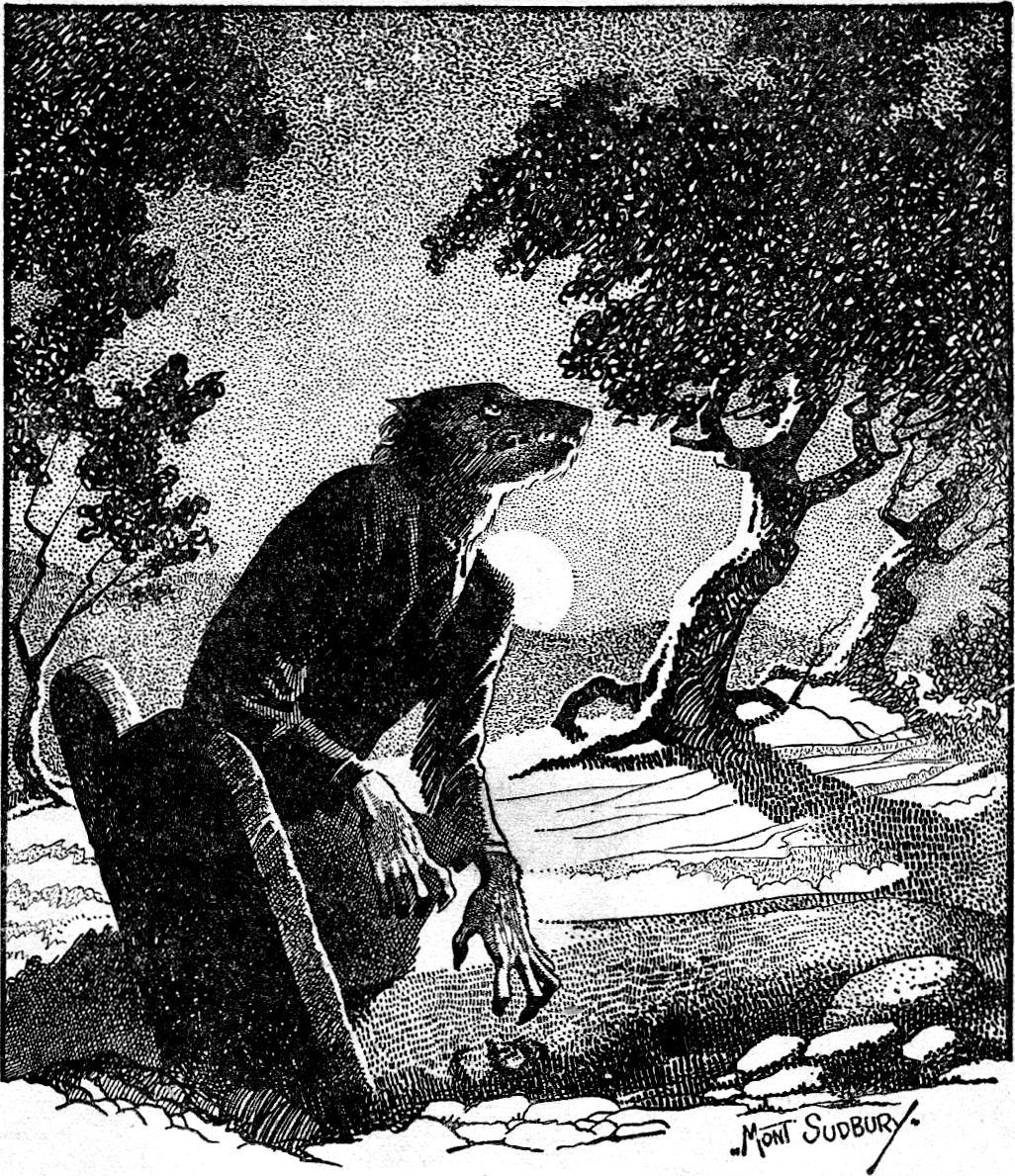 🇨🇭 Switzerland and 5 moreWerewolf
A figure in folklore who transforms into a wolf or hybrid beastFigure · Cursing and harm Legendary
 🇺🇸 United States and 5 moreSatanism
A modern set of beliefs using the figure of Satan as a symbol or deity.Tradition · Power and authority · Cursing and harm Living
 🇪🇬 Egypt and 1 moreLilithלִילִית
A feminine figure from Mesopotamian and Jewish mythology, often depicted as a night demon or spirit.Being · Cursing and harm Legendary