Azukiarai
In its own language: 小豆洗い
Japanese for 'azuki bean washing'; the variant Azukitogi means grinding them
A Japanese water yōkai heard washing beans, said to pull the curious into the water
Azukiarai is a yōkai of Japanese folklore, a being heard before it is seen, beside rivers and other waters. Listeners catch the sound of azuki beans being rinsed or ground; those who step closer to look, the stories say, tumble in.
- Known by sound: a rinse-and-grind like azuki beans, close to a river or pond
- The stories say anyone who walks toward the noise falls into the water
- Described as a squat, ugly man with a balding head and bulging yellow eyes
- Some tellings blame the sound on a tanuki or a weasel
- Also named Azukitogi, the bean grinder
What it is
Azukiarai is one of the yōkai, the uncanny beings that fill Japanese storytelling: not gods, not quite ghosts, but odd neighbours of the human world. This one is met with the ears before the eyes. Beside a river or another stretch of water, a listener hears a steady wash and grind, exactly like azuki beans, small red beans of the Japanese kitchen, being cleaned. The sound has a maker, though he is hardly ever seen. Belief holds that anyone drawn near to look will end up in the water. In some tellings the hidden washer sings while he works, a teasing verse that weighs grinding beans against catching a person to eat.
How it is done
Accounts follow a set pattern. The noise arrives first, a rhythmic rinse-and-grind that could only be azuki beans, close to a riverbank or another body of water. The washer himself almost never shows. Some versions give him a song, a taunt in which he asks whether he will grind his beans that day or seize someone to eat, carried along by a repeated chant. Curiosity completes the picture: the tales insist that whoever moves toward the sound finishes up in the water. When the noise is explained away, suspicion tends to settle on a tanuki or a weasel.
Tools and materials
The inventory is short. Azuki beans, a small bean much used in Japanese cooking, supply the noise, and the figure is pictured bent over a pail, rinsing them. Water serves as both stage and instrument, since the sound belongs to rivers and similar spots. Even the name turns on the beans: both of its forms, the washer and the grinder, take their titles from the bean and the chore done to it.
Azukiarai, drawn and placed
- Living
- Revived
- Fading
- Historical
- Legendary
- Performed
- Lineage
- Japanese yōkai folklore
At a glance: who, where and when
Peoples
What people believe
In the world of Japanese folk tales, a strange sound by the water needs an owner, and this one received a small, unpleasant man. The few who describe him tell of a squat figure with a big balding head, bulging yellow eyes, crooked teeth and a thin moustache, in ragged clothes, stooped over his work. Some communities prefer an animal culprit and pin the noise on a tanuki, the raccoon dog, or on a weasel. A single rule governs the meeting: closeness to the sound ends in a fall into the water. Whether that is menace or mere mischief, the tales leave open.
Compare and confuse
Under its second name, Azukitogi, the same figure becomes the bean grinder rather than the washer, a shift of chore more than of character. Some tellings remove the spirit altogether and lay the sound on animals: a tanuki, the raccoon dog, or a weasel, said to be making the noise in its place.
Questions people ask about Azukiarai
What is an Azukiarai?
A yōkai of Japanese folklore, a water-side being known by its sound. Listeners beside a river hear what seems to be azuki beans rinsed or ground, though the maker of the noise is rarely seen. It also answers to the name Azukitogi, the bean grinder.
Where does the belief come from?
From Japan. The figure sits within Japanese folklore, among the yōkai, that country's uncanny beings, and every story sets it beside a river or another body of water.
Is it dangerous?
The tales make it so: whoever walks toward the sound is said to tumble into the water. Other tellings blame the noise on a tanuki or a weasel, turning the meeting into one with an animal rather than a spirit.
What does it look like?
Descriptions are rare. They give a short man of grotesque face, with a balding head, bulging yellow eyes, crooked teeth and a thin moustache, dressed in rags and bent over his pail of beans.
Why azuki beans?
The name and the sound both come from the azuki, a small bean of Japanese kitchens. The being takes its two names, washing and grinding, from the two chores said to be heard at the water's edge.
Good reading and sources
The facts on this page come from the Wikipedia article "Azukiarai", written by its contributors and used under the CC BY-SA 4.0 licence, and from its Wikidata record (CC0). EveryJaadu rewrote the text in its own words, with AI assistance, and compares every page with the article to make sure no passage is copied. It may be reused under the same CC BY-SA 4.0 licence with a link back.
It may contain mistakes. Names and customs differ from one community to the next, and some knowledge is closed to outsiders and left out here. This page describes belief and practice. It does not say that any of it works, it is not a how-to, and it is not medical advice. If something is wrong, tell us. Last refreshed 2026-10-17.
More from Japan
All the entries from Japan 🇯🇵 JapanOni鬼(おに)
A horned demon of Japanese folklore known for strength and evil deedsBeing · Cursing and harm · Luck and prosperity Legendary
🇯🇵 JapanOni鬼(おに)
A horned demon of Japanese folklore known for strength and evil deedsBeing · Cursing and harm · Luck and prosperity Legendary
 🇯🇵 JapanBaku獏
A Japanese spirit said to eat bad dreams and protect sleepersBeing · Protection Living
🇯🇵 JapanBaku獏
A Japanese spirit said to eat bad dreams and protect sleepersBeing · Protection Living
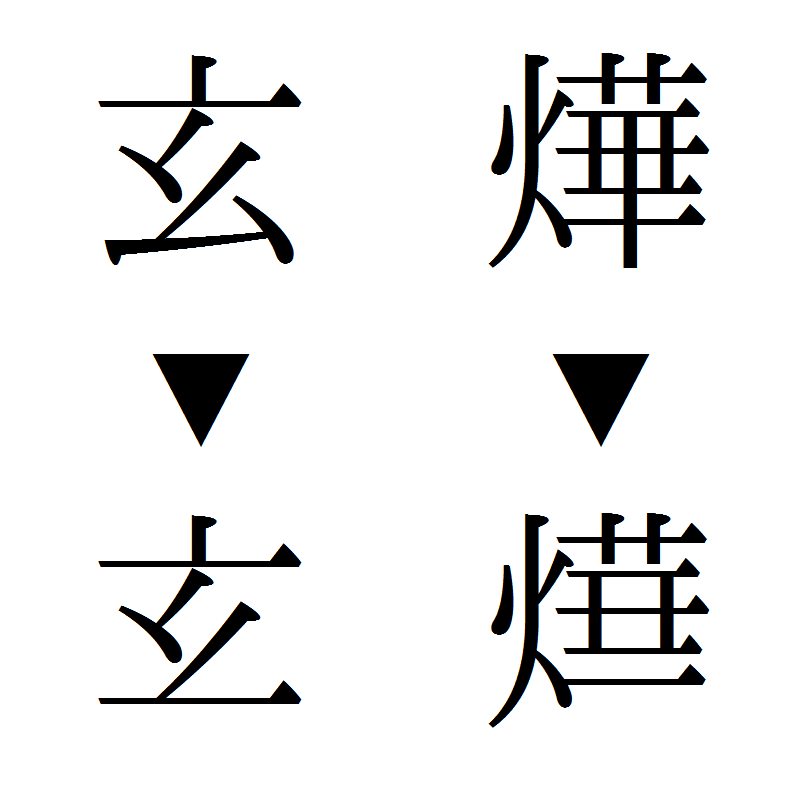 🇨🇳 China and 2 moreNaming taboo避諱
A cultural rule against speaking or writing the names of rulers and ancestors in East AsiaBelief · Protection Historical
🇨🇳 China and 2 moreNaming taboo避諱
A cultural rule against speaking or writing the names of rulers and ancestors in East AsiaBelief · Protection Historical
Related elsewhere
All being 🇷🇸 Serbia and 5 moreVampire
An undead being from European folklore that feeds on the life force of the living.Being · Cursing and harm Legendary
🇷🇸 Serbia and 5 moreVampire
An undead being from European folklore that feeds on the life force of the living.Being · Cursing and harm Legendary
 🇨🇭 Switzerland and 5 moreWerewolf
A figure in folklore who transforms into a wolf or hybrid beastFigure · Cursing and harm Legendary
🇨🇭 Switzerland and 5 moreWerewolf
A figure in folklore who transforms into a wolf or hybrid beastFigure · Cursing and harm Legendary
 🇺🇸 United States and 5 moreSatanism
A modern set of beliefs using the figure of Satan as a symbol or deity.Tradition · Power and authority · Cursing and harm Living
🇺🇸 United States and 5 moreSatanism
A modern set of beliefs using the figure of Satan as a symbol or deity.Tradition · Power and authority · Cursing and harm Living
 🇪🇬 Egypt and 1 moreLilithלִילִית
A feminine figure from Mesopotamian and Jewish mythology, often depicted as a night demon or spirit.Being · Cursing and harm Legendary
🇪🇬 Egypt and 1 moreLilithלִילִית
A feminine figure from Mesopotamian and Jewish mythology, often depicted as a night demon or spirit.Being · Cursing and harm Legendary