Spirits, creatures and beings
Djinn, fairies, orisha, golems and the other powers that magic deals with.
Beings are the powers that magic deals with: spirits, ancestors, gods, djinn, fairies, orisha, nats, kami, demons, golems, ghosts and the many kinds of household and landscape spirit. People in most cultures have described a world shared with unseen others, who may help, trouble or ask for respect. This page covers what these beings are said to be and the very different ways communities relate to them. They are always described here as what communities believe, not as established fact.
Different kinds of beings
A being can be a god with a priesthood, such as an orisha served in Yoruba religion, Cuba and Brazil. It can be an ancestor, honoured in China, Africa and Mexico. It can belong to a place, such as the kami of Shinto, the Thai phi or the Burmese nats. It can be a trouble-maker, like the djinn of Arabic and Islamic tradition, formed from smokeless fire, or the fairies of Ireland, whom people avoided naming.
Relationship, not command
In many traditions, a person does not command a being but enters a relationship with it, through offerings, promises and respect. Possession and mediumship are forms of that relationship, as in Vodou, Candomblé, Korean mudang rites and Sufi gatherings. In ceremonial magic of the European grimoires, by contrast, the magician summons spirits by name and authority, which the Church condemned as demon-raising. The same being may be loved in one household and feared in the next, and a spirit helpful to its servant can be harmful to a stranger.
Religions and renaming
Dominant religions often absorbed beings by relabelling them. Christian missionaries called many African and Indigenous spirits demons. Islam reads the djinn as real creatures, some of whom are Muslim, and Hindu and Buddhist traditions fold local deities into their own pantheons. Pagan and fairy beliefs were sometimes recast as the devil's work, which fed witch trials in Europe. Churches and mosques have sometimes divided beings into good and evil in ways the older traditions did not, so that a neutral local spirit became a demon on the day a missionary arrived.
Harm and interpretation
Belief in harmful spirits has been used to accuse people. Children in parts of West and Central Africa have been branded as witches possessed by evil spirits, and some have been abused by pastors or families in the name of deliverance. Scholars read spirit beliefs as ways to make sense of illness, loss and conflict, and many communities see them simply as neighbours. That is why accusations tied to spirit beliefs fall hardest on children and the vulnerable, and why many agencies train local leaders to challenge them.
Being on EveryJaadu
The entries written up so far, best known first.
 🇲🇾 Malaysia and 5 morePenanggalan
A floating head and trailing organs from Malay ghost mythsBeing · Cursing and harm Living
 🇲🇳 Mongolia and 2 moreWind Horseརླུང་རྟ་
An East and Central Asian symbol of the soul, luck, and vital energyBeing · Luck and prosperity · Protection Living
 🇬🇹 GuatemalaMaximónRi Laj Mam
A Maya folk saint and trickster deity venerated in the Guatemalan HighlandsBeing · Protection · Healing Living
 🇬🇧 United KingdomCeridwenCerridwen
A Welsh enchantress and modern goddess of poetic inspiration and transformation.Being · Change and initiation Revived
 🇨🇳 China and 1 moreDongyue Dadi東嶽大帝
The Chinese mountain god of Mount Tai who rules lifespans and underworld recordsBeing · Speaking with spirits and the dead · Power and authority Living
 🇯🇵 JapanNurarihyon滑瓢 or ぬらりひょん
A slippery Japanese monster that slips away and haunts homes in folklore and pop culture.Being · Wonder and entertainment Legendary
 🇨🇳 China and 2 moreXiezhi獬豸
A one-horned beast of Chinese legend that butts the guiltyBeing · Protection · Power and authority Legendary
 🇯🇵 JapanBaku獏
A Japanese spirit said to eat nightmares and restore peaceful sleepBeing · Protection Living
 🇯🇵 JapanYōkai妖怪
A vast class of supernatural spirits and entities in Japanese folkloreBeing · Cursing and harm · Luck and prosperity Historical
 🇬🇧 United Kingdom and 1 moreBlue men of the Minchna fir ghorma
Mythical blue-skinned spirits of the Scottish strait who challenge sailors to poetry contestsBeing · Cursing and harm · Wonder and entertainment Legendary
 🇮🇩 IndonesiaRangdaᬭᬗ᭄ᬤ
A Balinese demon queen who leads witches in an eternal battle against good.Being · Cursing and harm · Wonder and entertainment Legendary
🇬🇧 United KingdomCŵn Annwn
Spectral hounds of the Welsh otherworld that hunt souls and signal deathBeing · Cursing and harm · Speaking with spirits and the dead Legendary
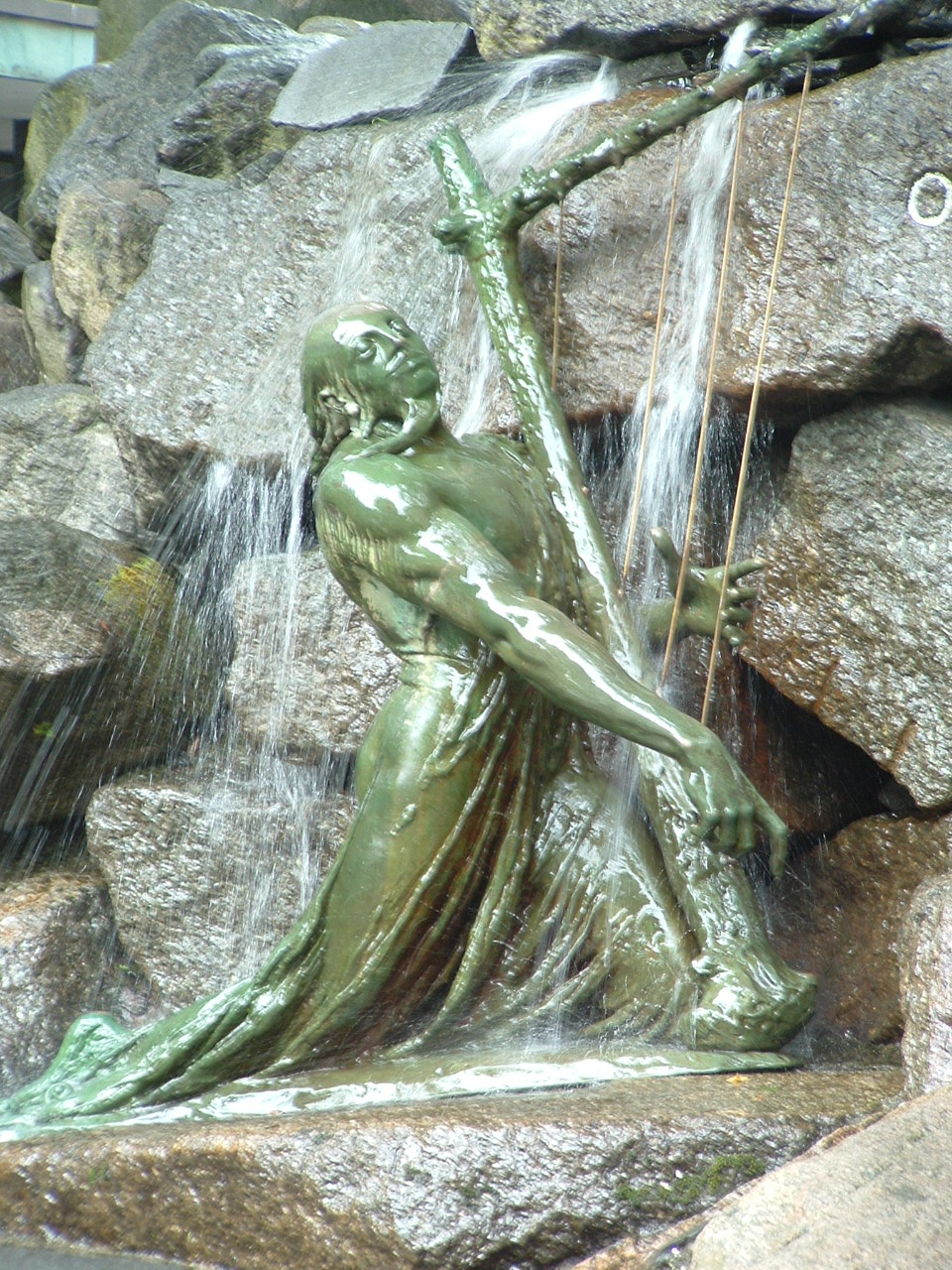 🇳🇴 Norway and 1 moreFossegrim
A Scandinavian water spirit known for teaching fiddle music in exchange for offeringsBeing · Power and authority Legendary
 🇬🇧 United Kingdom and 1 moreChurch grim
A guardian spirit of Christian churchyards, often appearing as a black dog or lamb.Being · Protection Historical
🇮🇪 IrelandFetch
A spectral double whose appearance signals death or long lifeBeing · Seeing and foretelling Historical
🇷🇸 Serbia and 1 moreDrekavacДрекавац
A South Slavic night creature born from unbaptised souls or sinnersBeing · Cursing and harm Legendary
 🇯🇵 JapanKappa河童
A river-dwelling yōkai known for its head dish and love of cucumbersBeing · Cursing and harm · Wonder and entertainment Legendary
 🇯🇵 JapanTengu天狗
Japanese mountain spirits that evolved from ominous birds into protective forest guardians.Being · Cursing and harm · Protection Legendary
 🇸🇪 Sweden and 2 moreFreyja
Norse goddess of love, war, and seiðr magic who rides a chariot pulled by catsBeing · Love and attraction · Seeing and foretelling Legendary
 🇮🇳 India and 5 morePretaप्रेत
A suffering spirit of Indian and Asian belief, often called a hungry ghostBeing · Speaking with spirits and the dead · Change and initiation Living
 🇯🇵 JapanTsukumogami付喪神
Household objects that gain a spirit after reaching their hundredth year in Japanese folklore.Being · Cursing and harm Historical
 🇬🇧 United KingdomBrowniebrùnaidh
A nocturnal household spirit from Scottish folklore that performs chores in exchange for offerings.Being · Protection · Luck and prosperity Legendary
 🇪🇸 Spain and 5 moreDuende
A humanoid spirit of Iberian and Latin American folklore, ranging from helpful to mischievous.Being · Protection · Cursing and harm Living
🇯🇵 JapanIttan-momen一反木綿
A flying cloth yōkai from Japanese folklore that warns children to stay indoors at nightBeing · Cursing and harm Legendary
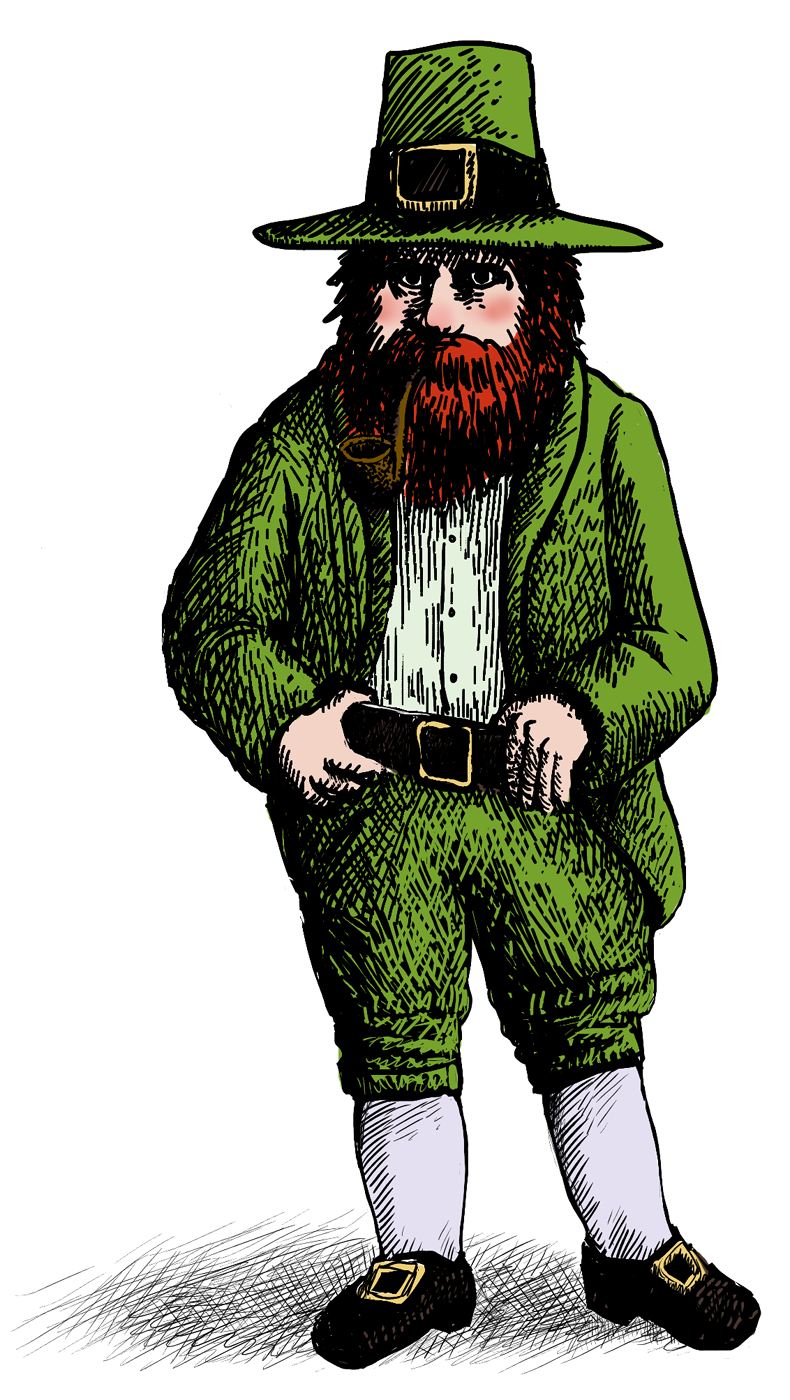 🇮🇪 Ireland and 1 moreLeprechaunlucharachán / leipreachán / luchorpán
A solitary Irish fairy known for mischief and shoe-makingBeing · Wonder and entertainment Legendary
🇮🇩 Indonesia and 3 moreToyoltuyul
An undead infant spirit in Southeast Asian folklore, invoked for theft and fortune.Being · Luck and prosperity · Cursing and harm Living
 🇧🇷 BrazilBoitatá
A fiery serpent of Brazilian folklore that guards forests or frightens childrenBeing · Protection · Cursing and harm Living
🇬🇧 United KingdomBarghest
A mythical black dog from Northern England that foretells death and haunts the countryside.Being · Seeing and foretelling · Cursing and harm Legendary
 🇮🇳 India and 3 moreSpirit
An invisible force or soul found in many cultures, linked to gods, humans, and nature.Being · Speaking with spirits and the dead · Power and authority Living
🇬🇷 GreeceBaba Yaga (sample)Баба-яга
A witch of Slavic tales who lives in a hut on legs.Figure · Change and initiation Legendary
 🇮🇳 India and 2 moreBhootभूत
A restless spirit of the dead in South Asian belief and folkloreBeing · Cursing and harm · Protection Living
 🇬🇷 Greece and 4 moreKallikantzarosκαλικάντζαρος
A malevolent goblin that dwells underground and surfaces during the twelve days of Christmas.Being · Cursing and harm · Luck and prosperity Historical
 🇬🇧 United KingdomPuck
A mischievous domestic sprite of English folklore known for practical jokes and household choresBeing · Cursing and harm · Luck and prosperity Legendary
 🇨🇳 ChinaJin Chan金蟾
A three-legged toad charm used in feng shui to attract wealth and guard against bad luckBeing · Luck and prosperity · Protection Living
 🇷🇸 Serbia and 5 moreZduhaćздухаћ
A South Slavic belief in men who fight storms and hail to protect their cropsBeing · Protection · Cursing and harm Historical
🇮🇳 India and 1 morePichal periਪਿੱਛਲ ਪੈਰੀ
A backward-footed female spirit of northwestern South Asia and Central AsiaBeing · Cursing and harm Legendary
 🇮🇹 ItalyBadaliscBadalisch
A mythical goat-headed creature from the Italian Alps, captured and mocked during Epiphany celebrations.Being · Cursing and harm · Wonder and entertainment Living
🇹🇹 Trinidad and Tobago and 5 moreSoucouyant
A shape-shifting vampire spirit of Caribbean folklore that sheds its skin to fly as a fireballBeing · Cursing and harm Living
🇳🇴 Norway and 1 moreTroll cat
A familiar spirit in Nordic folklore blamed for stealing milk and cream from farmsBeing · Cursing and harm Legendary
 🇺🇸 United States and 2 moreRougarou
A lycanthrope legend from French-speaking communities in North AmericaBeing · Cursing and harm Legendary
🇷🇴 Romania and 2 moreSolomonariȘolomonar
A Romanian weather wizard who rides a dragon and controls the storms.Being · Cursing and harm · Luck and prosperity Legendary
 🇹🇼 Taiwan and 1 moreOng Yah王爺 (Ông-iâ)
Royal Lord deities of Fujian and Taiwan who tour the land, driving out diseaseBeing · Protection · Healing Living
🇯🇵 JapanMisaki御先
Japanese spirit-like entities that serve gods or possess humans with illness and calamityBeing · Cursing and harm · Speaking with spirits and the dead Living
 🇺🇸 United StatesThe Gray Man
A coastal ghost from South Carolina said to warn of hurricanesBeing · Protection Living
🇦🇿 AzerbaijanBastyBasdı
A group of evil spirits and goblins from Turkic folklore in Anatolia.Being · Cursing and harm Legendary
🇬🇧 United KingdomWirry-cow
A Scottish folk figure representing a frightening object or spiritBeing · Cursing and harm Historical
🇬🇧 United KingdomMadam Pigott
A White Lady ghost of Shropshire who haunts roads and rides on horsesBeing Historical
🇵🇱 Poland and 1 moreDydko
A Polish folk creature evolved from a Slavic house demon into a night-time scarecrow.Being · Cursing and harm Legendary
Photo credits on this page
The small pictures above come from Wikimedia Commons under free licences. Some are cropped to fit.
- Jin Chan: Tristanb, CC BY-SA 3.0, source
- Ceridwen: Chris Denny, CC BY-SA 2.0, source
- Baku: Momotarou2012, CC BY-SA 3.0, source
- Tsukumogami: Unknown author, Public domain, source
- Yōkai: Kyosai Kawanabe (河鍋 暁斎), Public domain, source
- Church grim: Inès Lee, CC BY-SA 4.0, source
- Tengu: Katsushika Hokusai, Public domain, source
- Freyja: John Bauer, Public domain, source
- Maximón: Sapfan (Jan Pesula), Public domain, source
- Dongyue Dadi: H2v5o68z, CC0, source
- Puck: Joseph Noel Paton, Public domain, source
- Fossegrim: Bjørn som tegner, CC BY-SA 3.0, source
- Kappa: Unknown author, CC0, source
- Duende: René Mayorga, CC BY-SA 2.0, source
- Leprechaun: Unknown author, FAL, source
- Rangda: Boy Lawson, CC BY-SA 3.0, source
- Bhoot: Anilbhardwajnoida, CC BY-SA 3.0, source
- Brownie: Unknown author, CC BY-SA 2.5, source
- Preta: Temple, Richard Carnac, Sir, Public domain, source
- Xiezhi: Carty239 at English Wikipedia, Public domain, source
- Wind Horse: Clemensmarabu, CC BY-SA 3.0, source
- Penanggalan: Hi I really try my best here, CC BY-SA 4.0, source
- The Gray Man: Phoebe, CC BY-SA 4.0, source
- Kallikantzaros: Katolophyromai, CC BY-SA 4.0, source
- Zduhać: Bidgee, CC BY-SA 3.0, source
- Nurarihyon: Brigham Young University, CC BY-SA 4.0, source
- Boitatá: The ponta cabeça, CC BY-SA 4.0, source
- Badalisc: Luca Giarelli, CC BY-SA 3.0, source
- Spirit: Jastrow, Public domain, source
- Rougarou: XxxJohnDoExxxx, CC BY-SA 4.0, source
- Ong Yah: Suzuki1314 at Chinese Wikipedia, Public domain, source
- Blue men of the Minch: Lord P in the Commons 17:16, 17 June 2007 (UTC), CC BY-SA 3.0, source