Priests and ritual specialists
Officiants of a religion who perform rites, blessings and exorcisms within it.
Priests and ritual specialists are the officiants of an organised religion who perform its blessings, protective rites and exorcisms. Many religions keep a place for what looks like magic inside the faith, such as the Hindu pandit's fire offering, the Catholic exorcist, the Tibetan lama's protection rites, the Shinto kannushi's purification, the Jewish ba'al shem and the Muslim imam reciting ruqyah. This page looks at how institutions handle power they regard as legitimate.
Rite and authority
Priestly rites are defined by tradition and lineage. A Hindu priest is born into or trained in a ritual line, a Catholic priest is ordained, a Shinto priest is trained at a recognised school. The authority comes from the institution and not from a personal gift. Priests commonly describe their work as worship and prayer, and not as magic, a distinction scholars say is often contested. The line is not the same everywhere: a rite that one tradition calls a blessing, another may call a spell.
Magic or religion
Scholars once drew a line: religion asks and magic compels. Later writers dropped the line as unworkable, since prayer, sacrifice and compulsion overlap in most traditions. The Catholic Church has a formal rite of exorcism, revised in 1999 and carried out by authorised priests, and a long tradition of blessings. Medieval Christians believed sacramental items such as holy water had power, which Protestants later rejected as superstition. They also keep records, calendars and texts, and in many societies priests were the first literate class.
Gender and exclusion
Priesthood is male in many traditions, including the Catholic and Orthodox churches and most Brahmin ritual. Women lead rites in Shinto, in Vodou and Candomblé, in Korean shaman practice, and in several Buddhist and Protestant settings. Class also shapes access: temple priests may refuse low-caste worshippers, and caste discrimination in temple access has been challenged in Indian courts. Within Christianity, the Catholic Church has had both a line of exorcists and a series of rules against selling blessings for money.
Misuse and reform
Priests have been accused of abuse in the name of deliverance, of exploiting the vulnerable for payment, and of staging miracles. Reform movements, such as the Protestant Reformation and the Arya Samaj in India, attacked priestly ritual. In many countries today, pastors in Pentecostal churches lead deliverance services that some scholars compare with older exorcism, with benefits for some and harm for others. Protestant, Salafi and modernist critics have often opposed ritual specialists as intermediaries who stand between a person and God.
Priests and ritual specialists on EveryJaadu
The entries written up so far, best known first.
 🇳🇬 Nigeria and 4 moreOshosiỌ̀ṣọ́ọ̀sì
A Yoruba orisha of hunting, forests and food, honoured in West Africa and BrazilBeing · Speaking with spirits and the dead · Power and authority Living
🇧🇬 Bulgaria and 5 moreApocryphal prayer
A folk prayer text blending church forms with apocrypha and incantations for protection and healingText · Protection · Healing Living
 🇮🇳 IndiaKathivanoor Veeran
A deified warrior of North Malabar, Kerala, whose legend is danced as a Theyyam riteFigure · Love and attraction · Speaking with spirits and the dead Living
 🇨🇺 Cuba and 1 moreInitiation in Santeríakariocha
The seven-day ceremony that makes a person a full practitioner of the Caribbean religion.Rite · Speaking with spirits and the dead · Power and authority Living
🇺🇸 United StatesPanthean Temple
A Wiccan and Pagan church in Connecticut and host of a large Beltaine festivalTradition · Speaking with spirits and the dead · Change and initiation Living
 🇧🇷 BrazilMãe-de-santo
A woman priest in Candomblé, Umbanda and QuimbandaTradition · Power and authority Living
 🇧🇷 Brazil and 1 moreIjexá
A Yoruba-derived rhythm central to Candomblé ritual and Brazilian carnival musicTradition · Speaking with spirits and the dead · Power and authority Living
 🇧🇷 BrazilIlê Axé Iyá Nassô Oká
A historic Candomblé Ketu temple in Salvador, Brazil, known for its heritage status and lineage of high priestesses.Tradition · Speaking with spirits and the dead · Power and authority Living
🇧🇷 Brazil and 1 moreZoogodô Bogum Malê Rundó
A historic Candomblé temple in Salvador that preserves the Jejé branch and Fon languageTradition · Speaking with spirits and the dead Living
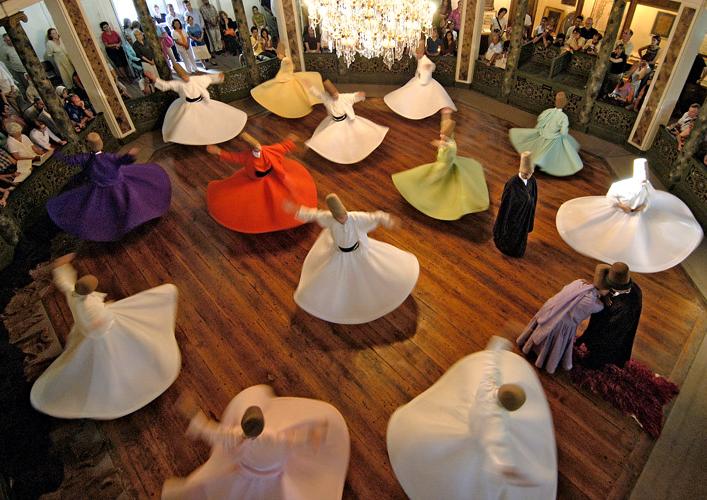 🇹🇷 Turkey and 3 moreSufi whirlingSemazen
A spinning meditation practiced by Sufi dervishes to reach spiritual connection with Allah.Tradition · Speaking with spirits and the dead · Love and attraction Living
 🇪🇬 EgyptSekhem scepter
An ancient Egyptian staff symbolizing power and authorityCharm · Power and authority Historical
 🇨🇳 China and 2 moreHu笏
A flat ceremonial baton used by East Asian officials and priests for ritual purposes.Charm · Power and authority · Wonder and entertainment Living
🇬🇧 United KingdomUwaisiأُوَيْس
A Sufi method of spiritual transmission between master and disciple without physical contact.Tradition · Speaking with spirits and the dead · Power and authority Living
🇬🇷 GreeceTrophoniusΤροφώνιος
A Greek hero turned subterranean oracle god at LebadeaFigure · Seeing and foretelling · Speaking with spirits and the dead Historical
 🇮🇳 India and 5 moreKaruppannaswamyகருப்பண்ணசாமி, കറുപ്പണ്ണസാമി
A fierce guardian deity worshipped as a village protector and ancestral enforcer of justice.Being · Protection · Healing Living
🇨🇦 Canada and 1 moreOdyssean Wicca
A Canadian Wiccan tradition focused on public priesthood and rigorous training.Tradition · Speaking with spirits and the dead · Power and authority Living
🇹🇷 Turkey and 3 moreSamaسماع
A Sufi ritual of listening, music, and whirling to reach spiritual ecstasyRite · Speaking with spirits and the dead · Change and initiation Living
🇮🇹 ItalyWitchcraft in Italy
Inquisition trials, a fertility cult and love magic in early modern ItalyTradition · Protection · Healing Living
 🇮🇷 Iran and 1 moreSraosha𐬯𐬭𐬀𐬊𐬴𐬀
Zoroastrian yazata of obedience and prayer who guards the world from evil spiritsBeing · Protection · Speaking with spirits and the dead Living
 🇨🇺 Cuba and 5 moreLetra del añoLetra del año (Spanish); Letra do ano (Portuguese)
An annual set of predictions and advice from Ifá priests for the coming yearTradition · Seeing and foretelling · Luck and prosperity Living
🇹🇷 Turkey and 4 moreSufi whirlingSemazen
A spinning meditation practiced by Sufi dervishes to reach spiritual connection through music and movement.Rite · Speaking with spirits and the dead · Change and initiation Living
 🇮🇳 IndiaTormaགཏོར་མ
Sculpted offerings of flour and butter used in Tibetan Buddhist ritualsTradition · Speaking with spirits and the dead · Protection Living
🇮🇱 IsraelEphodאֵפוֹד
A priestly apron of ancient Israel, worn for ritual and used to seek answersCharm · Seeing and foretelling · Speaking with spirits and the dead Historical
 🇺🇸 United States and 2 moreNew Orleans Voodoo Revival
A late-20th-century religious movement in New Orleans blending Haitian and Cuban traditions with local history.Tradition · Protection · Healing Living
 🇧🇷 Brazil and 1 moreCandomblé Angola
A branch of Candomblé in Brazil honouring Nzambi and the divinities called NkisiTradition · Speaking with spirits and the dead · Protection Living
 🇯🇵 JapanKayu ura粥占
A Japanese Shinto divination ritual using rice or bean gruel to predict the harvest.Rite · Seeing and foretelling · Luck and prosperity Living
 🇲🇽 Mexico and 4 moreMirrors in Mesoamerican culture
Reflective stones used for divination and elite status across ancient Mexico and Central AmericaCharm · Seeing and foretelling · Power and authority Historical
🇯🇵 JapanAzusa Yumi梓弓
A sacred bow made from cherry birch wood, used in Shinto rituals to ward off spirits.Charm · Protection · Wonder and entertainment Living
🇳🇬 NigeriaAfa
A divining art of the Igbo, cast by a dibia to name the cause of troubleOracle · Seeing and foretelling · Speaking with spirits and the dead Living
 🇬🇷 GreeceNebrisνεβρίς
A fawn skin worn by Dionysus and his followers in ancient GreeceCharm · Protection Historical
 🇨🇳 ChinaYao folk religion梅山教
The ethnic religion of the Yao, blended with Taoism since the 13th centuryTradition · Protection · Cleansing and purification Living
 🇯🇵 JapanHoshi Matsuri星まつり
A Buddhist ritual to honor stars and pray for protection from disasterRite · Protection · Luck and prosperity Living
🇲🇱 MaliBinouba-binu
A secret Dogon order honoring ancestors through totemic animals and ritual sacrifice in Mali.Tradition · Protection · Speaking with spirits and the dead Living
🇷🇴 RomaniaTanacu exorcism
A 2005 Romanian Orthodox ritual that ended in a nun's death and a murder convictionRite · Speaking with spirits and the dead · Cursing and harm Historical
🇳🇵 Nepal and 3 moreGurung ShamanismTamu Cho
The ancient shamanic beliefs and rituals of the Gurung people in NepalTradition · Protection · Speaking with spirits and the dead Living
 🇳🇬 NigeriaIroke Ifáìrọ́kẹ́ Ifá
A carved staff used by Yoruba diviners to mark time and invoke spirits during ritual sessionsCharm · Speaking with spirits and the dead · Power and authority Living
 🇬🇷 Greece and 3 morePalladium
A sacred image or object believed to guarantee the safety of a city or nationCharm · Protection Historical
🇭🇹 Haiti and 3 moreNago lwa
A Haitian Vodou nation of masculine spirits rooted in Yoruba traditionsBeing · Power and authority · Speaking with spirits and the dead Living
 🇮🇱 Israel and 1 moreUnclean spiritπνεῦμα ἀκάθαρτον (pneuma akatharton)
A spirit of impurity in biblical belief, driven out by breath, smoke and wordsBeing · Cleansing and purification · Cursing and harm Living
 🇯🇵 JapanOnmyōji陰陽師
Japanese court diviners who read yin-yang, stars and calendarsTradition · Seeing and foretelling · Luck and prosperity Historical
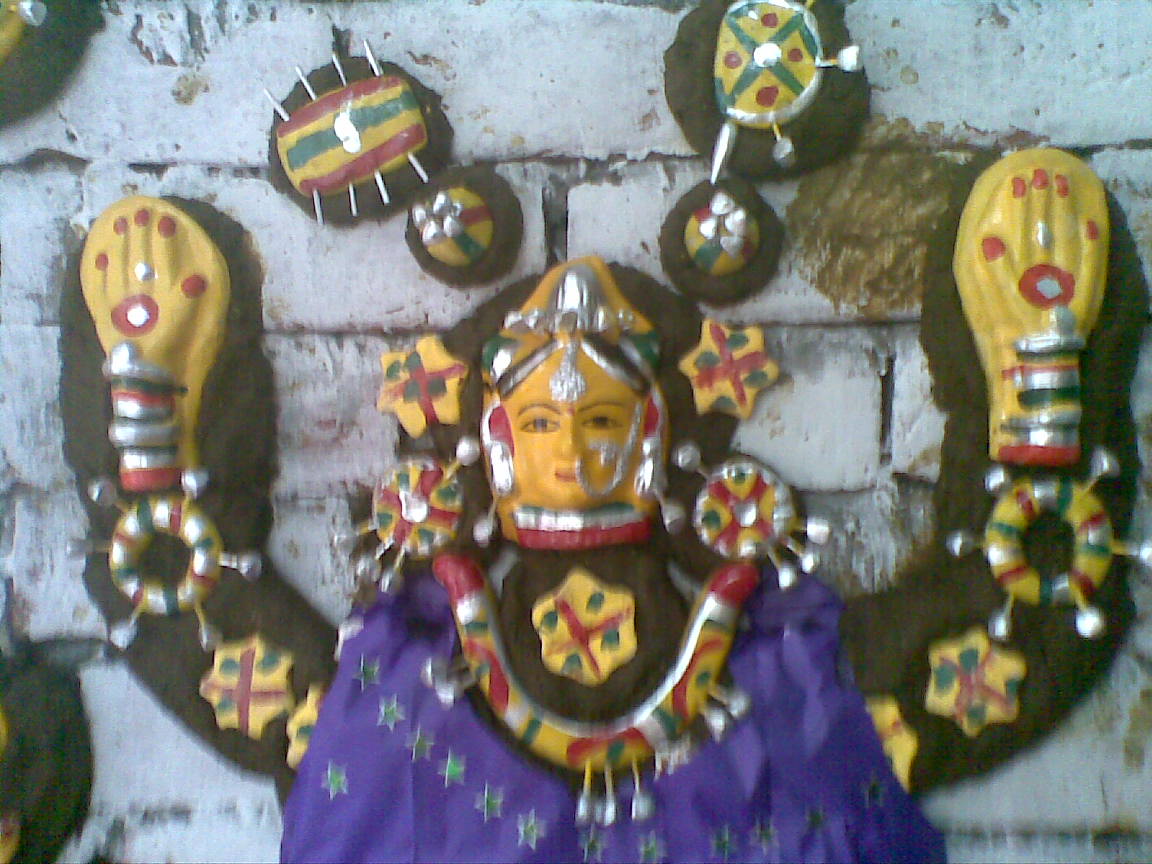 🇮🇳 IndiaSanjhi
A festival and art form honoring a mother goddess through clay images and colored designsTradition · Love and attraction · Luck and prosperity Living
 🇨🇳 China and 1 moreFangxiangshi方相氏
An official Chinese exorcist who cleared demons from houses and tombsRite · Protection · Cleansing and purification Living
 🇲🇹 Malta and 2 moreDevotional medal
Small metal pieces made and worn for Christian devotionCharm · Protection Living
🇲🇽 MexicoTeotlaqualli
A hallucinogenic paste used by Aztec priests and healers in the pre-Columbian era.Substance · Speaking with spirits and the dead · Healing Historical
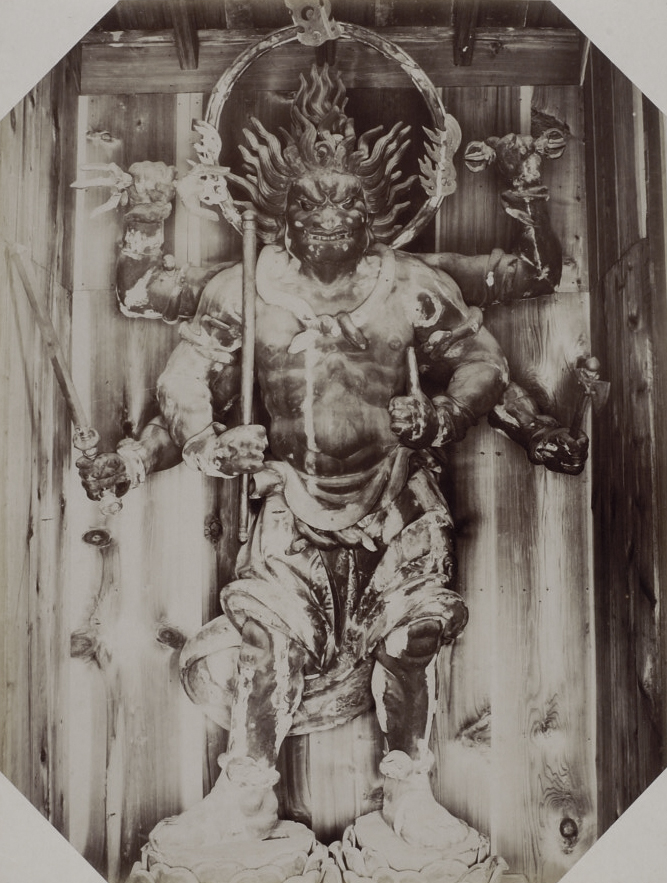 🇯🇵 JapanDaigensuihō大元帥法
An Esoteric Shingon Buddhist rite for military defense and cursing enemiesRite · Cursing and harm · Protection Historical
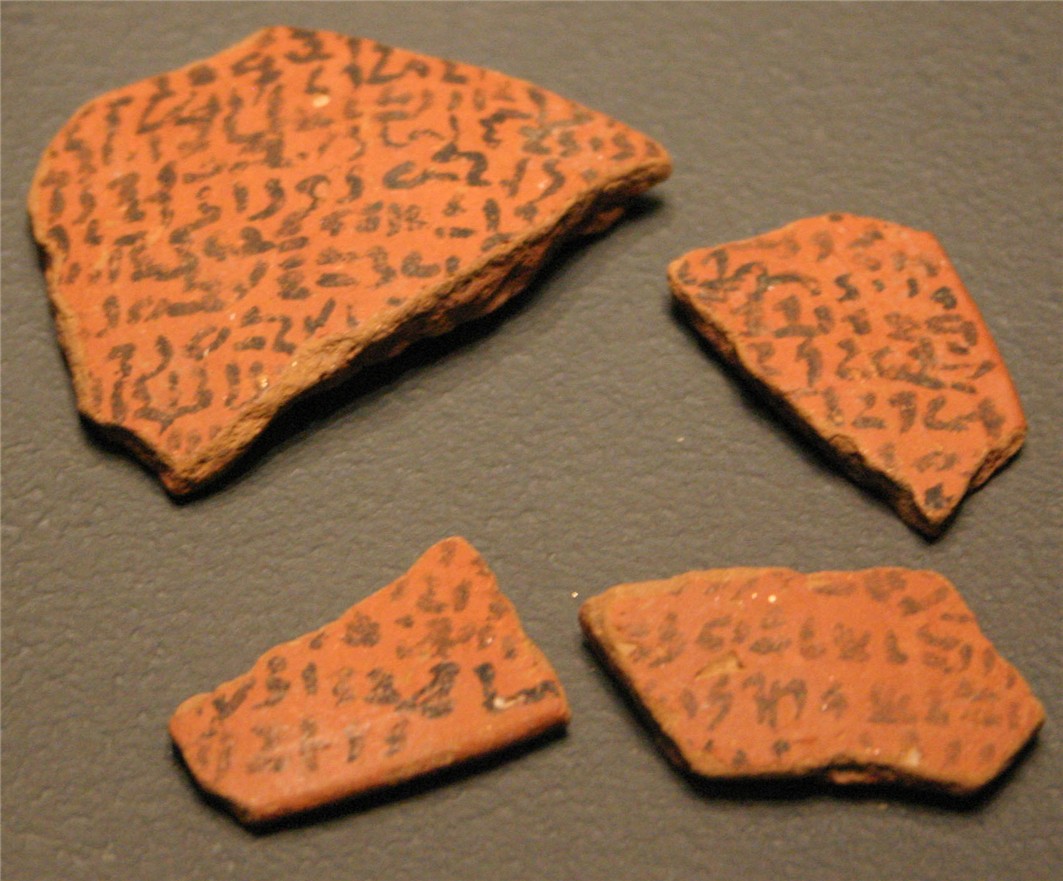 🇪🇬 Egypt and 4 moreExecration texts
Ancient Egyptian magical texts inscribed on objects to be destroyed, targeting enemies of the state.Text · Protection · Cursing and harm Historical
 🇫🇷 FranceLoudun possessionsaffaire des possédées de Loudun
A 17th-century witchcraft trial in France involving alleged demonic possession by Ursuline nuns.Belief · Cursing and harm · Speaking with spirits and the dead Historical
Photo credits on this page
The small pictures above come from Wikimedia Commons under free licences. Some are cropped to fit.
- Oshosi: Picture taken by Eurico Zimbres, CC BY-SA 2.5, source
- Initiation in Santería: Ji-Elle, CC BY-SA 4.0, source
- Mãe-de-santo: Antônio Milena/ABr, CC BY 3.0 br, source
- Ijexá: Alex@Eddi ( Diskussion ), CC BY-SA 3.0, source
- Ilê Axé Iyá Nassô Oká: Toluaye, Public domain, source
- Sufi whirling: myself, Public domain, source
- Sraosha: Tahmasp I, CC0, source
- Egungun: Ìṣẹ̀ṣeAssembly, CC BY-SA 4.0, source
- Torma: John Hill, CC BY-SA 4.0, source
- Candomblé Angola: autor desconhecido, CC BY-SA 3.0, source
- Kayu ura: Yatukiyurei, CC BY-SA 4.0, source
- Nebris: Brygos Painter, Public domain, source
- Yao folk religion: Daderot, Public domain, source
- Onmyōji: Unknown author, Public domain, source
- Palladium: Marie-Lan Nguyen ( Jastrow ), Public domain, source
- New Orleans Voodoo Revival: Greg Willis, CC BY-SA 2.0, source
- Sanjhi: Veer jindal, CC BY-SA 3.0, source
- Daigensuihō: Kamakura-period artist; photo by Kudo Risaburo (工藤利三郎), Public domain, source
- Kathivanoor Veeran: Uajith, CC BY-SA 4.0, source
- Karuppannaswamy: GShas, CC0, source
- Mirrors in Mesoamerican culture: Vassil, CC0, source
- Hoshi Matsuri: Anonymous ( Japan ) Unknown author, CC0, source
- Devotional medal: Xhienne, CC BY-SA 3.0, source
- Execration texts: Naunakhte, CC BY-SA 3.0, source
- Loudun possessions: Unknown author, Public domain, source
- Iroke Ifá: OmoAyan, CC BY 4.0, source
- Sekhem scepter: Maler der Grabkammer der Nefertari, Public domain, source
- Hu: Zhangzhugang, CC BY-SA 4.0, source
- Unclean spirit: David Shankbone, CC BY-SA 3.0, source
- Fangxiangshi: Gary Todd, CC0, source