Festivals: practices that mark them
Samhain, Nowruz fire, Day of the Dead, Walpurgis night and the other days of the magic calendar.
Festivals are the days when a community performs its magic in public. Samhain and Halloween, Walpurgis night, Midsummer, Beltane, Day of the Dead, Nowruz fire-jumping, Diwali, Chinese Ghost Festival, Obon in Japan, Songkran, Carnival and the Burning Man gathering all combine religion, play and custom. This page asks what they do for communities and how they have changed. Many of them are tied to the moon or the sun, and they set the shared calendar of a village or a nation.
Fire, the dead and the season
Festivals cluster around turning points of the year. Fire is common: bonfires on Midsummer in Europe, Chaharshanbe Suri in Iran, Holika in India. The dead return in many: Samhain in Ireland, Obon in Japan, the Day of the Dead in Mexico, the Hungry Ghost Festival in China. In each, offerings of food, light and welcome are set out. Many involve masks, drums, processions and a shared meal, so that rites for protection and fertility become collective events open to the whole village.
Order and inversion
Many festivals allow a licensed breach of the rules. Carnival turns social order upside down, and masquerades in West Africa, such as Egungun among the Yoruba, bring ancestors to the village in cloth. Anthropologists see this as a way to renew order. Some, such as Holi, blur class lines for a day, though real divisions often persist. Within each festival there is usually a night when the dead or the spirits are thought to be close, and a day of celebration after it.
Church and state
Authorities have banned, absorbed and taxed festivals. The Church placed All Saints on the first of November and recast older rites. Puritan England banned Christmas for a time. Communist states discouraged ancestor and spirit festivals, while modern governments often list them as cultural heritage and promote them for tourism. Mexico's Day of the Dead was inscribed by UNESCO in 2008. Many are marked by a day of rest, a shared meal and the lighting of lamps or fires, and children often take a lively role.
Spectacle and respect
Large festivals bring crowds, risk and commerce. Halloween is now a global market, and parts of the Day of the Dead have been staged for visitors and film. Communities often ask guests to behave as guests, especially at rites for the dead or at sacred sites. Safety around fire, crowds and costume deserves care. Anthropologists observe that festivals teach each new generation what the community values, and that changes in a festival often show changes in the community.
Festivals on EveryJaadu
The entries written up so far, best known first.
 🇸🇳 Senegal and 5 moreVeneration of the dead
Rituals of respect and offerings for ancestors across global culturesTradition · Protection · Speaking with spirits and the dead Living
🇮🇳 IndiaNew moon cleansing (sample)
Smoke and water used to mark a lunar month.Rite · Cleansing and purification Fading
 🇬🇷 Greece and 4 moreKallikantzarosκαλικάντζαρος
A malevolent goblin that dwells underground and surfaces during the twelve days of Christmas.Being · Cursing and harm · Luck and prosperity Historical
 🇮🇳 IndiaSanamahismꯁꯅꯥꯃꯍꯤ ꯂꯥꯏꯅꯤꯡ
The polytheistic ethnic religion of the Meitei people of Manipur, IndiaTradition · Protection · Speaking with spirits and the dead Living
 🇮🇹 ItalyBadaliscBadalisch
A mythical goat-headed creature from the Italian Alps, captured and mocked during Epiphany celebrations.Being · Cursing and harm · Wonder and entertainment Living
 🇱🇦 Laos and 3 moreTai folk religionສາສະໜາຜີ
Spirits, ancestor rites, and soul-calling ceremonies of the Tai peoplesTradition · Protection · Healing Living
 🇹🇼 Taiwan and 1 moreOng Yah王爺 (Ông-iâ)
Royal Lord deities of Fujian and Taiwan who tour the land, driving out diseaseBeing · Protection · Healing Living
 🇪🇬 Egypt and 2 moreLecanomancy
Divination using a dish or bowl of water to read the futureOracle · Seeing and foretelling · Luck and prosperity Historical
 🇻🇳 Vietnam and 2 moreVietnamese numismatic charmsBùa Việt Nam
Coin-shaped charms used for protection, luck, and ritual in Vietnamese cultureCharm · Protection · Luck and prosperity Historical
 🇹🇹 Trinidad and Tobago and 4 moreTrinidad Orisha
A syncretic Afro-Caribbean faith blending Yoruba spirit work with Christian and other traditions in Trinidad.Tradition · Speaking with spirits and the dead · Healing Living
🇯🇵 Japan and 2 moreJapanese numismatic charm絵銭
Coin-shaped charms from Japan used for protection, luck, and blessings.Charm · Protection · Luck and prosperity Living
🇮🇱 IsraelSegulaסגולה
A Jewish charm or ritual believed to bring protection, healing, or blessings.Charm · Protection · Healing Living
 🇺🇸 United StatesAtheistic Satanism
A non-theistic approach to Satan as a symbol of human nature and resistanceTradition · Power and authority · Wonder and entertainment Living
 🇩🇪 Germany and 1 moreEaster Bunny
A German folkloric hare that judges children and delivers colored eggs for EasterBeing · Luck and prosperity · Wonder and entertainment Living
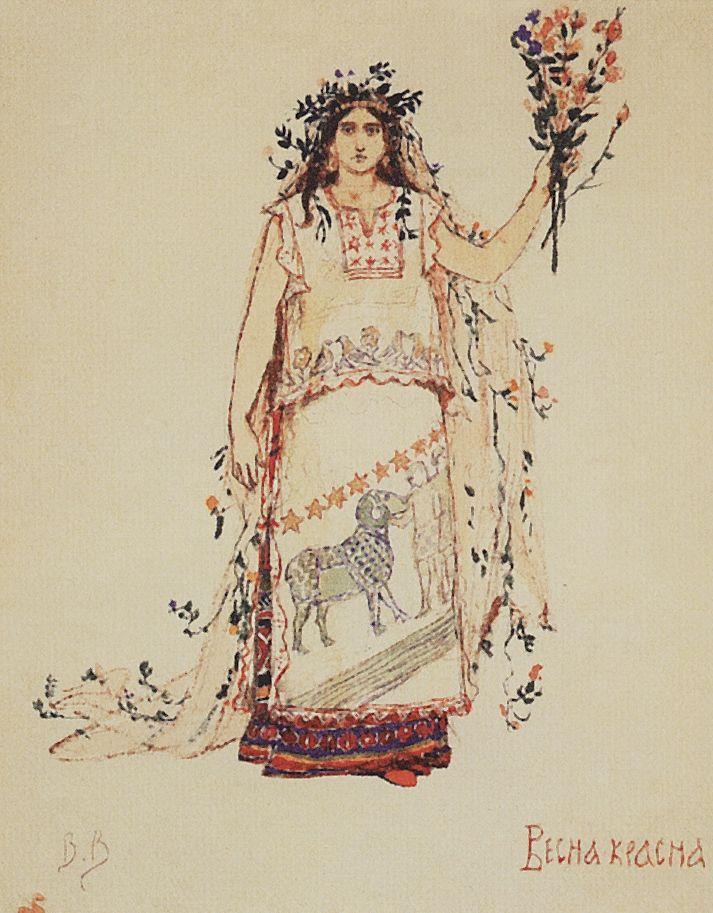 🇸🇮 Slovenia and 5 moreVesnaВесна
A Slavic personification of spring and youth, known in myth and languageFigure · Luck and prosperity Historical
 🇷🇺 Russia and 12 moreOgnyena MariaОгнена Марија
A Slavic fire goddess linked to lightning, rain, and seasonal fire bansFigure · Protection · Healing Living
 🇮🇹 Italy and 5 moreSaint Michael
A Christian archangel who defends the faithful and weighs soulsBeing · Protection · Cursing and harm Living
 🇷🇴 Romania and 1 moreSânziană
Romanian fairies and a summer solstice festival of flowers and magicBeing · Protection · Love and attraction Living
 🇺🇦 Ukraine and 5 moreNative Ukrainian National FaithРідна Українська Національна Віра
A monotheistic Slavic religion founded by Lev Sylenko among the diaspora in North America.Tradition · Protection · Speaking with spirits and the dead Living
 🇨🇳 ChinaBenzhuism本主教
The indigenous patron worship of the Bai people in Yunnan, ChinaTradition · Protection · Healing Living
 🇮🇳 IndiaKadangot Makkam
A North Malabar goddess who became a deity after being killed by her brothers.Being · Protection · Love and attraction Living
 🇮🇳 IndiaPoomala Bhagavathy
A Hindu goddess of North Malabar, revered as the family deity of the Thiyya community.Being · Love and attraction · Luck and prosperity Living
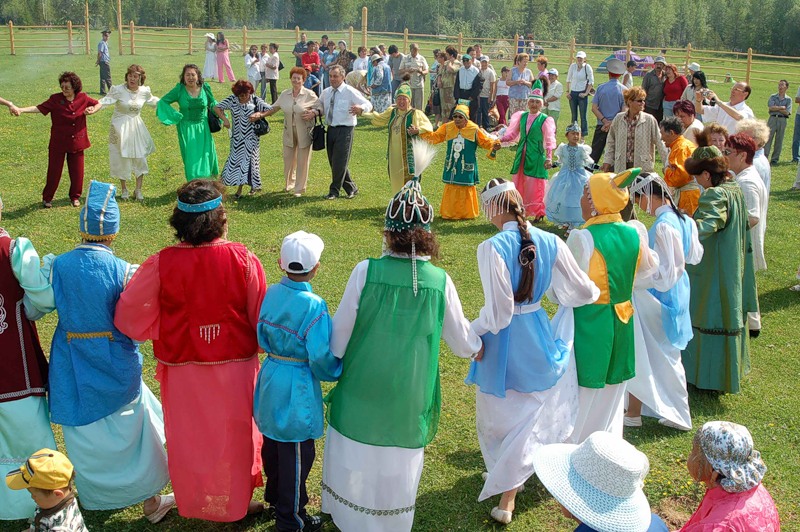 🇷🇺 RussiaYhyakhЫһыах
A summer solstice festival of the Sakha people marking the new year and nature's returnTradition · Luck and prosperity · Speaking with spirits and the dead Living
🇮🇷 IranFaravaharفَرَوَهَر
Zoroastrian guardian spirits: ancestor-warriors and each person's unseen twinBeing · Protection · Speaking with spirits and the dead Living
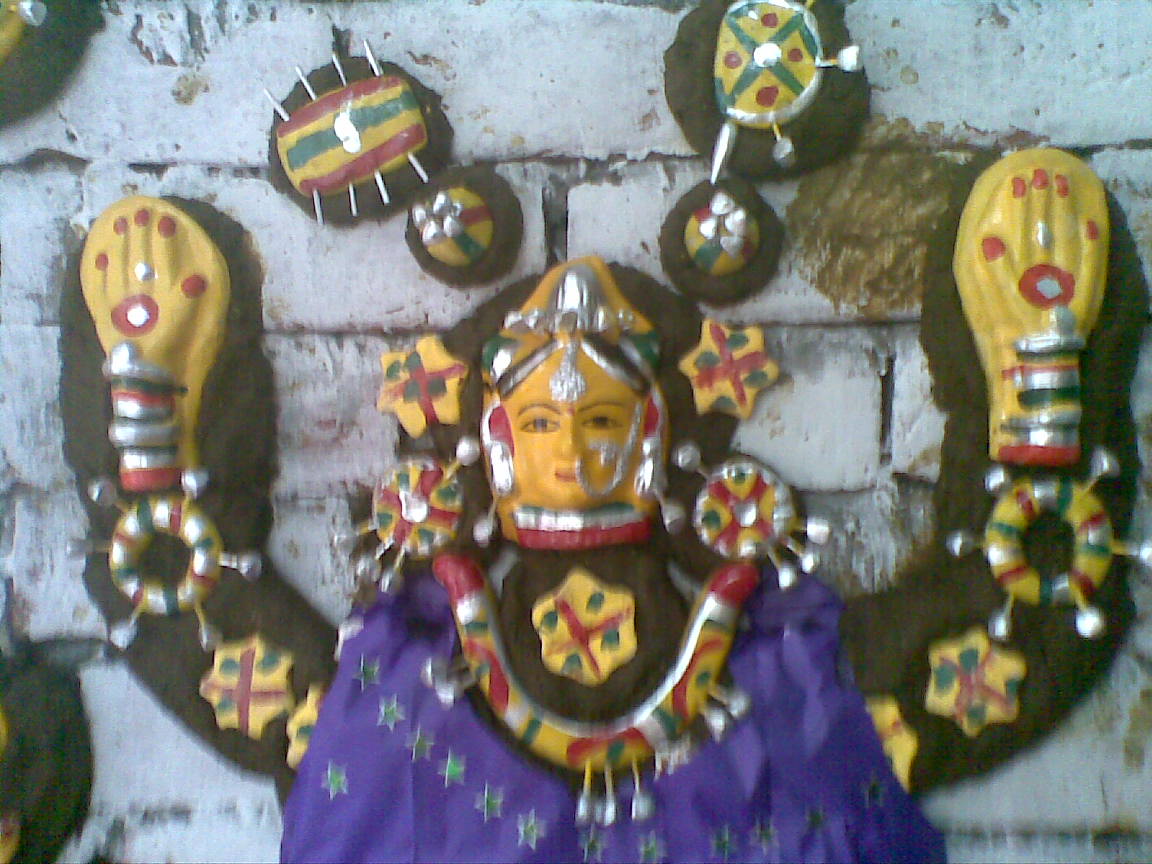 🇮🇳 IndiaSanjhi
A festival and art form honoring a mother goddess through clay images and colored designsTradition · Love and attraction · Luck and prosperity Living
 🇩🇪 Germany and 5 moreLutzelfrau
A German Alpine witch who brings fruit or punishes childrenFigure · Protection · Cursing and harm Living
 🇭🇹 HaitiHaitian CarnivalKanaval
A major Caribbean festival of music, dance, and satire leading to Mardi Gras in HaitiTradition · Wonder and entertainment · Luck and prosperity Living
🇮🇳 IndiaTribal religions in India
Indigenous spiritual practices of India's Scheduled Tribes, often grouped under Hinduism in official records.Tradition · Speaking with spirits and the dead · Protection Living
 🇮🇹 ItalyFascinusfascinum
A Roman phallus image and charm, kept to turn away envyBeing · Protection · Luck and prosperity Historical
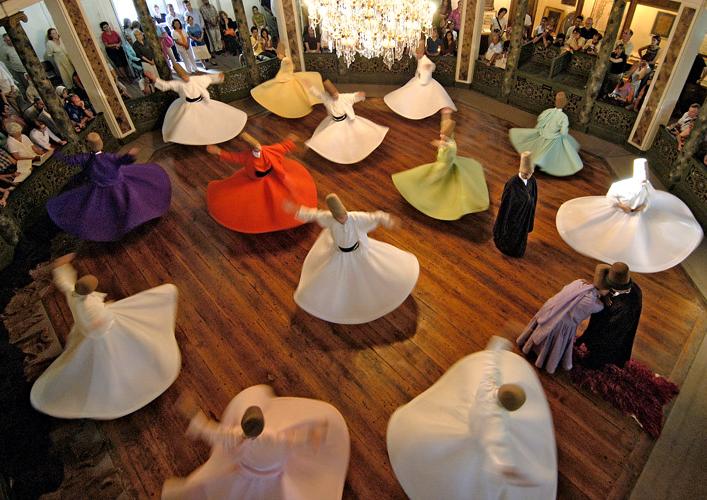 🇹🇷 Turkey and 4 moreSufi whirlingSemazen
A spinning meditation practiced by Sufi dervishes to reach spiritual connection through music and movement.Rite · Speaking with spirits and the dead · Change and initiation Living
🇫🇮 Finland and 2 moreSaint Knut's Daytjugondag jul; nuutinpäivä
A January festival ending the Christmas season with tree removal and traditional visits.Rite · Cleansing and purification Living
 🇩🇪 Germany and 5 moreCompanions of Saint Nicholas
Dark figures who accompany the gift-bringer to discipline children across Central EuropeFigure · Cursing and harm · Luck and prosperity Living
 🇭🇹 HaitiChristian-Vodou
The blending of Haitian Vodou and Roman Catholicism into a single spiritual practiceTradition · Speaking with spirits and the dead · Protection Living
 🇩🇿 AlgeriaMawsimموسم
Annual Maghrebi festival blending Sufi veneration with social and economic gatheringTradition · Speaking with spirits and the dead · Luck and prosperity Living
🇨🇲 CameroonJengu
Water spirits of Cameroon's coastal peoples, linked to healing and fateBeing · Protection · Healing Living
 🇮🇳 IndiaChhapar Mela
A three-day Punjabi fair for Gugga, a hero of legend said to command snakesRite · Protection · Healing Living
🇮🇷 IranFāl-gūshفالگوش
A Persian divination custom of listening to strangers' words for omensRite · Seeing and foretelling Historical
 🇪🇬 Egypt and 5 moreWorship of heavenly bodies
Veneration of stars, planets, and the sky as divine forces or deitiesTradition · Protection · Power and authority Historical
 🇷🇺 Russia and 2 moreBesomвеник
A twig broom used for sweeping, folk magic, and fire responseCharm · Protection · Wonder and entertainment Living
 🇷🇸 Serbia and 2 moreBibiBibijako Dive
A Romani holiday honoring a protective aunt figure for family and children's healthRite · Protection · Healing Living
 🇮🇳 IndiaMomaiમોમાઈ માં
A four-armed Kutch goddess on a camel, kept as a family deityBeing · Luck and prosperity Living
 🇮🇪 Ireland and 1 moreAos Sí
Irish supernatural beings linked to ancient gods and burial moundsBeing · Protection Living
🇦🇷 Argentina and 1 moreSan Baltasar
A folk saint of African origin, honoured in Argentina with drums and dance on 6 JanuaryFigure · Protection · Speaking with spirits and the dead Living
 🇮🇳 India and 1 moreFolk practices in Punjab
Indigenous beliefs and rituals of the Punjabi people across India and PakistanTradition · Protection · Healing Living
 🇮🇳 India and 1 moreRoshni Mela
A three-day fair of earthen lamps and prayers held at a Sufi shrine in Punjab.Tradition · Protection · Luck and prosperity Living
 🇩🇪 GermanyFeldgeist
German folk creatures tied to crops, weather and harvest ritualsBeing · Cursing and harm · Luck and prosperity Historical
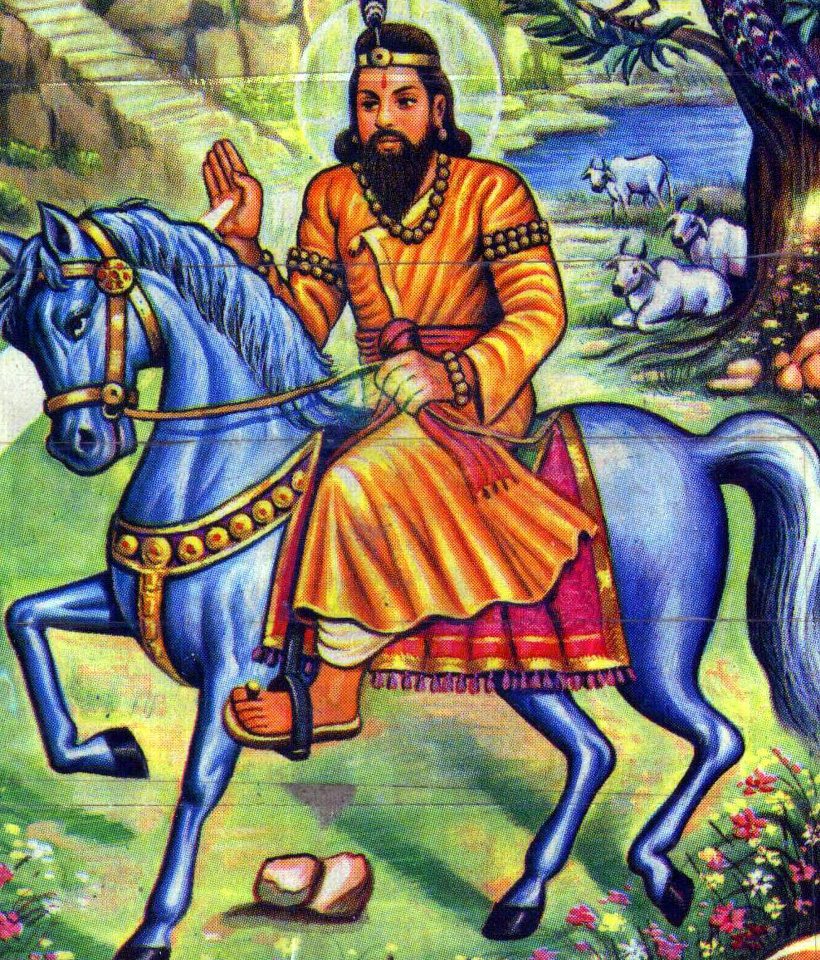 🇮🇳 IndiaBaba Mohan Ramबाबा मोहन राम
A folk form of Krishna worshipped at a cave shrine with a flame that never diesBeing · Healing · Luck and prosperity Living
🇺🇦 Ukraine and 5 moreBullroarer
A wooden slat on a string that produces a roaring sound for ritual and communication.Tradition · Protection · Speaking with spirits and the dead Living
Photo credits on this page
The small pictures above come from Wikimedia Commons under free licences. Some are cropped to fit.
- Poomala Bhagavathy: Ajeeshkumar4u, CC BY-SA 4.0, source
- Tuatha Dé Danann: John Duncan, Public domain, source
- Yhyakh: Humano92, Public domain, source
- Sanjhi: Veer jindal, CC BY-SA 3.0, source
- Lutzelfrau: Karel Rozum, Public domain, source
- Haitian Carnival: User:Doron, CC BY-SA 3.0, source
- Egungun: Ìṣẹ̀ṣeAssembly, CC BY-SA 4.0, source
- Haitian Vodou and homosexuality: Calvin Hennick, for WBUR Boston, CC BY 3.0, source
- Fascinus: Vassil, Public domain, source
- Sufi whirling: myself, Public domain, source
- Ognyena Maria: Unknown author, Public domain, source
- Companions of Saint Nicholas: unknown, unreadable signature on bottom right hand side, Public domain, source
- Mawsim: Beghdadi Walid, CC BY-SA 4.0, source
- Chhapar Mela: Stalinjeet, CC BY-SA 4.0, source
- Worship of heavenly bodies: Jean-Pierre Dalbéra, CC BY 2.0, source
- Besom: https://en.wikipedia.org/wiki/David_Cox_(artist), Public domain, source
- Bibi: Andrija12345678, CC BY-SA 4.0, source
- Sânziană: Saturnian, CC BY-SA 3.0, source
- Momai: Oatsjvs, CC BY-SA 4.0, source
- Saint Michael: Francesco Botticini, Public domain, source
- Native Ukrainian National Faith: Юлія Новосад, CC BY-SA 4.0, source
- Folk practices in Punjab: Veer jindal, CC BY-SA 3.0, source
- Roshni Mela: FatherofGod, CC BY-SA 4.0, source
- Badalisc: Luca Giarelli, CC BY-SA 3.0, source
- Feldgeist: Zwoelefant, CC BY-SA 3.0, source
- Baba Mohan Ram: Yajush Rao, CC BY-SA 4.0, source
- Atheistic Satanism: Crisco 1492, CC BY-SA 4.0, source
- Kadangot Makkam: Shagil Kannur, CC BY-SA 4.0, source
- Veneration of the dead: Anonymous ( Flemish ) Unknown author, Public domain, source
- Tai folk religion: ( เทวประภาส มากคล้าย ), Tevaprapas, Public domain, source
- Benzhuism: G41rn8, CC BY-SA 4.0, source
- Lecanomancy: Author Robert Burns Translator Alexander Smith Illustrator C. A. Vande, Public domain, source
- Vietnamese numismatic charms: Jean-Michel Moullec, CC BY 2.0, source
- Sanamahism: Kayia N, CC BY-SA 4.0, source
- Easter Bunny: Dr. Bernd Gross, CC BY-SA 3.0, source
- Kallikantzaros: Katolophyromai, CC BY-SA 4.0, source
- Vesna: Viktor Vasnetsov, Public domain, source
- Ong Yah: Suzuki1314 at Chinese Wikipedia, Public domain, source