Everyday use: practices that mark them
Small habits kept at home: the horseshoe, the salt over the shoulder, the evil-eye bead.
Everyday magic is the small habits kept at home: the horseshoe, salt over the shoulder, knocking on wood, the evil-eye bead, a lucky number, a morning prayer, the red thread, a bowl of water at the door, a charm in the car. People keep them without making much of them. This page looks at what these habits are, why they last and where they fit alongside religion and science. It is the commonest magic of all.
What it looks like
Daily practice is ordinary. In India, a lemon and chillies hang at shops, and a rangoli drawn at a doorstep welcomes luck. In Turkey, a nazar hangs near the door. In Britain, people say touch wood. In Japan, a lucky cat sits in the shop window, and in Mexico an egg may be rolled over a child. Many of these customs use cheap, available things. Many habits are older than the people who keep them, and nobody can say who started them.
Why people keep them
Researchers describe such habits as low-cost ways to cope with uncertainty. They give a feeling of control, mark boundaries and bring people together at little risk. Studies of lucky charms show they can raise confidence. Most people hold small customs with a light touch, half serious and half playful, and would not say they believe in them. Practices come in several types: some are protective, some bring luck, some help the household keep track of time and weather, and some are no more than a habit of speech.
Names, religion and class
Customs are shared across religions with different explanations. The evil eye is feared by Muslims, Christians, Jews and Hindus in the Mediterranean and beyond. Religious reformers often attack such customs, and educated people sometimes mock them as rural. Women do most of the work of keeping them going, within the home. The home is also where these customs meet money, since shops sell everything needed, and some of the items on sale are made far from their cultural homes.
Shops and screens
Ordinary habits are now a market of charms, apps, horoscopes and online readers. Small purchases are harmless, but large payments for luck or protection are a warning sign of fraud. The customs also spread online, where they can lose their origin. Whether or not they work, they remain a way people say that they care about each other. In the end, the most common magic in the world is neither dramatic nor secret, and it is practised by people who have no wish to be called magicians.
Everyday use on EveryJaadu
The entries written up so far, best known first.
 🇵🇭 PhilippinesAnito
Indigenous Philippine spirits and the carved figures that represent themBeing · Protection · Speaking with spirits and the dead Living
 🇹🇭 Thailand and 3 moreThai Buddha amuletsพระเครื่อง (phrakhrueang)
Sacred Buddhist images and relics worn for protection, merit, and fortune in Thailand.Charm · Protection · Luck and prosperity Living
 🇮🇩 Indonesia and 4 moreKejawènꦏꦗꦮꦺꦤ꧀ (Kajawèn)
A Javanese tradition blending animism, Hinduism, Buddhism and Islam into a path of inner harmony.Tradition · Protection · Speaking with spirits and the dead Living
 🇲🇲 MyanmarNatနတ်
Spirits venerated in Myanmar alongside Buddhism, including deified humans and nature guardians.Tradition · Protection · Speaking with spirits and the dead Living
 🇹🇭 Thailand and 7 moreSpirit house
A small shrine found across Southeast Asia to appease local protective spiritsTradition · Protection · Speaking with spirits and the dead Living
 🇹🇭 Thailand and 1 moreGhosts in Thai cultureผี (phi)
A wide range of spirits and ghosts found in Thai folklore and popular belief.Belief · Protection · Cursing and harm Living
 🇮🇩 IndonesiaNyi Roro KidulRatu Laut Selatan
The spirit queen of Java's southern coast and guardian of the Indian OceanBeing · Protection · Cursing and harm Living
 🇮🇩 Indonesia and 2 moreDukun
A traditional healer and spirit medium in Indonesian folk practiceTradition · Healing · Seeing and foretelling Living
 🇻🇳 Vietnam and 4 moreLên đồng
A Vietnamese ritual where mediums enter trance to channel spiritsRite · Speaking with spirits and the dead · Protection Living
 🇵🇭 PhilippinesAswang
A shape-shifting monster from Philippine folklore that preys on humans.Being · Cursing and harm Legendary
 🇲🇲 MyanmarBurmese folk religionNat Worship
Animistic worship of nature spirits and ancestors in Myanmar, often practiced alongside Buddhism.Tradition · Protection · Luck and prosperity Living
 🇵🇭 PhilippinesBabaylan
Spiritual leaders of pre-colonial Philippines who mediated with the unseen world.Tradition · Healing · Seeing and foretelling Historical
🇮🇩 IndonesiaIndonesian numismatic charmUang Gobog
Coin-like amulets from Indonesia used for protection and ritual offerings.Charm · Protection · Luck and prosperity Living
🇹🇭 ThailandTakrutตะกรุด
A Thai tubular amulet inscribed with sacred texts for protection and powerCharm · Protection · Luck and prosperity Living
 🇹🇭 Thailand and 5 moreKrasueกระสือ
A floating head with trailing organs from Southeast Asian folkloreBeing · Cursing and harm Living
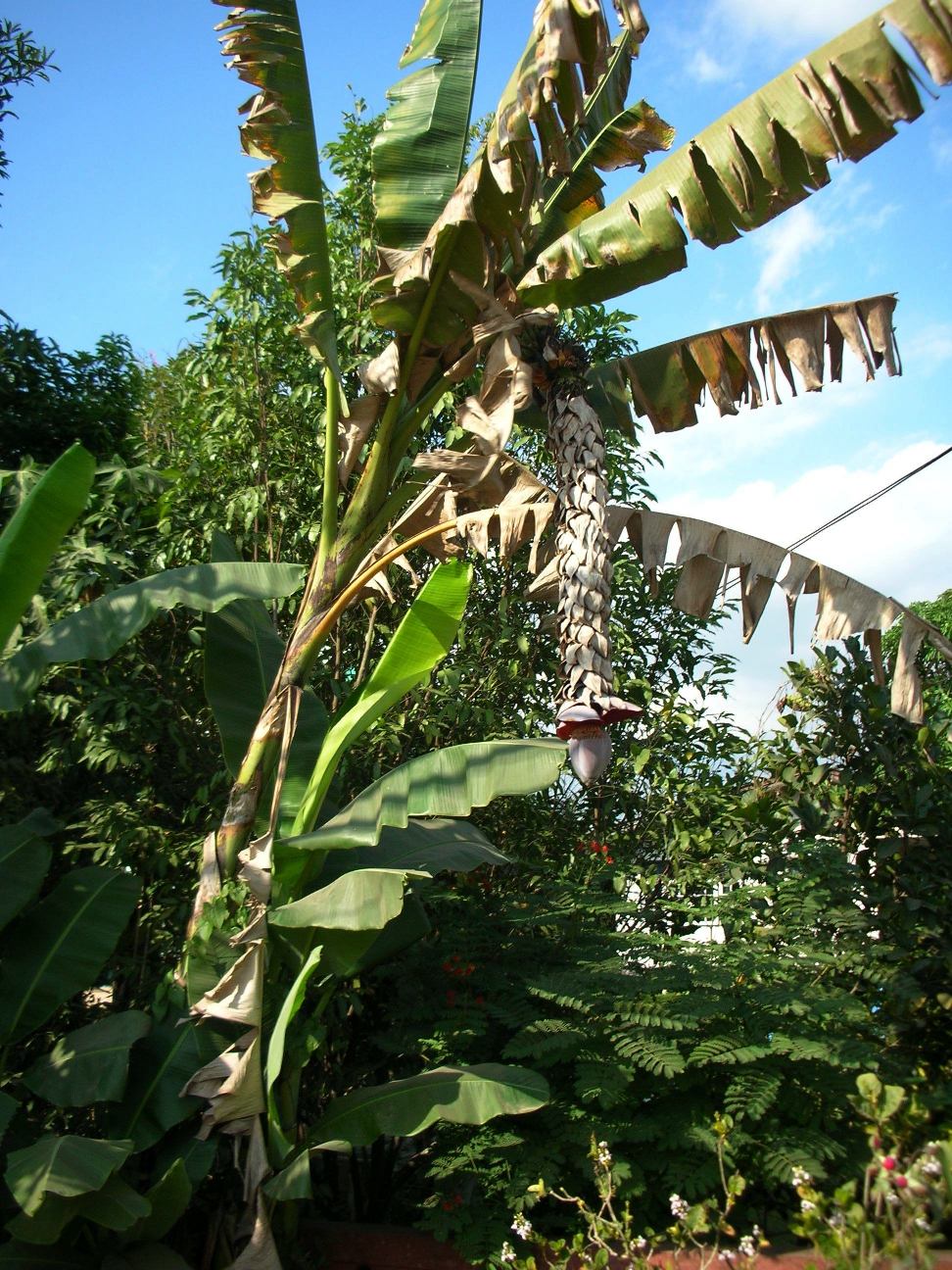 🇹🇭 Thailand and 1 moreNang Taniนางตานี
A female spirit said to inhabit wild banana trees in Southeast Asian folklore.Being · Protection · Luck and prosperity Living
🇵🇭 Philippines and 3 moreMy Way killings
Fatal disputes in the Philippines sparked by singing Frank Sinatra's song at karaoke barsBelief · Cursing and harm Historical
🇮🇩 Indonesia and 1 moreJailangkung
An Indonesian séance using a straw effigy to communicate with spirits of the dead.Rite · Speaking with spirits and the dead Living
🇻🇳 VietnamChầu vănHát chầu văn
A Vietnamese trance singing art used in deity mediumship ritualsIllusion · Speaking with spirits and the dead Living
 🇻🇳 Vietnam and 1 moreÔng Trời
A sky god of Vietnamese folk religion, later linked to the Taoist Jade EmperorBeing · Protection · Power and authority Living
🇷🇴 Romania and 5 moreMărțișor
A red and white string charm worn in early spring to welcome the seasonTradition · Protection · Luck and prosperity Living
 🇻🇳 Vietnam and 3 moreWhale worshipCá Ông
A folk practice across East and Southeast Asia honoring cetaceans as divine protectors of fishermenTradition · Protection · Luck and prosperity Living
 🇹🇭 ThailandPla taphianปลาตะเพียนสาน
A woven palm leaf fish mobile hung as a blessing for health and plentyCharm · Protection · Luck and prosperity Living
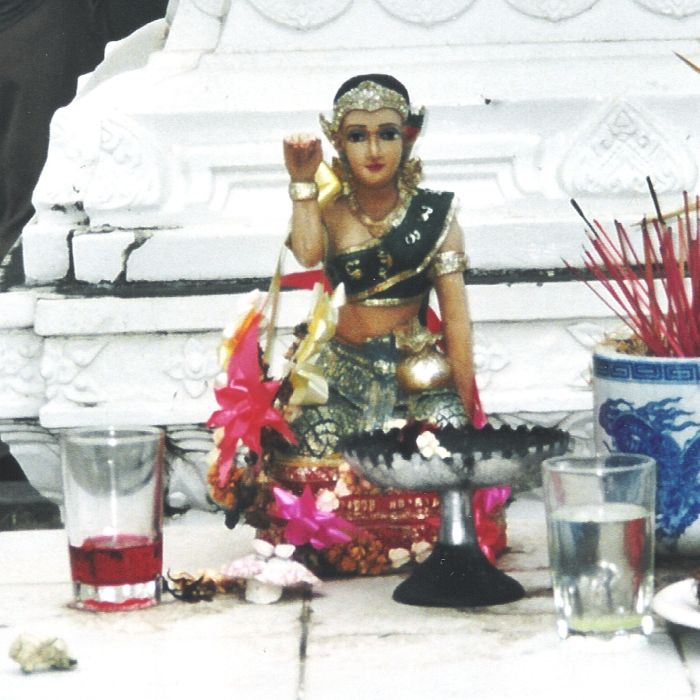 🇹🇭 ThailandNang Kwakนางกวัก
A Thai figure who beckons customers and money luck into shops and homesBeing · Luck and prosperity Living
🇵🇭 PhilippinesIndigenous Philippine folk religions
The native animist belief systems of the various ethnic groups in the Philippines.Tradition · Speaking with spirits and the dead · Protection Living
 🇮🇩 IndonesiaMarapu
Ancestral religion of Sumba and Flores in IndonesiaTradition · Speaking with spirits and the dead · Protection Living
🇰🇭 CambodiaMrenh kongvealម្រេញគង្វាល
Khmer jungle spirits said to guard animals and guide people through dreamsBeing · Protection · Speaking with spirits and the dead Living
🇻🇳 VietnamVietnamese ghostsHồn ma
Wandering spirits in Vietnam, and the rites held to feed or calm themBeing · Protection · Speaking with spirits and the dead Living
Photo credits on this page
The small pictures above come from Wikimedia Commons under free licences. Some are cropped to fit.
- Witchcraft in the Philippines: The original uploader was Rodsan18 at English Wikipedia . ( Original t, CC BY 2.5, source
- Babaylan: Hptina24, CC BY-SA 4.0, source
- Thai Buddha amulets: User:Mattes, Public domain, source
- Kejawèn: Greenland4, Public domain, source
- Nat: Emily Khine, CC BY-SA 4.0, source
- Nang Tani: Xufanc, CC BY-SA 3.0, source
- Krasue: Xavier Romero-Frias, CC BY-SA 3.0, source
- Spirit house: Chainwit., CC BY-SA 4.0, source
- Marapu: Unknown author, CC BY-SA 3.0, source
- Ghosts in Thai culture: Heinrich Damm ( User:Hdamm , Hdamm at de.wikipedia.org ), CC BY 2.0, source
- Pla taphian: Mr.Peerapong Prasutr, CC BY-SA 4.0, source
- Nyi Roro Kidul: Gunawan Kartapranata, CC BY-SA 3.0, source
- Dukun: Unknown author, CC BY-SA 3.0, source
- Lên đồng: Khangoii, CC BY-SA 4.0, source
- Whale worship: Bùi Thụy Đào Nguyên, CC BY-SA 3.0, source
- Ông Trời: Bùi Thụy Đào Nguyên, CC BY-SA 3.0, source
- Nang Kwak: Günter Trageser, Public domain, source
- Burmese folk religion: Wagaung ( talk ), CC BY-SA 3.0, source
- Anito: Frederic H. Sawyer, Public domain, source