Illness and misfortune: practices that mark them
What people do when someone falls ill or luck turns: consult, cleanse, ward.
Illness and misfortune are the moments when people most often turn to magic. When someone falls ill, a business fails, a child is lost or luck turns, families ask why, and consult a healer, diviner, priest or mediums. Examples include the Mexican limpia, the African consultation of a diviner, the Islamic ruqyah, the Hindu or Buddhist temple rites, the Korean gut and the Catholic blessing of the sick. This page covers the pattern and its risks. It is not medical advice, and illness needs real medical care.
Why and who
Many traditions ask two questions: how did this happen, and why to me? A medical account answers the first. Traditional systems often address the second, linking misfortune to relationships, envy, taboo or spirits. A consultation then names a cause and a remedy, which may involve cleansing, offerings, protective objects or a ceremony. A diviner may be consulted, a healer called, a priest asked to pray or a shrine visited, and in many households several of these happen at once.
Help and hope
Rites of crisis bring people together, give a role to the family and offer hope when treatment is limited. Researchers have documented comfort and reduced distress after ritual. Many people use medicine and ritual together, and many healers support that. The pattern becomes dangerous only when ritual displaces treatment. Many practitioners also give practical advice about rest, diet and family conflict, and some of this advice is sound and some is not.
Blame and exploitation
Crisis also creates a market for fear. Fraudulent healers tell clients they are cursed and sell expensive cleansing. Accusations of witchcraft often follow illness, with violence against the accused. Exorcism of people with mental illness has caused injuries and deaths, including documented cases in churches in several countries. In some societies, a bad event is the signal for a ritual of the whole community, with confession, reconciliation and shared offerings.
Care and context
Public health programmes now involve community healers in work on issues such as HIV, maternal health and mental health, since many people consult them first. Scholars of medical anthropology call this a plural system of care. The sensible approach is to seek qualified medical help promptly and treat other support as company. Public health bodies urge anyone with a serious illness or injury to seek a clinician at once, and to treat traditional help as complementary to that care and never as a replacement for it.
Illness and misfortune on EveryJaadu
The entries written up so far, best known first.
 🇮🇷 Iran and 2 moreSuperstitions in Muslim societies
Beliefs in supernatural forces and charms found across the Islamic worldTradition · Protection · Healing Living
 🇺🇸 United StatesNew England vampire panic
A folk response to tuberculosis involving the exhumation and burning of organsBelief · Protection · Healing Historical
🇮🇳 IndiaTarakeshwaraतारकेश्वर (Tārakeśvara)
A form of Shiva who guides souls to liberation through sacred mantrasFigure · Speaking with spirits and the dead · Change and initiation Living
 🇳🇿 New Zealand and 5 moreMokomokaiToi moko
Preserved Māori heads with facial tattoos, once traded as curios and now repatriated.Being · Cursing and harm · Power and authority Historical
 🇬🇷 GreeceNymphνύμφη
A nature spirit from Greek myth, tied to specific places like springs or trees, often seen as a maiden.Being · Healing · Seeing and foretelling Historical
 🇵🇹 Portugal and 5 moreWilgefortisVilgeforte
A bearded female martyr folk saint known for relieving women from unwanted marriages and tribulationsFigure · Protection · Cursing and harm Historical
🇨🇲 CameroonJengu
Water spirits of Cameroon's coastal peoples, linked to healing and fateBeing · Protection · Healing Living
🇳🇴 NorwayTycho Brahe daysTycho Brahes-dage
Scandinavian folklore dates believed to be unlucky for magic and businessBelief · Luck and prosperity Historical
 🇯🇵 Japan and 5 moreSmallpox demon疱瘡神 (Hōsōgami)
A spirit blamed for smallpox in medieval Japan and the rituals used to appease itBeing · Protection · Cursing and harm Historical
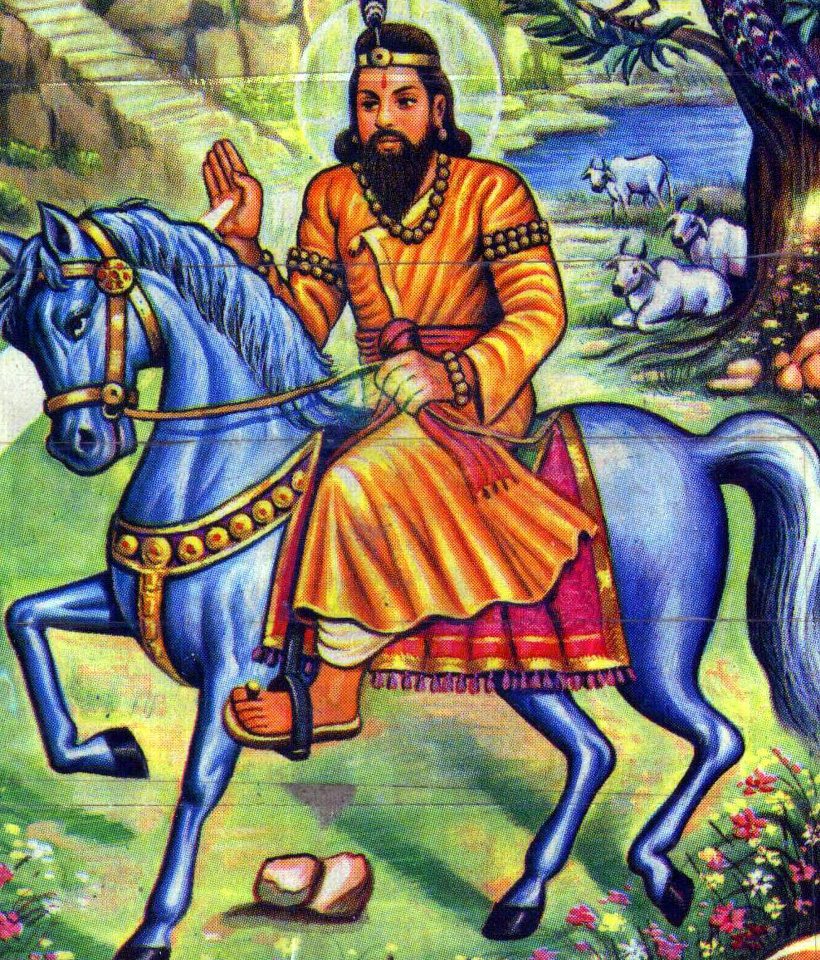 🇮🇳 IndiaBaba Mohan Ramबाबा मोहन राम
A folk form of Krishna worshipped at a cave shrine with a flame that never diesBeing · Healing · Luck and prosperity Living
🇫🇮 Finland and 1 moreFrog coffin
A Finnish folk magic burial of a frog in a tiny coffin to steal luck or reflect harmRite · Protection · Cursing and harm Historical
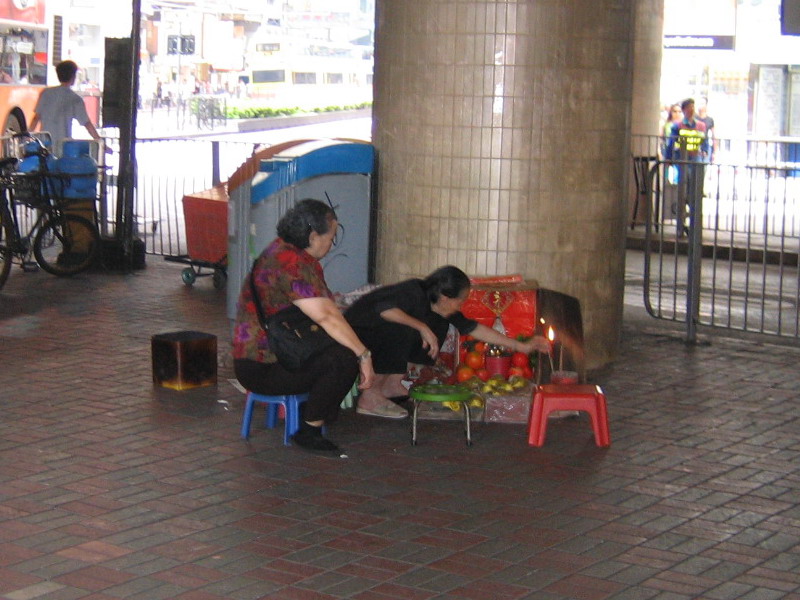 🇨🇳 China and 1 moreVillain hitting打小人
A Cantonese rite that strikes paper effigies with a shoe to ward off enemiesTradition · Cursing and harm · Protection Living
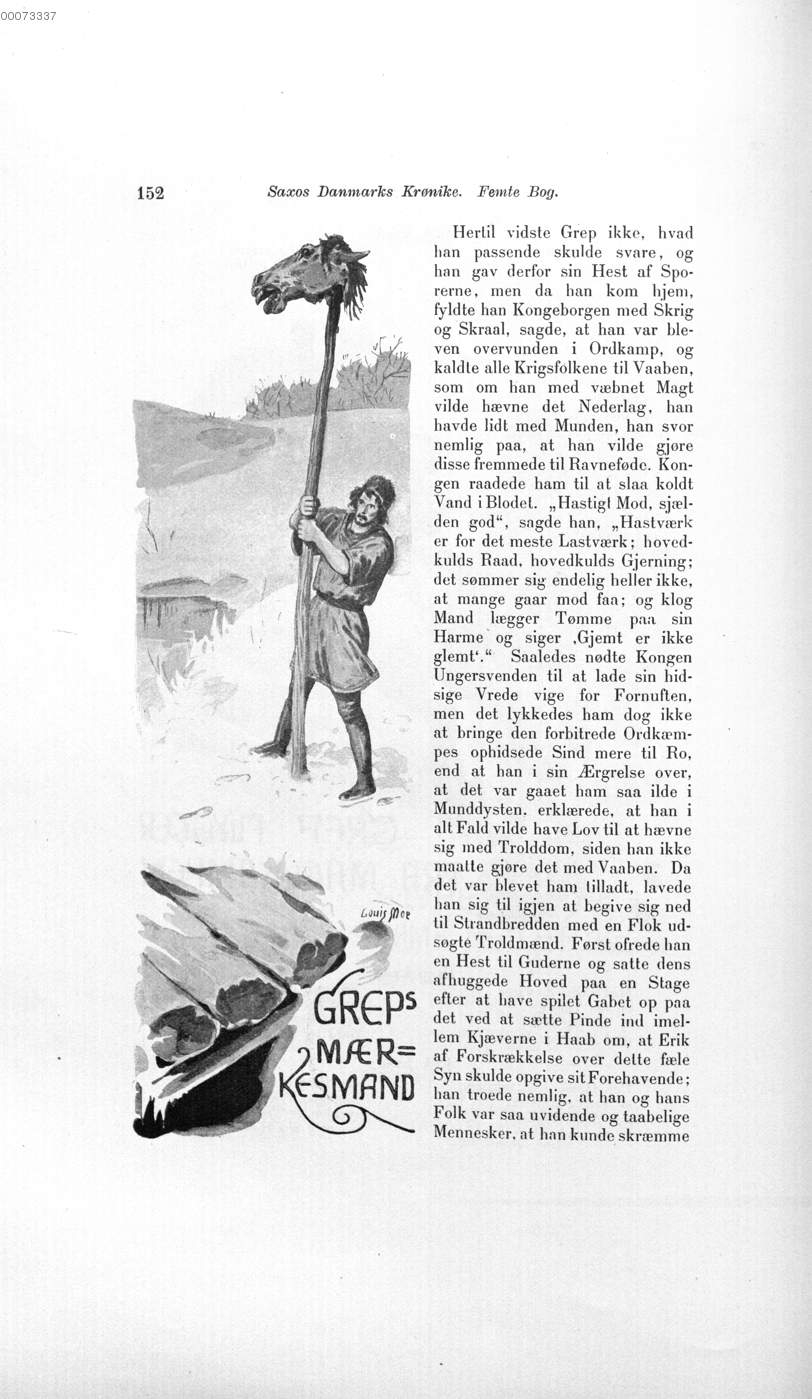 🇮🇸 Iceland and 1 moreNithing poleníðstǫng
A curse pole from Norse tradition used to shame or harm an enemyRite · Cursing and harm Living
🇧🇬 Bulgaria and 5 moreApocryphal prayer
A folk prayer text blending church forms with apocrypha and incantations for protection and healingText · Protection · Healing Living
 🇲🇹 Malta and 2 moreDevotional medal
Small metal pieces made and worn for Christian devotionCharm · Protection Living
 🇮🇳 IndiaKhodiyarખોડીયાર
A limping Hindu folk goddess who rides a crocodile and shields royal clansBeing · Protection · Healing Living
🇩🇪 GermanyErdhenne
A German house spirit that appears as a grey hen to warn of danger or deathBeing · Seeing and foretelling · Protection Historical
 🇨🇳 China and 3 moreCash方孔錢
A round copper coin with a square hole used in China and East Asia for two millennia.Charm · Luck and prosperity · Speaking with spirits and the dead Living
 🇷🇴 Romania and 2 moreCaloian
A Romanian clay effigy ritual for rain and fertility, featuring a mock funeralRite · Luck and prosperity Fading
🇹🇭 Thailand and 1 moreHae Nang Maewแห่นางแมว (Thai); ពិធីហែនាងម៉ែវ (Khmer)
A rainmaking ritual where a cat is paraded through villages to end droughtRite · Luck and prosperity Living
🇺🇸 United StatesGoofer dust
A hoodoo powder used for hexes, protection and coercive love spells in the American South.Charm · Cursing and harm · Protection Historical
🇯🇵 JapanReikon霊魂
The Shinto soul: it joins the ancestors after funeral rites, or haunts as a yūreiBeing · Speaking with spirits and the dead · Cursing and harm Living
 🇸🇪 SwedenSigtuna amulet I
An 11th-century copper runic charm from Sweden used to drive away illnessCharm · Healing · Protection Historical
 🇷🇺 Russia and 2 moreBesomвеник
A twig broom used for sweeping, folk magic, and fire responseCharm · Protection · Wonder and entertainment Living
 🇬🇦 Gabon and 2 moreMbulu Ngulu
Wood and metal figures guarding ancestor relics in GabonCharm · Protection · Speaking with spirits and the dead Historical
🇫🇷 FranceTempestarii
Medieval figures accused of controlling storms and the beliefs surrounding them.Belief · Cursing and harm · Protection Historical
🇳🇬 Nigeria and 5 moreWitchcraft accusations against children in Africa
Violent persecution of children blamed for misfortune across Sub-Saharan Africa and beyondBelief · Cursing and harm Living
 🇮🇳 IndiaJvarasuraज्वारासुर
A fever demon in Hindu lore who serves the pox goddess Shitala.Being · Cursing and harm · Healing Historical
 🇮🇳 India and 1 moreFolk practices in Punjab
Indigenous beliefs and rituals of the Punjabi people across India and PakistanTradition · Protection · Healing Living
 🇰🇷 South KoreaBangsatap방사탑
A stone cairn on Jeju Island believed to shield communities from harm and disease.Tradition · Protection · Cursing and harm Revived
 🇿🇦 South Africa and 1 moreSacred caves of the Basotho
Cave networks in South Africa and Lesotho used by the Basotho for ancestral rituals and healingTradition · Healing · Protection Living
🇬🇭 GhanaAbonsam
A malevolent spirit blamed for accidents and disease, driven out to sea with noiseBeing · Cursing and harm · Cleansing and purification Living
 🇩🇴 Dominican Republic and 5 moreZemi
A Taíno deity or ancestral spirit housed in a carved object used for worship and protectionBeing · Protection · Healing Historical
🇹🇳 TunisiaOmek Tannou
A Tunisian rainmaking ritual using a sculpted head or stick to call for water during droughts.Rite · Cursing and harm · Seeing and foretelling Historical
🇻🇳 VietnamVietnamese ghostsHồn ma
Wandering spirits in Vietnam, and the rites held to feed or calm themBeing · Protection · Speaking with spirits and the dead Living
 🇮🇷 Iran and 4 moreJinnجِنّ
Concealed beings from Arabian and Islamic tradition, accountable for their actions like humans.Being · Protection · Cursing and harm Living
 🇩🇪 Germany and 4 moreNeed-firezjarri i gjallë
A ritual fire lit by friction to protect communities from disease and misfortuneRite · Protection · Healing Historical
Photo credits on this page
The small pictures above come from Wikimedia Commons under free licences. Some are cropped to fit.
- New England vampire panic: no credited author, Public domain, source
- Mokomokai: New Zealand Electronic Text Centre, Public domain, source
- Need-fire: Unknown author, Public domain, source
- Nymph: Unknown author, Public domain, source
- Wilgefortis: Hieronymus Bosch, Public domain, source
- Smallpox demon: 佐賀県立図書館, CC0, source
- Jinn: VenusFeuerFalle, CC0, source
- Baba Mohan Ram: Yajush Rao, CC BY-SA 4.0, source
- Villain hitting: No machine-readable author provided. Underbar dk assumed (based on cop, CC BY-SA 3.0, source
- Nithing pole: r Saxo Gramaticus; tr. (Danish) Frederik Winkel Horn; illus. Louis Moe, Public domain, source
- Devotional medal: Xhienne, CC BY-SA 3.0, source
- Khodiyar: Damian N. Boodram, CC BY-SA 4.0, source
- Superstitions in Muslim societies: Unknown author, CC0, source
- Cash: User 冷玉 on zh.wikipedia, CC BY-SA 3.0, source
- Caloian: Costică Acsinte Archive, No restrictions, source
- Sigtuna amulet I: Bengt A. Lundberg, CC BY 2.5, source
- Besom: https://en.wikipedia.org/wiki/David_Cox_(artist), Public domain, source
- Mbulu Ngulu: Sailko, CC BY 3.0, source
- Jvarasura: Suraj Belbase, CC BY-SA 4.0, source
- Folk practices in Punjab: Veer jindal, CC BY-SA 3.0, source
- Zemi: Unknown author, CC0, source
- Bangsatap: Grapesurgeon, CC BY-SA 4.0, source
- Sacred caves of the Basotho: JMK, CC BY-SA 3.0, source