Luck and prosperity
Charms for fortune, success, a good harvest and a safe journey.
Luck magic aims at fortune, success, wealth and a safe passage. People keep lucky charms, perform money rites, pour offerings to a god of wealth, and avoid unlucky days. Examples include the Chinese lucky cat and the red packet, the Japanese daruma doll, the Indian worship of Lakshmi at Diwali, the European four-leaf clover and horseshoe, and the Hoodoo mojo bag. This page looks at what luck means and who profits from it.
Ideas of luck
Cultures differ on what luck is. In China, fortune is tied to fate, timing and the placement of objects, giving rise to feng shui and the choice of lucky numbers. In West Africa, success is linked to a person's destiny and the help of the orisha or ancestors. In Europe, luck came to be seen as chance, with charms to tilt it. Many societies see wealth as shared and fear that good fortune attracts envy. Merchants, farmers, gamblers and students are the usual customers, and the amounts asked of them range from a coin to a lifetime of savings.
Customs
Customs are domestic and mostly small. Merchants in Taiwan and China burn paper offerings and put out fruit at the start of the month. Fishers and sailors keep charms and avoid certain words. Gamblers, students and athletes have habits they will not break. Many rites involve giving something away, since reciprocity is thought to keep fortune moving. Lucky days are often chosen by calendar or astrologer, so that a shop opens, a wedding is held or a journey begins on a favourable date.
Schemes and scams
Luck is easy to sell. Lottery charms, gemstone bracelets and sellers who promise riches for a fee make money from hope. Fraud involving fake spiritualists who say a client's money is cursed and must be handed over is documented in many countries. Playing games of chance with charms may feel harmless, but anyone struggling with gambling should seek real help. Some wealth rites are public and religious, as with Diwali lamps for Lakshmi and the Lunar New Year offerings to the god of wealth, and some are private and quiet.
Scholars and sceptics
Psychologists have found that carrying a lucky charm can raise confidence and performance in some tasks, without changing the odds of chance. Economists study the role of luck in success. Religious authorities differ: some see lucky objects as idolatry, others as harmless custom, and prosperity churches around the world teach a faith-based version of the same hope. Those who struggle with debt or gambling harm should look for practical advice, since a charm does not change the odds or pay the bills.
Luck and prosperity on EveryJaadu
The entries written up so far, best known first.
 🇮🇳 IndiaPoomala Bhagavathy
A Hindu goddess of North Malabar, revered as the family deity of the Thiyya community.Being · Love and attraction · Luck and prosperity Living
🇮🇹 ItalyDoñas de fuera
Sicilian fairies said to carry chosen women by night to a field at BeneventoBeing · Speaking with spirits and the dead · Luck and prosperity Historical
🇩🇴 Dominican RepublicAnaisa Pye
A Dominican loa of love and wealth, linked to Saint Anne.Being · Love and attraction · Luck and prosperity Living
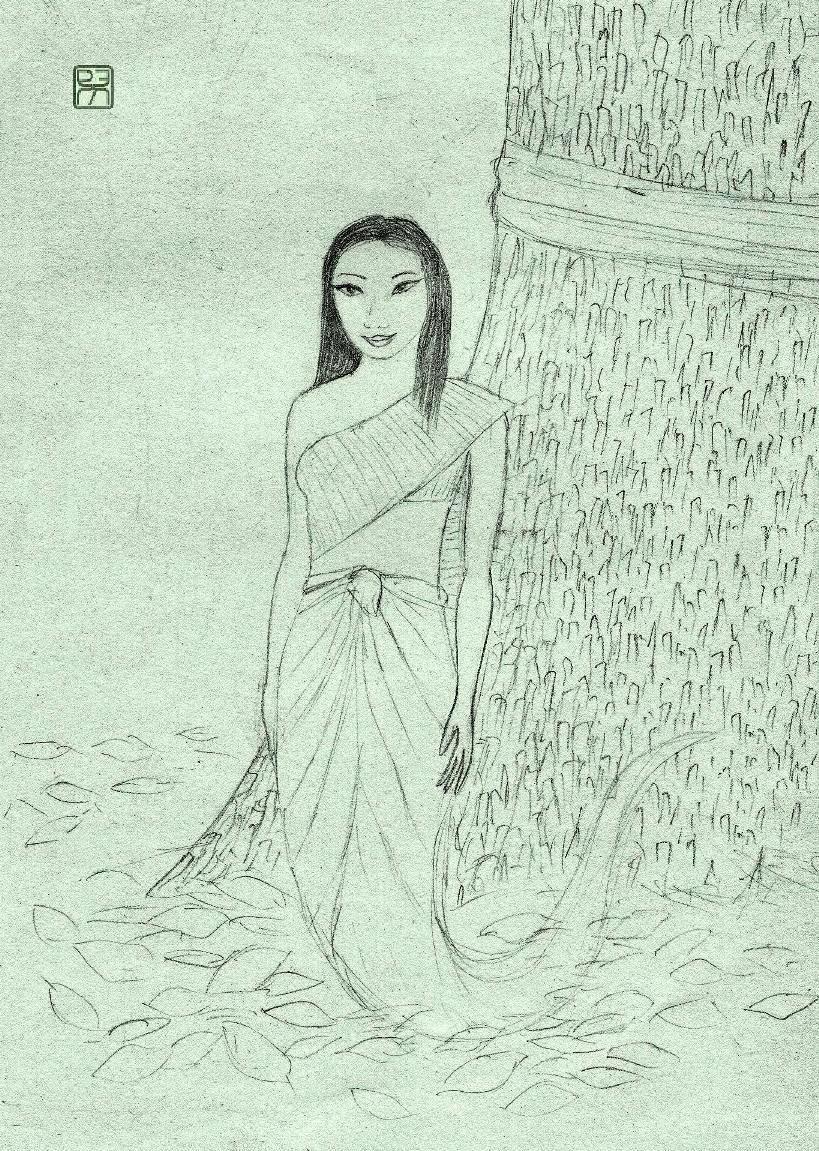 🇹🇭 ThailandNang Ta-khianนางตะเคียน
A Thai tree spirit said to dwell in the ta-khian treeBeing · Luck and prosperity · Cursing and harm Living
 🇹🇼 Taiwan and 1 moreAuspicious train ticket吉祥語車票
Train tickets with station names that form lucky phrases through wordplay.Charm · Luck and prosperity Living
🇷🇴 Romania and 5 moreMărțișor
A red and white string charm worn in early spring to welcome the seasonTradition · Protection · Luck and prosperity Living
 🇺🇸 United StatesMarmot Day
An Alaskan holiday celebrating local marmots and frontier culture, replacing Groundhog Day.Tradition · Luck and prosperity · Wonder and entertainment Living
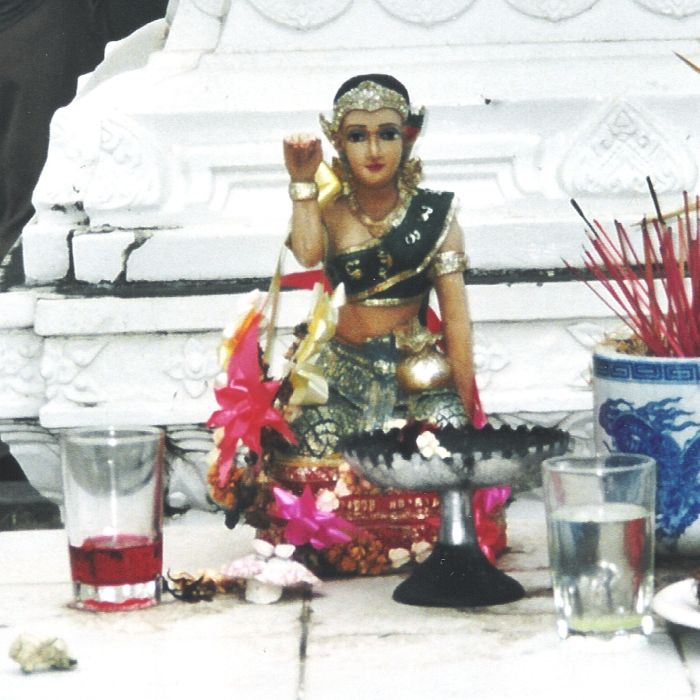 🇹🇭 ThailandNang Kwakนางกวัก
A Thai figure who beckons customers and money luck into shops and homesBeing · Luck and prosperity Living
 🇰🇷 South KoreaBangsatap방사탑
A stone cairn on Jeju Island believed to shield communities from harm and disease.Tradition · Protection · Cursing and harm Revived
🇺🇸 United StatesLaw of attraction
A New Thought belief that focused thoughts draw matching experiences into lifeBelief · Healing · Luck and prosperity Living
🇳🇴 NorwayTycho Brahe daysTycho Brahes-dage
Scandinavian folklore dates believed to be unlucky for magic and businessBelief · Luck and prosperity Historical
 🇮🇳 IndiaMomaiમોમાઈ માં
A four-armed Kutch goddess on a camel, kept as a family deityBeing · Luck and prosperity Living
 🇩🇿 AlgeriaMawsimموسم
Annual Maghrebi festival blending Sufi veneration with social and economic gatheringTradition · Speaking with spirits and the dead · Luck and prosperity Living
 🇩🇪 Germany and 5 moreCompanions of Saint Nicholas
Dark figures who accompany the gift-bringer to discipline children across Central EuropeFigure · Cursing and harm · Luck and prosperity Living
 🇬🇧 United Kingdom and 5 moreWedding superstitions
Folk beliefs and omens tied to marriage customs across many culturesBelief · Protection · Luck and prosperity Living
🇿🇦 South AfricaAmadlozi
Ancestors of the Nguni people who guide and protect their descendantsBeing · Protection · Speaking with spirits and the dead Living
🇯🇵 JapanChīsai-ojisan小さいおじさん
A tiny Japanese cryptid said to bring luck when spotted in everyday placesFigure · Luck and prosperity Living
 🇩🇪 Germany and 1 moreNutcracker doll
A carved wooden figurine of a soldier used to crack nuts and now a popular Christmas decorationCharm · Luck and prosperity Living
 🇮🇳 IndiaAshapura Mataआशापुरा माता
A Hindu goddess worshipped as the clan protector of Rajput and other communities in western India.Being · Protection · Luck and prosperity Living
🇮🇳 IndiaKuttichathanകുട്ടിചാത്തൻ
A guardian spirit of Malabar folklore known for illusions and household pranksBeing · Cursing and harm · Luck and prosperity Historical
🇺🇸 United StatesCurse of Rocky Colavito
A baseball superstition linking a 1960 player trade to decades of team failureBelief · Luck and prosperity Historical
🇦🇲 Armenia and 5 moreSpilling water for luck
A folk custom of pouring water to wish a traveler or worker a smooth journeyBelief · Luck and prosperity · Protection Living
🇮🇷 IranFaravaharفَرَوَهَر
Zoroastrian guardian spirits: ancestor-warriors and each person's unseen twinBeing · Protection · Speaking with spirits and the dead Living
🇿🇼 ZimbabweMhande
A Shona song and dance performance tied to rain rituals and ancestral communicationIllusion · Speaking with spirits and the dead · Luck and prosperity Living
 🇭🇹 HaitiHaitian CarnivalKanaval
A major Caribbean festival of music, dance, and satire leading to Mardi Gras in HaitiTradition · Wonder and entertainment · Luck and prosperity Living
🇻🇪 VenezuelaDjucu
A warm sea nut used as a lucky charm in the CaribbeanCharm · Luck and prosperity Living
🇸🇪 SwedenÁlfablót
A late autumn homestead ritual to elves and ancestors in pagan ScandinaviaRite · Speaking with spirits and the dead · Healing Historical
 🇮🇩 IndonesiaTaiganja
A bronze amulet of Central Sulawesi shaped like a keyhole, worn for status and protectionCharm · Protection · Luck and prosperity Living
 🇮🇸 Iceland and 1 moreLandvættir
Spirits tied to specific places in Norse tradition and modern HeathenryBeing · Protection · Luck and prosperity Living
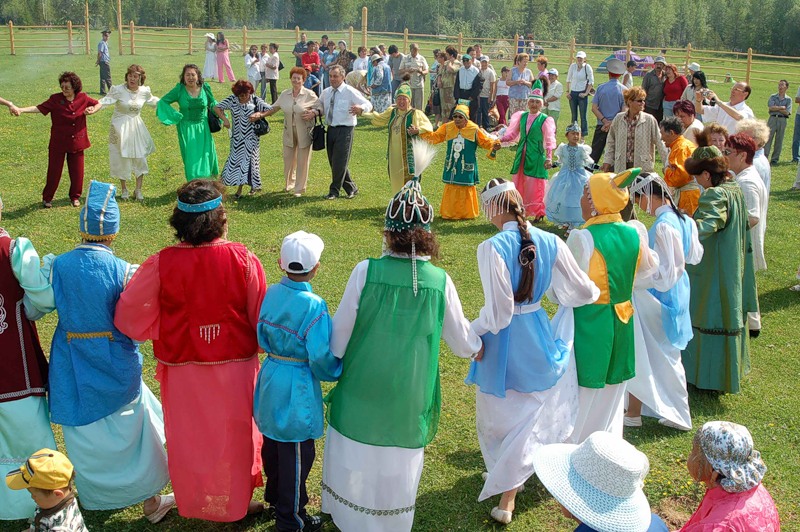 🇷🇺 RussiaYhyakhЫһыах
A summer solstice festival of the Sakha people marking the new year and nature's returnTradition · Luck and prosperity · Speaking with spirits and the dead Living
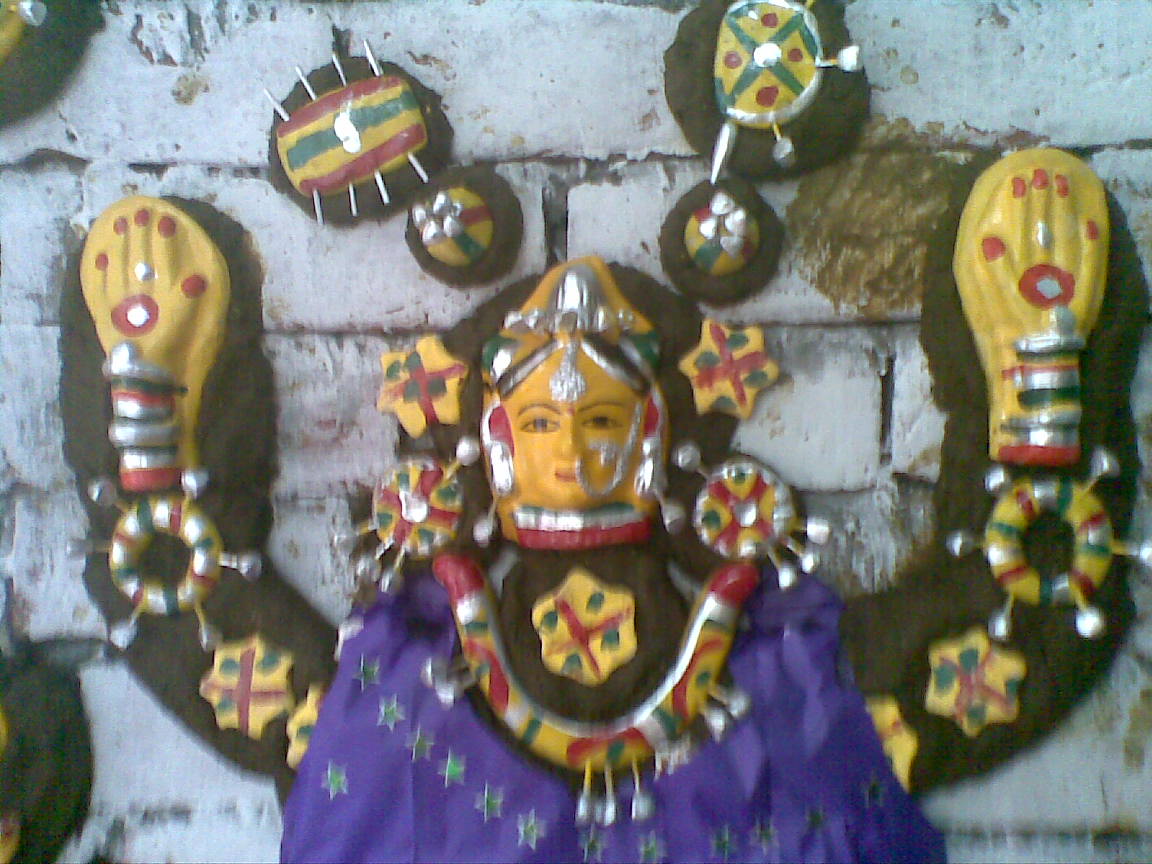 🇮🇳 IndiaSanjhi
A festival and art form honoring a mother goddess through clay images and colored designsTradition · Love and attraction · Luck and prosperity Living
🇬🇧 United KingdomShoes on a table
A superstition that placing footwear on a table invites bad luck or disrespectBelief · Luck and prosperity Living
 🇨🇳 China and 5 moreShui Wei Sheng Niang水尾圣娘; เจ้าแม่ทับทิม
A Hainanese goddess of the sea, worshipped by fishermen and diaspora communities in Southeast Asia.Being · Protection · Luck and prosperity Living
🇮🇹 ItalyIn bocca al lupo
An Italian idiom wishing good luck by invoking danger, with a response asking for the wolf's death.Belief · Luck and prosperity Living
 🇨🇳 ChinaSuperstition in China
A broad category for folk beliefs and rituals dismissed as backward by modern Chinese authoritiesBelief · Protection · Luck and prosperity Living
 🇮🇹 ItalyTredesin de Mars
A Milanese spring celebration marked by a flower fair and a legendary stoneTradition · Luck and prosperity · Wonder and entertainment Historical
 🇳🇿 New Zealand and 5 moreMokomokaiToi moko
Preserved Māori heads with facial tattoos, once traded as curios and now repatriated.Being · Cursing and harm · Power and authority Historical
🇯🇵 JapanShiranui不知火
Atmospheric ghost lights of the Yatsushiro and Ariake Seas in JapanBelief · Wonder and entertainment · Luck and prosperity Historical
 🇯🇵 JapanOkiagari-koboshi起き上がり小法師
A Japanese roly-poly doll that rights itself when knocked overCharm · Luck and prosperity · Power and authority Living
 🇨🇳 China and 3 moreCash方孔錢
A round copper coin with a square hole used in China and East Asia for two millennia.Charm · Luck and prosperity · Speaking with spirits and the dead Living
 🇨🇳 China and 3 moreFengshui woodland風水林
A protected grove in East Asia believed to shape the local environment and bring luck to nearby communities.Tradition · Protection · Luck and prosperity Living
 🇵🇱 PolandLucky JewŻyd z pieniążkiem
A Polish figurine of a Jewish man with a coin, used as a talisman for financial fortune.Charm · Luck and prosperity Living
 🇨🇳 ChinaShi尸
A living descendant who sat in place of a dead ancestor during ancient Chinese ritualsRite · Speaking with spirits and the dead · Luck and prosperity Historical
🇲🇱 MaliBinouba-binu
A secret Dogon order honoring ancestors through totemic animals and ritual sacrifice in Mali.Tradition · Protection · Speaking with spirits and the dead Living
 🇬🇧 United KingdomBuccabocka
A Cornish sea-spirit and mine-dweller who receives fish offerings from coastal communities.Being · Protection · Luck and prosperity Historical
 🇮🇳 India and 5 moreSailors' superstitions
A global collection of omens, charms and taboos used by mariners to manage the risks of life at seaBelief · Protection · Luck and prosperity Living
 🇦🇺 Australia and 3 moreNelson (cricket)
A cricket superstition about the score 111 and the leg-raising ritual to ward it offBelief · Luck and prosperity Living
 🇨🇳 China and 5 moreChinese numerology中国数术
A system of interpreting numbers as lucky or unlucky based on their pronunciation in Chinese dialects.Belief · Luck and prosperity Living
Photo credits on this page
The small pictures above come from Wikimedia Commons under free licences. Some are cropped to fit.
- Auspicious train ticket: SSR2000, CC BY-SA 3.0, source
- Nutcracker doll: Raul654, CC BY-SA 3.0, source
- Ashapura Mata: Rossifummi, CC BY-SA 4.0, source
- Haitian Carnival: User:Doron, CC BY-SA 3.0, source
- Yhyakh: Humano92, Public domain, source
- Tredesin de Mars: A ntv, Public domain, source
- Mokomokai: New Zealand Electronic Text Centre, Public domain, source
- Lucky Jew: Silar, CC BY-SA 3.0, source
- Sailors' superstitions: Siren Painter (eponymous vase), Public domain, source
- Chinese numerology: Sarang, Public domain, source
- Wedding superstitions: Anonymous Unknown author, Public domain, source
- Marmot Day: Colin Canterbury/USFWS, Public domain, source
- Bangsatap: Grapesurgeon, CC BY-SA 4.0, source
- Momai: Oatsjvs, CC BY-SA 4.0, source
- Mawsim: Beghdadi Walid, CC BY-SA 4.0, source
- Companions of Saint Nicholas: unknown, unreadable signature on bottom right hand side, Public domain, source
- Sanjhi: Veer jindal, CC BY-SA 3.0, source
- Fengshui woodland: 猫猫的日记本 (Cat's diary), CC BY-SA 3.0, source
- Shi: Jason Zou, Public domain, source
- Poomala Bhagavathy: Ajeeshkumar4u, CC BY-SA 4.0, source
- Nang Ta-khian: Xavier Romero-Frias, CC BY-SA 4.0, source
- Nang Kwak: Günter Trageser, Public domain, source
- Bucca: Frederick Whymper, Public domain, source
- Nelson (cricket): Lemuel Francis Abbott, Public domain, source
- Taiganja: sailko, CC BY-SA 3.0, source
- Superstition in China: Gary Todd, CC0, source
- Okiagari-koboshi: Unknown author, CC BY-SA 3.0, source
- Cash: User 冷玉 on zh.wikipedia, CC BY-SA 3.0, source
- Landvættir: TommyBee, Public domain, source
- Shui Wei Sheng Niang: Maya-Anaïs Yataghène, CC BY 2.0, source