Chilean mythology
The myths and legends of Chile, blending indigenous roots with colonial influences.
Chilean mythology is the collection of stories, beliefs, and folklore from Chile. It combines traditions from indigenous groups like the Mapuche and Rapa Nui with European influences brought during Spanish colonization.
- Chilean mythology blends indigenous and Spanish colonial influences.
- It is divided into Northern, Central, Southern, Easter Island, and Chiloé zones.
- Indigenous groups include Mapuche, Rapa Nui, Aymara, and others.
- Syncretism created unique hybrid figures and stories.
- Marcela Donoso illustrated thirty Chilean myths in oil paintings.
What it is
Chilean mythology encompasses the diverse myths, legends, and folk beliefs of Chile. It represents a complex tapestry woven from the ancient traditions of various indigenous peoples and the cultural impositions of Spanish colonizers. This body of lore reflects the country's varied geography and history, creating distinct regional narratives that differ significantly across the landscape.
Where it comes from
The roots of these stories lie in the belief systems of Chile's original inhabitants, including the Mapuche, Tehuelche, Changos, Diaguitas, Picunches, Pehuenches, Huilliches, and Poyas. Over time, particularly during the Spanish colonial period, European elements were integrated into these native tales. This fusion, known as syncretism, created unique hybrid figures and stories that distinguish Chilean mythology from other South American traditions, such as those found in Chilota folklore.
Chilean mythology, drawn and placed
- Living
- Revived
- Fading
- Historical
- Legendary
- Performed
What it is for
These stories serve to explain natural phenomena, historical events, and moral lessons within the context of Chilean culture. They preserve the heritage of indigenous groups while also reflecting the social realities of colonial life. The myths often feature supernatural beings that interact with humans, offering insights into the values and fears of the communities that tell them.
Who does it
Scholars study these myths to understand the cultural evolution of Chile. The traditions are passed down through oral storytelling and literary works. Artists, such as Marcela Donoso, have illustrated these narratives, helping to visualize the characters and settings for modern audiences. The stories remain part of the national identity, though their practice varies by region.
Peoples and places
The mythology is divided into geographical zones, each with its own characteristics. The Northern Zone features desert-related legends and mining myths, influenced by Inca and Spanish traditions. The Central Zone blends Mapuche beliefs with Spanish colonial culture, producing figures like Pedro Urdemales. The Southern Zone retains strong Mapuche influences, with spirits like Pillán and Wekufes. Easter Island, home to the Rapa Nui people, offers distinct Polynesian creation myths. Chiloé has its own isolated tradition, featuring creatures like the Caleuche and Trauco.
At a glance: who, where and when
Who does it
Belief worlds
What people believe
The worldview behind these myths includes a pantheon of indigenous deities and spirits, such as Make-Make among the Rapa Nui and Pillán among the Mapuche. Colonial influences introduced Christian figures and demons, which were often merged with native entities. The stories reflect a belief in a world where the natural and supernatural intersect, governed by forces that can be both benevolent and malevolent.
How scholars and sceptics see it
Anthropologists and historians analyze these myths to trace the impact of colonization on indigenous cultures. Researchers note the syncretic nature of many Chilean legends, where European and indigenous elements are combined. Studies also examine how geographical isolation, such as in Chiloé or Easter Island, preserves distinct mythological traditions that differ from the mainland.
Compare and confuse
Chilean mythology is sometimes confused with Chilota mythology, which is a specific subset originating from the Chiloé Archipelago. While related, Chilote stories have unique features due to the region's isolation. The mythology also shares themes with broader Andean and Patagonian indigenous traditions, but it is distinct in its blend of Spanish colonial influences.
Today
These myths continue to be part of Chile's cultural heritage, appearing in literature, art, and popular media. Efforts to preserve indigenous languages and traditions help keep these stories alive. However, some myths are at risk of being forgotten as urbanization changes social structures. Contemporary artists and writers continue to reinterpret these ancient tales for new generations.
Questions people ask about Chilean mythology
What is Chilean mythology?
It is the collection of myths, legends, and folklore from Chile, combining indigenous traditions with Spanish colonial influences.
Which indigenous groups contribute to Chilean mythology?
Major contributors include the Mapuche, Rapa Nui, Aymara, Tehuelche, Changos, Diaguitas, Picunches, Pehuenches, Huilliches, and Poyas.
How is Chilean mythology organized geographically?
It is typically categorized into Northern, Central, Southern, Easter Island, and Chiloé zones, each with distinct legends and influences.
What is syncretism in this context?
It refers to the fusion of indigenous and European (especially Spanish) mythological elements, creating unique hybrid figures and stories.
Are there famous artists who depicted these myths?
Yes, Marcela Donoso created a set of oil paintings illustrating thirty Chilean myths, which were later published in a book.
Good reading and sources
- Chilean mythology on WikipediaEncyclopedia
- More photos on Wikimedia CommonsPhotos and video
- Wikidata recordOpen data
The facts on this page come from the Wikipedia article "Chilean mythology", written by its contributors and used under the CC BY-SA 4.0 licence, and from its Wikidata record (CC0). EveryJaadu rewrote the text in its own words, with AI assistance, and compares every page with the article to make sure no passage is copied. It may be reused under the same CC BY-SA 4.0 licence with a link back.
It may contain mistakes. Names and customs differ from one community to the next, and some knowledge is closed to outsiders and left out here. This page describes belief and practice. It does not say that any of it works, it is not a how-to, and it is not medical advice. If something is wrong, tell us. Last refreshed 2026-10-05.
More from Chile
All the entries from Chile 🇨🇱 Chile and 1 moreMapuche religion
The traditional spiritual practice of the Mapuche people of Chile and ArgentinaTradition · Protection · Healing Living
🇨🇱 Chile and 1 moreMapuche religion
The traditional spiritual practice of the Mapuche people of Chile and ArgentinaTradition · Protection · Healing Living
 🇨🇱 Chile and 1 moreMachi
Mapuche spiritual authorities and healers who bridge herbal knowledge and spirit realmsTradition · Healing · Speaking with spirits and the dead Living
🇨🇱 Chile and 1 moreMachi
Mapuche spiritual authorities and healers who bridge herbal knowledge and spirit realmsTradition · Healing · Speaking with spirits and the dead Living
 🇵🇪 Peru and 2 moreInca religion
The polytheistic beliefs and rites of the Inca Empire across the AndesTradition · Protection · Luck and prosperity Historical
🇵🇪 Peru and 2 moreInca religion
The polytheistic beliefs and rites of the Inca Empire across the AndesTradition · Protection · Luck and prosperity Historical
Related elsewhere
All tradition 🇬🇧 United Kingdom and 2 moreKing ArthurBrenin Arthur
A legendary British king and folk hero of medieval literature and Welsh mythologyFigure · Power and authority · Wonder and entertainment Legendary
🇬🇧 United Kingdom and 2 moreKing ArthurBrenin Arthur
A legendary British king and folk hero of medieval literature and Welsh mythologyFigure · Power and authority · Wonder and entertainment Legendary
 🇪🇬 Egypt and 1 moreSphinx
A mythical hybrid with a human head and lion body, serving as guardian or riddler in Egyptian and Greek traditions.Being · Protection · Wonder and entertainment Legendary
🇪🇬 Egypt and 1 moreSphinx
A mythical hybrid with a human head and lion body, serving as guardian or riddler in Egyptian and Greek traditions.Being · Protection · Wonder and entertainment Legendary
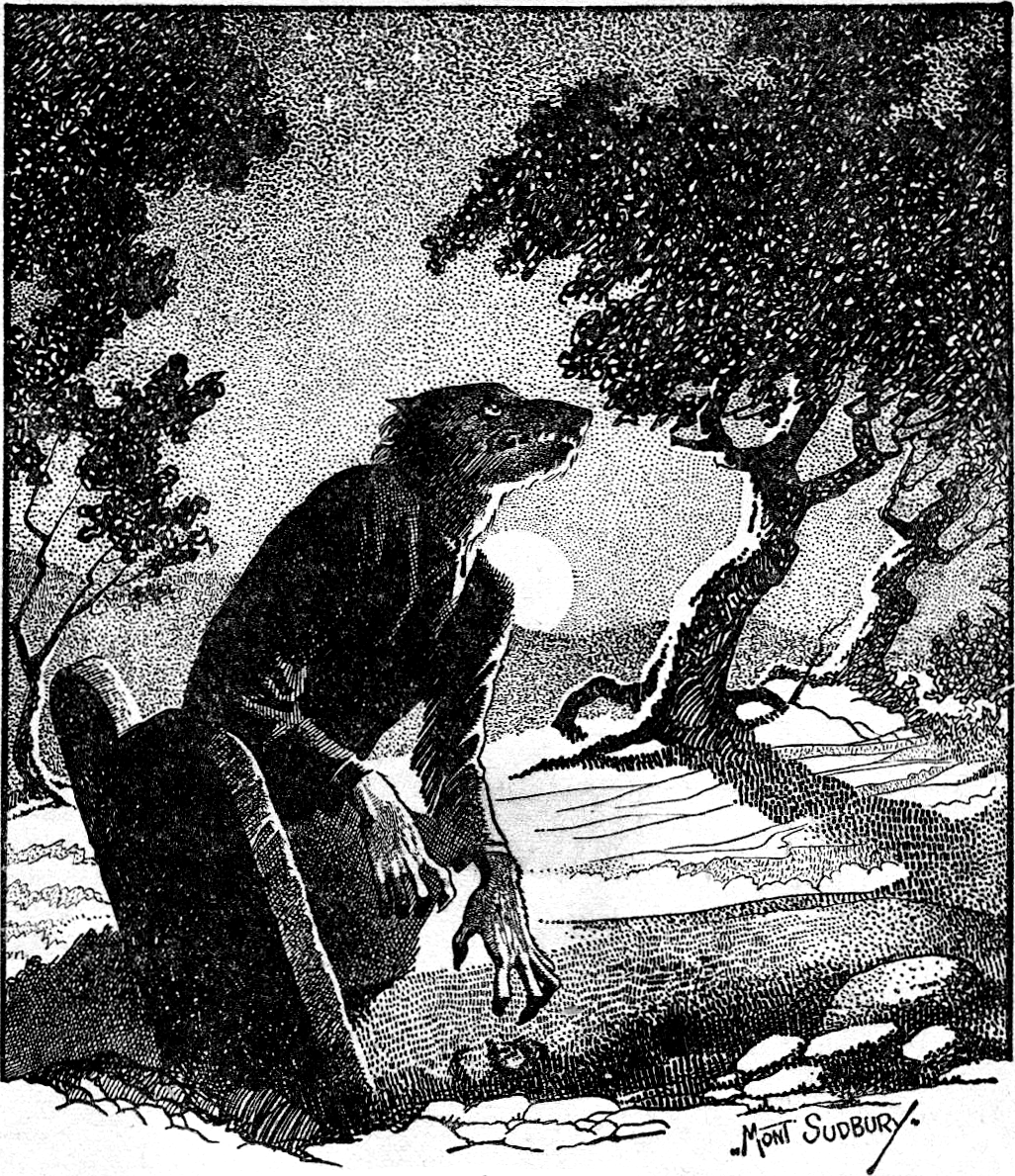 🇫🇷 France and 5 moreWerewolf
A mythical shapeshifter that turns into a wolf, central to European witch-hunts and Gothic horror.Being · Cursing and harm · Wonder and entertainment Legendary
🇫🇷 France and 5 moreWerewolf
A mythical shapeshifter that turns into a wolf, central to European witch-hunts and Gothic horror.Being · Cursing and harm · Wonder and entertainment Legendary
 🇪🇸 Spain and 5 moreSt John's Eve
A Christian vigil marked by bonfires and plant gathering on the summer solstice eveRite · Protection · Speaking with spirits and the dead Living
🇪🇸 Spain and 5 moreSt John's Eve
A Christian vigil marked by bonfires and plant gathering on the summer solstice eveRite · Protection · Speaking with spirits and the dead Living