Books and texts
Grimoires, magical papyri, Kabbalistic and Hermetic works and the manuals of cunning folk.
Magical texts are the books, scrolls and papyri that record spells, rites and lore: the Greek Magical Papyri, the Hebrew Sefer Yetzirah and the Zohar, the Picatrix, the Key of Solomon, the Grimorium Verum, the Hindu Atharvaveda, the Egyptian Book of the Dead, the Chinese Taoist ritual manuals and the grimoires of the European cunning folk. This page asks what these texts are, who wrote and read them, and why their authority is complicated.
What the texts are
Some are scripture, such as the Atharvaveda, which contains charms and healing hymns beside its worship. Some are handbooks, like the Greek Magical Papyri from Roman Egypt, which mix Greek, Egyptian and Jewish elements. Some are medieval compendia, such as the Arabic Picatrix. Many European grimoires were printed cheaply and passed hand to hand, and names such as Solomon were attached to give them credit. Some are tiny, such as a few lines on a papyrus strip folded into a case, and some run to hundreds of pages, but all were handled by a small number of people.
Readers and gatekeepers
Literacy mattered. A text of magic could only be used by someone who could read, copy and, often, read Latin, Hebrew or Arabic. That made the learned magician a figure of the elite and left village healers with oral knowledge. In Ethiopia, the debtera, a church-trained scribe, writes protective scrolls. In Java and Malaysia, Quranic and Sanskrit-derived texts are kept by family teachers. Where a text was in a sacred language, the ritual use sometimes outran the meaning, and people recited words they could not translate because the sound itself was held to matter.
Censorship and burning
Texts have been burned. The Church placed books of magic on its Index, Chinese dynasties restricted books of divination, and Qing and later authorities attacked books they saw as superstition. The Nazi regime closed occult lodges and seized their libraries. What we now know of some practices survives because inquisitors, in transcribing confiscated books, kept copies. Preservation depends on accident as well as intention: papyri survived in the dry sands of Egypt, while many paper books of village healers were lost when families moved or owners died.
Authenticity and the market
Many famous grimoires are not as old as they claim. The Sixth and Seventh Books of Moses is a nineteenth-century compilation. Scholars study such works to see how people imagined power, not to test it. Modern editions and online copies are popular, and some publishers present them as ready-to-use manuals, which the guide treats as a matter of belief and not of instruction. Collectors, museums and antiquarian dealers now trade in old manuscripts, and some forgeries sell as originals, which is another reason scholars check provenance.
Text on EveryJaadu
The entries written up so far, best known first.
 🇮🇶 Iraq and 5 moreGrimoire
A textbook containing instructions for spells, rituals, and the creation of magical objects.Text · Protection · Healing Historical
🇩🇪 Germany and 3 moreSixth and Seventh Books of Moses
A grimoire claiming to reveal the hidden spells of Moses for controlling spirits and natureText · Power and authority · Speaking with spirits and the dead Historical
 🇮🇳 IndiaAtharvavedaअथर्ववेद
The fourth Veda of Hinduism, containing spells, healing rites, and domestic rituals.Text · Protection · Healing Historical
 🇮🇹 ItalySibylline BooksLibri Sibyllini
Ancient Roman oracular texts consulted during state crises and disastersText · Protection · Speaking with spirits and the dead Historical
 🇫🇷 FranceThree Books of Occult PhilosophyDe occulta philosophia libri III
A Renaissance treatise on elemental, celestial, and divine magic by Heinrich Cornelius AgrippaText · Healing · Protection Historical
 🇪🇬 EgyptPapyrus of Ani
A decorated Egyptian scroll for the afterlife, held in LondonText · Protection · Speaking with spirits and the dead Historical
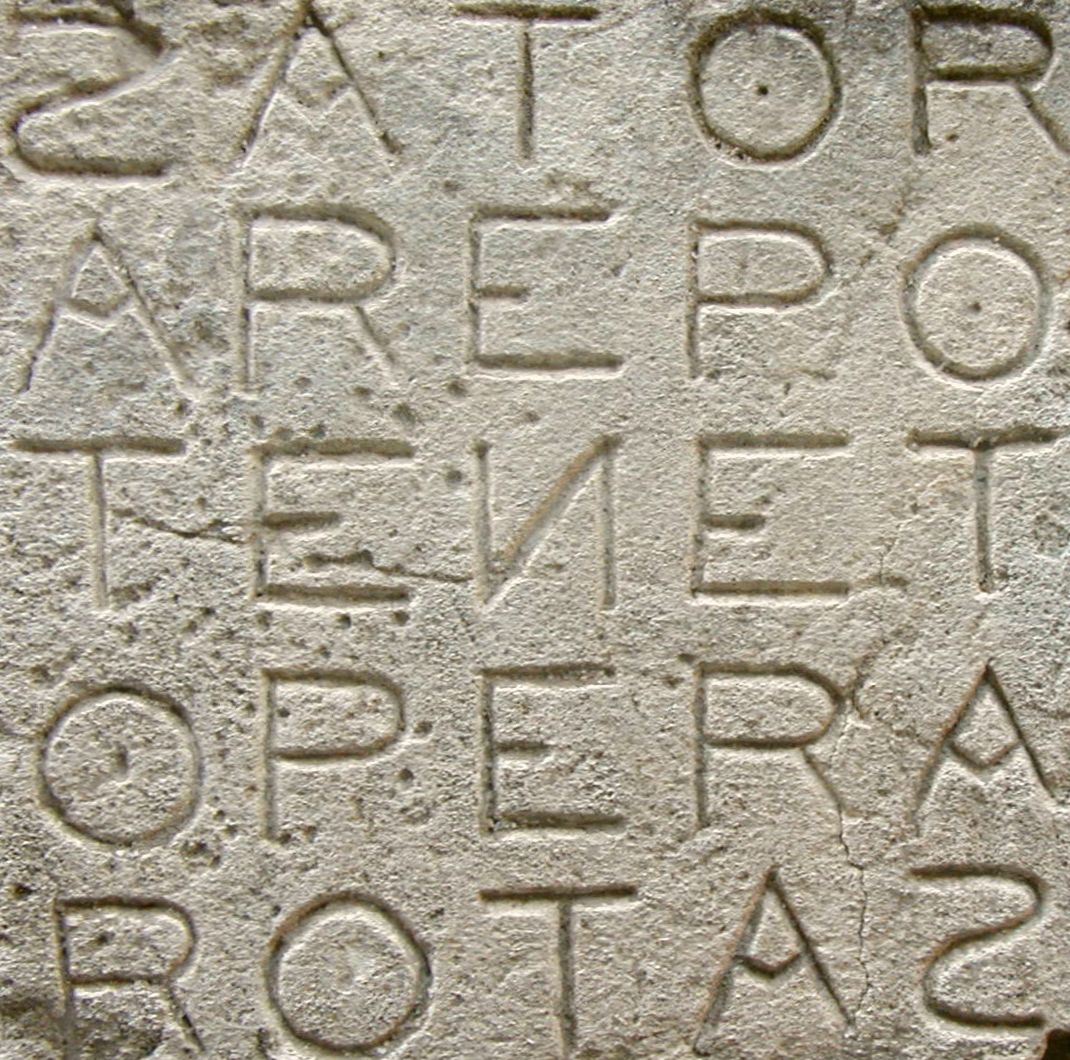 🇮🇹 Italy and 5 moreSator Square
A five-word Latin palindrome found in Roman ruins and medieval churchesCharm · Protection · Healing Historical
 🇩🇿 Algeria and 1 moreAhmad al-Buniأحمد البوني المالكي
A medieval Sufi scholar known for works on letter mysticism and talismansText · Power and authority · Seeing and foretelling Historical
 🇯🇵 Japan and 1 moreKūkai空海
Founder of Shingon Buddhism who brought Vajrayana esoteric practices from China to Japan.Text · Power and authority · Protection Historical
 🇪🇬 Egypt and 1 moreEbers Papyrus
An ancient Egyptian medical scroll detailing herbal remedies and bodily theories from around 1550 BCE.Text · Healing · Protection Historical
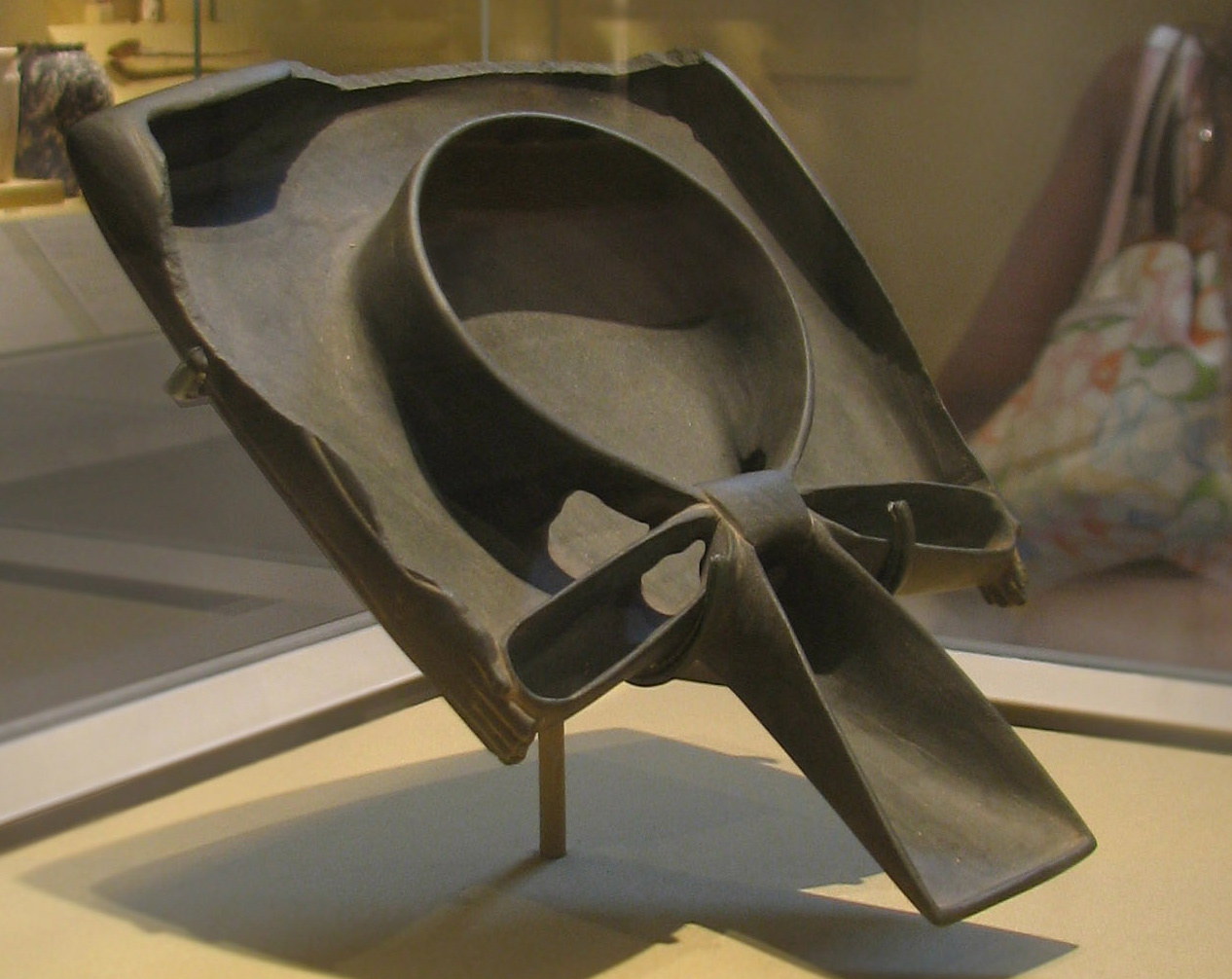 🇪🇬 Egypt and 2 moreAnkh
Ancient Egyptian hieroglyph for life and the amulet that carries its meaningCharm · Protection · Power and authority Historical
🇳🇿 New ZealandTohunga Suppression Act 1907
A New Zealand law banning traditional Māori healers and faith practitionersText · Cursing and harm · Protection Historical
 🇮🇸 IcelandGaldergaldr
A Germanic incantation and the written charms derived from itText · Protection · Cursing and harm Historical
🇮🇸 IcelandGaldrabók
An Icelandic grimoire of spells and staves from around 1600Text · Protection · Cursing and harm Historical
🇺🇸 United StatesThe Long Lost FriendDer lange verborgene Freund
A Pennsylvania German grimoire of folk remedies and magical charms published in 1820.Text · Healing · Protection Historical
 🇨🇳 China and 1 moreJiji ru lüling急急如律令
A Taoist incantation demanding immediate action from spiritsText · Cursing and harm · Protection Historical
 🇪🇬 Egypt and 4 moreScarab
An ancient Egyptian amulet and seal shaped like a dung beetleCharm · Protection · Luck and prosperity Historical
🇮🇪 IrelandLorica
A Hiberno-Scottish monastic prayer for protection against evilText · Protection Historical
🇮🇹 Italy and 1 moreKollyra curse tablet
An ancient Greek tablet cursing a thief to suffocation until stolen goods are returned.Text · Protection · Cursing and harm Historical
🇸🇩 SudanWitchcraft, Oracles and Magic Among the Azande
A foundational anthropological study of Azande witchcraft, oracles, and magic in southern Sudan.Text · Cursing and harm · Seeing and foretelling Historical
🇨🇳 China and 1 moreRishu日書
A Chinese day book sorting lucky and unlucky days by the sexagenary cycleText · Seeing and foretelling · Luck and prosperity Historical
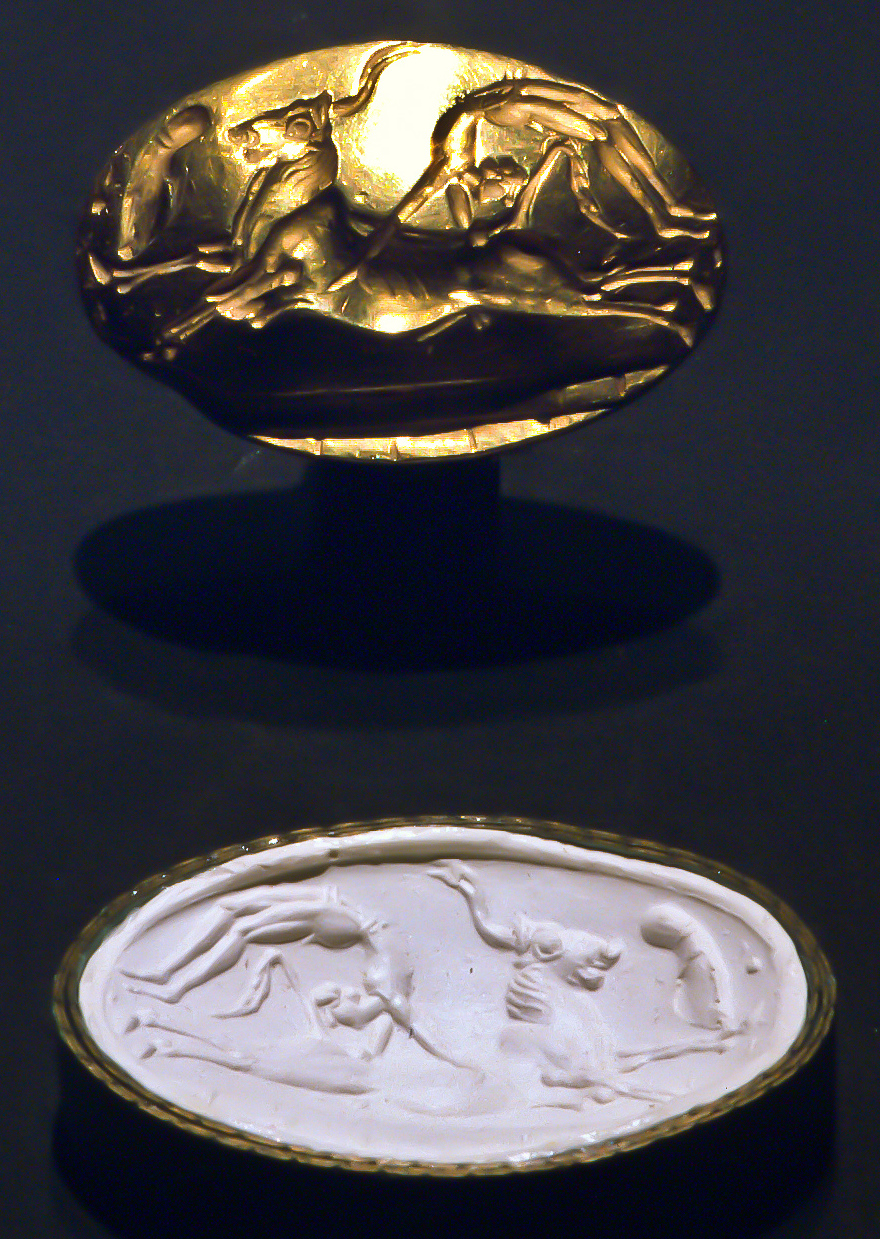 🇬🇷 GreeceMinoan sealstones
Carved gemstones and amulets from Bronze Age Crete used for identification and ritualCharm · Protection · Power and authority Historical
🇮🇶 IraqZu-buru-dabbedazú-buru5-dib-bé-da
Akkadian spells calling on gods and winds to drive pests from the fieldsText · Protection · Cleansing and purification Historical
 🇫🇷 FranceOn the Demonomania of the SorcerersDe la démonomanie des sorciers
Jean Bodin's 1580 treatise on witches, demons and their prosecutionText · Cursing and harm · Protection Historical
 🇫🇷 FrancePetit AlbertSecrets merveilleux de la magie naturelle et cabalistique du petit Albert
An 18th-century French grimoire of natural and cabalistic magic sold to rural householdsText · Protection · Luck and prosperity Historical
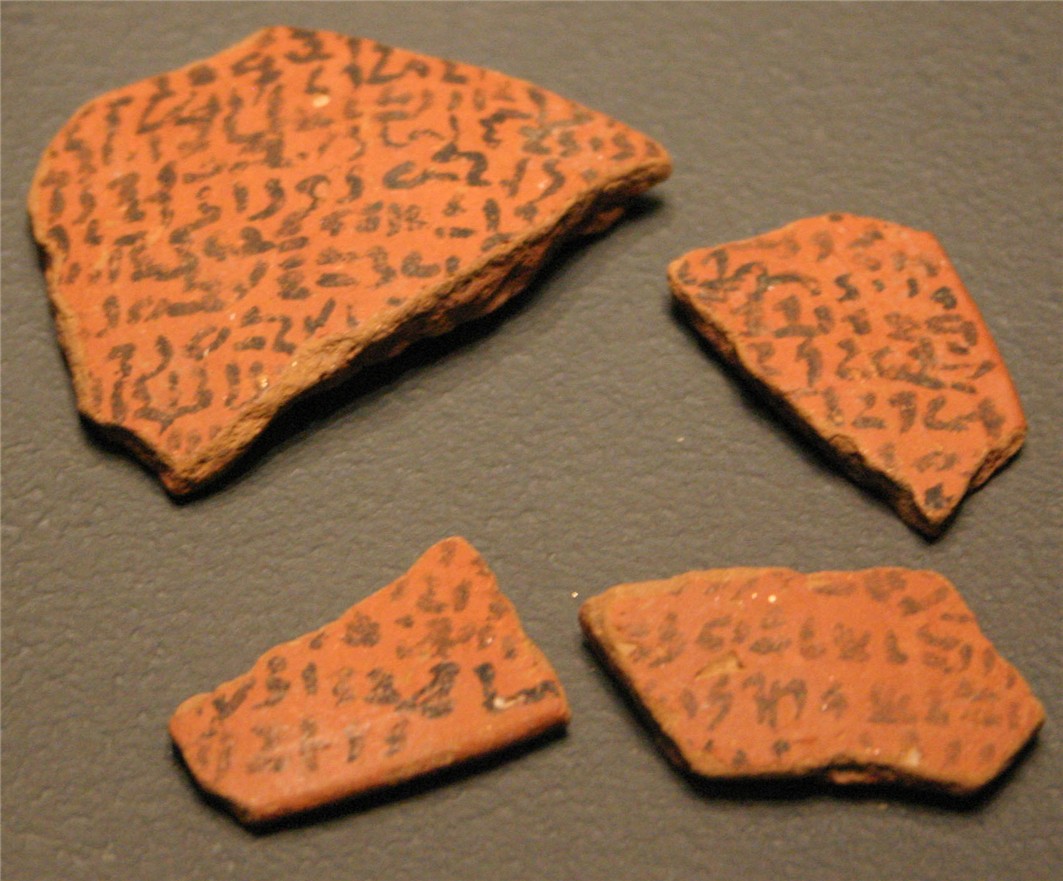 🇪🇬 Egypt and 4 moreExecration texts
Ancient Egyptian magical texts inscribed on objects to be destroyed, targeting enemies of the state.Text · Protection · Cursing and harm Historical
 🇸🇪 SwedenSaleby Runestone
A Swedish memorial stone raised by a husband for his wife, featuring an ancient curse.Text · Protection Historical
 🇹🇷 Turkey and 1 moreSeal of Muhammadختم الرسول (Khatm ar-Rasul)
Relics and designs attributed to the Prophet's signet ring and correspondence marks.Charm · Power and authority · Protection Historical
 🇳🇴 NorwayGrógaldr
An Old Norse poem about raising a dead seeress to ask for helpText · Cursing and harm · Protection Historical
🇮🇶 Iraq and 1 moreAramaic Uruk incantation
A Seleucid-era magical tablet written in Aramaic using cuneiform signsText · Cursing and harm · Protection Historical
Photo credits on this page
The small pictures above come from Wikimedia Commons under free licences. Some are cropped to fit.
- Grimoire: Bengt A. Lundberg, CC BY 2.5, source
- Atharvaveda: William Dwight Whitney / Charles Rockwell Lanman, Public domain, source
- Petit Albert: Albertus Parvus Lucius, CC BY-SA 4.0, source
- Sibylline Books: kladcat, CC BY 2.0, source
- Minoan sealstones: Andree Stephan, CC BY 3.0, source
- Three Books of Occult Philosophy: Heinrich Cornelius Agrippa, Public domain, source
- Papyrus of Ani: Photographed by the British Museum; original artist unknown, Public domain, source
- Sator Square: M Disdero, CC BY-SA 3.0, source
- Ahmad al-Buni: Khalili Collections, CC BY-SA 3.0 igo, source
- Kūkai: Unknown author, CC BY 4.0, source
- Ebers Papyrus: PEbers_c41.jpg : Einsamer Schütze derivative work: Photohound ( talk ), CC BY-SA 3.0, source
- Jiji ru lüling: Unknown author, Public domain, source
- Seal of Muhammad: unknown (drawing is signed in lower left corner), Public domain, source
- Ankh: Soutekh67, CC BY-SA 4.0, source
- Scarab: Rama, CC BY-SA 2.0 fr, source
- Execration texts: Naunakhte, CC BY-SA 3.0, source
- Saleby Runestone: Berig, CC BY-SA 3.0, source
- Galder: Bengt A. Lundberg, CC BY 2.5, source
- On the Demonomania of the Sorcerers: Jean Bodin, Public domain, source
- Grógaldr: W.G. Collingwood (1854 - 1932), Public domain, source