
Pydna curse tablets
Named for the site of discovery, Pydna, with the term katadesmos meaning a binding spell
Six ancient Greek lead sheets found in Macedonia, used to influence court cases
The Pydna curse tablets are six lead texts from fourth-century BC Macedon. Discovered near the city of Pydna, they contain names and spells intended to sway judicial outcomes. They offer key insights into local naming customs and legal magic.
- Six lead tablets found in a Macedonian cemetery
- Dated to the fourth century BC
- Used to influence judicial lawsuits
- List 66 individuals with Macedonian names
- Published by Curbera and Jordan in 2003
What it is
These artifacts consist of six lead plates inscribed with Ancient Greek text. Found in the ruins of Pydna, a major city in ancient Macedon, they date to the fourth century BC. Each plate functions as a katadesmos, or binding spell. Most scholars agree these were designed for judicial purposes. Three plates list only names, while others include specific language aimed at influencing court proceedings. The collection documents sixty-six individuals, providing a snapshot of the people living in the region during that era.
Where it comes from
The tablets were unearthed between 1994 and 1997 during excavations at the Makrygialos cemetery. Researchers published their findings in 2003. The practice of burying curses with the dead was common in Greek culture. It ensured the spell reached the underworld deities. This ritual existed in Macedonian cities before Philip II expanded his territory southward. The custom shows how local populations engaged with broader Greek social and religious norms.
How it is done
Scribes wrote the spells on thin lead sheets. They often placed these tablets inside graves. This placement was believed to help the curse travel to the spirits below. The texts typically targeted the tongues of opponents. Writers used verbs meaning to bind or silence. Some lists were simple catalogs of names. Others included complex phrases to hinder rivals in lawsuits. The format followed standard patterns seen across the Greek world.
Tools and materials
Lead was the primary material for these inscriptions. The writing style varied, with some tablets featuring unusually large letters. The texts utilized specific verbs like katadeuswo, meaning to bind down. Other common terms included words for writing down or raging. The physical act involved carving or scratching the metal. The location of burial was crucial for the ritual's perceived effectiveness.
Pydna curse tablets, drawn and placed
- Living
- Revived
- Fading
- Historical
- Legendary
- Performed
- Lineage
- Ancient Greek magical tradition
- Timing
- During legal disputes
What it is for
The main goal was to gain advantage in legal battles. Practitioners sought to silence opposing witnesses or litigants. By targeting the tongue, they hoped to prevent enemies from speaking against them. The spells were not random acts of malice but strategic tools. They reflected the high stakes of courtroom rhetoric in ancient society. Users believed the written word held power over speech and truth.
Who does it
Specific practitioners are unknown, as the tablets are anonymous. However, the use of formal legal terminology suggests educated writers. The names listed range from common citizens to those with noble associations. The onomasticon reveals typical Macedonian naming conventions. Scholars study these texts to understand the social hierarchy and family connections of the time.
Peoples and places
The tablets belong to the ancient Macedonian culture. They show strong ties to the wider Greek world through language and name choices. Many names appear frequently in other Greek regions. Some names are unique to this area, such as variations of Ptolemy. The linguistic features blend local dialects with Attic-Ionic influences. This mix highlights the cultural exchange happening in northern Greece during the fourth century BC.
At a glance: who, where and when

What people believe
Ancient Macedonians believed in lesser spirits called daimones. These entities navigated between gods and humans. Magic was often linked to the underworld and secret practices. People trusted that written curses could compel divine or spiritual forces. The belief system did not separate official religion from folk magic. Both coexisted to explain and influence daily events, especially justice and conflict.
When it is done
No specific festivals or calendar dates are tied to these tablets. They were created opportunistically during legal disputes. The timing depended entirely on when a lawsuit arose. There is no evidence of seasonal or annual rituals associated with their production. They were personal interventions rather than communal ceremonies.
How scholars and sceptics see it
Researchers view these tablets as vital historical sources. They provide data on ancient anthroponymy and prosopography. Linguists analyze the shift between local dialects and koine Greek. Historians note the prevalence of magic in urban centers. Studies show that curse-writing was widespread, not marginal. The tablets challenge older views that magic was solely an elite or hidden practice.
Cautions and what is closed
Modern handling of these artifacts requires care due to their age. Lead is a toxic material, though the risk is minimal for static displays. The texts themselves do not pose any active threat. They are historical objects studied for academic insight. No contemporary groups claim them as living religious items.
Compare and confuse
Similar curse tablets have been found in Pella and Arethousa. These share linguistic traits and ritual formats. The practice extends throughout the Greek world, including Attica and Lesbos. While the core concept of binding spells is universal, local names and dialects vary. The Pydna examples are distinct for their concentration in one cemetery.
Questions people ask about Pydna curse tablets
What are the Pydna curse tablets?
They are six lead inscriptions from fourth-century BC Macedon. Found near Pydna, they contain names and spells. The texts were likely used to influence legal cases by silencing opponents.
Where were these tablets discovered?
Excavators found them at the Makrygialos cemetery. This site is located near the ancient city of Pydna in Central Macedonia, Greece. They were uncovered between 1994 and 1997.
What was the purpose of these spells?
Most scholars believe they were judicial curses. Writers used them to harm rivals in court. The spells often targeted the tongues of litigants to prevent them from speaking effectively.
Why are these tablets important to historians?
They provide detailed information on ancient Macedonian names. The list of sixty-six individuals helps researchers understand local family structures. They also reveal how Greek magic blended with legal culture.
Good reading and sources
The facts on this page come from the Wikipedia article "Pydna curse tablets", written by its contributors and used under the CC BY-SA 4.0 licence, and from its Wikidata record (CC0). EveryJaadu rewrote the text in its own words, with AI assistance, and compares every page with the article to make sure no passage is copied. It may be reused under the same CC BY-SA 4.0 licence with a link back.
It may contain mistakes. Names and customs differ from one community to the next, and some knowledge is closed to outsiders and left out here. This page describes belief and practice. It does not say that any of it works, it is not a how-to, and it is not medical advice. If something is wrong, tell us. Last refreshed 2026-10-22.
More from Greece
All the entries from Greece 🇮🇹 Italy and 1 morePietro d'Abano
A medieval physician and astrologer accused of heresy and magic.Text · Healing · Wonder and entertainment Historical
🇮🇹 Italy and 1 moreKollyra curse tablet
An ancient Greek tablet cursing a thief to suffocation until stolen goods are returned.Text · Protection · Cursing and harm Historical
🇮🇹 Italy and 1 moreBooks of secrets
Early modern European compilations of recipes and formulae framed as hidden knowledgeText · Power and authority Historical
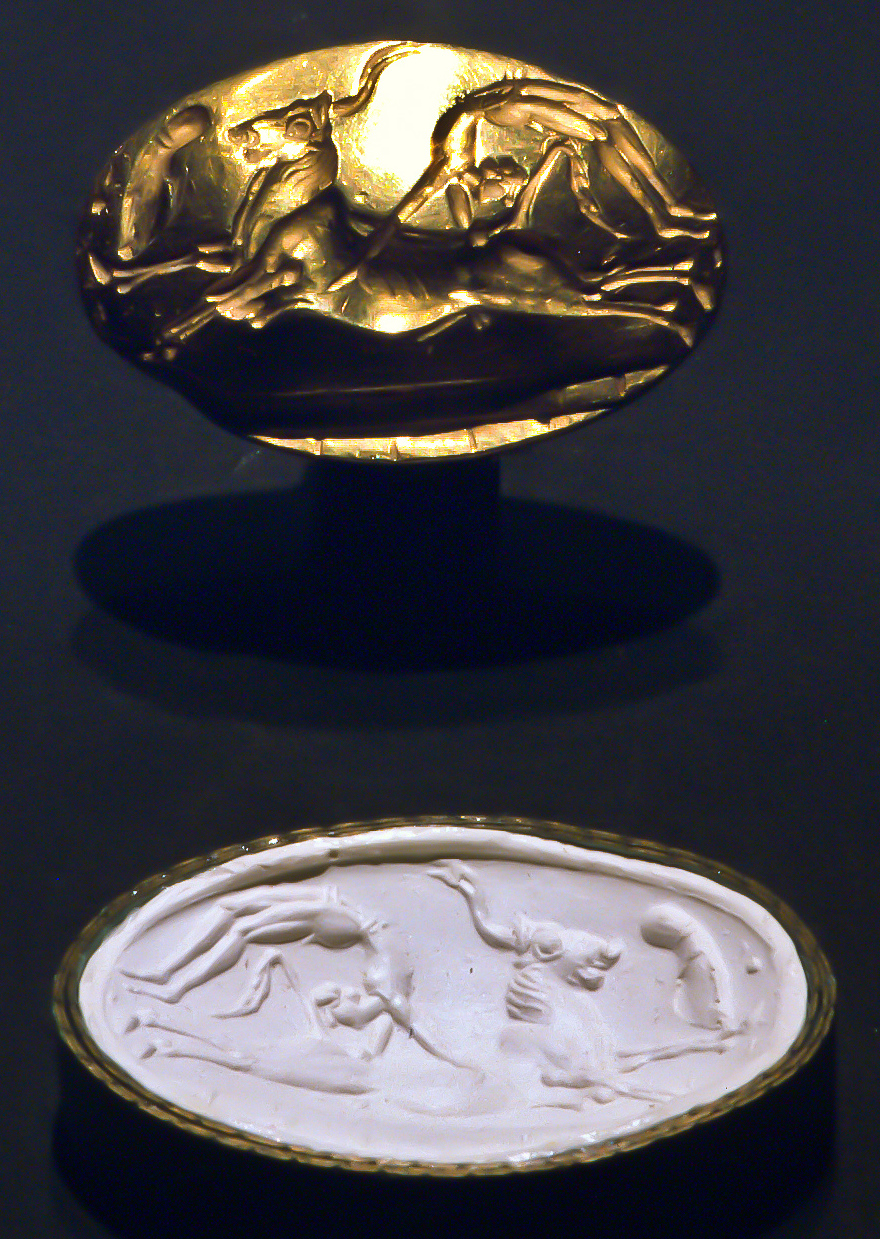 🇬🇷 GreeceMinoan sealstones
Carved gemstones and amulets from Bronze Age Crete used for identification and ritualCharm · Protection · Power and authority Historical
Related elsewhere
All text 🇳🇬 Nigeria and 4 moreJuju
A West African spiritual belief system involving charms and ritualsTradition · Healing · Luck and prosperity Living
🇮🇱 Israel and 5 moreBirkat haMinimברכת המינים
A Jewish liturgical curse against apostates and Christians within the daily standing prayerRite · Cursing and harm · Binding and oaths Historical
 🇱🇰 Sri LankaMara
A Buddhist figure representing the forces that block spiritual awakening and keep beings trapped in rebirth.Being · Cursing and harm · Binding and oaths Living
 🇰🇷 South KoreaKorean virgin ghost처녀귀신 (cheonyeo-gwisin)
A spirit of an unmarried woman who died with resentment in Korean folklore.Being · Cursing and harm · Binding and oaths Historical