Magicians, witches and legendary figures
The wise woman, the sorcerer, the legendary mage: Merlin, Baba Yaga, Circe and their kin.
Magical figures are the people, real and legendary, who stand for magic: Merlin, Baba Yaga, Circe, Hermes Trismegistus, Dr John Dee, Madame Blavatsky, the sorcerer in a village story, the Bulgarian seer Baba Vanga, and the performers Houdini and Chung Ling Soo. Some lived, some are composite, and some are pure myth. This page looks at who becomes a magic figure, and why. They are described here as stories and as history, and kept apart.
Who becomes a figure
Figures often sit at the edge of society. In many stories the witch is an older woman living alone, the sorcerer a foreigner or a rival tribe, the wise man a hermit. Real figures include John Dee, adviser to Elizabeth I, and Agrippa, whose De occulta philosophia (1533) shaped European occultism. Others are legend: Merlin appears in Welsh and French tales, and Baba Yaga is a Slavic folk figure who both helps and threatens.
Gender and reputation
The witch figure has been mostly female in Europe, where trials in the sixteenth and seventeenth centuries killed tens of thousands of people, most of them women. In other places accusation falls on men, on the old, on the poor or on the outsider. The learned magician, by contrast, was often male, literate and protected by rank, a division that shows how class shaped who was punished. Not every figure carries a stigma: Chinese immortals, Indian rishis and Irish saints are honoured, and the line between holy person and magician depends on who is telling the story.
Colonial and modern use
Missionary and colonial writers often cast African and Indigenous healers as the witch-doctor, a term most communities reject. The word covers healers, diviners and rulers who had very different roles. Today, figures are re-used in fantasy and branding. The Merlin of modern fantasy films is a long way from the Welsh Myrddin, and the name of a real tradition may be turned into a costume. Their stories have also been tools of politics: rulers have claimed legendary magicians as ancestors, and enemies have painted rivals as sorcerers to justify their removal.
Scholars and the real person
Historians separate documented people from legend and warn that many reports of magicians were written by their enemies. Evidence for some famous names, including Hermes Trismegistus, who was long thought to be an Egyptian sage, turned out to be later Greek-language writings. Treating a figure as legend rather than biography is no insult to those who revere them. A figure who may be a real person with a name, a date and a grave belongs in a different category from a legend, even when popular memory blends them, and the entries here try to keep them separate.
Figure on EveryJaadu
The entries written up so far, best known first.
 🇪🇹 Ethiopia and 5 morePrester JohnPresbyter Ioannes
A legendary Christian king and priest said to rule a lost kingdom in the East.Figure · Power and authority Legendary
 🇯🇵 JapanAbe no Seimei安倍 晴明
A historical court official turned legendary Japanese onmyōji and folk heroFigure · Protection · Seeing and foretelling Legendary
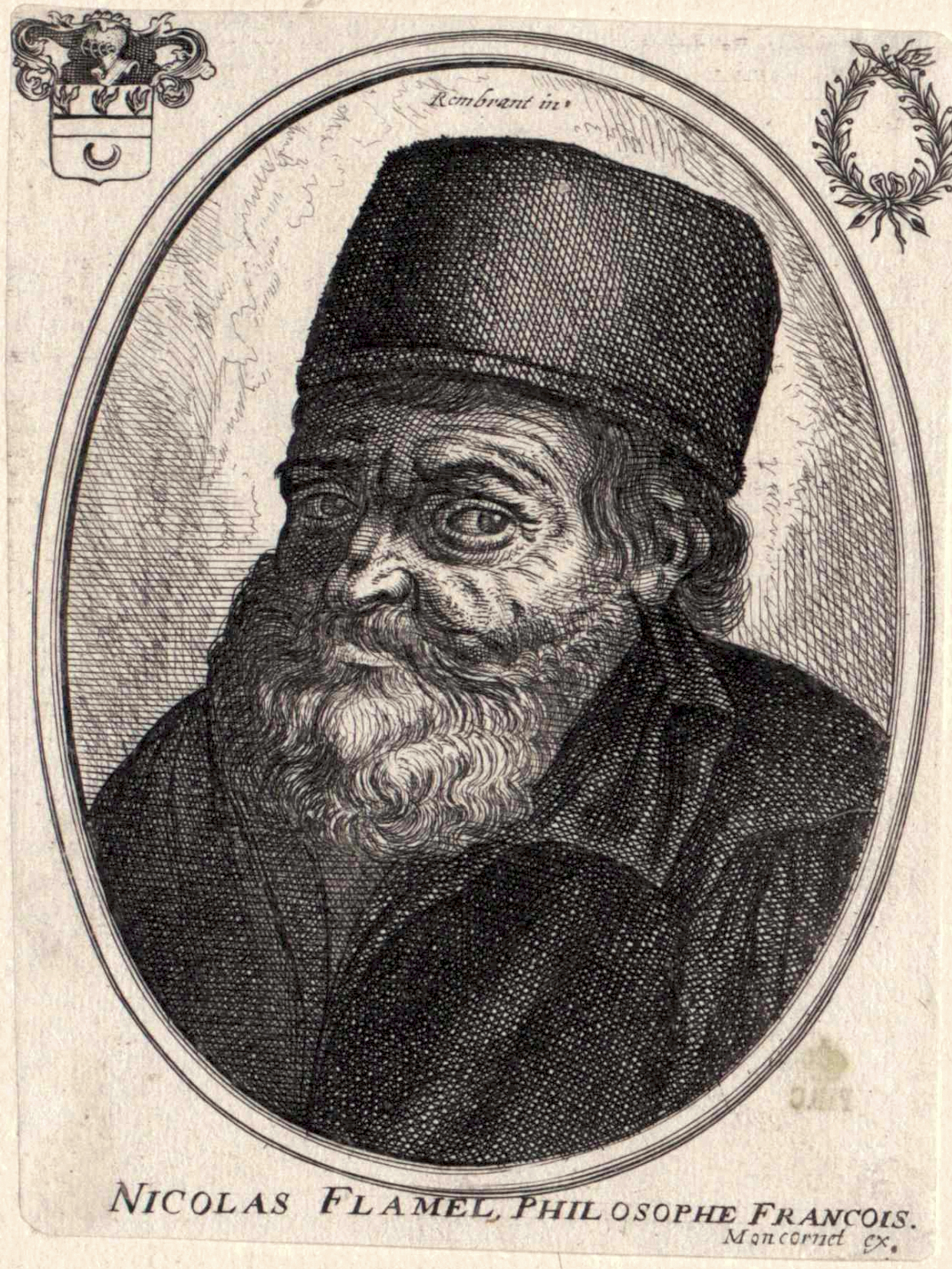 🇫🇷 FranceNicolas Flamel
A medieval scribe turned legendary alchemist and immortal in fictionFigure · Wonder and entertainment Legendary
🇬🇷 GreeceBaba Yaga (sample)Баба-яга
A witch of Slavic tales who lives in a hut on legs.Figure · Change and initiation Legendary
🇺🇸 United StatesRed Ghost
A legendary red camel with a skeleton rider from Arizona frontier folkloreFigure · Wonder and entertainment Legendary
 🇯🇵 JapanUchide no kozuchi打ち出の小槌
A legendary Japanese magic hammer that taps out desired items from thin airFigure · Luck and prosperity · Power and authority Legendary
🇻🇪 VenezuelaSayona
A vengeful Venezuelan ghost who hunts men for breaking marital vowsFigure · Cursing and harm Legendary
🇷🇺 RussiaMagic tablecloth
A cloth that produces food and meals when spread out in fairy talesFigure · Luck and prosperity · Protection Legendary
 🇪🇬 EgyptChimeraΧίμαιρα
A fire-breathing hybrid monster from Greek mythology, composed of lion, goat, and snake parts.Figure · Wonder and entertainment Legendary
 🇺🇸 United States and 1 moreBigfoot
A large, hairy humanoid creature of North American folklore and cryptozoologyFigure · Wonder and entertainment Legendary
 🇮🇳 India and 1 moreRavanaरावण (Rāvaṇa)
A ten-headed demon king of Lanka and a devoted follower of Shiva in Hindu tradition.Figure · Cursing and harm · Power and authority Legendary
 🇬🇷 Greece and 1 moreGolden FleeceΧρυσόμαλλον δέρας
A magical ram's skin from Greek myth, symbol of kingship and a quest objectFigure · Power and authority Legendary
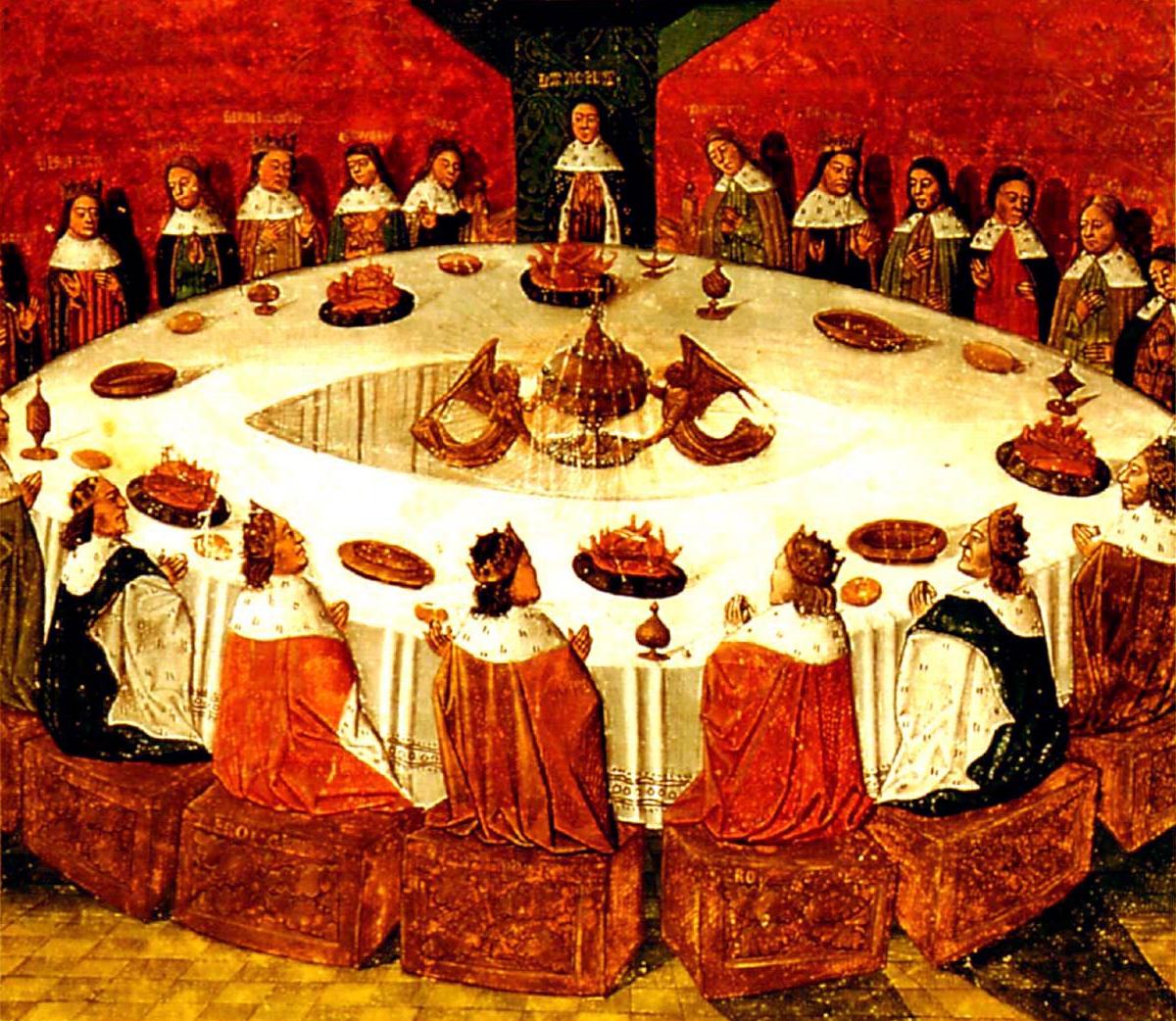 🇬🇧 United Kingdom and 1 moreRound Tablela Table ronde
A legendary table with no head, symbolizing equality among King Arthur's knights.Figure · Power and authority Legendary
 🇮🇹 Italy and 1 moreHippogriffippogrifo
A legendary hybrid creature with the front of an eagle and the back of a horse.Figure · Wonder and entertainment Legendary
 🇫🇷 France and 2 moreMelusineMélusine
A water spirit of French and Luxembourgish lore, known for her serpent form and the castles she built.Figure · Luck and prosperity · Power and authority Legendary
 🇮🇪 Ireland and 1 moreFionn mac CumhaillFionn mac Cumaill
A legendary Irish hero and leader of the Fianna warrior bandFigure · Power and authority · Wonder and entertainment Legendary
 🇷🇺 Russia and 1 moreVegetable Lamb of Tartary
A legendary plant-animal from Central Asia said to grow sheep as fruitFigure · Wonder and entertainment Legendary
 🇷🇺 RussiaGolden apple
A mythical fruit that sparks quests, wars, and linguistic confusion across culturesFigure · Cursing and harm · Luck and prosperity Legendary
 🇨🇳 ChinaYeren野人
A Chinese cryptid apeman reported in remote mountains since ancient timesBelief · Wonder and entertainment Legendary
 🇺🇸 United StatesSkunk ape
A large, hairy humanoid cryptid said to live in Florida swamps and forestsFigure · Wonder and entertainment Legendary
🇳🇬 Nigeria and 1 moreMadam Koi Koi
A Nigerian school ghost known for the sound of her heelsFigure · Cursing and harm Legendary
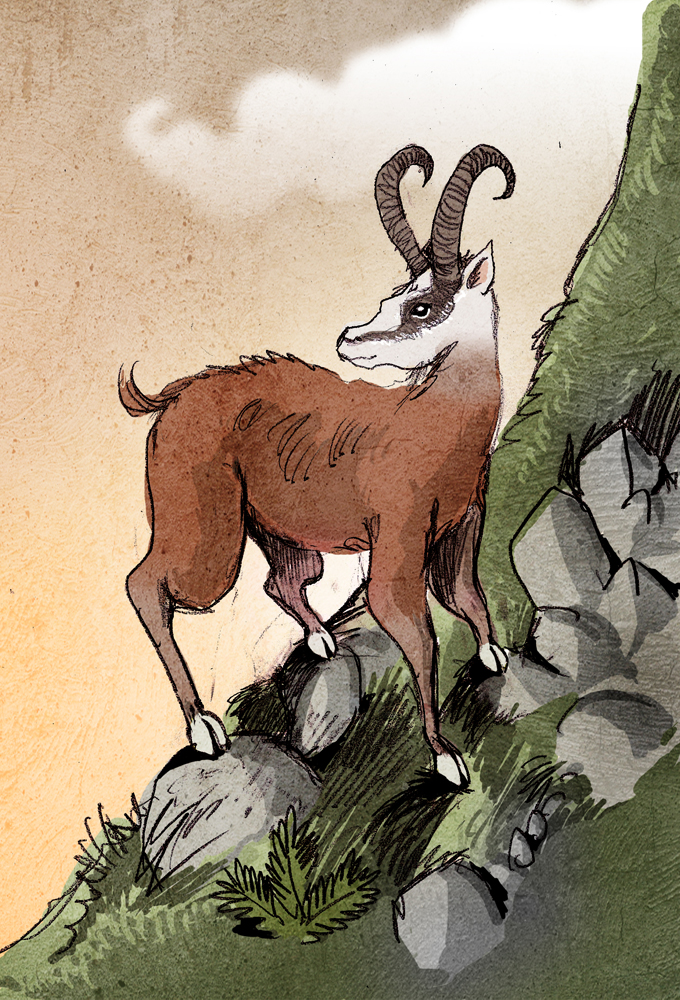 🇫🇷 France and 3 moreDahu
A French mountain legend about an asymmetrical goat used in practical jokesFigure · Wonder and entertainment Legendary
 🇺🇸 United StatesLoveland frog
A legendary humanoid creature sighted in Ohio, often linked to urban folklore and local tourism.Figure · Wonder and entertainment Legendary
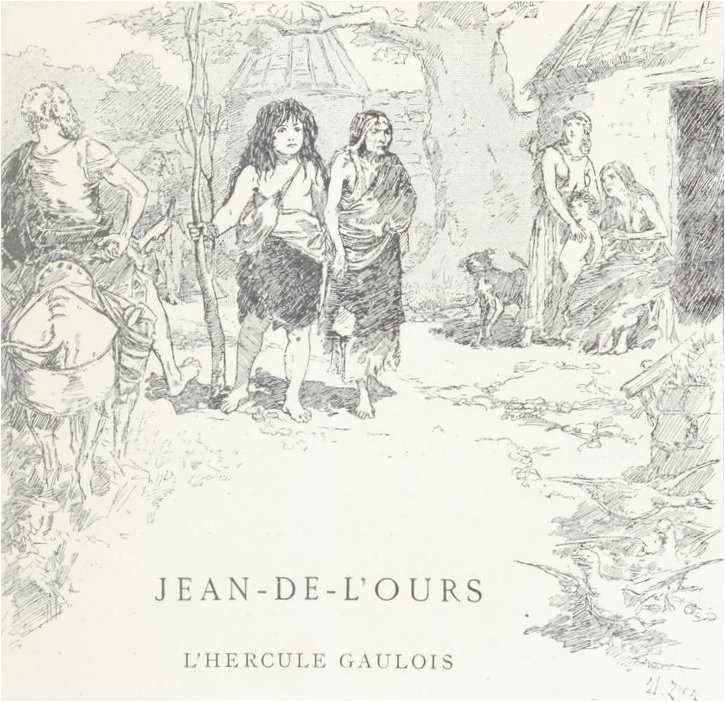 🇫🇷 France and 4 moreJean de l'Ours
A half-bear folk hero who rescues princesses from an underworld giant.Figure · Power and authority Legendary
 🇷🇺 Russia and 1 moreBabayБабай
A night spirit in Slavic folklore used to frighten children into sleepingFigure · Cursing and harm Legendary
 🇬🇧 United Kingdom and 2 moreJenny Greenteeth
A river-hag from English folklore used to warn children away from dangerous watersFigure · Cursing and harm Legendary
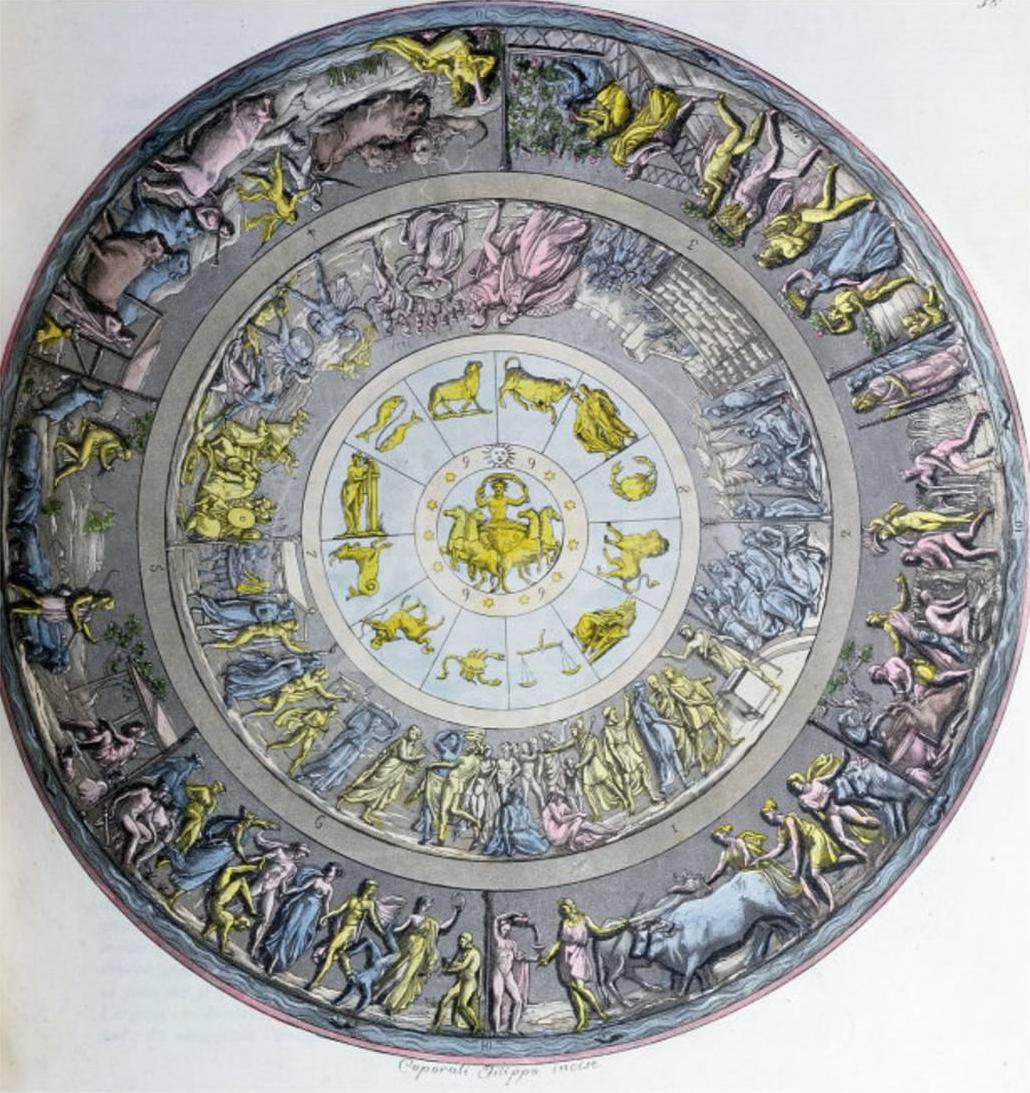 🇬🇷 GreeceShield of Achilles
A mythical shield forged by Hephaestus, decorated with a complete picture of the world and human life.Figure · Power and authority Legendary
 🇬🇧 United Kingdom and 1 moreOwlmanKowanden
A winged humanoid creature from Cornish folklore, linked to a 1976 sighting event.Figure Legendary
 🇬🇷 Greece and 1 moreCacodemonκακοδαίμων (kakodaimōn)
An ancient Greek evil spirit, depicted as a horned youth and used in literature and games.Being · Cursing and harm Legendary
 🇯🇵 JapanShikome黄泉醜女 (Yomotsu-shikome)
A hag from the Japanese underworld who pursued Izanagi after he shamed Izanami.Figure · Cursing and harm Legendary
 🇮🇪 IrelandMerrowmurúch
A sea creature from Irish folklore, known for its magical cap and singing voice.Figure · Wonder and entertainment Legendary
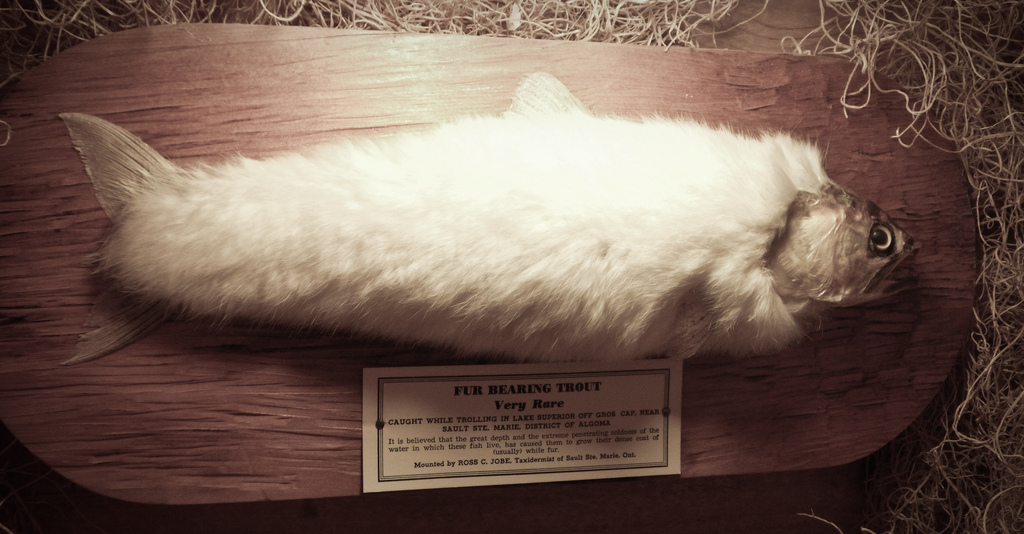 🇮🇸 Iceland and 2 moreFur-bearing troutLoðsilungur
A legendary fish with a coat of fur, found in North American and Icelandic tall tales.Figure · Wonder and entertainment Legendary
 🇺🇸 United States and 1 moreSpider GrandmotherKokyangwuti
An ancestral spirit and creator who guides mortals, protects homes, and teaches weavingFigure · Protection · Healing Legendary
 🇪🇪 EstoniaVanapaganVanatühi
A giant farmer and underworld figure from Estonian folklore who is often outwitted.Figure · Cursing and harm Legendary
 🇳🇿 New ZealandPania
A sea maiden from Māori legend who became a symbol for Napier, New Zealand.Figure Legendary
🇦🇲 Armenia and 2 moreAzhdahakԱժդահակ
A dragon-like demon of Armenian and Iranian myth, imprisoned in a mountain until the end of time.Figure · Cursing and harm Legendary
🇬🇪 GeorgiaOchokochiოჩოკოჩი
A Georgian mythic figure who kills travelers and chases the Queen of the ForestFigure Legendary
 🇨🇳 ChinaKui夔 (kuí)
A one-legged mountain spirit and ancient music master from Chinese mythologyBeing · Power and authority · Wonder and entertainment Legendary
 🇮🇪 IrelandFour Treasures of the Tuatha Dé DanannCeithre Bhua na Tuath Dé Danann
Four magical items brought to Ireland by the mythological Tuatha Dé DanannFigure · Wonder and entertainment Legendary
 🇮🇳 IndiaKeibu Keioiba
A tiger-headed man from Manipur folklore who was once a priestFigure · Cursing and harm Legendary
 🇪🇪 EstoniaThe Dragon of the NorthPõhja konn
A legendary frog-like monster from Estonian folklore, later reimagined as a cultural guardian.Figure · Cursing and harm · Protection Legendary
🇮🇹 ItalyLariosauro
A lake monster legend from Lake Como, Italy, born from newspaper hoaxes and misidentified animals.Figure · Wonder and entertainment Legendary
 🇨🇳 China and 1 moreFengli风狸 / 風狸
A legendary flying mammal from Chinese lore, said to carry a magic wand and resist death.Figure · Wonder and entertainment Legendary
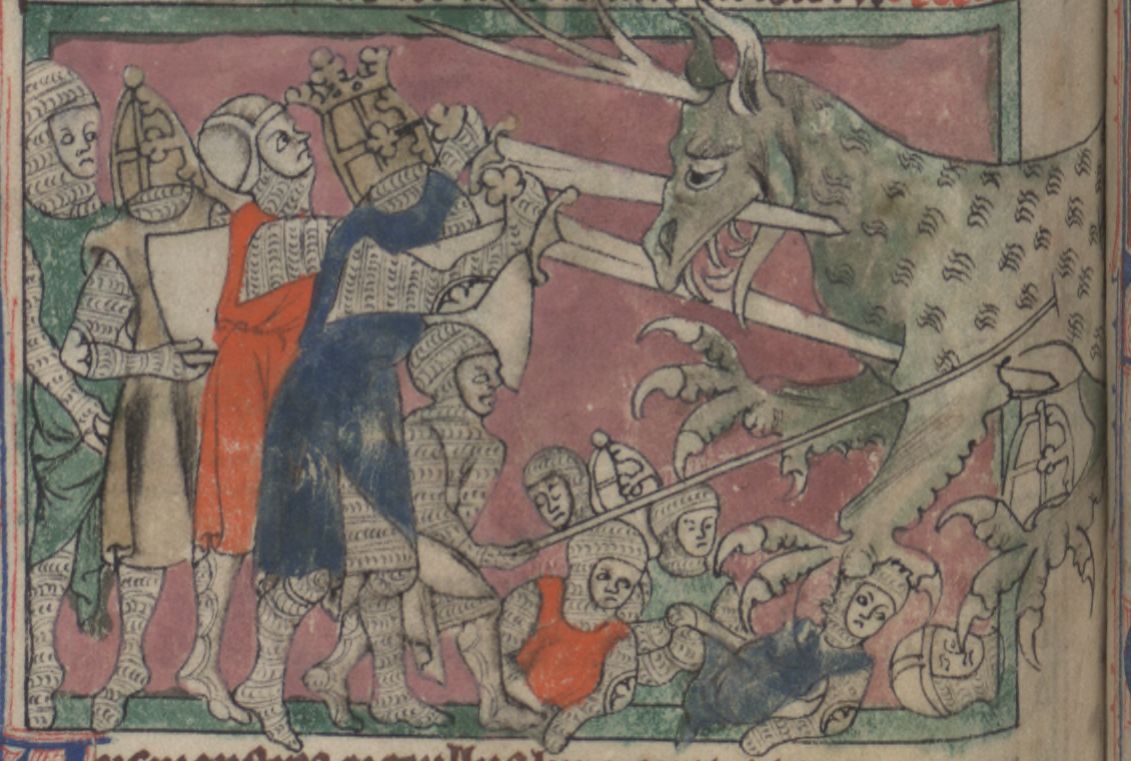 🇸🇾 SyriaOdontotyrannosόδοντοτύραννος
A mythical three-horned beast from Alexander the Great's Indian campaignsFigure Legendary
 🇩🇪 Germany and 2 moreWitege
A Germanic legendary warrior who shifts from loyal companion to traitor in epic poems.Figure · Power and authority Legendary
🇮🇹 ItalyMonacielloMunaciello
A Neapolitan sprite linked to the city's underground waterways and hidden wealth.Figure · Luck and prosperity · Cursing and harm Legendary
 🇫🇮 Finland and 1 moreLemminkäinen
A shaman-hero of Finnish and Karelian myth who dies and is resurrected by his motherFigure · Wonder and entertainment Legendary
🇨🇳 ChinaPanhu盤瓠
A dragon-dog origin myth of the Yao and She peoples in ChinaFigure · Speaking with spirits and the dead Legendary
Photo credits on this page
The small pictures above come from Wikimedia Commons under free licences. Some are cropped to fit.
- Vanapagan: Kristjan Raud, Public domain, source
- Keibu Keioiba: Haoreima, CC BY-SA 4.0, source
- Melusine: GilPe, CC BY-SA 3.0, source
- Skunk ape: MikesMegapixels, CC BY 3.0, source
- Abe no Seimei: Unknown author, Public domain, source
- Nicolas Flamel: Balthasar Moncornet, Public domain, source
- Cacodemon: Louis Le Breton, Public domain, source
- Uchide no kozuchi: Yashima Gakutei, CC0, source
- Loveland frog: Tim Bertelink, CC BY-SA 4.0, source
- Shield of Achilles: Angelo Monticelli (1778-1837), Public domain, source
- Jean de l'Ours: Édouard François Zier (1856–1924), illustrator, Public domain, source
- Dahu: Philippe Semeria, CC BY 3.0, source
- Odontotyrannos: anonymous, London, England, 14th century, Public domain, source
- Golden Fleece: Underworld Painter, Public domain, source
- Vegetable Lamb of Tartary: Unknown author, Public domain, source
- Bigfoot: Roger Patterson and Robert Gimlin, Public domain, source
- Fengli: Anonymous (1603), Public domain, source
- Round Table: Évrard d'Espinques, Public domain, source
- Golden apple: Guido Reni, Public domain, source
- The Dragon of the North: Ivo Kruusamägi, CC BY-SA 4.0, source
- Babay: Kyoukaa, CC BY-SA 4.0, source
- Yeren: Rolf Müller, CC BY-SA 3.0, source
- Owlman: Krzysztof Wisniewski, CC BY-SA 4.0, source
- Kui: Dave Pape, Public domain, source
- Spider Grandmother: Navajo artist, Public domain, source
- Fur-bearing trout: Samantha Marx, CC BY 2.0, source
- Chimera: Lampas Group, Public domain, source
- Lemminkäinen: Akseli Gallen-Kallela, Public domain, source
- Four Treasures of the Tuatha Dé Danann: spud murphy, CC BY-SA 2.0, source
- Prester John: Diogo Homem, Public domain, source
- Merrow: Andreas F. Borchert, CC BY-SA 4.0, source
- Witege: Max Koch, (1859–1930), Public domain, source
- Fionn mac Cumhaill: Ary Scheffer / Formerly attributed to Anne-Louis Girodet, Public domain, source
- Ravana: Gita Press Gorakhpur, CC0, source
- Jenny Greenteeth: Jayan.thanal, CC BY-SA 4.0, source
- Shikome: Raita Futo, CC BY 2.0, source
- Pania: Summer Skyes 11, CC BY 2.0, source
- Hippogriff: LadyofHats, CC0, source