
Witege
Likely derived from the Gothic name Vidigoia or the historical king Vitiges
A Germanic legendary warrior who shifts from loyal companion to traitor in epic poems.
Witege is a figure found in medieval German heroic legends and Scandinavian ballads. He begins as a follower of the hero Dietrich von Bern before betraying him to join the usurper Ermenrich. Scholars trace his origins to historical Gothic leaders or mythic smiths.
- Witege betrays Dietrich von Bern to join Ermenrich
- He wields the magical sword Mimung
- Rides the stallion Schemming
- Son of the smith Wayland in later tales
- Linked to Gothic king Vitiges
What it is
Witege appears across various Germanic heroic traditions as a complex warrior figure. In early accounts, he serves as a loyal retainer to the exiled hero Dietrich von Bern. Later narratives transform him into a betrayer who abandons Dietrich for his cruel uncle, Ermenrich. This shift defines his character arc in medieval literature. He is also linked to Norse mythology through his parentage as the son of the master smith Wayland. His story blends historical events with fictional adventure, creating a lasting image of a skilled but conflicted fighter.
Where it comes from
The character likely stems from real historical figures. One theory connects him to Vidigoia, a fierce Gothic leader praised by the historian Jordanes. Another links him to Vitiges, an Ostrogoth king who surrendered Ravenna to Byzantine forces. The betrayal motif may also borrow from Tufa, who deserted Theodoric. Over time, these historical fragments merged with myth. By the Middle Ages, writers added that he was the son of Wayland the Smith, explaining his magical weapons and strength.
How it is done
Stories describe Witege as a formidable combatant. He wields the enchanted sword Mimung, forged by his father. He rides the swift stallion Schemming. In some tales, he fights alongside Dietrich against giants and dwarves. In others, he leads armies against his former master. His actions include capturing cities, killing young warriors like Alphart, and engaging in single combats. A duel with Dietrich himself ends only when divine or external intervention stops it.
Tools and materials
His primary weapon is the sword Mimung, known for its sharpness and magical origin. He rides Schemming, a horse gifted by his father or Dietrich. Some versions give him a banner featuring a silver serpent. As the son of Wayland, he sometimes carries a hammer and tongs in his heraldry. These items symbolize his smith lineage and his status as a chosen warrior.
Witege, drawn and placed
- Living
- Revived
- Fading
- Historical
- Legendary
- Performed
- Lineage
- Dietrich von Bern cycle
What it is for
In the legends, Witege serves as a foil to Dietrich. His loyalty tests the hero's patience and justice. His betrayal drives the plot of many poems, forcing Dietrich to reclaim his kingdom. For readers, he represents the dangers of broken oaths and the complexity of human nature. His character explores themes of kinship, duty, and the consequences of ambition.
Who does it
Witege is a fictional character studied by scholars of medieval literature. He appears in poems like the Nibelungenlied, Laurin, and Virginal. Writers such as Wolfram von Eschenbach mention him. The Þiðrekssaga gives him a detailed backstory involving his youth and training. Modern historians analyze his possible links to Gothic kings. He has no living practitioners or religious role today.
Peoples and places
The character is central to the German Dietrich von Bern cycle. He also appears in Scandinavian ballads and the Icelandic Þiðrekssaga. In Norse versions, he is called Viðga. The stories spread across Europe, influencing later heroic tales. Different cultures adapted his name and deeds to fit their own linguistic and narrative traditions.
At a glance: who, where and when
Peoples
Belief worlds
What people believe
The tales reflect a worldview where fate and personal choice intersect. Warriors are bound by oaths to their lords. Breaking these oaths brings shame and conflict. The presence of magical items like Mimung suggests a world where craft and destiny are intertwined. The character embodies the tension between loyalty to family and loyalty to a ruler.
When it is done
The stories do not tie Witege to specific festivals or seasons. His adventures unfold within the narrative timeline of the heroic cycles. They occur during wars, journeys, and duels rather than on fixed calendar dates.
How scholars and sceptics see it
Researchers debate whether Witege is based on Vidigoia or Vitiges. Some note similarities in names and deeds. Others see him as a purely literary creation. Studies examine how his character evolved from loyal friend to traitor. Scholars also explore his connection to Wayland the Smith and the symbolism of his weapons.
Cautions and what is closed
As a fictional character, Witege poses no physical risk. However, his story involves violence and betrayal. Readers should understand that these are medieval literary tropes. The tales reflect the values and conflicts of their time, not modern moral standards.
Compare and confuse
Witege is similar to other betrayed companions in heroic lore. He shares traits with characters who switch sides due to greed or fear. His link to Wayland the Smith parallels other heroes born of mythical craftsmen. Comparisons can be made to figures in Arthurian legend who face similar tests of loyalty.
Law and persecution
There are no legal restrictions regarding Witege. He is a public domain character in literature. His story is freely adapted in books, films, and games. No specific laws protect or prohibit his depiction.
Questions people ask about Witege
Who is Witege?
Witege is a legendary warrior from Germanic heroic poems. He starts as a follower of Dietrich von Bern but later betrays him to serve the usurper Ermenrich.
Where does the story come from?
The tales originate in medieval German literature, including the Nibelungenlied and Dietrich poems. They also appear in Scandinavian ballads and the Þiðrekssaga.
Is Witege based on a real person?
Scholars believe he may be based on the Gothic leader Vidigoia or the Ostrogoth king Vitiges. His story mixes historical events with myth.
What weapons does he use?
He uses the sword Mimung, forged by his father Wayland. He also rides the horse Schemming and carries a banner with a silver serpent.
Good reading and sources
The facts on this page come from the Wikipedia article "Witege", written by its contributors and used under the CC BY-SA 4.0 licence, and from its Wikidata record (CC0). EveryJaadu rewrote the text in its own words, with AI assistance, and compares every page with the article to make sure no passage is copied. It may be reused under the same CC BY-SA 4.0 licence with a link back.
It may contain mistakes. Names and customs differ from one community to the next, and some knowledge is closed to outsiders and left out here. This page describes belief and practice. It does not say that any of it works, it is not a how-to, and it is not medical advice. If something is wrong, tell us. Last refreshed 2026-10-06.
More from Germany
All the entries from Germany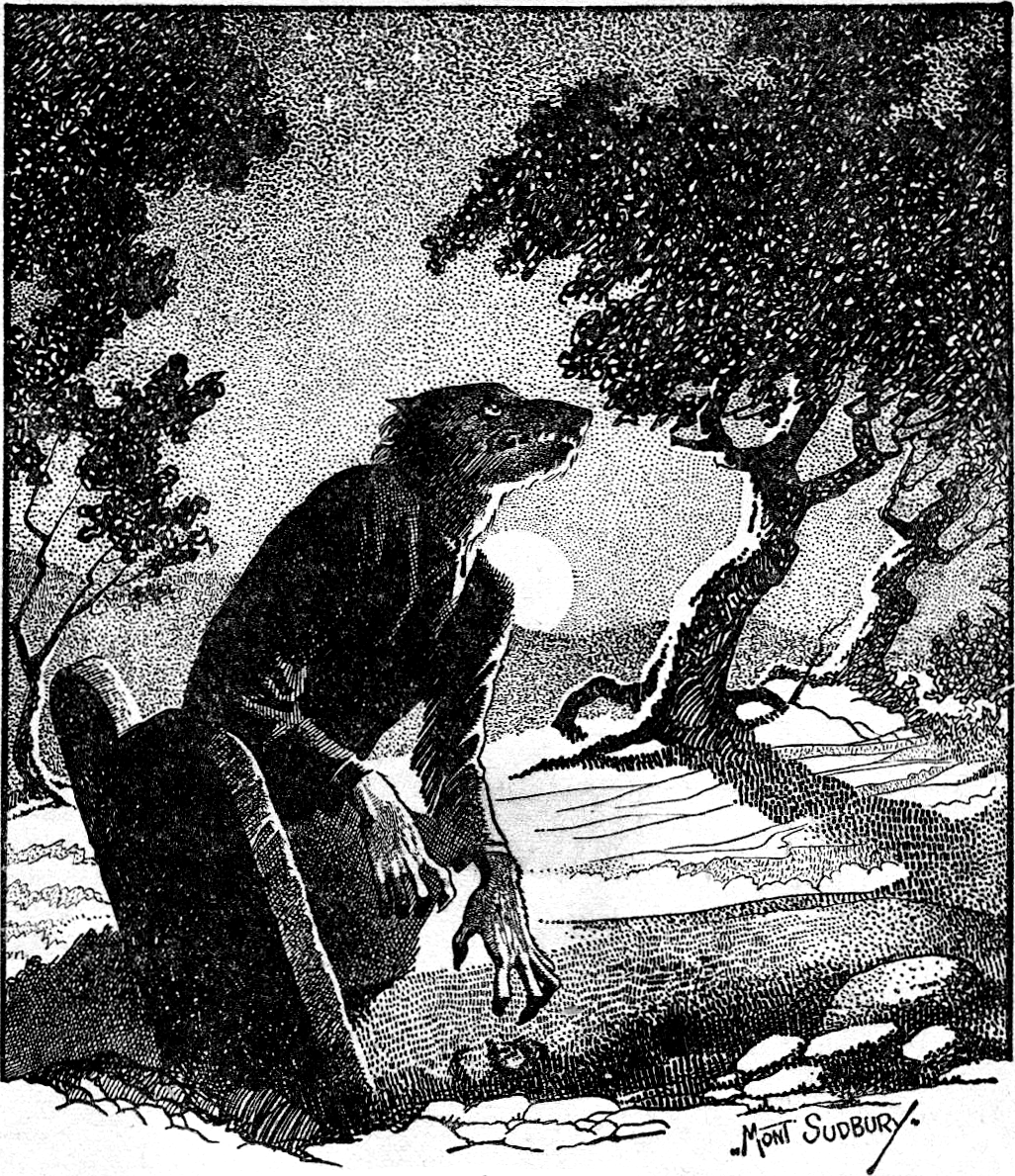 🇫🇷 France and 5 moreWerewolf
A mythical shapeshifter that turns into a wolf, central to European witch-hunts and Gothic horror.Being · Cursing and harm · Wonder and entertainment Legendary
🇫🇷 France and 5 moreWerewolf
A mythical shapeshifter that turns into a wolf, central to European witch-hunts and Gothic horror.Being · Cursing and harm · Wonder and entertainment Legendary
 🇩🇪 GermanyPied Piper of Hamelinder Rattenfänger von Hameln
A medieval legend about a piper who leads children away from the town of HamelinFigure · Cursing and harm · Luck and prosperity Legendary
🇩🇪 GermanyJohannes Junius
Mayor of Bamberg executed in the witch trials, known for a letter to his daughterFigure Historical
🇩🇪 GermanyPied Piper of Hamelinder Rattenfänger von Hameln
A medieval legend about a piper who leads children away from the town of HamelinFigure · Cursing and harm · Luck and prosperity Legendary
🇩🇪 GermanyJohannes Junius
Mayor of Bamberg executed in the witch trials, known for a letter to his daughterFigure Historical
 🇧🇷 Brazil and 5 moreWhite Lady
A female ghost in white clothing linked to tragedy and omens across many culturesFigure · Cursing and harm · Seeing and foretelling Legendary
🇧🇷 Brazil and 5 moreWhite Lady
A female ghost in white clothing linked to tragedy and omens across many culturesFigure · Cursing and harm · Seeing and foretelling Legendary
Related elsewhere
All figure 🇮🇳 India and 5 moreAstrology
A divinatory practice that reads human fate through the positions of celestial bodies.Belief · Seeing and foretelling · Luck and prosperity Living
🇮🇳 India and 5 moreAstrology
A divinatory practice that reads human fate through the positions of celestial bodies.Belief · Seeing and foretelling · Luck and prosperity Living
 🇮🇳 India and 2 morePalmistry
A divination method that interprets the lines and shapes of the hand to predict fate or reveal character.Oracle · Seeing and foretelling · Power and authority Living
🇮🇳 India and 2 morePalmistry
A divination method that interprets the lines and shapes of the hand to predict fate or reveal character.Oracle · Seeing and foretelling · Power and authority Living
 🇨🇳 China and 3 moreChinese dragon龍
A legendary water deity and imperial symbol in East Asian cultureBeing · Protection · Luck and prosperity Historical
🇨🇳 China and 3 moreChinese dragon龍
A legendary water deity and imperial symbol in East Asian cultureBeing · Protection · Luck and prosperity Historical
 🇮🇳 India and 1 moreGarba
A Gujarati circle dance performed around a central symbol during NavaratriIllusion · Power and authority · Luck and prosperity Living
🇮🇳 India and 1 moreGarba
A Gujarati circle dance performed around a central symbol during NavaratriIllusion · Power and authority · Luck and prosperity Living