
Phoebe
In its own language: Φοίβη (Phoíbē)
from Ancient Greek Phoíbē, meaning 'bright' or 'pure'
A Titaness of prophecy and the original keeper of the Delphic oracle
In ancient Greek religion, Phoebe was a Titaness associated with intellect and prophecy. She held the Oracle of Delphi before passing it to her grandson Apollo, linking her lineage to major deities like Artemis and Hecate.
- Daughter of Uranus and Gaia, belonging to the Titan generation
- Held the Oracle of Delphi before giving it to Apollo
- Grandmother of Apollo, Artemis, and Hecate
- Name means bright and is linked to prophecy
- Depicted on the Pergamon Altar fighting giants with a torch
What it is
Phoebe is a figure from ancient Greek mythology, identified as one of the Titans. She represents intellect and the power of prophecy. While her name means bright, she is not primarily worshipped as a moon goddess herself. Instead, her identity is tied to her family tree, which includes major gods like Apollo, Artemis, and Hecate. She serves as a bridge between the older generation of divine beings and the Olympian order.
Where it comes from
She is the daughter of Uranus, the sky, and Gaia, the earth. Alongside her siblings, including the Cyclopes and Hecatoncheires, she belongs to the first generation of divine offspring. Her consort was her brother Coeus. Together they had two daughters, Leto and Asteria. This union placed her at the center of a powerful divine lineage that would shape much of Greek religious belief.
Tools and materials
Artistic depictions are rare due to her limited role in active worship. When shown, such as on the Pergamon Altar, she holds a flaming torch. She is often depicted wearing a diadem and a creased dress. In these scenes, she fights alongside her daughters against giants, reflecting her status as a powerful primordial figure rather than a ritual object user.
Phoebe, drawn and placed
- Living
- Revived
- Fading
- Historical
- Legendary
- Performed
- Lineage
- Greek mythology
What it is for
Her primary mythological function involves the transfer of oracular power. According to certain accounts, she received control of the Oracle of Delphi from Themis. She then passed this site and her name to her grandson Apollo. This act established the prophetic authority of Apollo and linked his priesthood to her ancient legacy of foresight.
Who does it
No specific priestly class is dedicated solely to Phoebe in surviving records. She is studied by scholars of classical antiquity who analyze her genealogical role. Her significance lies in her position within the mythic family structure rather than in independent cult practice. She is understood through literary texts and artistic fragments rather than through ongoing ritual participation.
Peoples and places
The concept of Phoebe originates in ancient Greece. She appears in the works of poets like Hesiod and playwrights like Aeschylus. Roman authors later adopted her name, applying it to lunar deities like Diana. The name also influenced the naming of celestial bodies, such as a moon of Saturn, and remains a popular human given name in English-speaking regions today.
At a glance: who, where and when
Peoples


What people believe
Ancient believers viewed the Titans as primordial forces. Phoebe’s association with brightness connected her to light and truth. Her transfer of the Delphi oracle symbolized the shift in divine power from the old Titan order to the new Olympian regime. Her name became synonymous with prophecy, influencing how later generations understood the nature of divine inspiration.
How scholars and sceptics see it
Modern researchers examine Phoebe to understand the evolution of Greek religious thought. Some scholars suggest that her role in holding the Delphi oracle may be a literary invention by Aeschylus to explain the transition of power. Others view her as a genuine reflection of early oracular traditions that predated Apollo’s dominance at the site.
Compare and confuse
Phoebe is often confused with Artemis or Diana due to the shared meaning of her name. While her grandchildren took on lunar roles, Phoebe herself remained distinct as a Titaness. Her name is also related to Phoebus, the epithet of Apollo, highlighting the familial connection between solar and prophetic powers in Greek myth.
Questions people ask about Phoebe
Who is Phoebe in Greek mythology?
Phoebe is a Titaness, the daughter of Uranus and Gaia. She is associated with intellect and prophecy. She is the grandmother of major gods like Apollo and Artemis.
What does the name Phoebe mean?
The name comes from Ancient Greek and means bright or pure. It was used as an epithet for Apollo and later applied to lunar goddesses like Artemis and Diana.
Did Phoebe own the Oracle of Delphi?
According to some myths, yes. She received the oracle from Themis and then gave it to her grandson Apollo, transferring both the site and her prophetic name.
Is Phoebe a moon goddess?
Not directly. While her name was applied to moon goddesses like Artemis, Phoebe herself was a Titaness. Her lunar associations came through her descendants inheriting her title.
Good reading and sources
- Phoebe (Titaness) on WikipediaEncyclopedia
- More photos on Wikimedia CommonsPhotos and video
- Wikidata recordOpen data
The facts on this page come from the Wikipedia article "Phoebe (Titaness)", written by its contributors and used under the CC BY-SA 4.0 licence, and from its Wikidata record (CC0). EveryJaadu rewrote the text in its own words, with AI assistance, and compares every page with the article to make sure no passage is copied. It may be reused under the same CC BY-SA 4.0 licence with a link back.
It may contain mistakes. Names and customs differ from one community to the next, and some knowledge is closed to outsiders and left out here. This page describes belief and practice. It does not say that any of it works, it is not a how-to, and it is not medical advice. If something is wrong, tell us. Last refreshed 2026-10-10.
More from Greece
All the entries from Greece 🇷🇸 Serbia and 5 moreVampire
An undead creature from folklore that feeds on the blood or life force of the livingBeing · Cursing and harm · Luck and prosperity Legendary
🇷🇸 Serbia and 5 moreVampire
An undead creature from folklore that feeds on the blood or life force of the livingBeing · Cursing and harm · Luck and prosperity Legendary
 🇮🇹 Italy and 1 morePietro d'Abano
A medieval physician and astrologer accused of heresy and magic.Text · Healing · Wonder and entertainment Historical
🇮🇹 Italy and 1 morePietro d'Abano
A medieval physician and astrologer accused of heresy and magic.Text · Healing · Wonder and entertainment Historical
 🇬🇷 GreeceCassandraΚασσάνδρα
A Trojan priestess cursed to speak truth that no one acceptsFigure · Seeing and foretelling Legendary
🇬🇷 GreeceCassandraΚασσάνδρα
A Trojan priestess cursed to speak truth that no one acceptsFigure · Seeing and foretelling Legendary
 🇬🇷 GreeceOrpheusὈρφεύς
A Thracian bard whose music charms nature and who journeys to the underworldFigure · Wonder and entertainment Legendary
🇬🇷 GreeceOrpheusὈρφεύς
A Thracian bard whose music charms nature and who journeys to the underworldFigure · Wonder and entertainment Legendary
Related elsewhere
All figure 🇮🇳 India and 5 moreAstrology
A divinatory practice that reads human fate through the positions of celestial bodies.Belief · Seeing and foretelling · Luck and prosperity Living
🇮🇳 India and 5 moreAstrology
A divinatory practice that reads human fate through the positions of celestial bodies.Belief · Seeing and foretelling · Luck and prosperity Living
 🇮🇳 India and 2 morePalmistry
A divination method that interprets the lines and shapes of the hand to predict fate or reveal character.Oracle · Seeing and foretelling · Power and authority Living
🇮🇳 India and 2 morePalmistry
A divination method that interprets the lines and shapes of the hand to predict fate or reveal character.Oracle · Seeing and foretelling · Power and authority Living
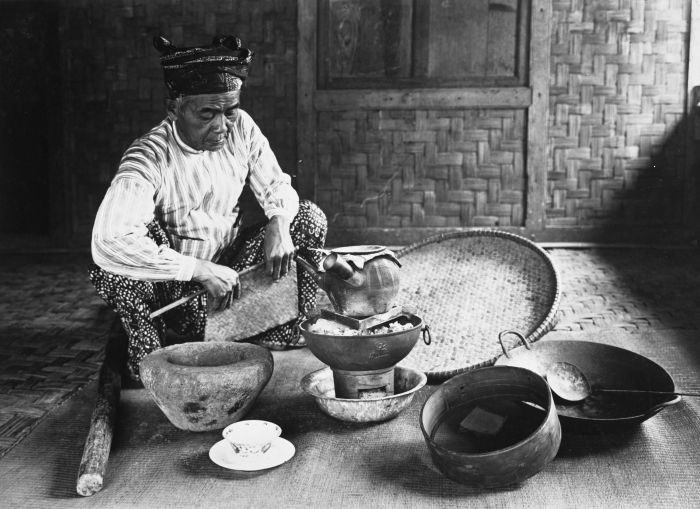 🇮🇩 Indonesia and 2 moreDukun
A traditional healer and spirit medium in Indonesian folk practiceTradition · Healing · Seeing and foretelling Living
🇮🇩 Indonesia and 2 moreDukun
A traditional healer and spirit medium in Indonesian folk practiceTradition · Healing · Seeing and foretelling Living
 🇬🇹 Guatemala and 1 moreMaya mythology
The reconstructed tales of the Maya people about gods, heroes, and the creation of the world.Tradition · Seeing and foretelling · Power and authority Historical
🇬🇹 Guatemala and 1 moreMaya mythology
The reconstructed tales of the Maya people about gods, heroes, and the creation of the world.Tradition · Seeing and foretelling · Power and authority Historical