Beliefs, omens and superstitions
Luck and unluck, the evil eye, knocking on wood and the small customs people keep without asking why.
Beliefs, omens and superstitions are the small customs people keep without asking why: knocking on wood, salt over the shoulder, avoiding the number thirteen, the evil eye, a black cat crossing the road, a first visitor of the new year. They are found on every continent and are rarely tied to a priest or book. This page looks at where they come from, what the word superstition hides, and why they persist.
What they look like
Beliefs differ by place. The number four is avoided in China, Japan and Korea because it sounds like the word for death, while thirteen is avoided in much of the West. In India, a sneeze before leaving home may delay a journey, and a lemon and chillies are hung over a shop. The evil eye is feared under many names: nazar, mal de ojo, ayin hara. First-footing at new year in Scotland is said to bring luck to a house.
Whose word is superstition
The word superstition has a history. Roman writers used it for religion they disliked, and Christian writers for forbidden practice. Today it often means someone else's belief. Many religions regard some of their own customs as faith and others as superstition, and where the line falls depends on the speaker. Using the word can mark a speaker as modern and a neighbour as backward. Tests of common superstitions show that people who hold them are not less educated or less rational than others, and many hold them lightly.
Why people keep them
Psychologists find that superstition rises with uncertainty and stakes, which is why athletes, sailors, students and gamblers are known for them. Anthropologist Bronislaw Malinowski observed in the 1920s that Trobriand fishermen used rites in dangerous deep-sea fishing and not in safe lagoon fishing. Most people who follow small customs say they do so partly in jest and partly just in case. Similar customs turn up in places that have never met each other, which suggests that people everywhere respond to risk in similar ways.
When belief causes harm
Most superstitions are harmless. Some are not: beliefs about witchcraft have led to killings in parts of Africa, India and Papua New Guinea, and beliefs about albinism have led to attacks in Tanzania and Malawi. Others cost people money, as when a fee is demanded to lift a bad omen. Education, law and trusted community leaders have all been part of reducing harm. Campaigns by health workers, teachers and community radio have been effective where they listen first and explain later.
Belief on EveryJaadu
The entries written up so far, best known first.
 🇫🇷 France and 2 moreKing ArthurBrenin Arthur
A legendary British king and folk hero of medieval literature and Welsh mythologyFigure · Power and authority · Wonder and entertainment Legendary
 🇫🇷 France and 1 moreBaphomet
A name from medieval trials and a symbol of occult equilibriumFigure · Power and authority Legendary
 🇬🇷 GreeceOmphalosὀμφαλός
A sacred stone marking the center of the world in Greek myth and oracle practiceCharm · Speaking with spirits and the dead · Power and authority Historical
🇮🇹 Italy and 1 moreAradia
A figure of Italian folklore and modern pagan witchcraft, seen as a teacher of magic and liberation.Figure · Cursing and harm · Power and authority Revived
 🇳🇴 Norway and 2 moreValknut
A symbol of three interlocked triangles found on Germanic artifacts and used in modern Heathenry.Belief · Power and authority Living
 🇮🇪 IrelandLia Fáil
A standing stone at Tara said to cry out under a rightful kingSubstance · Power and authority Legendary
 🇪🇹 Ethiopia and 5 morePrester JohnPresbyter Ioannes
A legendary Christian king and priest said to rule a lost kingdom in the East.Figure · Power and authority Legendary
🇮🇳 IndiaLeft-Hand and Right-Hand Paths
Two distinct orientations in occult magic, dividing taboo-breaking from orthodoxy.Tradition · Change and initiation · Power and authority Living
 🇬🇷 Greece and 2 moreMagic in the Greco-Roman world
Private supernatural practices in ancient Greece and Rome, distinct from public state religion.Tradition · Protection · Cursing and harm Historical
 🇬🇷 Greece and 5 moreNecromancy
A form of divination that seeks to speak with the dead for hidden knowledge.Tradition · Seeing and foretelling · Power and authority Historical
 🇬🇷 Greece and 5 moreSibylΣίβυλλα (Sibylla)
Ancient Greek prophetesses who spoke divine counsel at holy shrinesFigure · Seeing and foretelling · Power and authority Legendary
 🇷🇺 Russia and 12 moreSlavic Native FaithРодноверие
A modern polytheistic movement drawing on Slavic folklore, romanticism, and global spiritual traditions.Tradition · Speaking with spirits and the dead · Power and authority Living
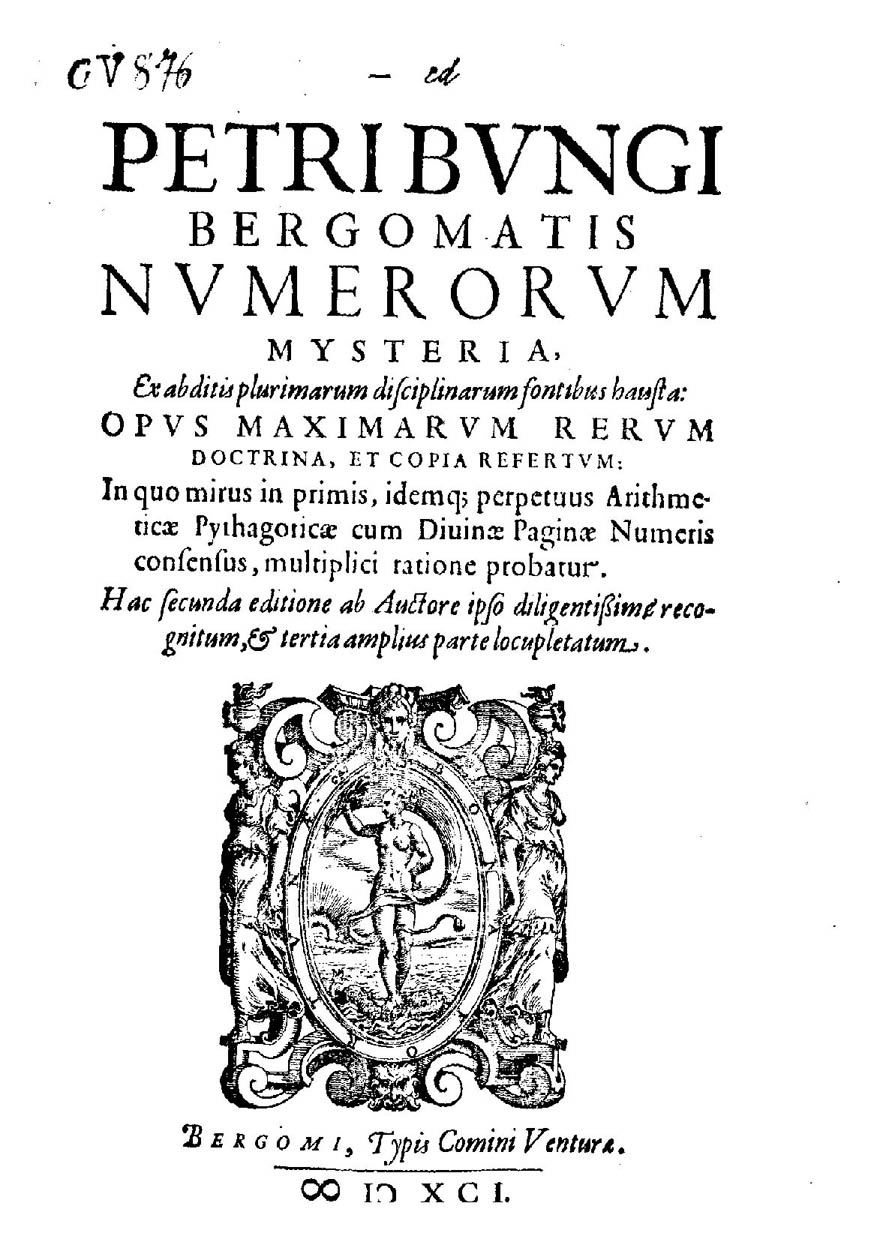 🇬🇷 Greece and 2 moreNumerology
The belief that numbers hold hidden meanings and influence human events.Belief · Seeing and foretelling · Luck and prosperity Historical
 🇪🇪 Estonia and 5 moreFern flower
A mythical bloom said to bring fortune and unlock secrets, found only on midsummer night.Belief · Luck and prosperity · Love and attraction Living
 🇸🇪 Sweden and 2 moreGermanic seeressvǫlva
Diviners and sorceresses of early Germanic and Norse societyTradition · Seeing and foretelling · Power and authority Revived
 🇱🇻 Latvia and 1 moreLatvian mythology
A collection of myths about gods, spirits, and the afterlife from the Baltic region.Tradition · Speaking with spirits and the dead · Power and authority Living
 🇩🇪 Germany and 2 moreOccultism in Nazism
The study of alleged magical links to the Nazi regime and the myths that surround themBelief · Cursing and harm · Power and authority Historical
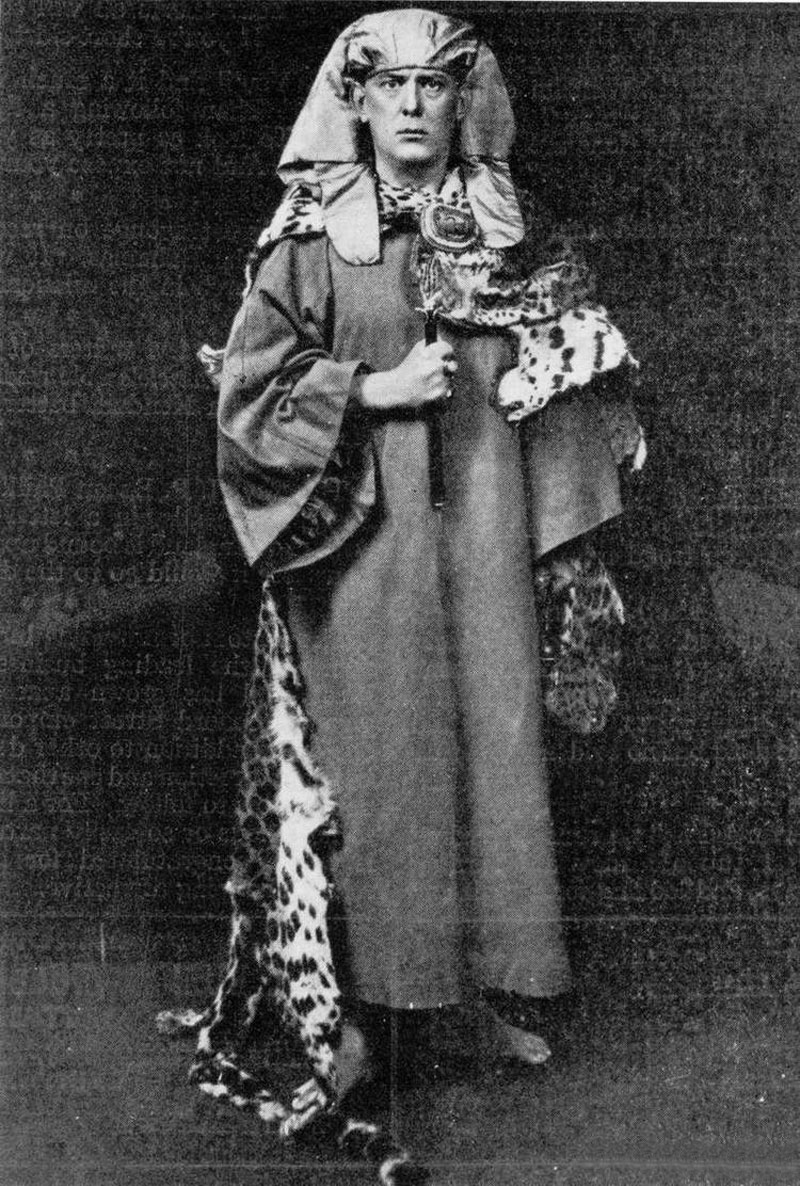 🇪🇬 Egypt and 4 moreThelema
A Western esoteric philosophy centered on discovering and following one's True WillTradition · Change and initiation · Power and authority Living
 🇬🇷 GreeceGreek divination
Ancient methods of consulting deities for prophecy and omens in Greek cultureOracle · Seeing and foretelling · Power and authority Historical
🇫🇮 FinlandVäki
A supernatural power in Finnish mythology found in nature and objectsBelief · Cursing and harm · Healing Historical
 🇫🇷 France and 2 moreMelusineMélusine
A water spirit of French and Luxembourgish lore, known for her serpent form and the castles she built.Figure · Luck and prosperity · Power and authority Legendary
 🇷🇸 Serbia and 5 moreWolves in folklore, religion and mythology
A global survey of how cultures view the wolf as symbol, spirit or threatBelief · Power and authority · Cursing and harm Historical
 🇮🇪 Ireland and 4 moreFairy Queen
A female ruler of fairies found in folklore, literature, and witchcraft trials across Europe.Figure · Power and authority Historical
 🇫🇷 France and 1 moreDusios
A Gaulish spirit type later classified as an incubus demon by early Christian writersBeing · Cursing and harm · Power and authority Historical
 🇷🇺 Russia and 1 moreIvanovismИвановство
A Slavic Neopagan movement and healing practice based on the teachings of Porfiry IvanovTradition · Healing · Power and authority Living
 🇬🇷 GreeceDaimonδαίμων
A Greek spirit or divine force that mediates between gods and humansBeing · Protection · Speaking with spirits and the dead Historical
 🇬🇷 GreeceLabrysλάβρυς
A double-headed axe from ancient Crete, now a symbol of lesbian feminism and neo-paganismCharm · Power and authority · Protection Living
 🇬🇧 United KingdomTeinddeachamh
A Scottish tithe for clergy and a fairy tribute to the devilTradition · Power and authority Historical
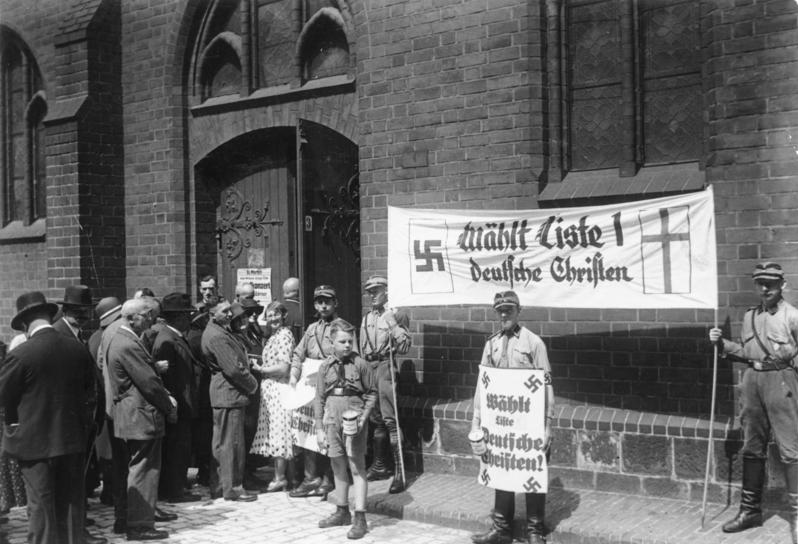 🇩🇪 Germany and 1 moreReligious aspects of Nazism
The study of how Nazi ideology borrowed religious forms and esoteric beliefs to build a political movement.Tradition · Power and authority · Cursing and harm Historical
🇮🇱 Israel and 1 moreMagical motto
A chosen name used by occultists to separate their spiritual identity from their everyday life.Belief · Power and authority Historical
 🇮🇷 Iran and 5 moreAxis mundi
A concept describing a central point connecting the earthly and heavenly realms.Belief · Speaking with spirits and the dead · Power and authority Historical
 🇸🇪 Sweden and 3 moreAlu
A runic charm word found on Germanic artifacts, linked to magic and intoxication.Charm · Power and authority · Wonder and entertainment Historical
 🇮🇸 Iceland and 3 moreDeal with the Devil
A cultural trope of trading one's soul for worldly favours in exchange for demonic aidBelief · Power and authority · Cursing and harm Historical
 🇸🇪 Sweden and 4 moreSun cross
A cross inside a circle found in prehistoric art and modern political symbolsBelief · Power and authority Historical
 🇪🇬 Egypt and 3 moreCrown of Immortality
A wreath of leaves, then a ring of stars, said to mark a life that does not endBelief · Power and authority Living
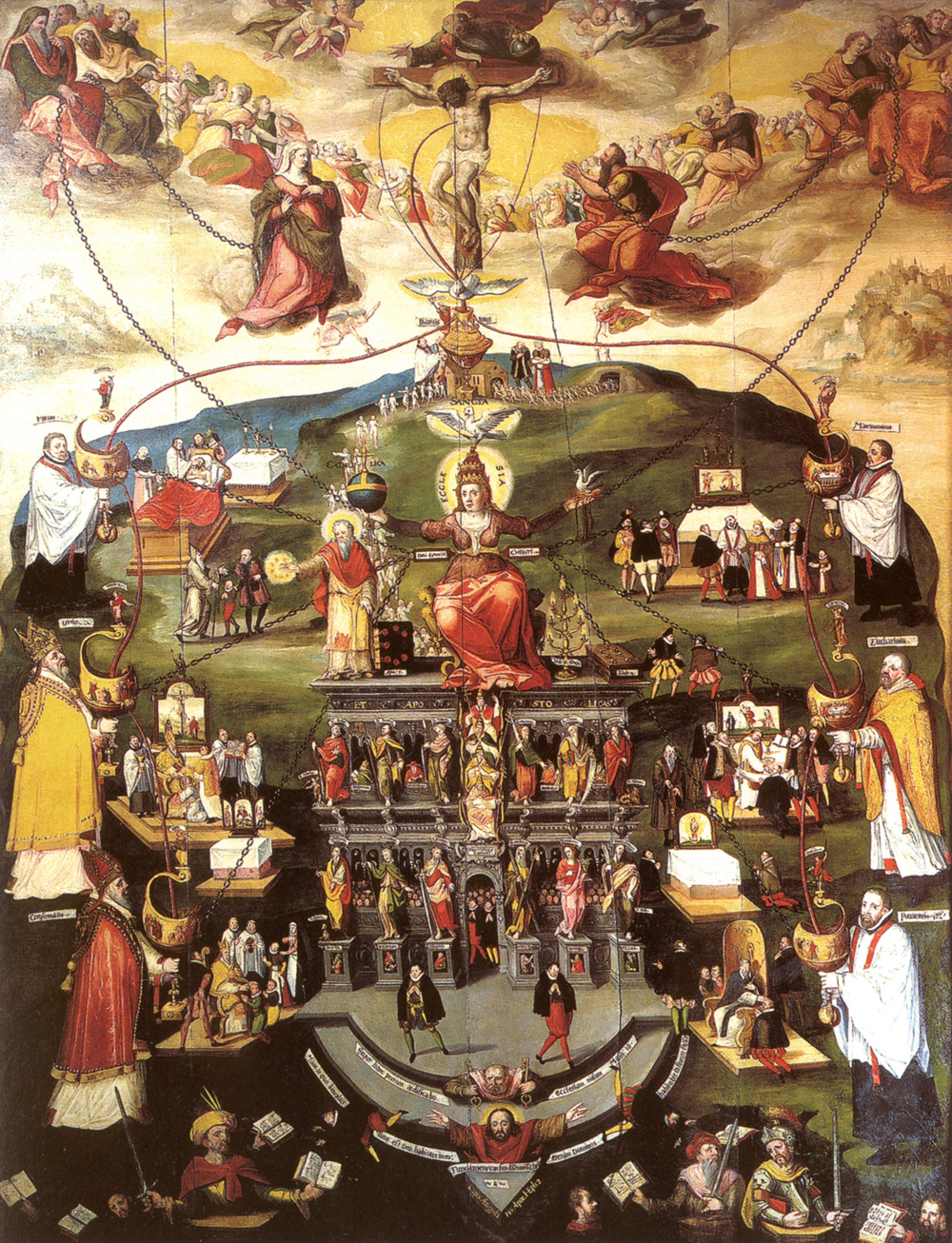 🇬🇷 GreeceSacred mysteriesμυστήριον
Secret ceremonies and divine doctrines held to exceed human reasonBelief · Speaking with spirits and the dead · Change and initiation Living
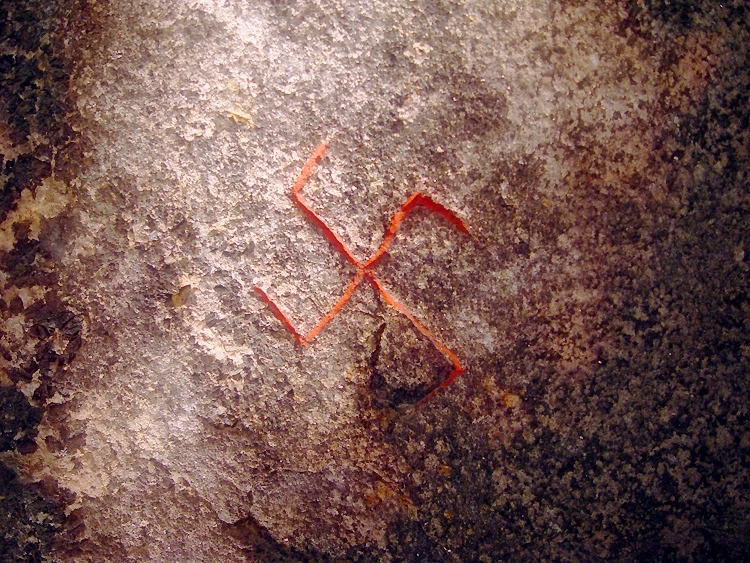 🇸🇪 Sweden and 4 moreSwastika (Germanic Iron Age)
A four-armed symbol found on Germanic artefacts from the Migration to Viking periods.Belief · Power and authority Historical
 🇸🇪 SwedenNumbers in Germanic paganism
The sacred role of three and nine in ancient Germanic ritual and mythBelief · Power and authority Historical
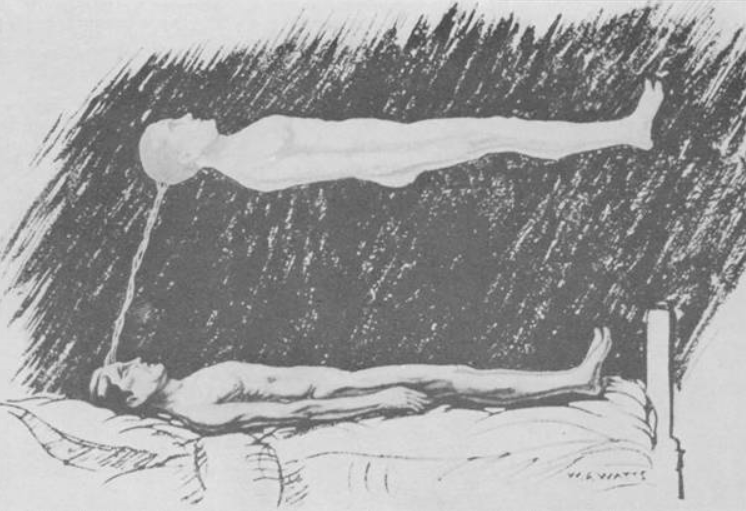 🇮🇳 India and 3 moreAstral projection
An intentional out-of-body experience where consciousness travels through the astral planeTradition · Speaking with spirits and the dead · Change and initiation Living
🇮🇷 Iran and 3 moreAstrology and science
A belief system linking stars to human life, tested and rejected by the scientific communityBelief · Seeing and foretelling · Power and authority Historical
 🇩🇪 GermanyVril Society
A fictional secret society from conspiracy theories about Nazi Germany and occult energy.Belief · Power and authority Legendary
 🇪🇸 Spain and 2 moreHoly ChaliceSanto Cáliz
A cup believed to have held the blood of Jesus at the Last SupperCharm · Speaking with spirits and the dead · Power and authority Living
 🇪🇬 Egypt and 1 moreOuroborosοὐροβόρος
An ancient image of a serpent eating its own tail, symbolizing cycles and wholenessFigure · Power and authority · Wonder and entertainment Historical
Photo credits on this page
The small pictures above come from Wikimedia Commons under free licences. Some are cropped to fit.
- Ivanovism: Sergey Chebotorev (photo)., CC BY-SA 3.0, source
- Wolves in folklore, religion and mythology: Unknown author, CC0, source
- Daimon: François-André Vincent, Public domain, source
- Omphalos: Unknown author, Public domain, source
- Sex magic: Unknown author, Public domain, source
- Dusios: Eric Hunt, CC BY-SA 2.5, source
- Apollo: Wolfgang Sauber, CC BY-SA 3.0, source
- Teind: Palickap, CC BY-SA 4.0, source
- Religious aspects of Nazism: Unknown author, CC BY-SA 3.0 de, source
- Valknut: Sacrificial_scene_on_Hammars_(I).JPG : Berig derivative work: The Man, CC BY-SA 3.0, source
- Fairy Queen: Henry Fuseli, Public domain, source
- Lia Fáil: August Schwerdfeger, CC BY 4.0, source
- Axis mundi: Unknown author, Public domain, source
- Alu: Bloodofox, CC BY-SA 3.0, source
- Deal with the Devil: Christoph, Public domain, source
- Crown of Immortality: https://commons.wikimedia.org/wiki/User:Xauxa, CC BY-SA 3.0, source
- Sun cross: National Museum of Denmark, CC BY-SA 3.0, source
- Prester John: Diogo Homem, Public domain, source
- Swastika (Germanic Iron Age): No machine-readable author provided. Bloodofox~commonswiki assumed (ba, Public domain, source
- Numbers in Germanic paganism: Sendelbach ( talk ), CC BY-SA 3.0, source
- Astral projection: Hereward Carrington, Sylvan Muldoon., Public domain, source
- King Arthur: William Morris, Public domain, source
- Vril Society: John Martin, Public domain, source
- Left-Hand and Right-Hand Paths: Eliphas Levi, Public domain, source
- Magic in the Greco-Roman world: ArchaiOptix, CC BY-SA 4.0, source
- Occultism in Nazism: Peretz Kaminsky, Public domain, source
- Greek divination: Berthold Werner, CC BY-SA 3.0, source
- Necromancy: Unknown author, CC BY 4.0, source
- Numerology: Pietro Bongo, Public domain, source
- Melusine: GilPe, CC BY-SA 3.0, source
- Sibyl: Filippino Lippi (1457-1504), Public domain, source
- Slavic Native Faith: Union of Slavic Rodnover Communities (Союз Славянских Общин Славянской, CC BY-SA 4.0, source
- Ouroboros: Djehouty, CC BY-SA 4.0, source
- Sacred mysteries: Johannes Hopffe, Public domain, source
- Holy Chalice: Vitold Muratov, CC BY-SA 3.0, source
- Fern flower: Antoni Piotrowski, Public domain, source
- Germanic seeress: Emil Doepler, Public domain, source
- Latvian mythology: Dezidor, CC BY 3.0, source