Beliefs, omens and superstitions
Luck and unluck, the evil eye, knocking on wood and the small customs people keep without asking why.
Beliefs, omens and superstitions are the small customs people keep without asking why: knocking on wood, salt over the shoulder, avoiding the number thirteen, the evil eye, a black cat crossing the road, a first visitor of the new year. They are found on every continent and are rarely tied to a priest or book. This page looks at where they come from, what the word superstition hides, and why they persist.
What they look like
Beliefs differ by place. The number four is avoided in China, Japan and Korea because it sounds like the word for death, while thirteen is avoided in much of the West. In India, a sneeze before leaving home may delay a journey, and a lemon and chillies are hung over a shop. The evil eye is feared under many names: nazar, mal de ojo, ayin hara. First-footing at new year in Scotland is said to bring luck to a house.
Whose word is superstition
The word superstition has a history. Roman writers used it for religion they disliked, and Christian writers for forbidden practice. Today it often means someone else's belief. Many religions regard some of their own customs as faith and others as superstition, and where the line falls depends on the speaker. Using the word can mark a speaker as modern and a neighbour as backward. Tests of common superstitions show that people who hold them are not less educated or less rational than others, and many hold them lightly.
Why people keep them
Psychologists find that superstition rises with uncertainty and stakes, which is why athletes, sailors, students and gamblers are known for them. Anthropologist Bronislaw Malinowski observed in the 1920s that Trobriand fishermen used rites in dangerous deep-sea fishing and not in safe lagoon fishing. Most people who follow small customs say they do so partly in jest and partly just in case. Similar customs turn up in places that have never met each other, which suggests that people everywhere respond to risk in similar ways.
When belief causes harm
Most superstitions are harmless. Some are not: beliefs about witchcraft have led to killings in parts of Africa, India and Papua New Guinea, and beliefs about albinism have led to attacks in Tanzania and Malawi. Others cost people money, as when a fee is demanded to lift a bad omen. Education, law and trusted community leaders have all been part of reducing harm. Campaigns by health workers, teachers and community radio have been effective where they listen first and explain later.
Belief on EveryJaadu
The entries written up so far, best known first.
 🇪🇬 EgyptCurse
A spoken wish for harm, often backed by ritual or divine authorityBelief · Cursing and harm · Protection Historical
 🇬🇷 Greece and 5 moreVotive offering
Objects left in sacred places to honor a deity or fulfill a vow, never to be recovered.Tradition · Protection · Healing Living
 🇮🇪 Ireland and 1 moreBrigid's crossCros Bhríde
A woven straw charm hung for protection, named after Ireland's patron saintCharm · Protection · Luck and prosperity Living
 🇲🇽 Mexico and 3 moreFolk saint
Unofficially recognized holy figures venerated by local communities for intercession and miraclesBelief · Protection · Healing Living
🇬🇧 United Kingdom and 1 moreScottish folkloreBeul-aithris na h-Alba
The myths, creatures and beliefs of the Scottish people, recorded from ancient times to the present.Tradition · Seeing and foretelling · Protection Living
 🇨🇺 Cuba and 5 moreBrujería
A syncretic blend of Indigenous, African and Catholic folk magic across Latin America and the CaribbeanTradition · Healing · Protection Living
 🇮🇳 India and 5 moreSnake worship
Veneration of serpents as divine or ancestral beings across global culturesTradition · Protection · Healing Living
 🇮🇪 Ireland and 4 moreWinter solstice
The shortest day and longest night of the year, marked by rites of solar returnTradition · Seeing and foretelling · Protection Living
 🇹🇴 Tonga and 5 moreTabootapu
A cultural prohibition that marks something as forbidden or sacredBelief · Protection · Speaking with spirits and the dead Living
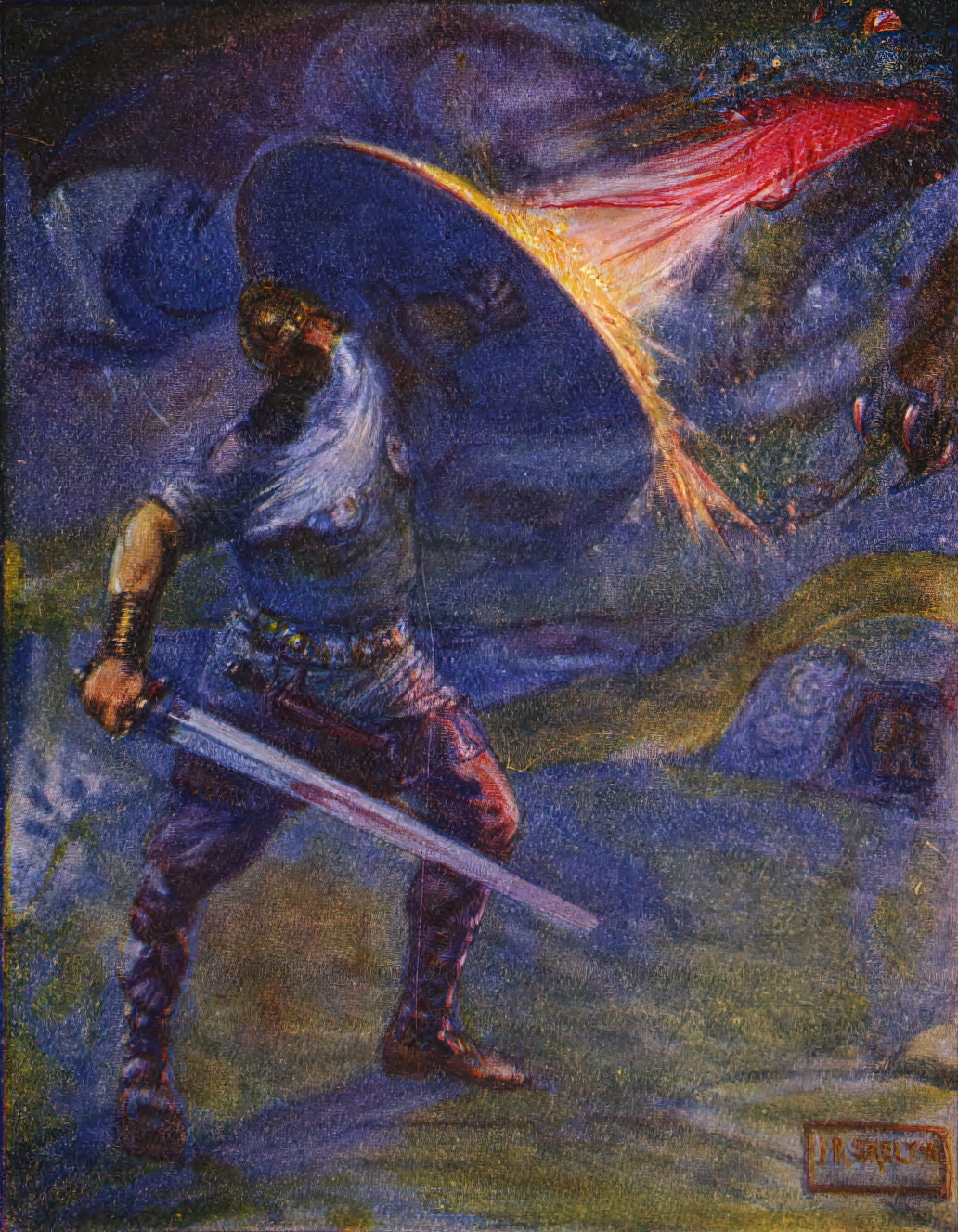 🇬🇧 United KingdomEnglish folklore
The myths, legends, and customs of England passed down through generations.Tradition · Protection · Cursing and harm Living
 🇬🇪 Georgia and 2 moreGeorgian mythologyქართული მითოლოგია
The pre-Christian beliefs of the Kartvelian peoples in the South CaucasusTradition · Protection · Seeing and foretelling Historical
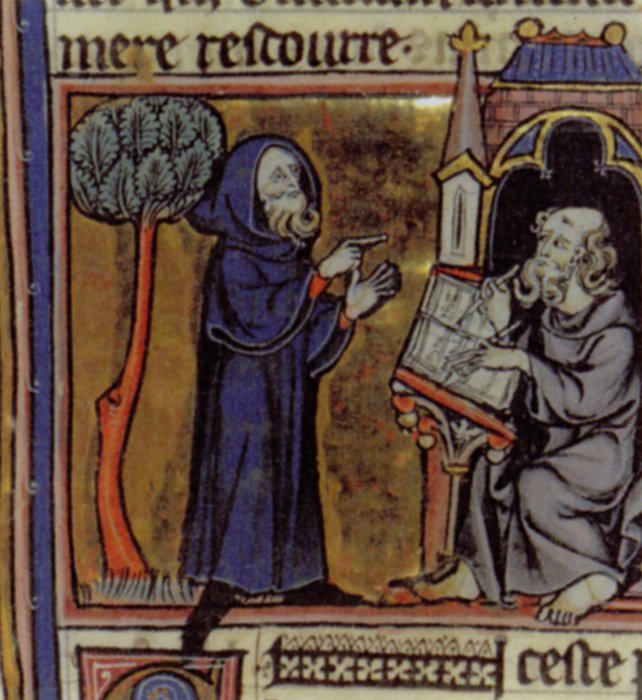 🇮🇹 Italy and 1 moreMedieval European magic
A broad category of ritual and natural practices in the Middle Ages, blending healing, divination, and religious belief.Tradition · Healing · Seeing and foretelling Historical
 🇬🇧 United Kingdom and 7 moreSaint Andrew's Day
A Christian feast day marked by national holidays in Scotland and Romania, and folk divination across Europe.Rite · Seeing and foretelling · Luck and prosperity Living
 🇸🇳 Senegal and 5 morePentagramπεντάγραμμον
A five-pointed star figure used across history for protection, ritual, and cosmologyCharm · Protection · Binding and oaths Living
 🇯🇲 Jamaica and 5 moreObeah
A Caribbean tradition of ritual healing and spell-casting with African rootsTradition · Protection · Healing Living
 🇪🇹 Ethiopia and 4 moreBudaቡዳ
An Ethiopian and Eritrean belief in the evil eye and hyena transformationBelief · Cursing and harm · Protection Living
🇨🇫 Central African Republic and 5 moreWitchcraft in Africa
Beliefs about supernatural harm and the social responses to accusations across the continentBelief · Cursing and harm · Protection Living
🇮🇹 Italy and 5 moreEuropean witchcraft
Historical beliefs in harmful magic and the resulting trials across EuropeBelief · Cursing and harm · Protection Historical
 🇮🇳 India and 5 moreAsian witchcraft
A broad overview of magical practices and persecution across Asian culturesTradition · Cursing and harm · Protection Living
 🇮🇳 India and 5 moreSailors' superstitions
A global collection of omens, charms and taboos used by mariners to manage the risks of life at seaBelief · Protection · Luck and prosperity Living
🇦🇷 Argentina and 1 moreSpiritual mapping
A Christian practice of mapping locations to identify and pray against territorial demonsBelief · Protection · Cursing and harm Living
 🇮🇱 Israel and 4 moreAngelמלאך
A supernatural messenger or intermediary spirit found in many religious traditions.Being · Speaking with spirits and the dead · Protection Living
 🇬🇷 GreeceGelloΓελλώ
A Greek demon of infancy and a class of beings blamed for infant death.Being · Cursing and harm · Protection Historical
🇷🇴 RomaniaNosferatu
A word for 'vampire' made famous by Dracula, whose true origin is still unsettledBeing · Cursing and harm · Protection Legendary
 🇸🇪 Sweden and 1 moreEaster witchpåskkärring
A Swedish legend of witches flying to Blockula, and a children's Easter dressing-up customBelief · Protection Living
 🇮🇱 Israel and 2 moreNehushtanנְחֻשְׁתָּן
A bronze serpent on a pole from the Hebrew Bible, once worshipped for healing before its destruction.Charm · Healing · Protection Historical
🇧🇬 Bulgaria and 5 moreApocryphal prayer
A folk prayer text blending church forms with apocrypha and incantations for protection and healingText · Protection · Healing Living
🇫🇷 FranceTempestarii
Medieval figures accused of controlling storms and the beliefs surrounding them.Belief · Cursing and harm · Protection Historical
 🇵🇹 Portugal and 5 moreWilgefortisVilgeforte
A bearded female martyr folk saint known for relieving women from unwanted marriages and tribulationsFigure · Protection · Cursing and harm Historical
 🇪🇹 Ethiopia and 2 moreChristian demonology
How Christian writers mapped demons: their fall, numbers, bodies and tricksTradition · Protection · Cleansing and purification Living
🇨🇭 SwitzerlandSegen
A German term for blessing, charm, or spell rooted in Christian and folk traditions.Belief · Protection · Speaking with spirits and the dead Historical
 🇮🇱 Israel and 1 moreTree of life vision
A symbolic prophecy in the Book of Mormon about salvation and spiritual perilBelief · Protection · Healing Living
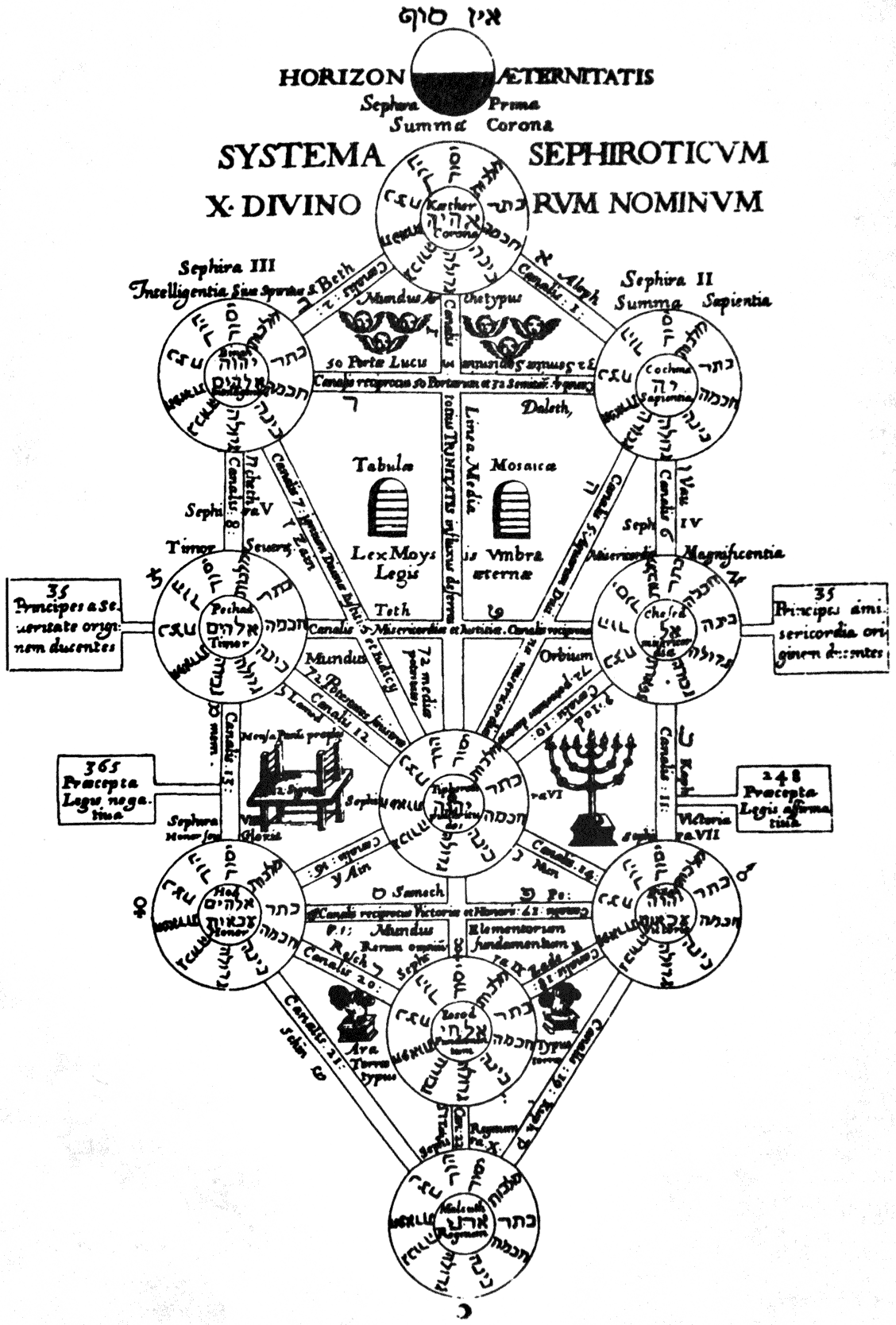 🇺🇸 United StatesChristian views on magic
A spectrum of Christian beliefs about magical practices, ranging from strict condemnation to esoteric integration.Belief · Cursing and harm · Protection Living
 🇩🇪 Germany and 5 moreLutzelfrau
A German Alpine witch who brings fruit or punishes childrenFigure · Protection · Cursing and harm Living
🇮🇹 ItalyWitchcraft in Italy
Inquisition trials, a fertility cult and love magic in early modern ItalyTradition · Protection · Healing Living
Photo credits on this page
The small pictures above come from Wikimedia Commons under free licences. Some are cropped to fit.
- Folk saint: Sergio Serrano, CC BY-SA 2.0, source
- Votive offering: Walter J. Pilsak, Waldsassen ( W.J.Pilsak at de.wikipedia ), CC BY-SA 3.0, source
- European witchcraft: Unknown author, CC BY 4.0, source
- Brigid's cross: Culnacreann, CC BY 3.0, source
- Tengu: Katsushika Hokusai, Public domain, source
- Lutzelfrau: Karel Rozum, Public domain, source
- Nehushtan: Michelangelo, Public domain, source
- Snake worship: Alexandermcnabb, CC BY-SA 4.0, source
- Winter solstice: Image by Przemyslaw " Blueshade " Idzkiewicz, CC BY-SA 2.0, source
- Taboo: Jonathan McIntosh, CC BY 2.0, source
- Angel: Unknown author, CC0, source
- English folklore: J. R. Skelton, Public domain, source
- Werehyena: Aberdeen Bestiary, Public domain, source
- Wilgefortis: Hieronymus Bosch, Public domain, source
- Georgian mythology: Mostafameraji, CC BY-SA 4.0, source
- Christian demonology: Attributed to Michelangelo, Public domain, source
- Tree of life vision: David Hyrum Smith, Public domain, source
- Gello: Filippino Lippi, Public domain, source
- Medieval European magic: Unknown author, Public domain, source
- Tree of Life (Kabbalah): Athanasius Kircher, Public domain, source
- Easter witch: Holger.Ellgaard , eget fotomontage, CC BY-SA 3.0, source
- Saint Andrew's Day: Henryk Siemiradzki, Public domain, source
- Asian witchcraft: Utagawa Kuniyoshi, Public domain, source
- Sailors' superstitions: Siren Painter (eponymous vase), Public domain, source
- Pentagram: Tomruen, Attribution, source
- Obeah: Various, published by David Nutt, Public domain, source