Spirits, creatures and beings
Djinn, fairies, orisha, golems and the other powers that magic deals with.
Beings are the powers that magic deals with: spirits, ancestors, gods, djinn, fairies, orisha, nats, kami, demons, golems, ghosts and the many kinds of household and landscape spirit. People in most cultures have described a world shared with unseen others, who may help, trouble or ask for respect. This page covers what these beings are said to be and the very different ways communities relate to them. They are always described here as what communities believe, not as established fact.
Different kinds of beings
A being can be a god with a priesthood, such as an orisha served in Yoruba religion, Cuba and Brazil. It can be an ancestor, honoured in China, Africa and Mexico. It can belong to a place, such as the kami of Shinto, the Thai phi or the Burmese nats. It can be a trouble-maker, like the djinn of Arabic and Islamic tradition, formed from smokeless fire, or the fairies of Ireland, whom people avoided naming.
Relationship, not command
In many traditions, a person does not command a being but enters a relationship with it, through offerings, promises and respect. Possession and mediumship are forms of that relationship, as in Vodou, Candomblé, Korean mudang rites and Sufi gatherings. In ceremonial magic of the European grimoires, by contrast, the magician summons spirits by name and authority, which the Church condemned as demon-raising. The same being may be loved in one household and feared in the next, and a spirit helpful to its servant can be harmful to a stranger.
Religions and renaming
Dominant religions often absorbed beings by relabelling them. Christian missionaries called many African and Indigenous spirits demons. Islam reads the djinn as real creatures, some of whom are Muslim, and Hindu and Buddhist traditions fold local deities into their own pantheons. Pagan and fairy beliefs were sometimes recast as the devil's work, which fed witch trials in Europe. Churches and mosques have sometimes divided beings into good and evil in ways the older traditions did not, so that a neutral local spirit became a demon on the day a missionary arrived.
Harm and interpretation
Belief in harmful spirits has been used to accuse people. Children in parts of West and Central Africa have been branded as witches possessed by evil spirits, and some have been abused by pastors or families in the name of deliverance. Scholars read spirit beliefs as ways to make sense of illness, loss and conflict, and many communities see them simply as neighbours. That is why accusations tied to spirit beliefs fall hardest on children and the vulnerable, and why many agencies train local leaders to challenge them.
Being on EveryJaadu
The entries written up so far, best known first.
 🇮🇳 IndiaPoomala Bhagavathy
A Hindu goddess of North Malabar, revered as the family deity of the Thiyya community.Being · Love and attraction · Luck and prosperity Living
 🇻🇳 VietnamThe Four ImmortalsTứ bất tử
Four chief spirits of the Vietnamese Red River Delta pantheonBeing · Power and authority Living
🇭🇹 HaitiMarassa Jumeaux
The divine twins of Haitian Vodou, representing love, truth, and justice.Being · Love and attraction · Cursing and harm Living
 🇮🇪 Ireland and 1 moreAos Sí
Irish supernatural beings linked to ancient gods and burial moundsBeing · Protection Living
 🇭🇹 Haiti and 1 morePetwo
A family of hot and volatile spirits in Haitian VodouBeing · Power and authority · Cursing and harm Living
🇧🇯 BeninXeviosoXɛviosò
A Fon and Ewe thunder god held to judge wrongdoers with lightningBeing · Cursing and harm · Cleansing and purification Living
🇲🇱 Mali and 1 moreSandobele
A Senufo woman diviner who mediates between the village and bush spirits.Being · Speaking with spirits and the dead · Protection Living
🇮🇳 IndiaVasavi Kanyaka Parameshvari
A Hindu goddess honored by Komati groups as a clan deity and teacher of ahimsaBeing · Protection Living
 🇮🇳 IndiaJakh Botera
Seventy-two horsemen deities honoured in Kutch, IndiaBeing · Protection · Healing Living
🇯🇵 JapanReikon霊魂
The Shinto soul: it joins the ancestors after funeral rites, or haunts as a yūreiBeing · Speaking with spirits and the dead · Cursing and harm Living
 🇳🇵 Nepal and 1 moreBanjhakri and Banjhakrini
Forest shamans of the Kirati people in Nepal and eastern IndiaBeing · Speaking with spirits and the dead · Power and authority Living
🇬🇭 GhanaAmokye
Guardian of the entrance to Asamando in Akan and Ashanti beliefBeing · Speaking with spirits and the dead Living
 🇭🇹 Haiti and 5 moreLoogaroo
A shapeshifting vampire of Caribbean folklore, feared for its blood-drinking habits.Being · Cursing and harm Living
🇨🇲 CameroonJengu
Water spirits of Cameroon's coastal peoples, linked to healing and fateBeing · Protection · Healing Living
 🇮🇳 IndiaGandharvaगन्धर्व
Celestial musicians of Indian religions and a form of marriage by consentBeing · Power and authority · Luck and prosperity Living
 🇻🇳 VietnamBà Chúa Xứ婆主處
A Mekong Delta goddess of prosperity, asked for trade, health and fertilityBeing · Protection · Luck and prosperity Living
 🇮🇱 IsraelSeraphשָׂרָף
Six-winged heavenly beings who chant 'holy, holy, holy' at God's throneBeing · Speaking with spirits and the dead · Cleansing and purification Living
🇮🇩 Indonesia and 2 moreHantu
A Malay and Indonesian term for spirits of the dead or nature beingsBeing · Speaking with spirits and the dead Living
🇭🇹 HaitiRada lwa
A family of cool-tempered spirits in Haitian VodouBeing · Speaking with spirits and the dead Living
 🇨🇦 CanadaMistapewmistâpêw (ᒥᐢᑖᐤ)
A spirit-being of the Cree peoples, known as the Great Man or Bigfoot.Being · Protection · Healing Living
 🇮🇳 IndiaMomaiમોમાઈ માં
A four-armed Kutch goddess on a camel, kept as a family deityBeing · Luck and prosperity Living
 🇯🇵 JapanHachiman八幡神
A Japanese deity of war and the imperial family, worshipped as both kami and bodhisattva.Being · Protection · Power and authority Living
 🇻🇳 VietnamBà Chúa Kho
A Vietnamese temple where a grain goddess is asked for prosperityBeing · Luck and prosperity Living
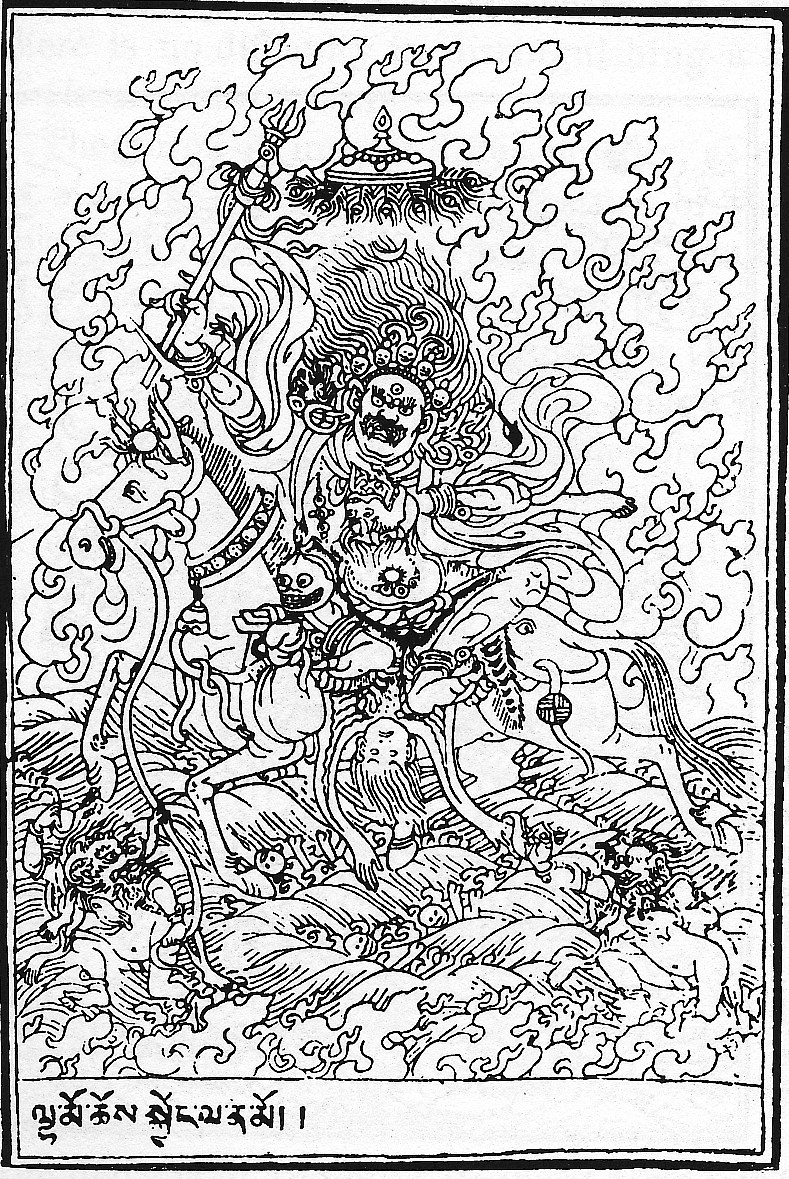 🇨🇳 China and 1 morePalden Lhamoདཔལ་ལྡན་ལྷ་མོ།
A fierce Tibetan Buddhist guardian of the teaching and of the Dalai LamasBeing · Protection · Seeing and foretelling Living
🇭🇹 Haiti and 3 moreNago lwa
A Haitian Vodou nation of masculine spirits rooted in Yoruba traditionsBeing · Power and authority · Speaking with spirits and the dead Living
 🇮🇩 IndonesiaBhoma
A Balinese earth god whose carved face on temple gates is believed to repel spiritsBeing · Protection · Love and attraction Living
 🇵🇪 PeruYachay
Peruvian Amazon phlegm said to hold a shaman's power as darts that harm or healSubstance · Cursing and harm · Healing Living
🇸🇦 Saudi ArabiaAbu Fanousأبو فانوس
A wandering light of the Arabian desert, said to lure travellers and vanishBeing · Cursing and harm · Protection Living
 🇲🇳 Mongolia and 1 moreOngon
Ancestor spirits in Mongolian shamanism, represented by consecrated idols and talismansBeing · Protection · Speaking with spirits and the dead Living
 🇵🇹 PortugalAngel of PortugalAnjo de Portugal
A guardian spirit of Portugal, celebrated on June 10 and linked to the Fátima visions.Being · Protection · Speaking with spirits and the dead Living
🇮🇳 IndiaBaakবাক
A shapeshifting water spirit from Assamese folklore that mimics humans and fears torn nets.Being · Cursing and harm · Wonder and entertainment Living
 🇪🇹 Ethiopia and 1 moreGabrielגבריאל
An archangel who carries divine messages and explains visions in Abrahamic traditionsBeing · Protection Living
🇿🇦 South AfricaAmadlozi
Ancestors of the Nguni people who guide and protect their descendantsBeing · Protection · Speaking with spirits and the dead Living
 🇮🇸 IcelandGrásteinn
A lodestone in Iceland linked to elf habitation and safe passageBeing · Luck and prosperity · Speaking with spirits and the dead Living
 🇮🇱 Israel and 1 moreUnclean spiritπνεῦμα ἀκάθαρτον (pneuma akatharton)
A spirit of impurity in biblical belief, driven out by breath, smoke and wordsBeing · Cleansing and purification · Cursing and harm Living
 🇯🇵 JapanNamahage生剥げ
Masked ogre visitors who scold lazy children at New Year in northern JapanRite · Protection · Speaking with spirits and the dead Living
 🇵🇪 Peru and 3 moreMuki
A subterranean goblin of the Andes who guards mines and makes pacts with miners.Being · Power and authority · Luck and prosperity Living
🇺🇸 United StatesJogahJigáhęh
Invisible little people of Haudenosaunee lore who guard the land and play tricks.Being · Protection · Speaking with spirits and the dead Living
 🇧🇹 BhutanVajravarahiརྡོ་རྗེ་ཕག་མོ། (Dorje Pakmo)
A wrathful female buddha in Tibetan Buddhism, depicted with a sow head and dancing posture.Being · Power and authority · Change and initiation Living
 🇮🇳 India and 5 moreKaruppannaswamyகருப்பண்ணசாமி, കറുപ്പണ്ണസാമി
A fierce guardian deity worshipped as a village protector and ancestral enforcer of justice.Being · Protection · Healing Living
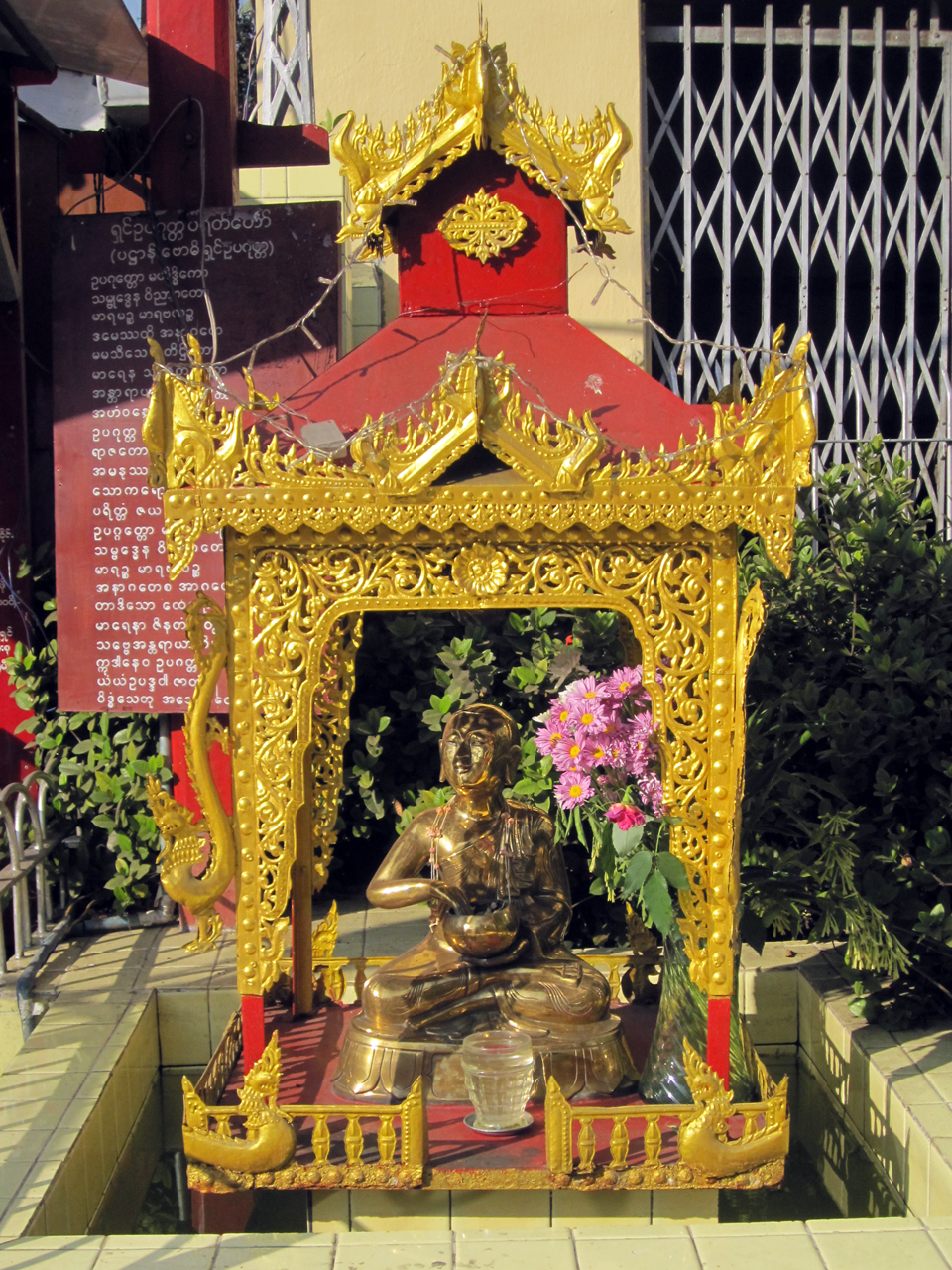 🇲🇲 Myanmar and 3 moreShin Upaguttaရှင်ဥပဂုတ်
A Burmese Buddhist arhat asked to keep storms and floods awayBeing · Protection Living
 🇻🇳 VietnamMẫu Thượng Thiên母上天
One of the four heavenly mothers of the Four Palaces in Vietnamese folk religionBeing · Speaking with spirits and the dead Living
🇷🇺 RussiaAiyАйыы (Ayıı)
Benevolent spirits of the Upper World in Yakut mythologyBeing · Speaking with spirits and the dead · Power and authority Living
🇮🇳 IndiaGreat White Brotherhood
An unseen company of spiritual teachers said to guide human developmentBelief · Speaking with spirits and the dead · Change and initiation Living
 🇮🇳 IndiaNagnechiya Maa
Guardian goddess of the Rathore Rajputs, worshipped in RajasthanBeing · Protection · Power and authority Living
 🇯🇵 Japan and 4 moreKṣitigarbhaक्षितिगर्भ
A bodhisattva vowed to empty the hells and guard children, shown with a staff and jewel.Being · Protection · Speaking with spirits and the dead Living
 🇮🇳 IndiaKroniகுறோணி
A primordial evil spirit in Ayyavazhi mythology, split into fragments across ages.Being · Cursing and harm Living
Photo credits on this page
The small pictures above come from Wikimedia Commons under free licences. Some are cropped to fit.
- Shamanism in Ayyavazhi: Vaikunda Raja, CC BY-SA 3.0, source
- Kṣitigarbha: སངས་རྒྱས་བཅོམ་ལྡན་འདས།, Public domain, source
- Haitian Vodou drumming: Calvin Hennick, for WBUR Boston, CC BY 3.0, source
- The Four Immortals: Vietnamese artist, Public domain, source
- Tuatha Dé Danann: John Duncan, Public domain, source
- Angel of Portugal: Daderot, Public domain, source
- Ongon: Vyacheslav Kirillin, CC BY-SA 4.0, source
- Palden Lhamo: L. Austine Waddell, Public domain, source
- Bà Chúa Kho: _Tam_quan_den_Ba_Chua_Kho_(Bac_Ninh).jpg : hqhuyanh, CC BY 1.0, source
- Mistapew: Alarichall, CC0, source
- Bà Chúa Xứ: Phương Huy, CC BY-SA 4.0, source
- Loogaroo: A.F.Pannemaker, Public domain, source
- Yachay: Veton PICQ, CC BY-SA 3.0, source
- Bhoma: Siti Noviali, CC BY-SA 4.0, source
- Gandharva: Biswarup Ganguly, CC BY 3.0, source
- Banjhakri and Banjhakrini: RajashreeTalukdar, CC BY-SA 3.0, source
- Seraph: Pietro Perugino, CC BY 2.0, source
- Momai: Oatsjvs, CC BY-SA 4.0, source
- Hachiman: SLIMHANNYA, CC BY-SA 4.0, source
- Poomala Bhagavathy: Ajeeshkumar4u, CC BY-SA 4.0, source
- Jakh Botera: Nizil Shah and Bhavya Shah, CC BY-SA 4.0, source
- Vajravarahi: Foto: Andreas Praefcke, Public domain, source
- Karuppannaswamy: GShas, CC0, source
- Shin Upagutta: Hintha, CC BY-SA 3.0, source
- Mẫu Thượng Thiên: Four Palaces - Tứ Phủ ( https://facebook.com/fourpalaces.mothergoddess, CC BY 4.0, source
- Nagnechiya Maa: Jairajsingh123, CC0, source
- Gabriel: uploader Koperczak ( talk ) 06:28, 24 March 2009 (UTC), Public domain, source
- Grásteinn: Ásgeir Helgason, Attribution, source
- Unclean spirit: David Shankbone, CC BY-SA 3.0, source
- Namahage: Douglas P Perkins ( Douglaspperkins ( talk )), CC BY 3.0, source
- Muki: Arístides Herrera Cuntti at Spanish Wikipedia, CC BY-SA 3.0, source