
Rada lwa
from Allada, a place name in West Africa
A family of cool-tempered spirits in Haitian Vodou
The Rada are a group of spiritual beings in the religion of Haitian Vodou. They are known for their gentle and stable nature, which stands in contrast to the fiery Petro spirits.
- Rada are a family of lwa in Haitian Vodou
- They are known for being sweet-tempered and cool
- Originates from the Arada of Dahomey in West Africa
- Also called lwa rasin or root spirits
- Altars are separated from Petro spirits in the temple
What it is
The Rada form a specific family of lwa within the broader system of Haitian Vodou. These beings are viewed as a pantheon of deities who possess sweet and dependable personalities. They are often described as having a cool temperament. This quality distinguishes them from other groups of spirits in the same faith tradition. The Rada are also called lwa rasin, which translates to root spirits. This title highlights their deep connection to the community. Worshippers often address them with familial terms like father or cousin to show this closeness.
Where it comes from
The origins of the Rada pantheon trace back to West Africa. Specifically, the rituals and the group itself derive from the Arada people of Dahomey. The name Rada is a linguistic cousin to Allada, which is a location in that region. This history links the current practice directly to African roots. The spirits maintain these historical ties through their names and the structure of their worship.
How it is done
Worship of the Rada involves specific ritual practices within the temple space. The altar dedicated to these spirits is placed in a different part of the ounfo than the altar for the Petro spirits. This physical separation helps maintain the distinct energy of each group. Rituals also separate the two groups by time. Practitioners invoke the Rada at different stages of a ceremony than they do the Petro. This temporal division ensures that the cool nature of the Rada is not mixed with the hot nature of the others.
Rada lwa, drawn and placed
- Living
- Revived
- Fading
- Historical
- Legendary
- Performed
- Lineage
- Haitian Vodou
What it is for
The Rada are invoked for communion with ancestral and spiritual forces. Their gentle nature makes them approachable figures for worshippers. People seek their presence to establish a family-like bond with the divine. The use of kinship titles during prayer reinforces this sense of intimacy and trust between the human and spirit worlds.
Who does it
Priests and priestesses in Haitian Vodou lead the worship of the Rada. These specialists manage the temple space and the timing of rituals. They must be careful to keep the Rada and Petro altars separate. This requires knowledge of the spatial layout of the ounfo. It also requires understanding the correct sequence of invocations during a ceremony. The practitioners act as intermediaries who facilitate the relationship between the community and the spirits.
Peoples and places
The Rada are central to the religious life of Haitians. They are a key part of the Vodou tradition practiced in Haiti. Some spirits, like Ezili Freda, are clearly identified as members of this family. Others, such as Ogou, have a more complex identity. Ogou carries weapons associated with the Petro group but is seen as a defender of Rada values. He does not fit neatly into one category. This shows how the pantheon can have overlapping boundaries while maintaining core distinctions.
At a glance: who, where and when
What people believe
The worldview behind the Rada involves a balance of energies. Spirits are categorized by their temperaments, such as cool versus hot. The Rada represent the cool, stable side of this spectrum. They are believed to be sweet-natured and reliable. This belief shapes how worshippers interact with them. The distinction between Rada and Petro reflects a broader understanding of spiritual forces and their effects on the community.
Compare and confuse
The Rada are often compared to the Petro lwa. While the Rada are cool and sweet, the Petro are hot and volatile. This contrast is a fundamental feature of Vodou spirituality. The two groups are kept separate in both space and time during rituals. This comparison helps define the character of each family of spirits.
Questions people ask about Rada lwa
What are the Rada lwa?
The Rada are a family of spirits in Haitian Vodou. They are known for their gentle and stable nature. This contrasts with the fiery Petro spirits.
Where do the Rada come from?
The Rada have West African origins. Their rituals and group identity derive from the Arada people of Dahomey. The name is linked to the place Allada.
How are they different from Petro spirits?
The Rada are considered cool and sweet-tempered. The Petro are seen as hot and volatile. Practitioners keep them separate in the temple and during rituals.
Good reading and sources
The facts on this page come from the Wikipedia article "Rada lwa", written by its contributors and used under the CC BY-SA 4.0 licence, and from its Wikidata record (CC0). EveryJaadu rewrote the text in its own words, with AI assistance, and compares every page with the article to make sure no passage is copied. It may be reused under the same CC BY-SA 4.0 licence with a link back.
It may contain mistakes. Names and customs differ from one community to the next, and some knowledge is closed to outsiders and left out here. This page describes belief and practice. It does not say that any of it works, it is not a how-to, and it is not medical advice. If something is wrong, tell us. Last refreshed 2026-10-06.
More from Haiti
All the entries from Haiti 🇭🇹 Haiti and 2 moreLwa
Spirits in Haitian Vodou that mediate between people and the creator god.Being · Protection · Healing Living
🇭🇹 Haiti and 2 moreLwa
Spirits in Haitian Vodou that mediate between people and the creator god.Being · Protection · Healing Living
 🇭🇹 Haiti and 1 moreEzili DantorÈzili Dantò
A fierce mother spirit in Haitian Vodou who protects the marginalized and demands loyalty.Being · Protection · Love and attraction Living
🇭🇹 Haiti and 1 moreEzili DantorÈzili Dantò
A fierce mother spirit in Haitian Vodou who protects the marginalized and demands loyalty.Being · Protection · Love and attraction Living
 🇭🇹 HaitiGedeGuédé
A family of spirits in Haitian Vodou who guard the dead and grant fertility.Being · Speaking with spirits and the dead · Protection Living
🇭🇹 HaitiGedeGuédé
A family of spirits in Haitian Vodou who guard the dead and grant fertility.Being · Speaking with spirits and the dead · Protection Living
Related elsewhere
All being 🇮🇳 IndiaChakraचक्र
Meditation points in the subtle body used in Hindu and Buddhist yogaTradition · Speaking with spirits and the dead · Change and initiation Living
🇮🇳 IndiaChakraचक्र
Meditation points in the subtle body used in Hindu and Buddhist yogaTradition · Speaking with spirits and the dead · Change and initiation Living
 🇮🇪 Ireland and 1 moreCeltic mythology
The mythic traditions of the Celtic peoples, preserved in Irish and Welsh textsTradition · Speaking with spirits and the dead Historical
🇮🇪 Ireland and 1 moreCeltic mythology
The mythic traditions of the Celtic peoples, preserved in Irish and Welsh textsTradition · Speaking with spirits and the dead Historical
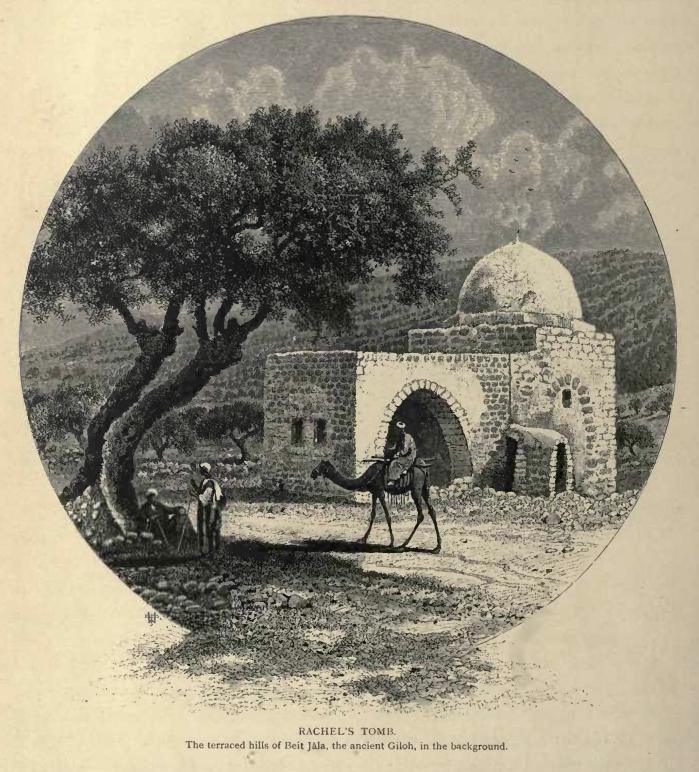 🇵🇸 Palestine and 1 moreRachel's TombQever Raḥel; Qabr Rāḥīl
A shared holy site near Bethlehem revered by Jews, Christians, and MuslimsTradition · Speaking with spirits and the dead · Protection Living
🇵🇸 Palestine and 1 moreRachel's TombQever Raḥel; Qabr Rāḥīl
A shared holy site near Bethlehem revered by Jews, Christians, and MuslimsTradition · Speaking with spirits and the dead · Protection Living
 🇸🇳 Senegal and 1 moreSerer religionA ƭat Roog
The traditional faith of the Serer people, centred on the supreme deity Roog and ancestral veneration.Tradition · Protection · Speaking with spirits and the dead Living
🇸🇳 Senegal and 1 moreSerer religionA ƭat Roog
The traditional faith of the Serer people, centred on the supreme deity Roog and ancestral veneration.Tradition · Protection · Speaking with spirits and the dead Living