Spirits, creatures and beings
Djinn, fairies, orisha, golems and the other powers that magic deals with.
Beings are the powers that magic deals with: spirits, ancestors, gods, djinn, fairies, orisha, nats, kami, demons, golems, ghosts and the many kinds of household and landscape spirit. People in most cultures have described a world shared with unseen others, who may help, trouble or ask for respect. This page covers what these beings are said to be and the very different ways communities relate to them. They are always described here as what communities believe, not as established fact.
Different kinds of beings
A being can be a god with a priesthood, such as an orisha served in Yoruba religion, Cuba and Brazil. It can be an ancestor, honoured in China, Africa and Mexico. It can belong to a place, such as the kami of Shinto, the Thai phi or the Burmese nats. It can be a trouble-maker, like the djinn of Arabic and Islamic tradition, formed from smokeless fire, or the fairies of Ireland, whom people avoided naming.
Relationship, not command
In many traditions, a person does not command a being but enters a relationship with it, through offerings, promises and respect. Possession and mediumship are forms of that relationship, as in Vodou, Candomblé, Korean mudang rites and Sufi gatherings. In ceremonial magic of the European grimoires, by contrast, the magician summons spirits by name and authority, which the Church condemned as demon-raising. The same being may be loved in one household and feared in the next, and a spirit helpful to its servant can be harmful to a stranger.
Religions and renaming
Dominant religions often absorbed beings by relabelling them. Christian missionaries called many African and Indigenous spirits demons. Islam reads the djinn as real creatures, some of whom are Muslim, and Hindu and Buddhist traditions fold local deities into their own pantheons. Pagan and fairy beliefs were sometimes recast as the devil's work, which fed witch trials in Europe. Churches and mosques have sometimes divided beings into good and evil in ways the older traditions did not, so that a neutral local spirit became a demon on the day a missionary arrived.
Harm and interpretation
Belief in harmful spirits has been used to accuse people. Children in parts of West and Central Africa have been branded as witches possessed by evil spirits, and some have been abused by pastors or families in the name of deliverance. Scholars read spirit beliefs as ways to make sense of illness, loss and conflict, and many communities see them simply as neighbours. That is why accusations tied to spirit beliefs fall hardest on children and the vulnerable, and why many agencies train local leaders to challenge them.
Being on EveryJaadu
The entries written up so far, best known first.
 🇩🇴 Dominican Republic and 5 moreZemi
A Taíno deity or ancestral spirit housed in a carved object used for worship and protectionBeing · Protection · Healing Historical
🇨🇳 ChinaHuodou祸斗
A fire-spitting dog from southern Chinese folklore that signals disasterBeing · Cursing and harm Legendary
🇧🇿 BelizeTata DuendeNukuch Tat
A thumbless forest spirit of Belizean folklore that protects animals and warns children.Being · Protection · Cursing and harm Living
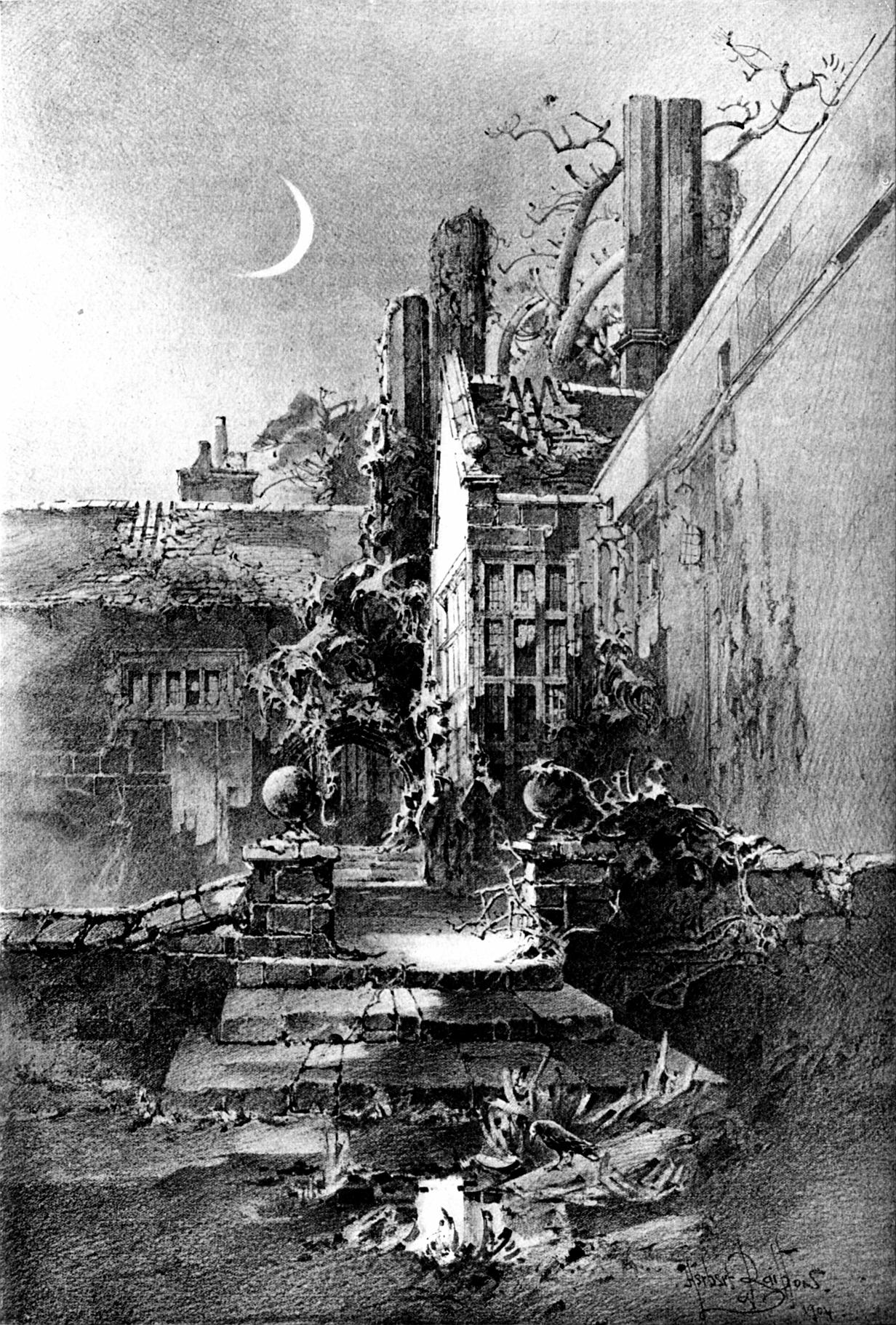 🇬🇧 United KingdomHobgoblin
A household spirit from English folklore known for chores and mischiefBeing · Cursing and harm · Luck and prosperity Historical
 🇦🇺 AustraliaNargun
A stone creature from Gunai/Kurnai legend and a site of women's initiationBeing · Cursing and harm · Speaking with spirits and the dead Legendary
 🇬🇷 GreeceTalosΤάλως
A bronze automaton that guarded Crete from invaders and piratesBeing · Protection Legendary
🇺🇸 United StatesAscended master
Enlightened humans said to have risen through initiations to a higher stateBeing · Change and initiation · Speaking with spirits and the dead Living
 🇯🇵 JapanOuni
A hair-covered demon woman from Japanese folklore artBeing Legendary
🇪🇬 Egypt and 1 moreAiwass
A voice that dictated a foundational occult text to Aleister Crowley in 1904Being · Speaking with spirits and the dead Historical
🇧🇩 Bangladesh and 1 moreFolk deities of Sylhet
Seven local gods and goddesses of the Sylhet region, each with its own careBeing · Protection · Love and attraction Living
 🇸🇾 Syria and 1 moreHumbaba
A Mesopotamian giant who guarded the cedar forest and faced the hero GilgameshBeing · Wonder and entertainment Legendary
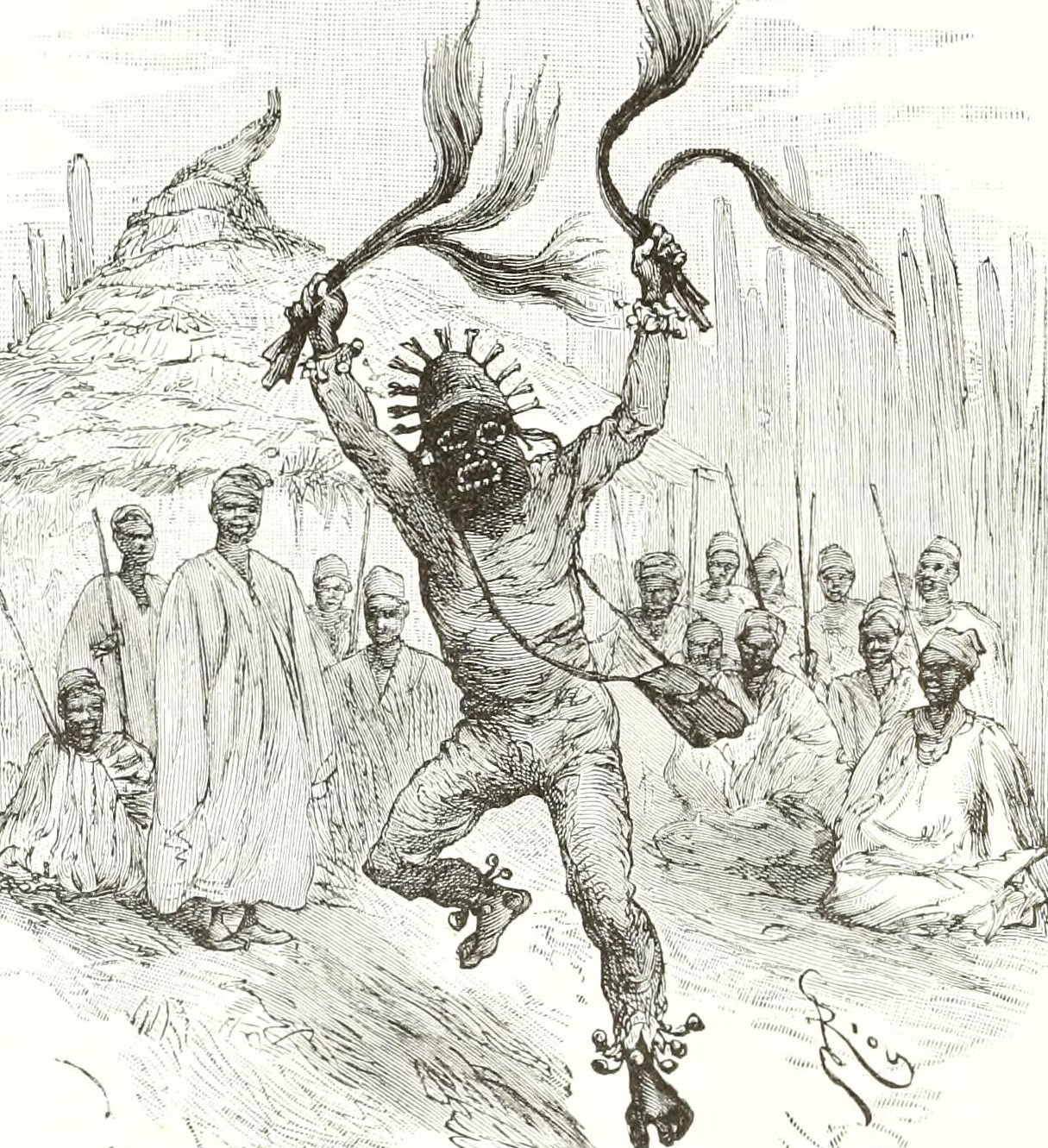 🇭🇹 HaitiBoum'ba Maza
A family of water spirits in Haitian Vodou ritesBeing · Luck and prosperity · Healing Living
 🇻🇳 Vietnam and 1 moreÔng Trời
A sky god of Vietnamese folk religion, later linked to the Taoist Jade EmperorBeing · Protection · Power and authority Living
🇺🇸 United StatesGonakadet
A mythical sea creature of the Pacific Northwest believed to bring wealth and luck.Being · Luck and prosperity Legendary
 🇨🇦 CanadaBakwas
A forest spirit of the Kwakwaka'wakw who offers food of the dead to the lostBeing · Change and initiation · Speaking with spirits and the dead Legendary
🇿🇦 South AfricaAmadlozi
Ancestors of the Nguni people who guide and protect their descendantsBeing · Protection · Speaking with spirits and the dead Living
 🇻🇳 VietnamMẫu ĐịaMẫu Địa (Chữ Hán: 母地)
An earth mother goddess of Vietnamese Đạo Mẫu, whose palace colour is yellowBeing Living
🇪🇬 EgyptAbtuꜣbḏw
A sacred fish of Egyptian myth that helps tow the sun god's boat at dawnBeing Legendary
 🇮🇷 Iran and 5 moreKhidrالخضر
A Qur'anic guide and saint believed to hold hidden wisdom and aid those in need.Being · Seeing and foretelling · Power and authority Living
 🇭🇹 HaitiRada lwa
A family of cool-tempered spirits in Haitian VodouBeing · Speaking with spirits and the dead Living
 🇨🇭 Switzerland and 1 moreSylphsylphes
An air spirit from Paracelsian alchemy and later literatureBeing · Wonder and entertainment Legendary
🇳🇵 Nepal and 1 moreTenma goddesses
Twelve guardian deities in Tibetan Buddhism who swore to protect the faith.Being · Protection Historical
🇮🇹 ItalyDoñas de fuera
Sicilian fairies said to carry chosen women by night to a field at BeneventoBeing · Speaking with spirits and the dead · Luck and prosperity Historical
🇩🇴 Dominican RepublicAnaisa Pye
A Dominican loa of love and wealth, linked to Saint Anne.Being · Love and attraction · Luck and prosperity Living
 🇩🇲 DominicaBelie Belcan
A loa of justice and protection in Dominican Vudú, linked to Saint Michael.Being · Protection · Cursing and harm Living
🇯🇵 JapanAzukihakari小豆はかり
A Japanese yōkai known only for the sound of red beans rattling in a house.Being Legendary
 🇯🇵 JapanTaka-nyūdō高入道
A towering monk spirit of Shikoku that grows when stared at and vanishes with a chant.Being · Wonder and entertainment Legendary
🇷🇸 SerbiaBaukБаук
A bear-like creature from Serbian folklore that lurks in the dark.Being · Cursing and harm Legendary
🇨🇦 CanadaGaasyendiethaGá:šöje:ta’
A giant serpent of Canadian lakes said to fly on fire and breathe itBeing Legendary
🇧🇷 BrazilLobisomem
A South American shape-shifter born from family fate or sin, often linked to the full moon.Being · Cursing and harm Legendary
 🇮🇸 Iceland and 1 moreLandvættir
Spirits tied to specific places in Norse tradition and modern HeathenryBeing · Protection · Luck and prosperity Living
 🇨🇳 ChinaXiongdi Gong兄弟公
Sea guardians of Hainan, remembered as 108 brothers killed by piratesBeing · Protection Living
 🇨🇳 China and 5 moreShui Wei Sheng Niang水尾圣娘; เจ้าแม่ทับทิม
A Hainanese goddess of the sea, worshipped by fishermen and diaspora communities in Southeast Asia.Being · Protection · Luck and prosperity Living
🇫🇯 FijiUlupoka
A god of evil beheaded in the gods' war, whose head and body still roam the PacificBeing · Cursing and harm Legendary
🇬🇭 GhanaAbonsam
A malevolent spirit blamed for accidents and disease, driven out to sea with noiseBeing · Cursing and harm · Cleansing and purification Living
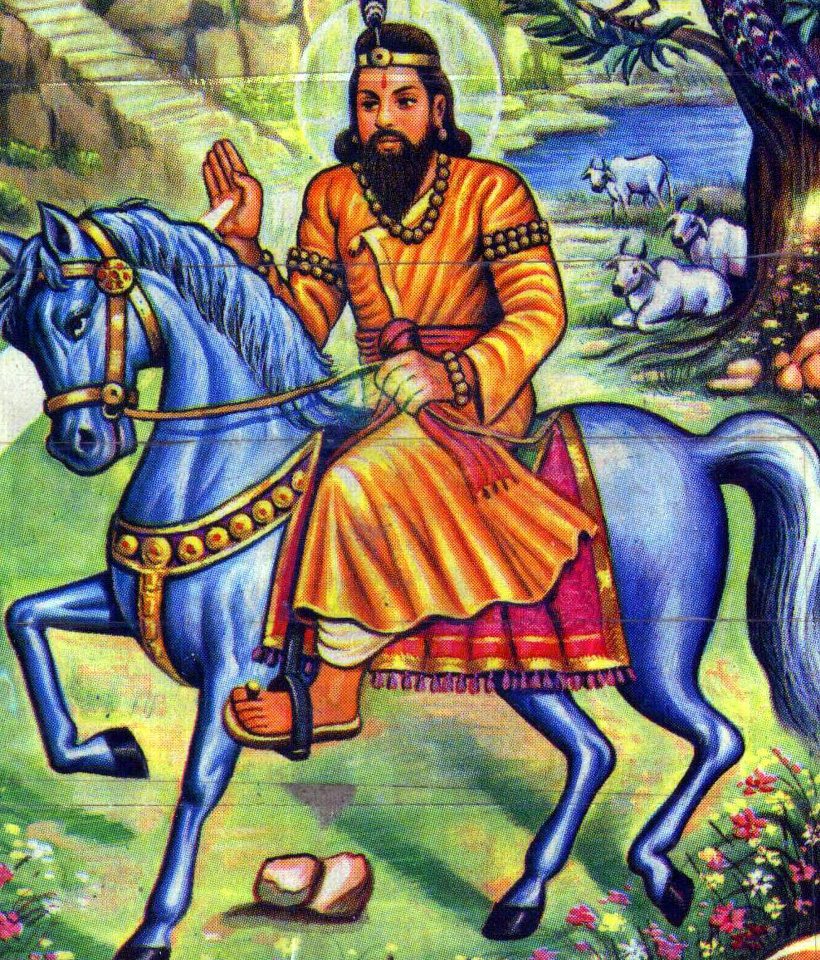 🇮🇳 IndiaBaba Mohan Ramबाबा मोहन राम
A folk form of Krishna worshipped at a cave shrine with a flame that never diesBeing · Healing · Luck and prosperity Living
 🇨🇺 CubaInleErinlẹ
The Orisha of healing and the estuary in Santería and CandombléBeing · Healing Living
 🇮🇳 IndiaUchitta Bhagavathyഉച്ചിട്ട ഭഗവതി
A North Malabar goddess of fire and childbirth, performed as TheyyamBeing · Protection · Healing Living
🇫🇮 FinlandUkonvasara
The hammer of the Finnish thunder god Ukko, a symbol of lightning and powerBeing · Power and authority · Protection Historical
 🇩🇪 Germany and 3 moreDrude
A Germanic nightmare spirit and the pentagram charm used to keep it outBeing · Cursing and harm · Protection Historical
 🇪🇹 Ethiopia and 1 moreGabrielגבריאל
An archangel who carries divine messages and explains visions in Abrahamic traditionsBeing · Protection Living
 🇨🇳 ChinaAo鰲
A colossal sea turtle of Chinese myth whose legs support the skyBeing · Protection · Wonder and entertainment Legendary
🇲🇳 Mongolia and 1 moreÇor
An invisible spirit in Turkic and Mongolian myth, linked to mental states and later Islamic jinn beliefs.Being · Cursing and harm Legendary
🇺🇸 United StatesBeaman Monster
A Missouri cryptid said to be a giant ape or wolf-like creature from the early 1900sBeing Legendary
🇬🇧 United KingdomAdar Llwch Gwin
Griffin-kin birds of Welsh legend that obeyed speech, and destroyed their own master.Being · Cursing and harm Legendary
 🇬🇷 GreeceOnocentaurὈνοκένταυρος
A Greek legendary being, half person and half donkeyBeing Legendary
Photo credits on this page
The small pictures above come from Wikimedia Commons under free licences. Some are cropped to fit.
- Onocentaur: 'Angelo Vergatio' (Angelos Vergekios) and his daughter, Public domain, source
- Ao: David Jackson, CC BY-SA 2.0 uk, source
- Rada lwa: Calvin Hennick, for WBUR Boston, CC BY 3.0, source
- Bakwas: Another Believer, CC BY-SA 3.0, source
- Nargun: Unknown author, Public domain, source
- Ancient Mesopotamian religion: editor Austen Henry Layard , drawing by L. Gruner, Public domain, source
- West African Vodún: I cropped, original authors are Ridpath, John Clark, CC BY-SA 4.0, source
- Zemi: Unknown author, CC0, source
- Hobgoblin: Herbert Railton, Public domain, source
- Talos: Unknown artist, Public domain, source
- Ouni: Brigham Young University, CC BY-SA 4.0, source
- Ông Trời: Bùi Thụy Đào Nguyên, CC BY-SA 3.0, source
- Mẫu Địa: Rio Lam, CC BY-SA 4.0, source
- Khidr: Unknown author, Public domain, source
- Sylph: Copyright by Rufus Watles & L.C. Sanger, lithograph by Sarony, Major &, Public domain, source
- Belie Belcan: Domfranciscorodrigues, CC BY-SA 3.0, source
- Taka-nyūdō: Hayami Shungyōsai (速水春暁斎, Japanese, *1767, †1823), Public domain, source
- Landvættir: TommyBee, Public domain, source
- Xiongdi Gong: Okkisafire, CC BY-SA 4.0, source
- Shui Wei Sheng Niang: Maya-Anaïs Yataghène, CC BY 2.0, source
- Baba Mohan Ram: Yajush Rao, CC BY-SA 4.0, source
- Inle: Happycheetha32, CC BY-SA 4.0, source
- Uchitta Bhagavathy: Sreejith K ( talk ), CC BY 3.0, source
- Drude: Ramessos, Public domain, source
- Gabriel: uploader Koperczak ( talk ) 06:28, 24 March 2009 (UTC), Public domain, source