Spirits, creatures and beings
Djinn, fairies, orisha, golems and the other powers that magic deals with.
Beings are the powers that magic deals with: spirits, ancestors, gods, djinn, fairies, orisha, nats, kami, demons, golems, ghosts and the many kinds of household and landscape spirit. People in most cultures have described a world shared with unseen others, who may help, trouble or ask for respect. This page covers what these beings are said to be and the very different ways communities relate to them. They are always described here as what communities believe, not as established fact.
Different kinds of beings
A being can be a god with a priesthood, such as an orisha served in Yoruba religion, Cuba and Brazil. It can be an ancestor, honoured in China, Africa and Mexico. It can belong to a place, such as the kami of Shinto, the Thai phi or the Burmese nats. It can be a trouble-maker, like the djinn of Arabic and Islamic tradition, formed from smokeless fire, or the fairies of Ireland, whom people avoided naming.
Relationship, not command
In many traditions, a person does not command a being but enters a relationship with it, through offerings, promises and respect. Possession and mediumship are forms of that relationship, as in Vodou, Candomblé, Korean mudang rites and Sufi gatherings. In ceremonial magic of the European grimoires, by contrast, the magician summons spirits by name and authority, which the Church condemned as demon-raising. The same being may be loved in one household and feared in the next, and a spirit helpful to its servant can be harmful to a stranger.
Religions and renaming
Dominant religions often absorbed beings by relabelling them. Christian missionaries called many African and Indigenous spirits demons. Islam reads the djinn as real creatures, some of whom are Muslim, and Hindu and Buddhist traditions fold local deities into their own pantheons. Pagan and fairy beliefs were sometimes recast as the devil's work, which fed witch trials in Europe. Churches and mosques have sometimes divided beings into good and evil in ways the older traditions did not, so that a neutral local spirit became a demon on the day a missionary arrived.
Harm and interpretation
Belief in harmful spirits has been used to accuse people. Children in parts of West and Central Africa have been branded as witches possessed by evil spirits, and some have been abused by pastors or families in the name of deliverance. Scholars read spirit beliefs as ways to make sense of illness, loss and conflict, and many communities see them simply as neighbours. That is why accusations tied to spirit beliefs fall hardest on children and the vulnerable, and why many agencies train local leaders to challenge them.
Being on EveryJaadu
The entries written up so far, best known first.
 🇮🇱 IsraelBabalon
A Thelemic goddess of fertility, ecstasy, and spiritual transformation.Being · Change and initiation · Power and authority Living
🇧🇯 BeninXeviosoXɛviosò
A Fon and Ewe thunder god held to judge wrongdoers with lightningBeing · Cursing and harm · Cleansing and purification Living
🇲🇱 Mali and 1 moreSandobele
A Senufo woman diviner who mediates between the village and bush spirits.Being · Speaking with spirits and the dead · Protection Living
🇬🇧 United Kingdom and 1 moreGrant
A medieval English demon resembling a prancing colt that warns of coming fires.Being · Seeing and foretelling Historical
 🇬🇷 GreeceAloadaeἈλωάδαι (Aloadai)
Twin giants of Thessaly who challenged the gods and built mountains to reach Olympus.Being Legendary
 🇻🇳 VietnamMẫu Thượng Ngàn林宮聖母
A forest goddess in Vietnamese indigenous religion, ruler of the Forest PalaceBeing · Power and authority Living
 🇻🇳 VietnamThánh Trần worshiptín ngưỡng thờ Đức Thánh Trần
A Vietnamese folk cult around a deified general, reached through mediums in trance danceTradition · Protection · Speaking with spirits and the dead Living
🇮🇳 IndiaGreat White Brotherhood
An unseen company of spiritual teachers said to guide human developmentBelief · Speaking with spirits and the dead · Change and initiation Living
 🇯🇵 Japan and 4 moreKṣitigarbhaक्षितिगर्भ
A bodhisattva vowed to empty the hells and guard children, shown with a staff and jewel.Being · Protection · Speaking with spirits and the dead Living
🇸🇪 SwedenBysen
A cursed forest spirit of Gotland that misleads travelers and tends the woods.Being · Cursing and harm · Wonder and entertainment Legendary
 🇯🇵 JapanAkaname垢嘗
A Japanese bath yōkai said to lick grime from tubs at nightBeing · Cleansing and purification · Cursing and harm Legendary
🇨🇱 ChileWarlock of Chiloébrujo chilote
A legendary network of sorcerers from the Chilean archipelago and their mythical powers.Belief · Cursing and harm · Power and authority Legendary
🇮🇱 IsraelQlippothקְלִיפּוֹת
Impure spiritual forces in Jewish mysticism, opposites of the holy sefirotBeing · Cursing and harm Historical
 🇯🇵 JapanYume no seirei夢の精霊
A Japanese yōkai believed to cause nightmares during the Edo periodBeing · Cursing and harm Historical
 🇬🇷 GreeceHecatoncheiresἙκατόγχειρες
Three giant brothers of Greek myth, each with fifty heads and a hundred armsBeing Legendary
🇮🇳 India and 1 moreOrphan Bird
A medieval bestiary bird whose good eggs float and bad eggs sink in the seaBeing Legendary
🇺🇸 United StatesSpearfingerU'tlun'ta'
A Cherokee stone witch who eats livers and hides her weak spot.Being · Cursing and harm Legendary
 🇯🇵 JapanAmazake-babaa甘酒婆
A hag of northern Japanese legend whose night-time question brings sickness when answeredBeing · Protection · Cursing and harm Legendary
 🇮🇳 IndiaKadangot Makkam
A North Malabar goddess who became a deity after being killed by her brothers.Being · Protection · Love and attraction Living
🇯🇵 Japan and 5 moreMythic humanoids
Creatures that blend human and animal traits across global folkloreBeing · Wonder and entertainment Legendary
🇬🇷 GreeceDemiurgeΔημιουργός
A craftsman-like maker of the universe in Platonic and Gnostic thoughtBeing Historical
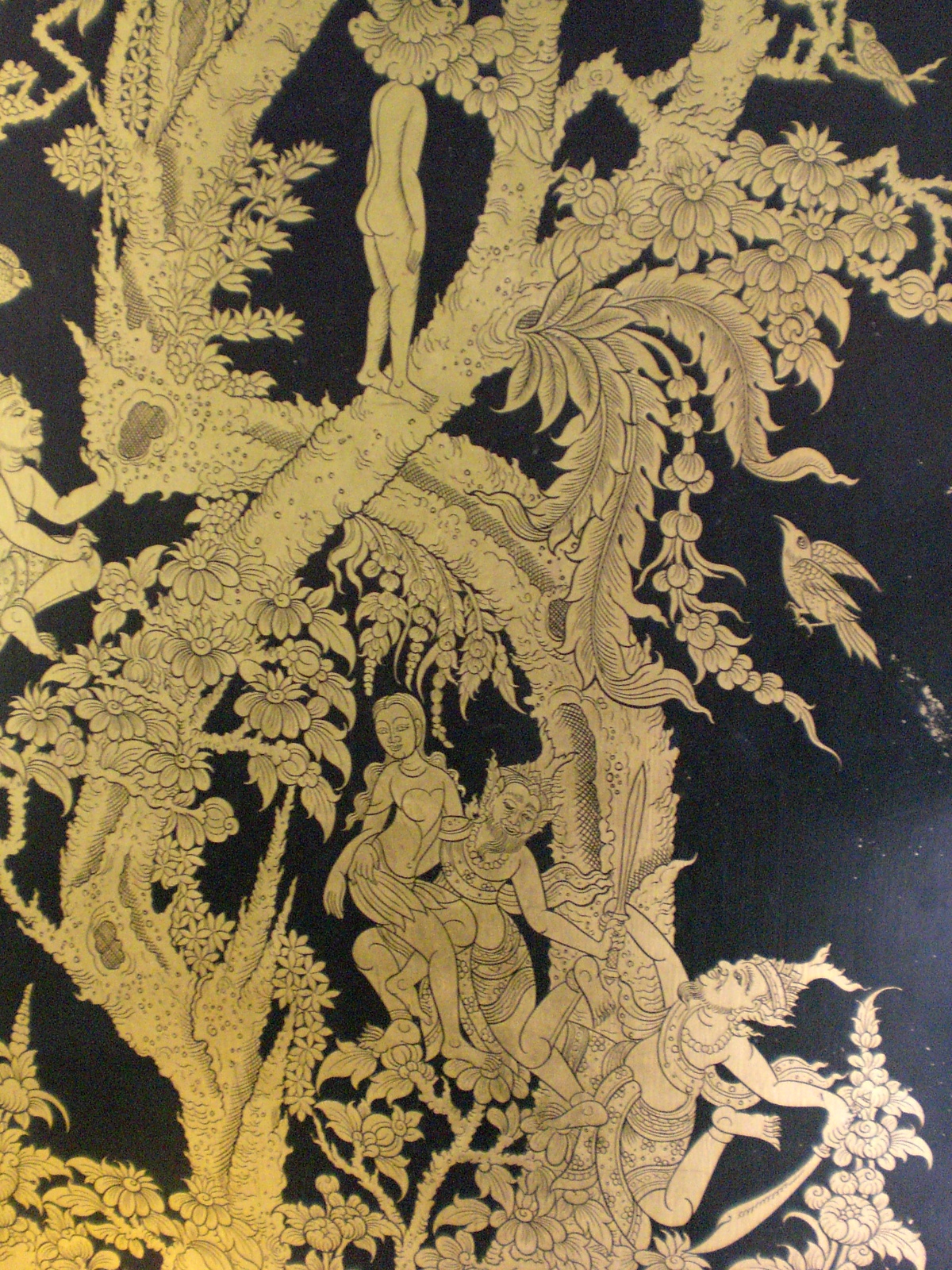 🇹🇭 Thailand and 2 moreNariphonนารีผล
A mythical tree in Buddhist lore that bears fruit shaped like young womenBeing · Cursing and harm Legendary
🇯🇵 JapanEnenra煙々羅
A Japanese smoke yōkai born from bonfires, visible only to the pure of heart.Being Legendary
 🇪🇹 EthiopiaForest BullΤαῦρος Αἰθιοπικός
A monstrous tawny bull of Ethiopian legend, said to turn aside iron weaponsBeing Legendary
🇬🇷 GreecePolemosΠόλεμος
A Greek spirit of war and the personification of conflictBeing · Cursing and harm Legendary
🇮🇱 IsraelAdne Sadehאַדְנֵי הַשָּׂדֶה
A wild humanoid from Jewish folklore tethered to the earth by its navelBeing · Wonder and entertainment Legendary
🇯🇵 JapanIkuchiゐくち
A legendary sea serpent from Japanese folklore that leaves oil on shipsBeing · Wonder and entertainment Legendary
🇸🇪 SwedenVittra
A forest spirit from northern Sweden linked to livestock and seductionBeing · Cursing and harm · Love and attraction Legendary
 🇮🇱 Israel and 2 moreTanninתַּנִּין
A sea monster of chaos in Canaanite and Hebrew myth, later a symbol for Egypt and Babylon.Being · Cursing and harm Legendary
 🇮🇪 IrelandNechtan
An Irish mythic figure tied to a wisdom-giving spring and the River BoyneBeing Legendary
🇮🇪 IrelandAirmed
Irish goddess of healing plants, whose sorted herbs were scattered by envyFigure · Healing Legendary
🇬🇧 United KingdomDunnie
A border spirit that mimics horses and sings of lost treasureBeing · Cursing and harm · Wonder and entertainment Historical
 🇫🇷 France and 2 moreTarasqueTarasca
A mythical beast from Provence tamed by Saint Martha and paraded in festivalsBeing · Wonder and entertainment Living
🇸🇾 SyriaAscusἌσκος
A Greek giant flayed by Hermes after chaining DionysusBeing Legendary
🇬🇱 GreenlandAnguta
A Greenlandic Inuit figure who guides the dead and fathered the sea goddess SednaBeing · Speaking with spirits and the dead Historical
 🇨🇱 ChileCamahueto
A one-horned river bull from Chilote folklore that drags people to the seaBeing · Cursing and harm Legendary
🇪🇬 EgyptSoul Collector
A mythical figure said to gather, guide, or judge the spirits of those who have passed away.Being · Speaking with spirits and the dead Legendary
 🇯🇵 JapanFuraribiふらり火
A fire yōkai depicted as a flaming bird in classical Japanese art and legendBeing · Cursing and harm Legendary
🇯🇵 JapanMintuciミントゥチ
A water spirit of Ainu tales: bringer of the catch and the hunt, and of drownings.Being · Luck and prosperity · Protection Legendary
 🇯🇵 Japan and 1 moreBake-danuki化け狸
A shape-shifting raccoon dog spirit from Japanese folklore known for pranks and illusions.Being · Cursing and harm · Luck and prosperity Legendary
 🇬🇷 GreeceCentaurideΚενταυρίδε (Kentauride)
A female centaur from Greek mythology, depicted in art and literature as a hybrid of woman and horse.Being · Wonder and entertainment Legendary
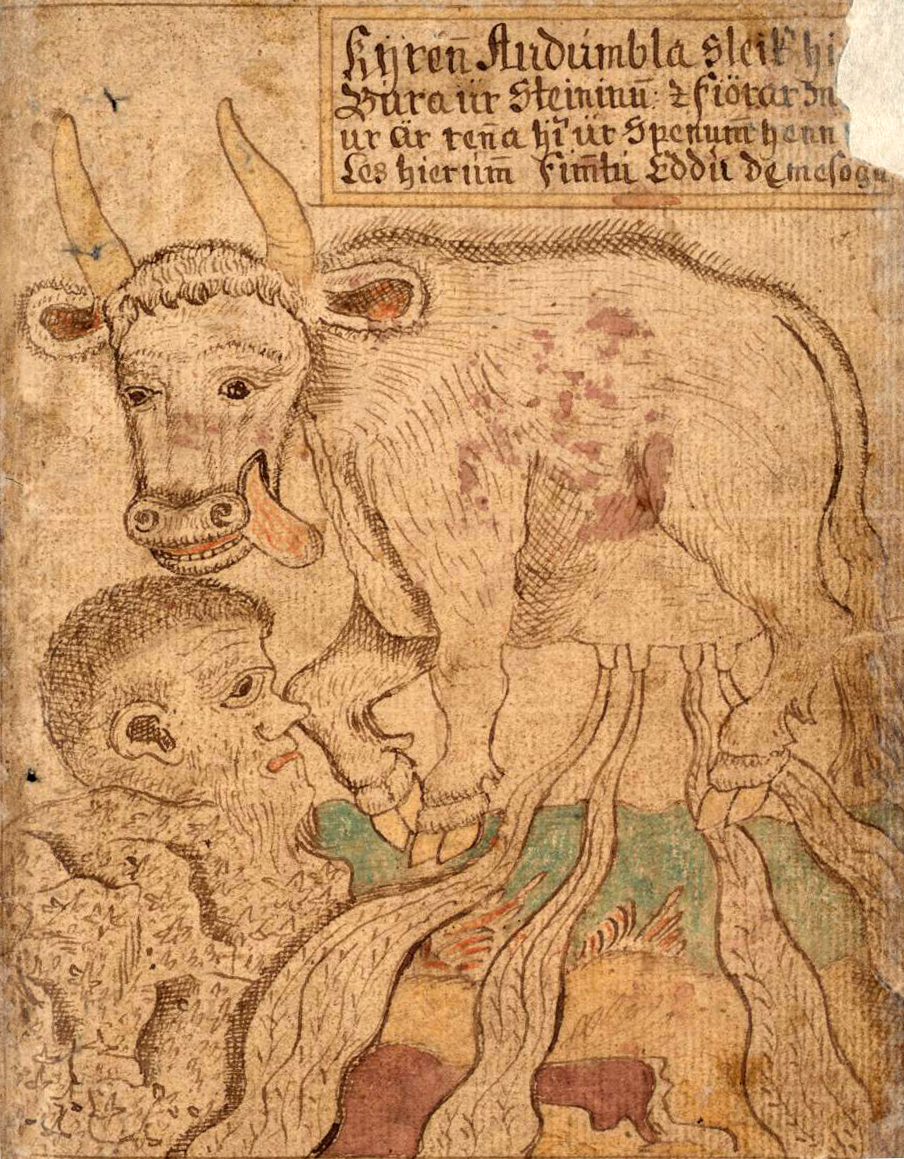 🇪🇬 EgyptAuðumbla
A primeval cow in Norse mythology that nourished the first giant and revealed the first god.Being Legendary
 🇹🇭 ThailandKhamotโขมด
A floating night light in Thai and Khmer folklore that misleads travelersBeing · Cursing and harm Legendary
🇪🇬 EgyptEn-Naddahaالنداهة
A water spirit of the Nile who lures men to their doom with a hypnotic callBeing · Cursing and harm Fading
 🇬🇷 GreeceNymphνύμφη
A nature spirit from Greek myth, tied to specific places like springs or trees, often seen as a maiden.Being · Healing · Seeing and foretelling Historical
🇺🇸 United StatesRaven MockerᎪᎳᏅ ᎠᏰᎵᏍᎩ
Cherokee witches or spirits said to take a dying person's heart and yearsBeing · Cursing and harm Legendary
 🇬🇷 GreecePrometheusΠρομηθεύς
A Titan who took fire for humans and paid for itFigure · Speaking with spirits and the dead Legendary
🇯🇵 JapanAme no Ohabari天之尾羽
A legendary sword and Shinto spirit from Japanese mythBeing · Cursing and harm · Power and authority Historical
Photo credits on this page
The small pictures above come from Wikimedia Commons under free licences. Some are cropped to fit.
- Kṣitigarbha: སངས་རྒྱས་བཅོམ་ལྡན་འདས།, Public domain, source
- Aloadae: No machine-readable author provided. Antars~commonswiki assumed (based, Public domain, source
- Khamot: Hem Vejakorn, Public domain, source
- Nechtan: sarah gallagher, CC BY-SA 2.0, source
- Nariphon: LigerCommon, Public domain, source
- Forest Bull: Jacob van Maerlant, Public domain, source
- Tannin: Zakariya al-Qazwini, Public domain, source
- Tarasque: Olivier, CC BY-SA 4.0, source
- Camahueto: Rjcastillo, CC BY 4.0, source
- Furaribi: Brigham Young University, CC BY-SA 4.0, source
- Bake-danuki: Poposhka at English Wikipedia, Public domain, source
- Centauride: John La Farge, Public domain, source
- Auðumbla: Jakob Sigurðsson [2], Public domain, source
- Nymph: Unknown author, Public domain, source
- Prometheus: No machine-readable author provided. Atoma assumed (based on copyright, Public domain, source
- Babalon: William Blake, Public domain, source
- Mẫu Thượng Ngàn: Unknown author, Public domain, source
- Thánh Trần worship: Rio Lam, CC BY-SA 4.0, source
- Akaname: Ueda Hiromitsu 上田寛満 (illust.) fl. c. 1780, CC0, source
- Yume no seirei: Brigham Young University, CC BY-SA 4.0, source
- Hecatoncheires: Unknown author, Public domain, source
- Amazake-babaa: Fred Cherrygarden, CC BY-SA 4.0, source
- Kadangot Makkam: Shagil Kannur, CC BY-SA 4.0, source