
Mẫu Thượng Ngàn
In its own language: 林宮聖母
A forest goddess in Vietnamese indigenous religion, ruler of the Forest Palace
She is a deity in the Four Palaces tradition of Vietnam, governing the mountains and woods. Legend says she is the child of Prince Tản Viên Sơn Thánh and Mỵ Nương.
- Ruler of the Forest Palace in the Four Palaces system
- Daughter of Prince Tản Viên Sơn Thánh and Mỵ Nương
- Worshipped at natural sites like Suối Mỡ thermal springs
- Depicted in Hàng Trống paintings and modern art
- Key deity in Vietnamese indigenous religion
What it is
Mẫu Thượng Ngàn serves as the sovereign of the Forest Palace within the spirit hierarchy of Vietnamese indigenous belief. She is widely recognized as the guardian of mountainous and wooded regions. Her title reflects her authority over these natural domains. The Four Palaces system organizes various deities, and she holds a central place among them. Artistic depictions often show her in traditional attire from historical periods. These images help devotees visualize her presence and status.
Where it comes from
Myths describe her lineage as royal. She is said to be the offspring of Prince Tản Viên Sơn Thánh and Mỵ Nương. Mỵ Nương was the daughter of a King Hung. This family connection ties her to major figures in local legend. The stories involving her parents often highlight conflicts with other powerful entities. These tales establish her noble birth and divine right to rule.
Mẫu Thượng Ngàn, drawn and placed
- Living
- Revived
- Fading
- Historical
- Legendary
- Performed
- Lineage
- Four Palaces
Peoples and places
The worship of Mẫu Thượng Ngàn is rooted in Vietnam. Devotees recognize her as a key figure in their spiritual landscape. Shrines dedicated to her are found near significant natural sites. One notable location is the Suối M thermal springs area. This site near Bắc Giang town attracts visitors and worshippers alike. The practice remains part of the living cultural heritage.
At a glance: who, where and when

What people believe
The Four Palaces framework structures the spiritual world for many adherents. It assigns specific roles to different spirits. Mẫu Thượng Ngàn manages the forest domain within this order. Believers see her as a protective force for nature. Her authority is accepted without question in traditional contexts. The system provides a way to understand and interact with the unseen world.
How scholars and sceptics see it
Researchers study her role in the broader context of Vietnamese religion. They examine how the Four Palaces tradition evolved. Historical texts and modern art provide evidence of her enduring presence. Scholars note the continuity of these beliefs despite social changes. The artistic representations offer insights into cultural values.
Questions people ask about Mẫu Thượng Ngàn
Who is Mẫu Thượng Ngàn?
She is a forest goddess in Vietnamese indigenous religion. She rules the Forest Palace within the Four Palaces spirit hierarchy. Devotees view her as a guardian of mountains and woods.
Where does she come from?
Legend says she is the daughter of Prince Tản Viên Sơn Thánh and Mỵ Nương. Mỵ Nương was the daughter of a King Hung. Her lineage connects her to major mythic figures.
Where is she worshipped?
Shrines to her are found across Vietnam. A notable site is the Suối Mỡ thermal springs area near Bắc Giang town. Natural features often host these places of reverence.
Good reading and sources
The facts on this page come from the Wikipedia article "Mẫu Thượng Ngàn", written by its contributors and used under the CC BY-SA 4.0 licence, and from its Wikidata record (CC0). EveryJaadu rewrote the text in its own words, with AI assistance, and compares every page with the article to make sure no passage is copied. It may be reused under the same CC BY-SA 4.0 licence with a link back.
It may contain mistakes. Names and customs differ from one community to the next, and some knowledge is closed to outsiders and left out here. This page describes belief and practice. It does not say that any of it works, it is not a how-to, and it is not medical advice. If something is wrong, tell us. Last refreshed 2026-10-06.
More from Vietnam
All the entries from Vietnam 🇻🇳 Vietnam and 2 moreThiên Y A Na
A Vietnamese goddess worshipped in folk religion and Đạo Mẫu through spirit mediumshipBeing · Protection · Luck and prosperity Living
🇻🇳 Vietnam and 2 moreThiên Y A Na
A Vietnamese goddess worshipped in folk religion and Đạo Mẫu through spirit mediumshipBeing · Protection · Luck and prosperity Living
 🇲🇾 Malaysia and 5 morePenanggalan
A floating head with trailing organs from Malay folklore, said to hunt pregnant women and newborns.Being · Cursing and harm Legendary
🇲🇾 Malaysia and 5 morePenanggalan
A floating head with trailing organs from Malay folklore, said to hunt pregnant women and newborns.Being · Cursing and harm Legendary
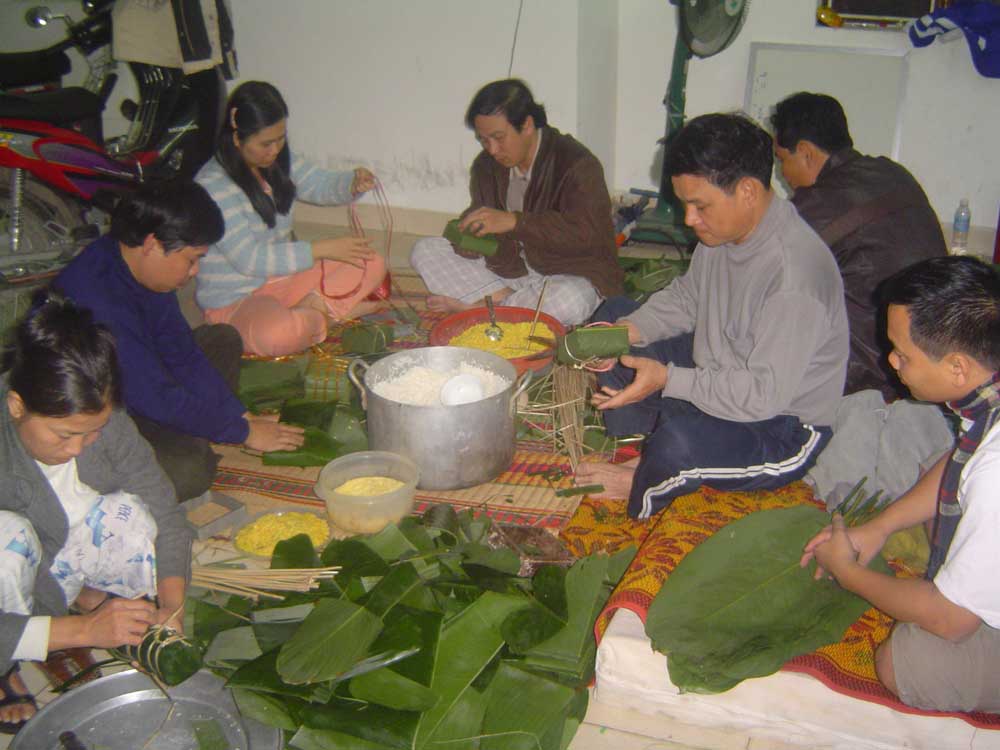 🇻🇳 Vietnam and 5 moreTếtTết Nguyên Đán
The Vietnamese lunisolar new year and the most important annual celebration in VietnamTradition · Luck and prosperity · Speaking with spirits and the dead Living
🇻🇳 Vietnam and 5 moreTếtTết Nguyên Đán
The Vietnamese lunisolar new year and the most important annual celebration in VietnamTradition · Luck and prosperity · Speaking with spirits and the dead Living
 🇹🇭 Thailand and 7 moreSpirit house
A small roofed shrine that shelters a place's protective spiritCharm · Protection Living
🇹🇭 Thailand and 7 moreSpirit house
A small roofed shrine that shelters a place's protective spiritCharm · Protection Living
Related elsewhere
All being 🇮🇳 India and 5 moreAstrology
A divinatory practice that reads human fate through the positions of celestial bodies.Belief · Seeing and foretelling · Luck and prosperity Living
🇮🇳 India and 5 moreAstrology
A divinatory practice that reads human fate through the positions of celestial bodies.Belief · Seeing and foretelling · Luck and prosperity Living
 🇬🇧 United Kingdom and 2 moreKing ArthurBrenin Arthur
A legendary British king and folk hero of medieval literature and Welsh mythologyFigure · Power and authority · Wonder and entertainment Legendary
🇬🇧 United Kingdom and 2 moreKing ArthurBrenin Arthur
A legendary British king and folk hero of medieval literature and Welsh mythologyFigure · Power and authority · Wonder and entertainment Legendary
 🇫🇷 FranceHoly GrailSaint Graal
A cup or stone from Arthurian tales that grants healing and eternal lifeFigure · Healing · Luck and prosperity Legendary
🇫🇷 FranceHoly GrailSaint Graal
A cup or stone from Arthurian tales that grants healing and eternal lifeFigure · Healing · Luck and prosperity Legendary
 🇮🇳 India and 2 morePalmistry
A divination method that interprets the lines and shapes of the hand to predict fate or reveal character.Oracle · Seeing and foretelling · Power and authority Living
🇮🇳 India and 2 morePalmistry
A divination method that interprets the lines and shapes of the hand to predict fate or reveal character.Oracle · Seeing and foretelling · Power and authority Living