🇿🇦 Magic in South Africa
21 entries from South Africa, best known first, across 14 places of magic.
Rooted in Bantu cosmology, folk healing in Southern Africa centres on ancestral spirits who guide the living and influence daily life. Practitioners blend spiritual mediation with botanical remedies to restore balance after illness or social conflict. This tradition operates alongside modern clinical medicine, with most communities consulting both systems to maintain harmony between the visible and invisible worlds.
- Sangomas focus on divination while inyanga specialize in plant medicines.
- About two hundred thousand traditional healers practice in South Africa.
- Bone throwing reveals ancestral messages to diagnose patient afflictions.
- Burning dried leaves helps summon spirits during healing ceremonies.
- Muthi combines botanical extracts with animal fats and mineral compounds.
Overview
The practice spans Nguni, Sotho, and Tsonga communities across the region. Healing rests on a worldview where sickness stems from broken relationships with departed relatives, contact with unclean objects, or hidden malice. Practitioners act as mediators who negotiate peace between human patients and restless spirits. Historical shifts like urban migration and colonial rule have merged once separate skills into a single profession. Today the approach shares core ideas with neighbouring Bantu groups, emphasising communal wellbeing over individual cure.
Practices and beliefs
Healers employ bone casting, dream analysis, and trance states to locate the source of trouble. They prepare muthi, a term meaning tree, using thousands of local plants mixed with animal fats or minerals. Some remedies carry symbolic weight, such as lion fat given to youth for bravery. Purification methods include herbal baths, steam inhalation, controlled vomiting, nasal powders, and skin applications. Divination tools range from vertebrae and shells to coins and dice, each pattern read as a message from the spirit realm.
Rites and charms
Sessions begin inside a sacred hut or a small portable shrine where offerings are made. Healers burn dried leaves to call upon elders, then dance and chant until entering a focused state. Animal slaughter may follow to show gratitude and settle debts with the dead. Patients fast or abstain from certain activities before receiving treatment. The healer throws marked stones or bones across the floor, reads their arrangement, and prescribes a path forward based on the interpreted symbols.
Who practises
Both men and women take up the role after experiencing a prolonged illness that signals a spiritual summons. Trainees undergo a lengthy learning period under experienced mentors. Communities hold them in high esteem, viewing them as essential guides for birth, death, and social disputes. Outsiders sometimes mistake early training symptoms for mental illness, though insiders recognise the calling as a distinct cultural path. The profession remains large, with hundreds of thousands active across the country.
Regions and communities
Local languages shape the titles used for specialists. Xhosa speakers distinguish between plant gatherers and bone casters, while Sotho and Venda groups use different native words for the same roles. Tsonga communities apply similar dual terms. Geographic boundaries once kept these traditions separate, but city life and cross-cultural marriage have blended them. Modern practitioners routinely switch between herbal dispensing and spiritual consultation regardless of their regional origin.
Today
Roughly two hundred thousand specialists serve the public, working alongside licensed clinics. Most residents visit them for physical complaints, emotional stress, or family disputes, often combining their advice with hospital care. Urban growth and changing social structures have streamlined older divisions, allowing one healer to manage both medical and ceremonial duties. The trade continues to adapt without losing its foundational focus on ancestral communication.
The facts in this overview come from the Wikipedia article "Traditional healers of Southern Africa", written by its contributors and used under the CC BY-SA 4.0 licence. EveryJaadu rewrote the text in its own words, with AI assistance, and compares every page with the article to make sure no passage is copied. It may be reused under the same CC BY-SA 4.0 licence with a link back.
 🇿🇦 South AfricaSympathetic magic
A magical principle based on imitation and contact to influence the worldTradition · Protection · Healing Historical
🇿🇦 South Africa and 5 moreMurder for body parts
The killing of people to harvest body parts for traditional medicine or the illegal organ trade.Belief · Cursing and harm · Power and authority Living
🇿🇦 South AfricaSympathetic magic
A magical principle based on imitation and contact to influence the worldTradition · Protection · Healing Historical
🇿🇦 South Africa and 5 moreMurder for body parts
The killing of people to harvest body parts for traditional medicine or the illegal organ trade.Belief · Cursing and harm · Power and authority Living
 🇿🇦 South AfricaGrootslang
A legendary serpent from South Africa said to guard diamonds in a deep cave.Being · Cursing and harm · Power and authority Legendary
🇿🇦 South AfricaGrootslang
A legendary serpent from South Africa said to guard diamonds in a deep cave.Being · Cursing and harm · Power and authority Legendary
 🇿🇦 South Africa and 4 moreWitch doctor
A traditional healer who identifies supernatural causes of illness and performs rituals to restore balance.Tradition · Healing · Protection Living
🇿🇦 South Africa and 4 moreWitch doctor
A traditional healer who identifies supernatural causes of illness and performs rituals to restore balance.Tradition · Healing · Protection Living
 🇺🇸 United States and 7 moreSatanic panic
A moral panic over unsubstantiated claims of Satanic cults abusing children in the late twentieth centuryBelief · Cursing and harm Historical
🇺🇸 United States and 7 moreSatanic panic
A moral panic over unsubstantiated claims of Satanic cults abusing children in the late twentieth centuryBelief · Cursing and harm Historical
 🇿🇦 South Africa and 5 moreTraditional healers of Southern Africa
Practitioners who blend herbal medicine with ancestral divination in Southern AfricaTradition · Healing · Protection Living
🇿🇦 South Africa and 5 moreTraditional healers of Southern Africa
Practitioners who blend herbal medicine with ancestral divination in Southern AfricaTradition · Healing · Protection Living
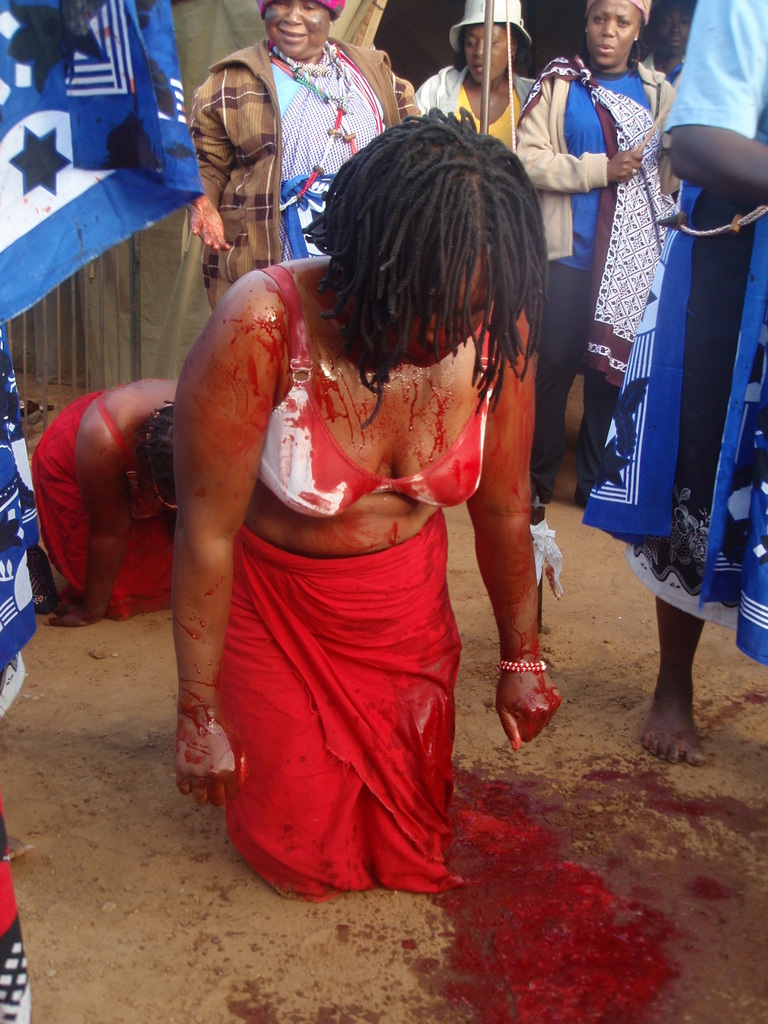 🇿🇦 South AfricaUkuthwasa
A spiritual calling and initiation process for traditional healers in Southern Africa.Rite · Healing · Speaking with spirits and the dead Living
🇿🇦 South Africa and 1 moreRain Queen
A hereditary queen of the Balobedu people believed to control rainfall in South AfricaTradition · Protection · Power and authority Living
🇿🇦 South AfricaUkuthwasa
A spiritual calling and initiation process for traditional healers in Southern Africa.Rite · Healing · Speaking with spirits and the dead Living
🇿🇦 South Africa and 1 moreRain Queen
A hereditary queen of the Balobedu people believed to control rainfall in South AfricaTradition · Protection · Power and authority Living
 🇿🇦 South AfricaLightning bird
A vampiric spirit of the Zulu people that serves witches and strikes with thunder.Being · Cursing and harm · Power and authority Legendary
🇿🇦 South AfricaMamlambo
A South African river spirit linked to wealth and reported cryptid sightingsBeing · Luck and prosperity · Cursing and harm Legendary
🇿🇦 South AfricaLightning bird
A vampiric spirit of the Zulu people that serves witches and strikes with thunder.Being · Cursing and harm · Power and authority Legendary
🇿🇦 South AfricaMamlambo
A South African river spirit linked to wealth and reported cryptid sightingsBeing · Luck and prosperity · Cursing and harm Legendary
 🇿🇦 South AfricaInkanyamba
A storm serpent of South African folklore linked to tornadoes and river spiritsBeing · Cursing and harm · Power and authority Legendary
🇿🇦 South AfricaInkanyamba
A storm serpent of South African folklore linked to tornadoes and river spiritsBeing · Cursing and harm · Power and authority Legendary
 🇮🇪 Ireland and 5 moreFairy
A European spirit with magical powers and human form found in folklore and artBeing · Protection · Cursing and harm Legendary
🇮🇪 Ireland and 5 moreFairy
A European spirit with magical powers and human form found in folklore and artBeing · Protection · Cursing and harm Legendary
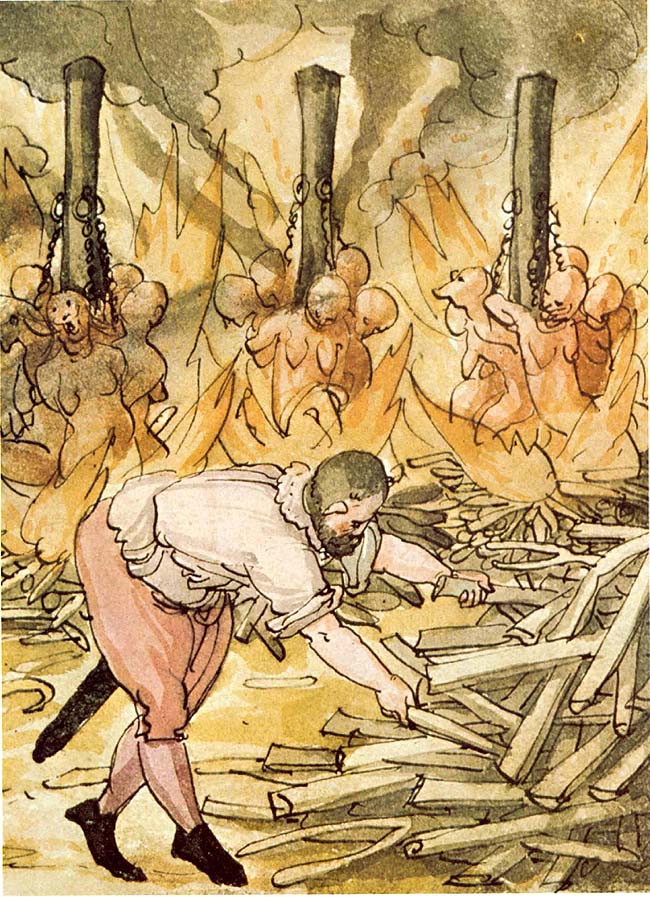 🇸🇦 Saudi Arabia and 5 moreWitch hunt
A campaign to find and punish people accused of using magic for harmBelief · Cursing and harm Historical
🇸🇦 Saudi Arabia and 5 moreWitch hunt
A campaign to find and punish people accused of using magic for harmBelief · Cursing and harm Historical
 🇺🇸 United States and 5 moreRainmaking rites
Ceremonies performed to call rain through prayer, dance, or symbolic actsRite · Protection · Luck and prosperity Living
🇬🇧 United Kingdom and 5 moreAlexandrian Wicca
A British Neopagan tradition founded in the 1960s by Alex and Maxine SandersTradition · Speaking with spirits and the dead · Power and authority Living
🇿🇦 South Africa and 1 moreSan religion
Traditional beliefs of the San peoples of Southern Africa, centered on trance and rock artTradition · Speaking with spirits and the dead Living
🇺🇸 United States and 5 moreRainmaking rites
Ceremonies performed to call rain through prayer, dance, or symbolic actsRite · Protection · Luck and prosperity Living
🇬🇧 United Kingdom and 5 moreAlexandrian Wicca
A British Neopagan tradition founded in the 1960s by Alex and Maxine SandersTradition · Speaking with spirits and the dead · Power and authority Living
🇿🇦 South Africa and 1 moreSan religion
Traditional beliefs of the San peoples of Southern Africa, centered on trance and rock artTradition · Speaking with spirits and the dead Living
 🇬🇧 United Kingdom and 2 moreWitchcraft Acts
A series of British laws that shifted from punishing witchcraft to punishing those who claimed to practice it.Text · Cursing and harm Historical
🇬🇧 United Kingdom and 2 moreWitchcraft Acts
A series of British laws that shifted from punishing witchcraft to punishing those who claimed to practice it.Text · Cursing and harm Historical
 🇿🇦 South Africa and 1 moreMutiumuthi
Traditional medicine practice in Southern Africa using plants, animals and mineralsTradition · Healing · Protection Living
🇿🇼 Zimbabwe and 2 moreMwari
The supreme creator deity of Shona and Venda traditional religionBeing · Protection · Healing Living
🇿🇦 South Africa and 1 moreMutiumuthi
Traditional medicine practice in Southern Africa using plants, animals and mineralsTradition · Healing · Protection Living
🇿🇼 Zimbabwe and 2 moreMwari
The supreme creator deity of Shona and Venda traditional religionBeing · Protection · Healing Living
 🇨🇩 Democratic Republic of the Congo and 4 moreNganga
A spiritual healer and ritual specialist in Kongo religion and its diaspora traditionsTradition · Healing · Seeing and foretelling Living
🇨🇩 Democratic Republic of the Congo and 4 moreNganga
A spiritual healer and ritual specialist in Kongo religion and its diaspora traditionsTradition · Healing · Seeing and foretelling Living
 🇺🇸 United States and 4 moreTooth fairy
A childhood figure who exchanges lost baby teeth for gifts or coins.Figure · Luck and prosperity Living
🇺🇸 United States and 4 moreTooth fairy
A childhood figure who exchanges lost baby teeth for gifts or coins.Figure · Luck and prosperity Living
Photo credits on this page
The small pictures above come from Wikimedia Commons under free licences. Some are cropped to fit.
- Nkisi: MiddleOfAfrica, CC BY-SA 4.0, source
- Witchcraft Act 1735: Richard van Bleeck, Public domain, source
- Sympathetic magic: Marie-Lan Nguyen, CC BY 2.5, source
- Grootslang: Jeff McArthur (Guategeek), CC BY-SA 3.0, source
- Witch doctor: Lucjan Wędrychowski, Public domain, source
- Satanic panic: Hartmann Schedel (1440-1514), Public domain, source
- Ukuthwasa: Mycelium101, CC BY-SA 3.0, source
- Lightning bird: Photo by and (C)2007 Derek Ramsey ( Ram-Man ), CC BY-SA 2.5, source
- Inkanyamba: Bjørn Christian Tørrissen, CC BY-SA 3.0, source
- Fairy: Henry Fuseli, Public domain, source
- Witch hunt: Johann Jakob Wick, Public domain, source
- Rainmaking rites: SJasminum, CC BY-SA 4.0, source
- Muti: Nicholas Roux, CC BY-SA 4.0, source
- Tooth fairy: Eden, CC BY 2.0, source
The weekly digest
Every Monday: seven entries you may not know, what is on the calendar this week, and one rite drawn step by step.