Modern witch-hunts are violent persecutions occurring in various parts of the world today. They involve accusations of sorcery that often lead to torture, exile, or death. These events are most prevalent in sub-Saharan Africa and South Asia.
- Up to 40,000 child-related orphans exist in Kinshasa alone.
- Gambia saw government-sponsored abductions and forced poisonings.
- Ghana maintains eight sanctuaries for accused individuals.
- Tanzania reports 20,000 deaths from witch-hunts in twenty years.
- Nigeria views killing alleged witches as community service.
What it is
Modern witch-hunts are contemporary episodes of persecution where individuals are targeted for alleged involvement in sorcery. Unlike historical European trials, these events occur in the present day and frequently result in higher casualty rates. The accusations typically arise from local beliefs in invisible forces that can cause illness, misfortune, or death. Communities may turn to violence when they seek to identify and neutralize a perceived source of danger within their midst.
Where it comes from
The phenomenon has deep roots in traditional beliefs about magic and spiritual power. In many regions, accusations have intensified due to social and economic pressures. Colonial administrations often suppressed indigenous practices, but post-independence periods saw resurgences. Some movements began as peaceful investigations but evolved into violent campaigns. The spread of media and information has also played a role in amplifying fears and coordinating actions across different areas.
How it is done
Accusations often begin with a community member claiming to be harmed by magic. Witchfinders or healers may then investigate, sometimes using rituals like mirrors or potions to reveal the culprit. If an individual is identified, they may face mob violence, torture, or forced confessions. In some cases, victims are exiled to special settlements. Government agents have occasionally participated, leading to abductions and state-sponsored detentions.
Tools and materials
Various materials are used in the identification process. Mirrors are employed to reflect hidden truths. Potions such as kubejaro are administered to induce physical reactions believed to confirm guilt. Horns containing charms or curses are collected as evidence. Meat is sometimes offered to purge impurities. These items serve as tangible signs of spiritual conflict in a world where magic is considered real.
Modern witch-hunts, drawn and placed
- Living
- Revived
- Fading
- Historical
- Legendary
- Performed
What it is for
The primary goal is to remove a threat to community safety and health. Accusers believe that eliminating the witch will stop ongoing misfortunes. In some contexts, it is viewed as a civic duty to protect the group. Economic motives also drive accusations, particularly regarding inheritance or land disputes. Victims are often vulnerable individuals, such as widows or those with disabilities, making them easy targets.
Who does it
Witchfinders and healers act as intermediaries between the visible and invisible worlds. They may use mixed religious traditions, combining Christian and indigenous elements. In some regions, elders or specific clan leaders hold authority over accusations. Children are sometimes accused, leading to specialized interventions. The practitioners claim divine or ancestral guidance to justify their methods and findings.
Peoples and places
Sub-Saharan Africa reports the highest frequency of these events. Countries like Nigeria, Kenya, and Tanzania experience intense violence. Ghana has established sanctuaries for those fleeing accusations. In Asia, India and Nepal see similar patterns, often targeting women. Papua New Guinea faces extrajudicial killings driven by jealousy. Each culture adapts the general concept of witchcraft to its own social structure and legal framework.
At a glance: who, where and when
What people believe
Believers hold that witches possess innate powers to harm others through supernatural means. This belief system explains unexplained illnesses and failures. The existence of witchcraft is often accepted as fact rather than superstition. Rituals are designed to detect, bind, or destroy these powers. The community shares a worldview where spiritual and material realities are deeply intertwined, requiring constant vigilance against malicious actors.
When it is done
Events do not follow a fixed calendar but respond to crises. Accusations spike during times of drought, disease, or economic hardship. Life events like deaths or divorces often trigger investigations. Some regions have specific shrines where accusations are formally handled. The timing is usually reactive, emerging when tensions reach a breaking point within the community.
How scholars and sceptics see it
Anthropologists and historians study these trends to understand social dynamics. Researchers note that accusations often reflect underlying conflicts over resources or status. Scholars argue that modern witch-hunts are not remnants of the past but adaptive responses to change. Media coverage can exacerbate hysteria, while legal systems struggle to keep pace. International organizations document human rights violations linked to these persecutions.
Cautions and what is closed
These hunts pose severe risks to life and liberty. Victims face torture, murder, and permanent displacement. Children are increasingly targeted, creating orphaned populations. Health consequences from forced consumptions include kidney failure and chronic pain. Legal protections are often weak or ignored. Fraudulent witchfinders exploit fear for financial gain, further endangering innocent people.
Compare and confuse
Modern witch-hunts differ from early modern European trials in scale and method. They lack formal judicial structures, relying instead on mob action or informal investigations. Similarities exist with other forms of scapegoating, where minorities bear blame for societal problems. The concept of the 'evil eye' or 'sorcery' appears globally, but the violent outcomes vary by region and legal context.
Law and persecution
Legal statuses vary widely. Some countries criminalize witch-hunting, while others lack enforcement mechanisms. Government officials have occasionally sponsored or condoned these activities. International bodies report abuses and call for protection. Victims often have no recourse, as local authorities may participate in or ignore the violence. Efforts to establish sanctuaries provide limited safety.
Questions people ask about Modern witch-hunts
What are modern witch-hunts?
They are contemporary persecutions where people are accused of sorcery. These events occur globally but are most common in Africa and Asia. Accusations often lead to violence, exile, or death, driven by beliefs in harmful magic.
Where do they happen most?
Sub-Saharan Africa experiences the highest prevalence. Countries like Nigeria, Tanzania, and Kenya report frequent incidents. South Asia, including India and Nepal, also sees significant numbers of accusations and related violence.
Who are the typical victims?
Victims are often vulnerable individuals. Widows, divorcees, and the elderly are commonly targeted. Children are increasingly accused, leading to large groups of orphans. People with disabilities or those who own property are also at risk.
Why do these hunts occur now?
Social and economic strains contribute to the violence. Misfortunes like illness or crop failure are blamed on witches. Weak legal systems allow mob justice to flourish. Media coverage can amplify fears and coordinate attacks across communities.
Good reading and sources
- Kenyan witch-hunt targets eldersAl Jazeera, Article
- Saudi man executed for 'witchcraft and sorcery'BBC, Article
- NCW demands stringent law against witch-huntsThe Hindu, Article
The facts on this page come from the Wikipedia article "Modern witch hunts", written by its contributors and used under the CC BY-SA 4.0 licence, and from its Wikidata record (CC0). EveryJaadu rewrote the text in its own words, with AI assistance, and compares every page with the article to make sure no passage is copied. It may be reused under the same CC BY-SA 4.0 licence with a link back.
It may contain mistakes. Names and customs differ from one community to the next, and some knowledge is closed to outsiders and left out here. This page describes belief and practice. It does not say that any of it works, it is not a how-to, and it is not medical advice. If something is wrong, tell us. Last refreshed 2026-10-06.
More from South Africa
All the entries from South Africa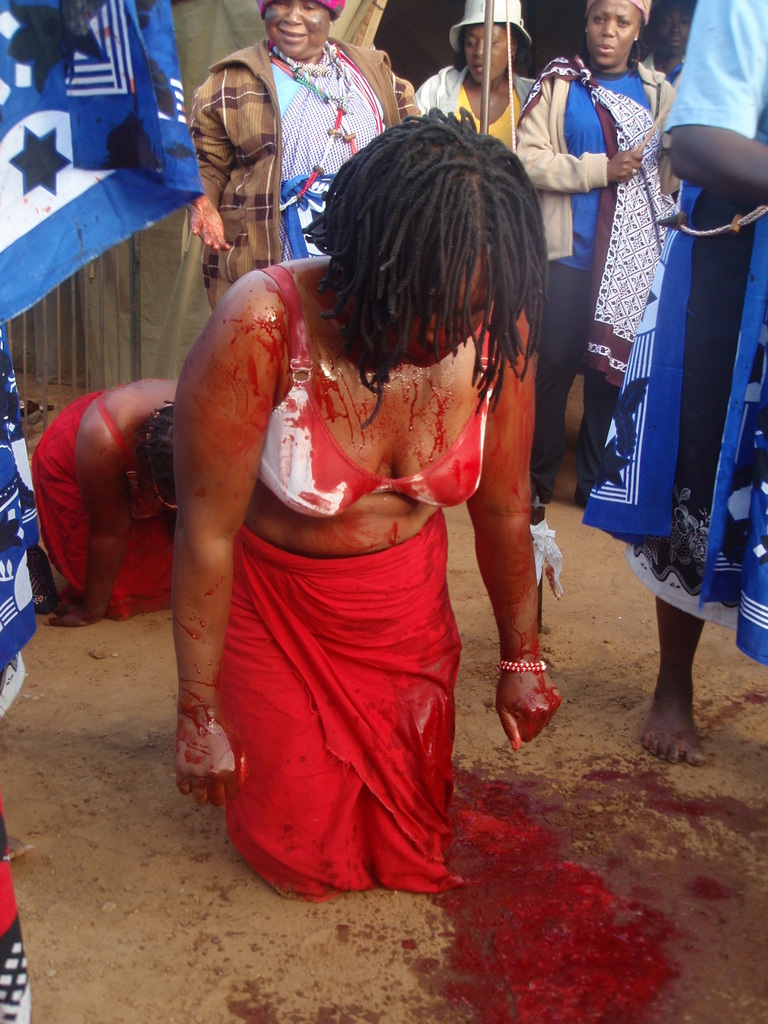 🇿🇦 South AfricaUkuthwasa
A spiritual calling and initiation process for traditional healers in Southern Africa.Rite · Healing · Speaking with spirits and the dead Living
🇿🇦 South AfricaUkuthwasa
A spiritual calling and initiation process for traditional healers in Southern Africa.Rite · Healing · Speaking with spirits and the dead Living
 🇿🇦 South Africa and 4 moreWitch doctor
A traditional healer who identifies supernatural causes of illness and performs rituals to restore balance.Tradition · Healing · Protection Living
🇿🇦 South Africa and 4 moreWitch doctor
A traditional healer who identifies supernatural causes of illness and performs rituals to restore balance.Tradition · Healing · Protection Living
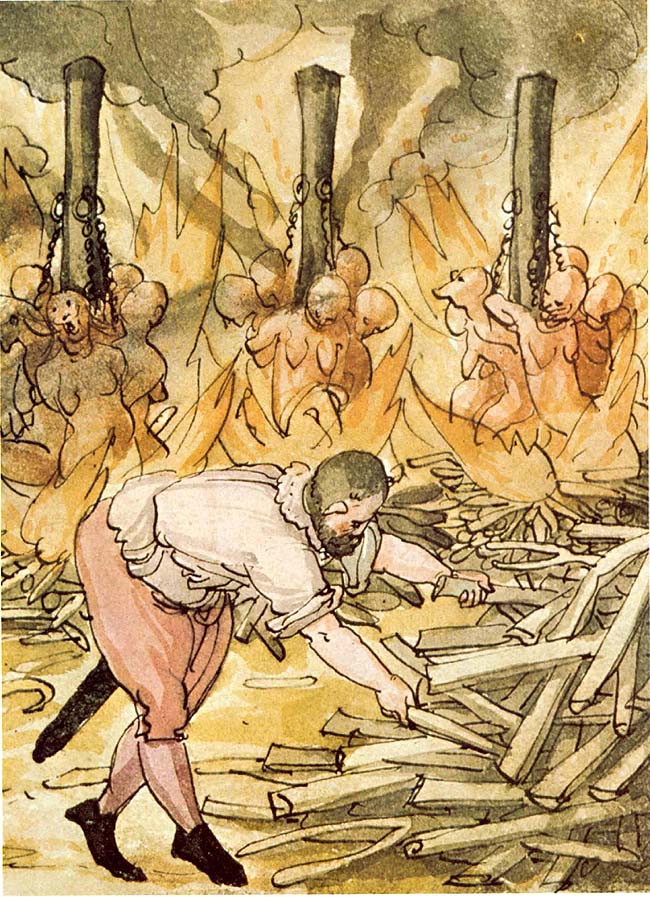 🇸🇦 Saudi Arabia and 5 moreWitch hunt
A campaign to find and punish people accused of using magic for harmBelief · Cursing and harm Historical
🇸🇦 Saudi Arabia and 5 moreWitch hunt
A campaign to find and punish people accused of using magic for harmBelief · Cursing and harm Historical
Related elsewhere
All belief 🇷🇸 Serbia and 5 moreVampire
An undead creature from folklore that feeds on the blood or life force of the livingBeing · Cursing and harm · Luck and prosperity Legendary
🇷🇸 Serbia and 5 moreVampire
An undead creature from folklore that feeds on the blood or life force of the livingBeing · Cursing and harm · Luck and prosperity Legendary
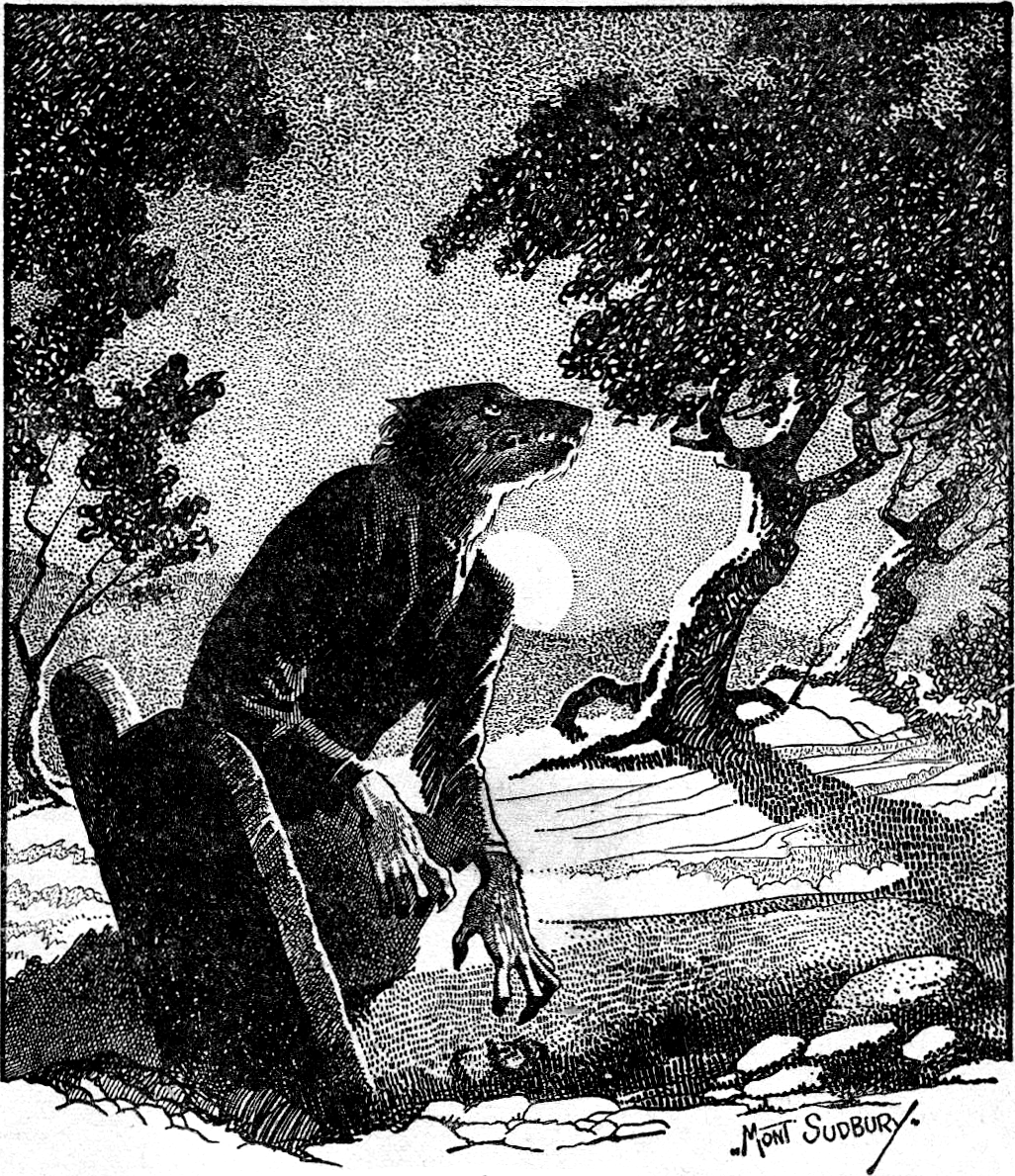 🇫🇷 France and 5 moreWerewolf
A mythical shapeshifter that turns into a wolf, central to European witch-hunts and Gothic horror.Being · Cursing and harm · Wonder and entertainment Legendary
🇫🇷 France and 5 moreWerewolf
A mythical shapeshifter that turns into a wolf, central to European witch-hunts and Gothic horror.Being · Cursing and harm · Wonder and entertainment Legendary
 🇪🇬 Egypt and 1 moreLilithלִילִית
A feminine figure from Mesopotamian and Jewish mythology, often depicted as a night demon or spirit.Being · Cursing and harm Legendary
🇪🇬 Egypt and 1 moreLilithלִילִית
A feminine figure from Mesopotamian and Jewish mythology, often depicted as a night demon or spirit.Being · Cursing and harm Legendary
 🇪🇬 EgyptCurse
A spoken wish for misfortune to befall a person or placeBelief · Cursing and harm · Luck and prosperity Historical
🇪🇬 EgyptCurse
A spoken wish for misfortune to befall a person or placeBelief · Cursing and harm · Luck and prosperity Historical