Initiation and passage
Sangoma calling and bone-throwing
The Zulu and Xhosa path by which a person called by the ancestors trains as a sangoma, who also reads thrown bones.
Presented by ClearTrust Customs described as customs, free to read.
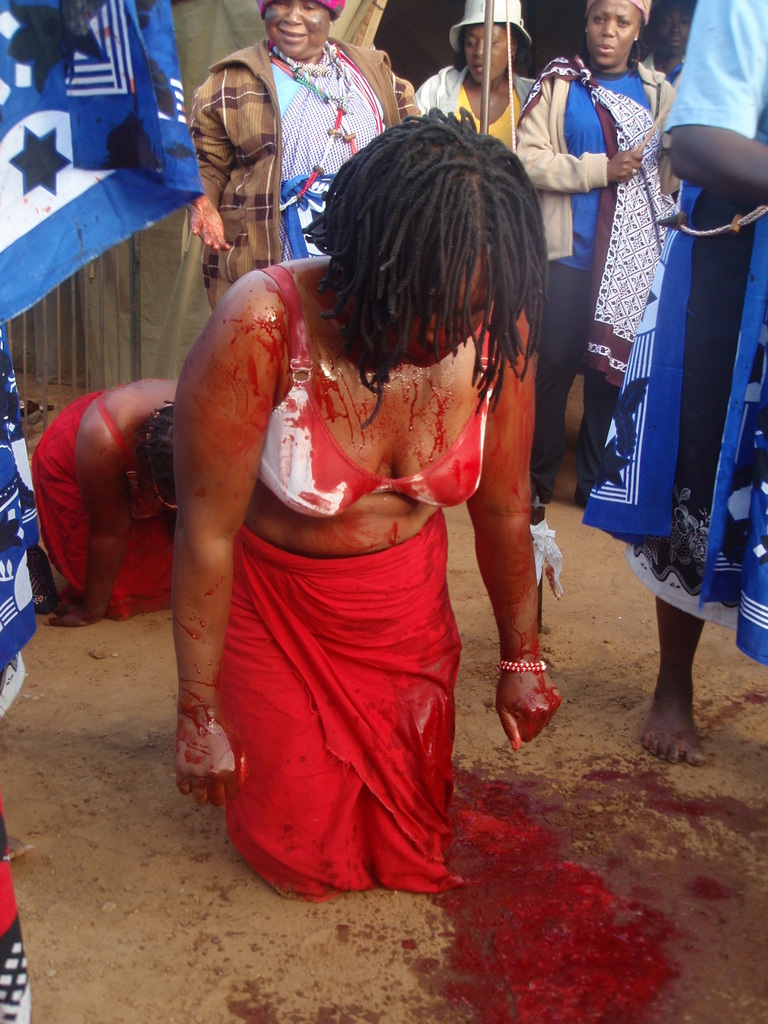
In Zulu and Xhosa tradition a sangoma is a diviner and healer who is said to be called by ancestral spirits. The call, ukuthwasa, is described as a period of unusual dreams, restlessness or illness that does not yield to ordinary means. Training under an established sangoma follows, and ends in a ceremony that recognises the new practitioner.
This is an outline of a custom, said as belief and practice. It is not instruction, it does not say that the rite works, and it is not medical advice.
What goes into it
- Divining bonesToolA set of bones, shells and dice read together.
- Mat and beadsObjectBeads and cloth mark the practitioner and the sitting.
- Ancestral spiritsSpacePresent in the reading as the guides.
- Drumming and songWordUsed to call the ancestors in the ceremony.
- Offering of beer or snuffOfferingGiven to the ancestors.
- Tool
- Object
- Space
- Word
- Offering
Each part has an equal wedge. The ring shows what goes into the rite, not how much. Colour is the part's role.
The steps, drawn
Each drawing shows the kind of act in that step. Details differ from place to place, family to family and practitioner to practitioner.
Step 1: Gather The client greets the sangoma and puts down a small fee. Step 2: Speak The sangoma clicks the bones in the hand and invites the ancestors to speak. Step 3: Cast The bones are thrown onto the mat. Step 4: Read The sangoma reads the pattern aloud and the client confirms or corrects it. Step 5: Offer A ritual such as an offering to the ancestors may be advised. Step 6: Close The bones are gathered and put away.
Throwing the bones
A sangoma casts a set of small bones, shells, stones and other objects that stand for people and forces, then reads the pattern in relation to the client. Practitioners say the ancestors guide the reading. Which items belong in a set and what each means is taught within the trade.
The healers
Sangomas are distinct from inyangas, who are more often herbalists. South Africa recognises traditional health practitioners by law, and many sangomas are women. Some clinicians regard the calling as a culturally shaped account of distress, while sangomas hold it to be a real summons.
Cautions
The training and its secrets are not open to outsiders. Fake healers have been reported, and no one should treat a sangoma diagnosis as a replacement for medical care.
What it is for
- Diagnosis of misfortune
- Calling and training
- Reconciling with ancestors
Who does it
Related entries
Also part of it, and being written: Sangoma (The healer and diviner.), Traditional African medicine (The wider field.).
More on EveryJaadu
No entries here yet. New pages are added every day.
Sources and further reading
Original text and drawings by the EveryJaadu desk, written with AI assistance and checked against the sources above. Closed or sacred detail is left out. If we have something wrong, tell us.
Photo credits on this page
The small pictures above come from Wikimedia Commons under free licences. Some are cropped to fit.
- Ukuthwasa: Mycelium101, CC BY-SA 3.0, source