🇷🇸 Magic in Serbia
15 entries from Serbia, best known first.
Serbian folklore blends pre-Christian Slavic customs with Orthodox Christian traditions, creating a unique spiritual landscape. This heritage includes distinct mythological beings and epic poetry that preserves historical memory and cultural identity across generations.
- South Slavic myths distinguish between benevolent zmej and malevolent ala dragons
- Epic poetry cycles cover periods before and after the Battle of Kosovo
- Cyril and Methodius are venerated following Christianization in 867
- Folklore originates from pre-Christian Slavic customs transformed by Christianity
Overview
Serbian folk belief rests on ancient Slavic roots adapted through Christianization in the ninth century. The tradition distinguishes itself from East Slavic myths by categorizing dragons into benevolent zmej and malevolent ala types. Epic poetry serves as a vital vessel for history, recording events from the fourteenth to nineteenth centuries. These narratives focus on royal dynasties and national struggles rather than pure fantasy. The culture maintains a strong connection between religious faith and folkloric practice, preserving older customs within a Christian framework.
Practices and beliefs
The sources highlight specific mythological entities like the zmej and ala as central figures in local lore. Epic poetry functions as a primary practice for preserving communal history and values. Stories about the settlement of Serbs and conflicts with Romans appear in regions such as Krajište and Vlasina. Veneration of Cyril and Methodius links religious devotion with cultural heritage. No specific charms or daily rituals are detailed in the provided text.
Rites and charms
Information on specific rites is not available in the source material. The text mentions the veneration of saints but does not describe ceremonial actions or ritual procedures associated with folk belief. The focus remains on literary and narrative traditions rather than performed ceremonies.
Who practises
The sources do not identify specific practitioners such as healers or diviners. The creators of the epic poems are described as unknown Serb authors. The tradition appears to be maintained collectively through oral and written transmission rather than by specialized magical professionals.
Regions and communities
Regional variations exist within Serbian folklore, particularly in areas like Krajište and Vlasina. These locations feature epic stories concerning Roman extermination and Serbian settlement. The broader corpus covers Serbia, Bosnia and Herzegovina, and Montenegro. Differences from East Slavic mythology suggest distinct regional developments in dragon lore.
The calendar
No specific festivals or seasonal calendar events are mentioned in the provided article. The text references historical cycles in poetry but does not link them to annual celebrations or religious holidays observed by the community.
Law and the state
The source material does not discuss legal status, persecution, or state treatment of folk beliefs. There is no information regarding witch-hunts, protection laws, or interactions between church authorities and folk practitioners.
Today
Modern engagement with Serbian folklore includes academic indexing of folktales and cultural performances abroad. References to Canadian dance groups indicate diaspora preservation. Media coverage suggests ongoing interest in how Christianity coexists with these traditional beliefs.
The facts in this overview come from the Wikipedia article "Serbian folklore", written by its contributors and used under the CC BY-SA 4.0 licence. EveryJaadu rewrote the text in its own words, with AI assistance, and compares every page with the article to make sure no passage is copied. It may be reused under the same CC BY-SA 4.0 licence with a link back.
 🇷🇸 Serbia and 5 moreVampire
An undead creature from folklore that feeds on the blood or life force of the livingBeing · Cursing and harm · Luck and prosperity Legendary
🇷🇸 Serbia and 5 moreVampire
An undead creature from folklore that feeds on the blood or life force of the livingBeing · Cursing and harm · Luck and prosperity Legendary
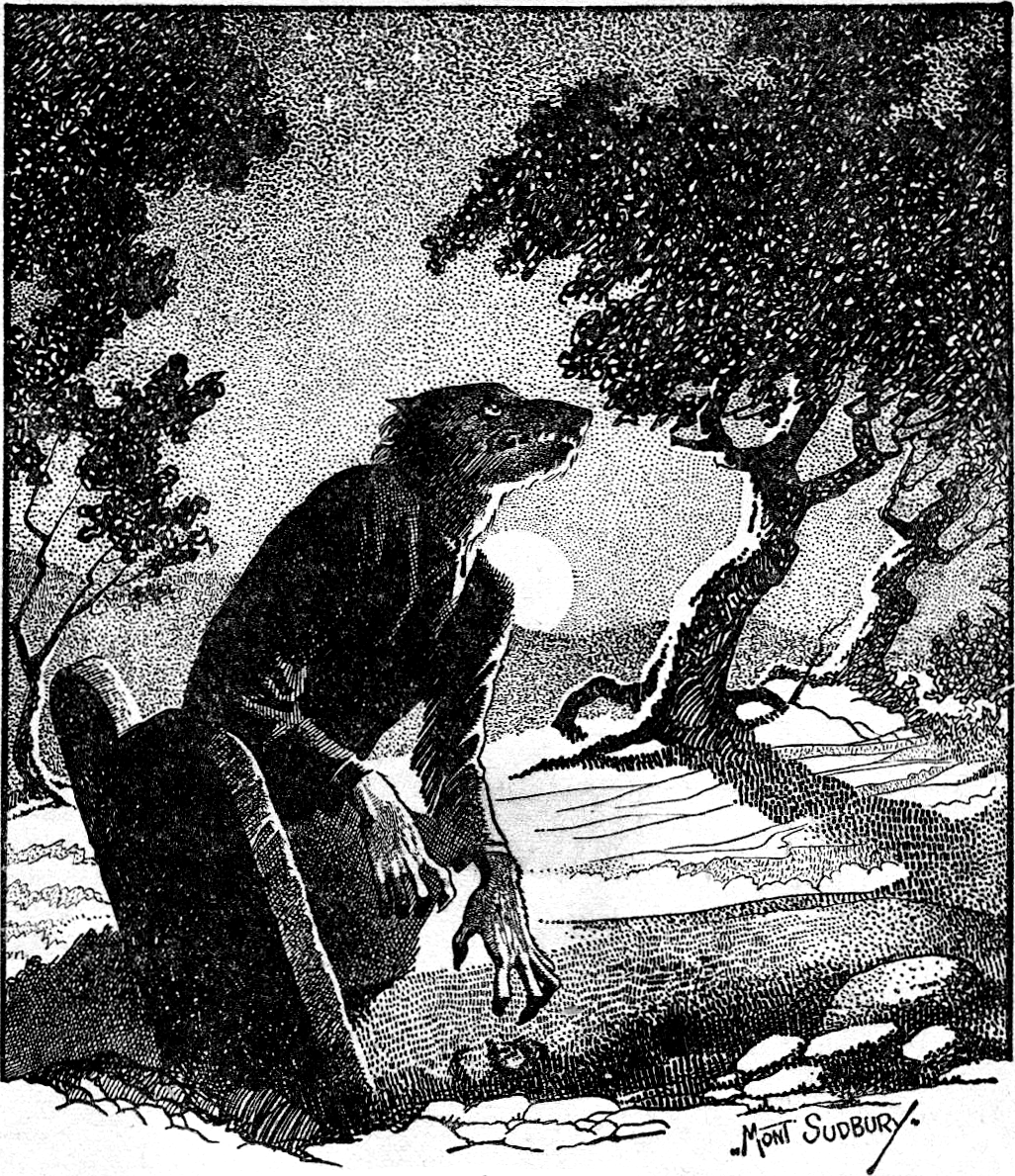 🇫🇷 France and 5 moreWerewolf
A mythical shapeshifter that turns into a wolf, central to European witch-hunts and Gothic horror.Being · Cursing and harm · Wonder and entertainment Legendary
🇫🇷 France and 5 moreWerewolf
A mythical shapeshifter that turns into a wolf, central to European witch-hunts and Gothic horror.Being · Cursing and harm · Wonder and entertainment Legendary
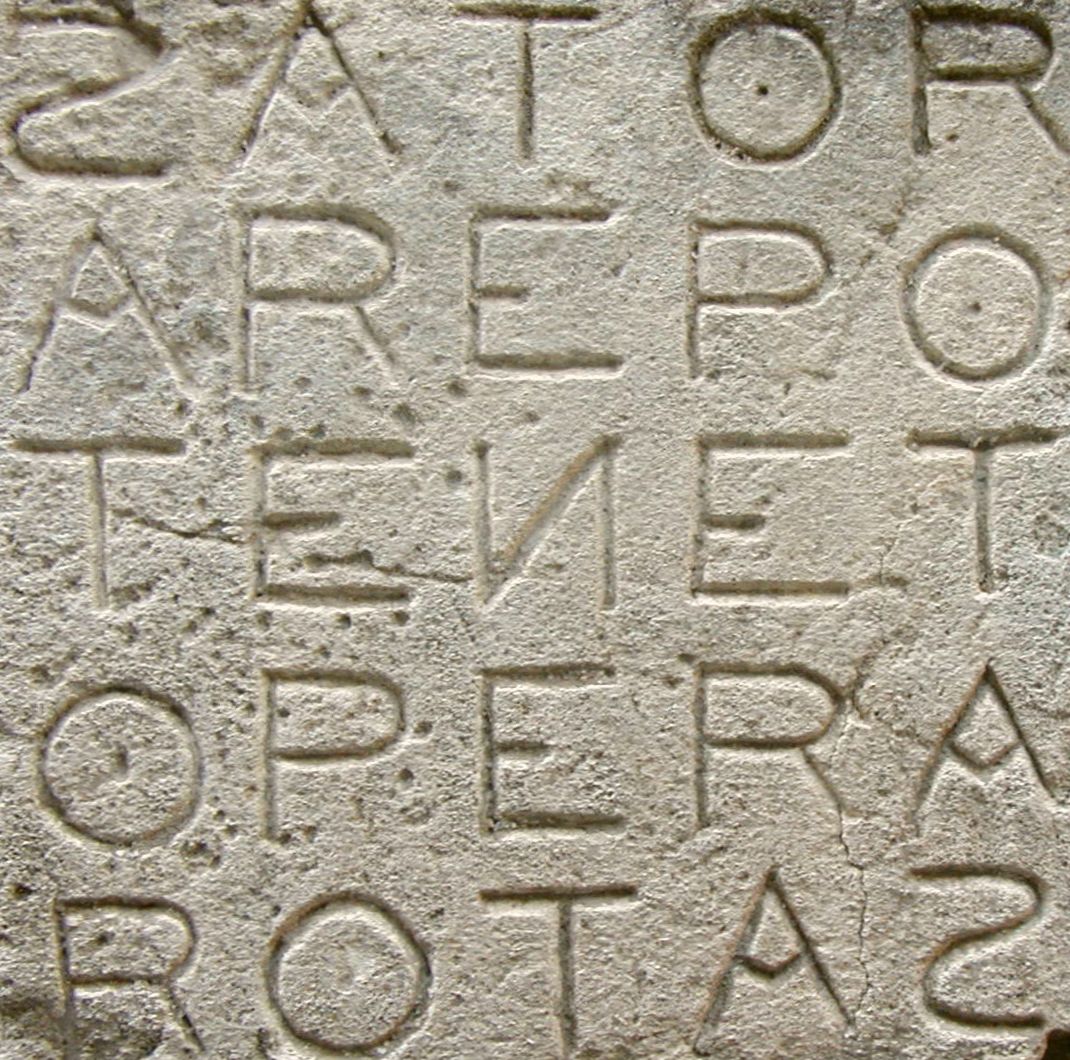 🇮🇹 Italy and 5 moreSator Square
A five-word Latin palindrome found in Roman ruins and medieval churchesCharm · Protection · Healing Historical
🇮🇹 Italy and 5 moreSator Square
A five-word Latin palindrome found in Roman ruins and medieval churchesCharm · Protection · Healing Historical
 🇩🇪 Germany and 4 moreNeed-fireNotfeuer
A ritual fire lit by friction to protect livestock and people from disease and witchcraftRite · Protection · Cleansing and purification Historical
🇷🇸 Serbia and 1 moreDrekavacДрекавац
A South Slavic night creature born from unbaptised souls or sinnersBeing · Cursing and harm Legendary
🇩🇪 Germany and 4 moreNeed-fireNotfeuer
A ritual fire lit by friction to protect livestock and people from disease and witchcraftRite · Protection · Cleansing and purification Historical
🇷🇸 Serbia and 1 moreDrekavacДрекавац
A South Slavic night creature born from unbaptised souls or sinnersBeing · Cursing and harm Legendary
 🇷🇺 Russia and 4 moreLady MiddayPoludnitsa
A Slavic noon spirit who watches over fields and punishes those who work during the hottest hours.Being · Cursing and harm · Protection Historical
🇷🇺 Russia and 4 moreLady MiddayPoludnitsa
A Slavic noon spirit who watches over fields and punishes those who work during the hottest hours.Being · Cursing and harm · Protection Historical
 🇭🇷 Croatia and 5 moreVilavila (Serbian: вила), víla (Bulgarian: ви́ла)
Slavic nature spirits known for healing, storms, and deadly dancesBeing · Protection · Cursing and harm Legendary
🇭🇷 Croatia and 5 moreVilavila (Serbian: вила), víla (Bulgarian: ви́ла)
Slavic nature spirits known for healing, storms, and deadly dancesBeing · Protection · Cursing and harm Legendary
 🇷🇸 Serbia and 3 moreSerbian folkloreСрпски фолклор
The folk traditions and epic poetry of the Serbs, blending pre-Christian customs with Orthodox faith.Tradition · Speaking with spirits and the dead · Power and authority Living
🇷🇸 Serbia and 3 moreSerbian folkloreСрпски фолклор
The folk traditions and epic poetry of the Serbs, blending pre-Christian customs with Orthodox faith.Tradition · Speaking with spirits and the dead · Power and authority Living
 🇷🇺 Russia and 4 moreFolk Orthodoxyнародное православие
A blend of Eastern Orthodox doctrine and pre-Christian pagan beliefs in Slavic communitiesTradition · Protection · Luck and prosperity Living
🇷🇺 Russia and 4 moreFolk Orthodoxyнародное православие
A blend of Eastern Orthodox doctrine and pre-Christian pagan beliefs in Slavic communitiesTradition · Protection · Luck and prosperity Living
 🇷🇺 Russia and 5 moreSlavic religion
The pre-Christian beliefs of the Slavic peoples before their conversion to Christianity.Tradition · Protection · Healing Revived
🇷🇺 Russia and 5 moreSlavic religion
The pre-Christian beliefs of the Slavic peoples before their conversion to Christianity.Tradition · Protection · Healing Revived
 🇨🇳 China and 3 moreTasseography
A divination method that reads fortunes in the sediment of tea or coffee cupsOracle · Seeing and foretelling · Luck and prosperity Living
🇨🇳 China and 3 moreTasseography
A divination method that reads fortunes in the sediment of tea or coffee cupsOracle · Seeing and foretelling · Luck and prosperity Living
 🇧🇬 Bulgaria and 5 moreKukeriкукери
A costumed ritual in Bulgaria to chase away evil spirits and welcome springRite · Protection · Cursing and harm Living
🇧🇬 Bulgaria and 5 moreKukeriкукери
A costumed ritual in Bulgaria to chase away evil spirits and welcome springRite · Protection · Cursing and harm Living
 🇷🇺 Russia and 5 moreBaba YagaБаба Яга
A Slavic witch who lives in a turning hut and flies in a mortarFigure · Cursing and harm · Protection Legendary
🇷🇺 Russia and 5 moreBaba YagaБаба Яга
A Slavic witch who lives in a turning hut and flies in a mortarFigure · Cursing and harm · Protection Legendary
 🇩🇪 Germany and 2 moreEaster FireOsterfeuer
Bonfires lit at Easter to mark the Resurrection and spring renewalRite · Cleansing and purification · Power and authority Living
🇬🇧 United Kingdom and 3 moreFirst-footciad-chuairt
The first visitor on New Year's Day, believed to set the household's fortune for the year aheadTradition · Luck and prosperity Living
🇩🇪 Germany and 2 moreEaster FireOsterfeuer
Bonfires lit at Easter to mark the Resurrection and spring renewalRite · Cleansing and purification · Power and authority Living
🇬🇧 United Kingdom and 3 moreFirst-footciad-chuairt
The first visitor on New Year's Day, believed to set the household's fortune for the year aheadTradition · Luck and prosperity Living
Photo credits on this page
The small pictures above come from Wikimedia Commons under free licences. Some are cropped to fit.
- Werewolf: Mont Sudbury, Public domain, source
- Vampire: Edvard Munch, Public domain, source
- Baba Yaga: Ivan Bilibin, Public domain, source
- Need-fire: Unknown author, Public domain, source
- Lady Midday: Віщун, CC BY-SA 4.0, source
- Vila: Scan by NYPL, Public domain, source
- Slavic religion: Alphonse Mucha, Public domain, source
- Tasseography: User:MochaSwirl, Public domain, source
- Kukeri: Nenko Lazarov, CC BY 2.5, source
- Sator Square: M Disdero, CC BY-SA 3.0, source
- Folk Orthodoxy: Лобачев Владимир, CC BY-SA 4.0, source
- Easter Fire: Jürgen Eissink, CC BY-SA 4.0, source
The weekly digest
Every Monday: seven entries you may not know, what is on the calendar this week, and one rite drawn step by step.