🇷🇸 Magic in Serbia
41 entries from Serbia, best known first, across 1 place of magic.
Serbian folklore blends pre-Christian Slavic customs with Orthodox Christian traditions, creating a unique spiritual landscape. This heritage includes distinct mythological beings and epic poetry that preserves historical memory and cultural identity across generations.
- South Slavic myths distinguish between benevolent zmej and malevolent ala dragons
- Epic poetry cycles cover periods before and after the Battle of Kosovo
- Cyril and Methodius are venerated following Christianization in 867
- Folklore originates from pre-Christian Slavic customs transformed by Christianity
Overview
Serbian folk belief rests on ancient Slavic roots adapted through Christianization in the ninth century. The tradition distinguishes itself from East Slavic myths by categorizing dragons into benevolent zmej and malevolent ala types. Epic poetry serves as a vital vessel for history, recording events from the fourteenth to nineteenth centuries. These narratives focus on royal dynasties and national struggles rather than pure fantasy. The culture maintains a strong connection between religious faith and folkloric practice, preserving older customs within a Christian framework.
Practices and beliefs
The sources highlight specific mythological entities like the zmej and ala as central figures in local lore. Epic poetry functions as a primary practice for preserving communal history and values. Stories about the settlement of Serbs and conflicts with Romans appear in regions such as Krajište and Vlasina. Veneration of Cyril and Methodius links religious devotion with cultural heritage. No specific charms or daily rituals are detailed in the provided text.
Rites and charms
Information on specific rites is not available in the source material. The text mentions the veneration of saints but does not describe ceremonial actions or ritual procedures associated with folk belief. The focus remains on literary and narrative traditions rather than performed ceremonies.
Who practises
The sources do not identify specific practitioners such as healers or diviners. The creators of the epic poems are described as unknown Serb authors. The tradition appears to be maintained collectively through oral and written transmission rather than by specialized magical professionals.
Regions and communities
Regional variations exist within Serbian folklore, particularly in areas like Krajište and Vlasina. These locations feature epic stories concerning Roman extermination and Serbian settlement. The broader corpus covers Serbia, Bosnia and Herzegovina, and Montenegro. Differences from East Slavic mythology suggest distinct regional developments in dragon lore.
The calendar
No specific festivals or seasonal calendar events are mentioned in the provided article. The text references historical cycles in poetry but does not link them to annual celebrations or religious holidays observed by the community.
Law and the state
The source material does not discuss legal status, persecution, or state treatment of folk beliefs. There is no information regarding witch-hunts, protection laws, or interactions between church authorities and folk practitioners.
Today
Modern engagement with Serbian folklore includes academic indexing of folktales and cultural performances abroad. References to Canadian dance groups indicate diaspora preservation. Media coverage suggests ongoing interest in how Christianity coexists with these traditional beliefs.
The facts in this overview come from the Wikipedia article "Serbian folklore", written by its contributors and used under the CC BY-SA 4.0 licence. EveryJaadu rewrote the text in its own words, with AI assistance, and compares every page with the article to make sure no passage is copied. It may be reused under the same CC BY-SA 4.0 licence with a link back.
Places of magic in Serbia
 🇷🇺 Russia and 4 moreLady MiddayPoludnitsa
A Slavic noon spirit who watches over fields and punishes those who work during the hottest hours.Being · Cursing and harm · Protection Historical
 🇷🇺 Russia and 12 moreSlavic Native FaithРодноверие
A modern polytheistic movement drawing on Slavic folklore, romanticism, and global spiritual traditions.Tradition · Speaking with spirits and the dead · Power and authority Living
🇬🇧 United Kingdom and 3 moreFirst-footciad-chuairt
The first visitor on New Year's Day, believed to set the household's fortune for the year aheadTradition · Luck and prosperity Living
 🇷🇺 Russia and 4 moreFolk Orthodoxyнародное православие
A blend of Eastern Orthodox doctrine and pre-Christian pagan beliefs in Slavic communitiesTradition · Protection · Luck and prosperity Living
 🇬🇧 United Kingdom and 7 moreSaint Andrew's Day
A Christian feast day marked by national holidays in Scotland and Romania, and folk divination across Europe.Rite · Seeing and foretelling · Luck and prosperity Living
 🇷🇸 Serbia and 5 moreWolves in folklore, religion and mythology
A global survey of how cultures view the wolf as symbol, spirit or threatBelief · Power and authority · Cursing and harm Historical
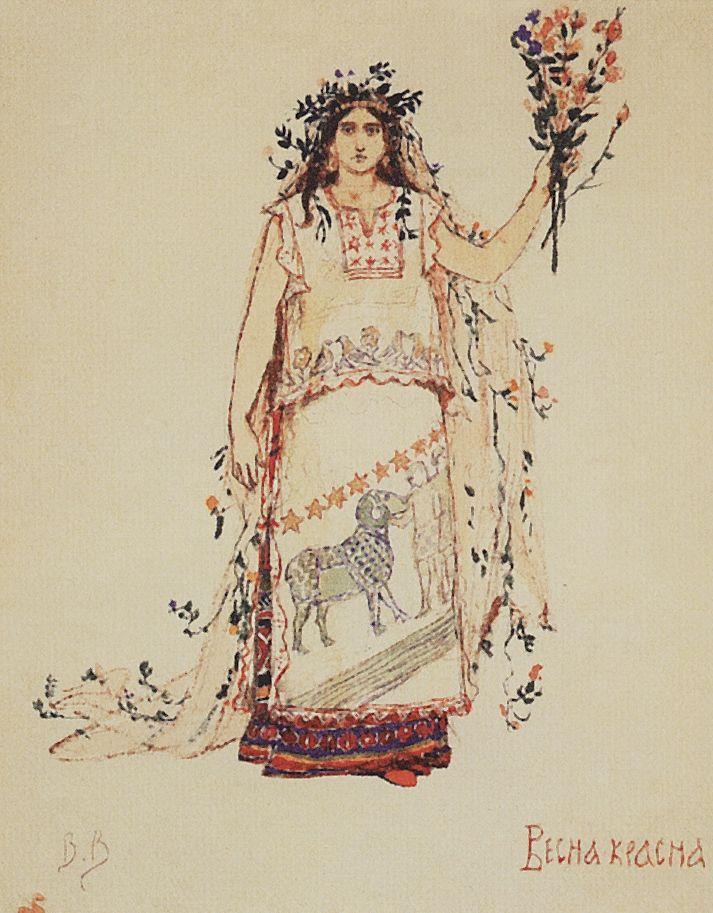 🇸🇮 Slovenia and 5 moreVesnaВесна
A Slavic personification of spring and youth, known in myth and languageFigure · Luck and prosperity Historical
🇷🇺 Russia and 4 moreFiery serpentsогненный змей
A pan-Slavic spirit of fire and wind, seen as a demon or a household helperBeing · Cursing and harm · Luck and prosperity Historical
🇷🇺 Russia and 4 moreIriyВырай
A mythical Slavic realm where souls and birds gather for the winterBelief · Speaking with spirits and the dead Legendary
🇷🇸 Serbia and 3 moreBožićБожић
A Slavic figure linked to the new year and spring, whose name now marks ChristmasFigure · Luck and prosperity · Wonder and entertainment Historical
🇦🇲 Armenia and 5 moreSpilling water for luck
A folk custom of pouring water to wish a traveler or worker a smooth journeyBelief · Luck and prosperity · Protection Living
 🇷🇸 Serbia and 1 moreVampire pumpkins and watermelons
A Balkan folk tale about ground fruit that turns into vampires.Belief · Cursing and harm Legendary
🇧🇬 Bulgaria and 5 moreApocryphal prayer
A folk prayer text blending church forms with apocrypha and incantations for protection and healingText · Protection · Healing Living
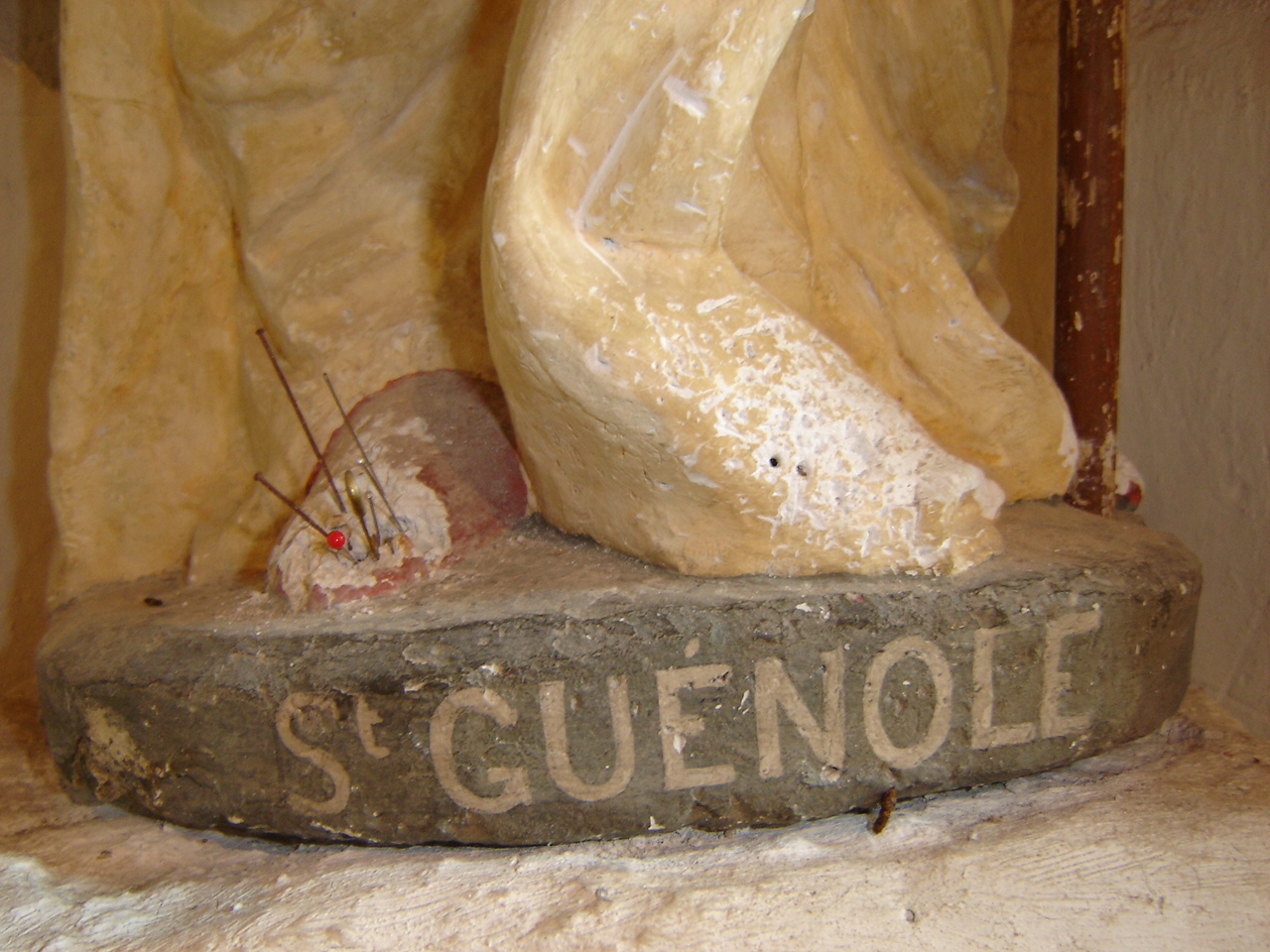 🇮🇹 Italy and 2 morePhallic saint
Saints and local gods called on for fertility, shown with a penisBelief · Love and attraction Historical
Photo credits on this page
The small pictures above come from Wikimedia Commons under free licences. Some are cropped to fit.
- Wolves in folklore, religion and mythology: Unknown author, CC0, source
- Vesna: Viktor Vasnetsov, Public domain, source
- Saint Andrew's Day: Henryk Siemiradzki, Public domain, source
- Vampire pumpkins and watermelons: The original uploader was Ke4roh at English Wikipedia ., Public domain, source
- Lady Midday: Віщун, CC BY-SA 4.0, source
- Slavic Native Faith: Union of Slavic Rodnover Communities (Союз Славянских Общин Славянской, CC BY-SA 4.0, source
- Folk Orthodoxy: Лобачев Владимир, CC BY-SA 4.0, source
- Phallic saint: No machine-readable author provided. Manproc assumed (based on copyrig, CC BY-SA 3.0, source
The weekly digest
Every Monday: seven entries you may not know, what is on the calendar this week, and one rite drawn step by step.