🇫🇷 Magic in France
179 entries from France, best known first, across 80 places of magic.
French folklore weaves together medieval epic poetry, troubadour songs, and literary fairy tales with regional legends of spirits and monsters. These stories reflect a blend of chivalric ideals, rustic humor, and supernatural beliefs that have shaped the cultural identity of France.
- Charles Perrault wrote Cinderella and Little Red Riding Hood in 1697
- Morgan le Fay appears in Charlemagne epics as a magical figure
- Reynard the fox is a famous trickster in French mock epics
- Troubadours sang songs of courtly love in southern France
- Cheval Mallet is an evil horse that tempts travelers at night
Overview
The magical traditions of France emerge from a mix of oral storytelling and written literature. Medieval poets composed songs about courtly love and heroic deeds, while later writers collected folk tales for aristocratic audiences. The region is known for its legendary creatures and spirits, which often appear in local myths and historical epics. These narratives connect the everyday life of the people with a world of magic and wonder, preserving ancient beliefs through modern retellings.
Practices and beliefs
Stories feature trickster animals like Reynard the fox and magical objects such as the sword Durandal. Spirits include the Melusine, a water nymph, and the Lutins, small hobgoblins. Legends speak of dangerous horses like Cheval Mallet that lure travelers to their doom. Other beings include the Dames Blanches, white ladies who serve as omens, and the Matagot, a cat-like spirit associated with fortune or misfortune.
Rites and charms
Festivals and customs included processional giants and bear games. The figure of Père Fouettard appears in winter traditions, serving as a disciplinary character alongside Saint Nicholas. Seasonal celebrations often involved the Wild Hunt, a spectral procession of hunters across the sky. Local communities also honored specific saints and spirits through annual gatherings and ritual dances.
Who practises
Troubadours in the south and trouvères in the north were poet-musicians who performed songs of chivalry and love. Later, collectors like Charles Perrault and Marie Catherine d'Aulnoy transformed oral tales into literary works. These authors did not practice magic but preserved the narratives of common people, adapting them for elite readerships and ensuring their survival in print.
Regions and communities
Southern France produced Occitan literature and troubadour songs focused on courtly romance. Northern regions developed trouvère poetry and epic tales of Charlemagne. Brittany contributed legends of fairies and water spirits. Different areas maintained distinct mythical creatures and local heroes, reflecting the diverse linguistic and cultural history of the country.
The calendar
Winter festivals featured the figure of Père Fouettard, who punished naughty children. Spring and summer saw performances by troubadours celebrating love and war. Harvest time often included communal feasts and dances honoring local spirits. Specific dates were marked by the appearance of feu follet, or will-o'-the-wisp lights, believed to guide or mislead travelers at night.
Law and the state
No specific legal status or persecution is detailed in the provided text. The focus remains on literary and folkloric expressions rather than legal frameworks or state intervention in magical practices.
Today
French fairy tales remain popular through literary collections and adaptations. Modern interest in folklore continues through academic study and cultural tourism. Regional legends are preserved in museums and local festivals, keeping the memory of mythical creatures and medieval epics alive for new generations.
The facts in this overview come from the Wikipedia article "French folklore", written by its contributors and used under the CC BY-SA 4.0 licence. EveryJaadu rewrote the text in its own words, with AI assistance, and compares every page with the article to make sure no passage is copied. It may be reused under the same CC BY-SA 4.0 licence with a link back.
Places of magic in France
 🇫🇷 FranceThéâtre Robert-Houdin
A Paris venue for stage magic founded by Jean-Eugène Robert-Houdin and later directed by Georges MélièsIllusion · Wonder and entertainment Historical
 🇫🇷 France and 1 moreOgre
A legendary humanoid monster known for its size and cannibalistic appetiteBeing · Cursing and harm Legendary
🇺🇸 United States and 5 moreVanishing hitchhiker
An urban legend where a motorist picks up a passenger who vanishes, often leaving behind proof of their death.Belief · Seeing and foretelling · Wonder and entertainment Living
 🇫🇷 France and 4 moreRobert the Devil
A medieval legend of a knight born to Satan who seeks redemptionFigure · Cursing and harm · Change and initiation Legendary
🇫🇷 FranceMagonia
A cloud realm of aerial sailors blamed for hail and stolen grain in medieval EuropeBelief · Cursing and harm · Luck and prosperity Historical
 🇫🇷 FranceFarfadet
Small helpful spirits of French folklore that perform chores for foodBeing · Luck and prosperity Legendary
 🇩🇪 Germany and 5 moreYellow badgeJudenstern
A marked garment worn by Jews under laws of distinction and humiliation across centuries.Charm · Cursing and harm Historical
 🇫🇷 France and 1 moreSebile
A medieval enchantress who evolved from a classical prophetess into an Arthurian fairy queenFigure · Love and attraction · Cursing and harm Legendary
🇬🇧 United Kingdom and 4 moreIlluminates of Thanateros
An international group dedicated to practical chaos magic and experimental ritual workTradition · Power and authority · Change and initiation Living
 🇷🇺 Russia and 1 moreFourth Way
A spiritual path for inner development that does not require leaving ordinary lifeTradition · Change and initiation Living
🇫🇷 FranceTempestarii
Medieval figures accused of controlling storms and the beliefs surrounding them.Belief · Cursing and harm · Protection Historical
 🇫🇷 France and 1 moreDogme et Rituel de la Haute Magie
A foundational treatise on ritual magic by Éliphas Lévi, structured around the tarot.Text · Power and authority · Wonder and entertainment Historical
🇮🇹 Italy and 2 moreOsirian Egyptian OrderOrdine Osirideo Egizio
An Italian esoteric society tracing its roots to 18th-century Naples and ancient Hermetic traditions.Tradition · Power and authority · Speaking with spirits and the dead Historical
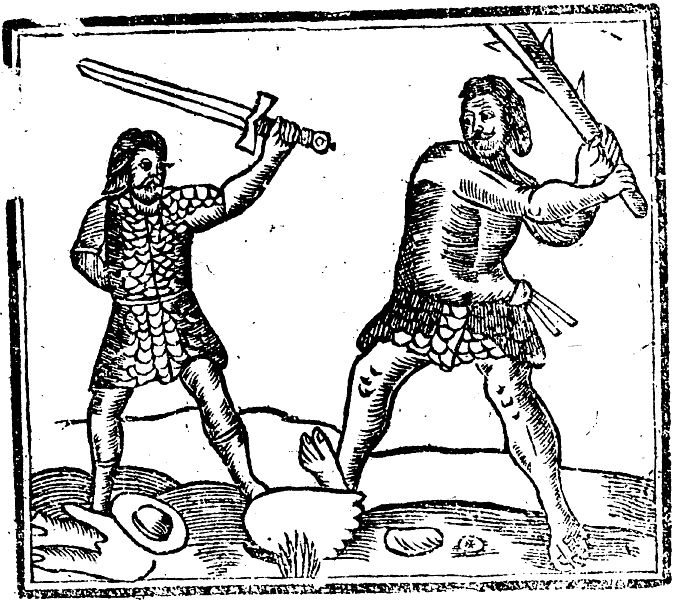 🇬🇧 United Kingdom and 1 moreColbrand
A legendary Danish giant defeated by the English hero Guy of WarwickFigure Legendary
🇬🇧 United Kingdom and 3 moreOdinic Rite
A UK-based Heathen group that restricts membership to people of European ancestry.Tradition · Power and authority Living
 🇩🇪 Germany and 1 moreAufhocker
A German folklore spirit that leaps on travelers and weighs them down.Being · Cursing and harm Legendary
🇫🇷 France and 1 moreDames Blanches
Spectral women in French folklore who demand dances or warn of dangerBeing · Cursing and harm · Protection Legendary
 🇫🇷 France and 1 moreGold of Tolosa
A legendary treasure hoard seized by Rome and lost to historyBelief · Luck and prosperity Historical
 🇮🇹 Italy and 1 moreGrim Reaper
A hooded skeleton with a scythe, representing death in Western art and story.Figure · Cursing and harm Historical
 🇬🇧 United Kingdom and 5 moreStreet performance
Public entertainment offered for voluntary tips in open spacesIllusion · Wonder and entertainment · Luck and prosperity Living
 🇩🇪 Germany and 2 moreChink-a-chink
A close-up coin trick where objects appear to jump between locations until gathered togetherIllusion · Wonder and entertainment Living
 🇲🇦 Morocco and 1 moreTweezaتويزة
A North African Sufi tradition of communal labor and mutual aidTradition · Protection · Speaking with spirits and the dead Living
 🇫🇷 France and 4 moreEctoplasm
A substance said to be excreted by mediums during séances, later exposed as common household materials.Substance · Speaking with spirits and the dead Historical
 🇬🇧 United Kingdom and 5 moreWedding superstitions
Folk beliefs and omens tied to marriage customs across many culturesBelief · Protection · Luck and prosperity Living
 🇫🇷 France and 1 moreChapeaugraphy
A novelty act using a single ring of felt to form different hatsIllusion · Wonder and entertainment Revived
 🇫🇷 France and 1 moreGargoylegargouille
A carved stone waterspout shaped like a creature, used on Gothic buildings to shed rainwaterCharm · Protection · Wonder and entertainment Historical
 🇫🇷 FranceLoudun possessionsaffaire des possédées de Loudun
A 17th-century witchcraft trial in France involving alleged demonic possession by Ursuline nuns.Belief · Cursing and harm · Speaking with spirits and the dead Historical
 🇲🇹 Malta and 2 moreDevotional medal
Small metal pieces made and worn for Christian devotionCharm · Protection Living
 🇪🇸 Spain and 3 moreJewish heraldry
Heraldic achievements used by Jewish communities in Europe and abroadTradition · Power and authority Historical
🇮🇳 India and 3 moreTermaགཏེར་མ
Hidden teachings in Tibetan Buddhism and Bon, revealed by tertöns when the time is right.Text · Speaking with spirits and the dead · Change and initiation Living
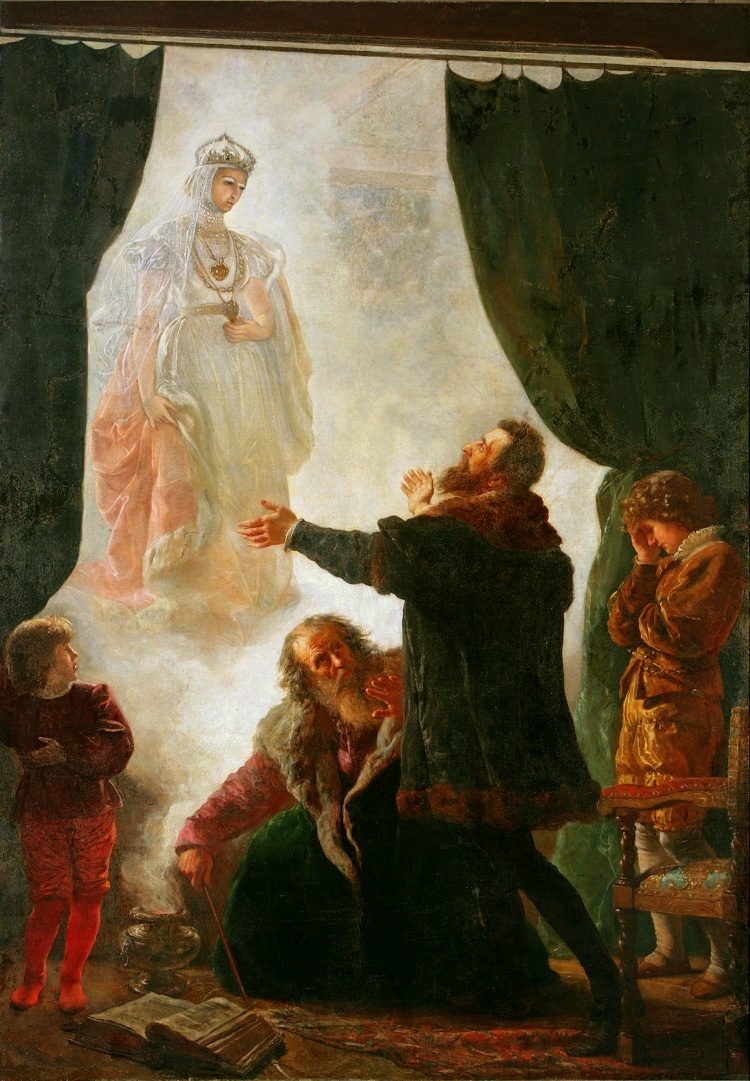 🇩🇪 Germany and 4 moreWeiße Frauen
Elven spirits of sunlight and water in Germanic folkloreBeing · Wonder and entertainment Historical
 🇫🇷 FrancePetit AlbertSecrets merveilleux de la magie naturelle et cabalistique du petit Albert
An 18th-century French grimoire of natural and cabalistic magic sold to rural householdsText · Protection · Luck and prosperity Historical
 🇪🇸 Spain and 2 moreHoly ChaliceSanto Cáliz
A cup believed to have held the blood of Jesus at the Last SupperCharm · Speaking with spirits and the dead · Power and authority Living
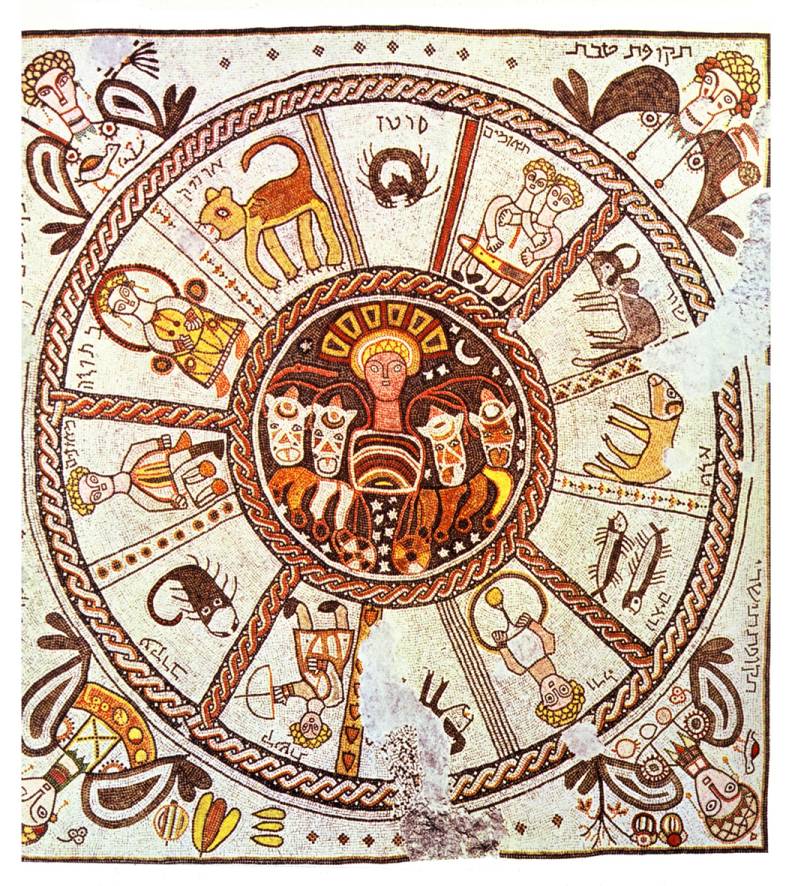 🇮🇱 Israel and 5 moreJewish views on astrologyחָכְמַת הַמַּזָּלוֹת
A long-standing debate within Jewish thought about the influence of stars and planetsBelief · Seeing and foretelling · Power and authority Historical
 🇬🇦 Gabon and 2 moreMbulu Ngulu
Wood and metal figures guarding ancestor relics in GabonCharm · Protection · Speaking with spirits and the dead Historical
Photo credits on this page
The small pictures above come from Wikimedia Commons under free licences. Some are cropped to fit.
- Chink-a-chink: Niklaus Gerber, CC BY 3.0, source
- Colbrand: Anonymous Unknown author, Public domain, source
- Petit Albert: Albertus Parvus Lucius, CC BY-SA 4.0, source
- Jewish views on astrology: Talmoryair, Public domain, source
- Mediumship: Harvey Metcalfe, Public domain, source
- Wedding superstitions: Anonymous Unknown author, Public domain, source
- Théâtre Robert-Houdin: anonymous, Public domain, source
- Weiße Frauen: Wojciech Gerson, Public domain, source
- Sebile: tony_57, CC BY 3.0, source
- Yellow badge: Edited version of original photo by Rama, CC BY-SA 3.0, source
- Holy Chalice: Vitold Muratov, CC BY-SA 3.0, source
- Aufhocker: Longbow4u, Public domain, source
- Gold of Tolosa: AchilleT, Public domain, source
- Mbulu Ngulu: Sailko, CC BY 3.0, source
- Dogme et Rituel de la Haute Magie: Eliphas Levi, Public domain, source
- Farfadet: User:Mattes, Public domain, source
- Ogre: Henry Justice Ford, Public domain, source
- Devotional medal: Xhienne, CC BY-SA 3.0, source
- Robert the Devil: Gustave Doré, Public domain, source
- Loudun possessions: Unknown author, Public domain, source
- Gargoyle: Bernard Gagnon, CC BY-SA 4.0, source
- Chapeaugraphy: Penny Pictorial Magazine, Public domain, source
- Street performance: Dwight Burdette, CC BY 3.0, source
- Fourth Way: Londonlinks, CC BY-SA 4.0, source
- Jewish heraldry: Consulta Araldica, 1868, CC BY-SA 4.0, source
- Tweeza: Demeester, CC BY-SA 3.0, source
- Grim Reaper: Jaroslav A. Polák, CC BY 4.0, source
The weekly digest
Every Monday: seven entries you may not know, what is on the calendar this week, and one rite drawn step by step.