
Ogre
from French, derived from the Etruscan god Orcus
A legendary humanoid monster known for its size and cannibalistic appetite
An ogre is a mythical creature from European folklore, often depicted as a large, hideous humanoid that eats people. The term originated in French literature but has roots in older Italian and English words for giants or demons.
- The word derives from the Etruscan god Orcus
- First recorded in a 12th-century French poem
- Used in Italian literature since the 13th century
- Popularized by French author Charles Perrault
- Often compared to giants and cyclopes
What it is
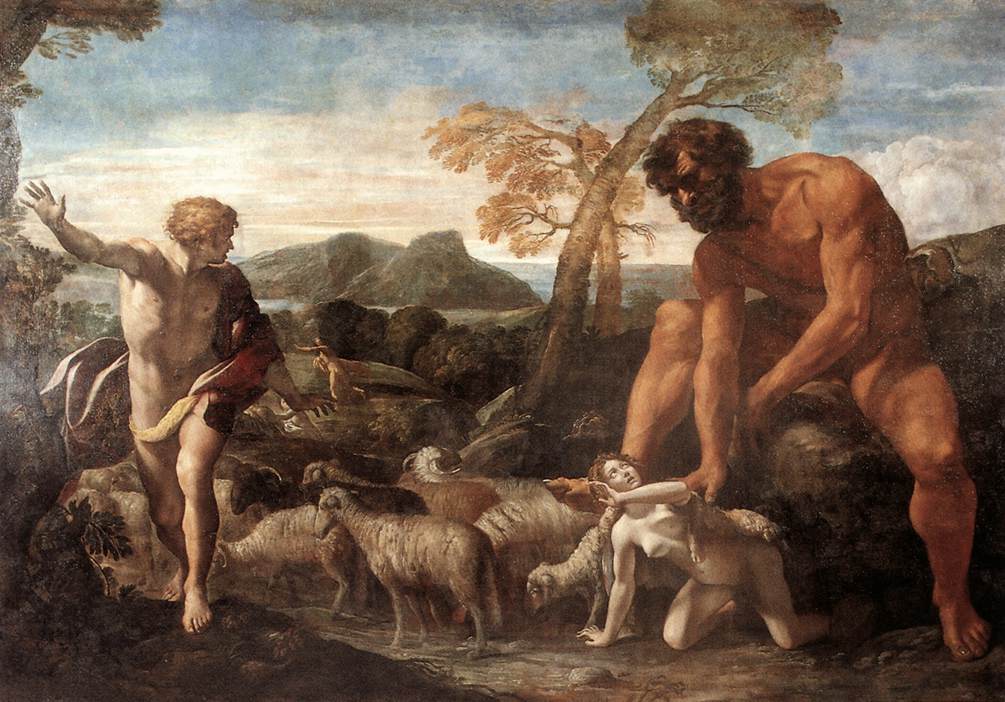
An ogre is a figure from legend and story, described as a huge, ugly human-like being. These creatures are famous for eating humans, particularly children. They appear in many classic stories and myths across the world. Ogres are often linked to giants and are seen as monstrous threats in folktales. Their appearance varies but usually includes great size and a fearsome look. They serve as villains or obstacles in narratives about bravery and survival.
Where it comes from
The word comes from French, tracing back to the Etruscan god Orcus. It first appeared in a 12th-century French poem by Chrétien de Troyes. Earlier forms existed in Italy, where writers like Jacomo Tolomei used similar words for giant-like figures. In England, the Old English term orcnēas appeared in the epic poem Beowulf. The modern concept solidified in 17th-century French fairy tales by authors like Charles Perrault and Madame d'Aulnoy.
Ogre, drawn and placed
- Living
- Revived
- Fading
- Historical
- Legendary
- Performed
- Lineage
- European folklore and fairy tales
What it is for
Ogres represent danger and chaos in stories. They are believed to prey on the weak, especially infants. Their role is to test the hero's courage and wit. People use these tales to explore themes of survival against overwhelming odds. The ogre serves as a symbol of primal fear and the unknown threats lurking in the wild or distant lands.
Peoples and places
Ogres are central to French and Italian folklore traditions. They appear in tales from various European cultures. In Japan, similar creatures called oni share some traits with Western ogres. The concept has spread globally through literature and media, becoming a staple of fantasy storytelling worldwide.


What people believe
In mythology, ogres are seen as inhumanly large and strong. They are often associated with giants and cannibals. Some legends suggest they inhabited Britain before humans arrived. Their nature is purely monstrous, lacking redeeming qualities in traditional tales. They embody the fear of being consumed by something greater and more powerful.
How scholars and sceptics see it
Scholars study ogres as part of folklore and literary history. They trace the evolution of the word from religious terms to fictional monsters. Researchers note the connection between ogres and other giant-like beings in myth. The figure helps understand how cultures personify fear and danger through narrative archetypes.
Compare and confuse
Ogres are often confused with giants, sharing traits like immense size. They differ from demons in their physical, humanoid form. Similar creatures include the Norse Jötunn and Japanese oni. The term orco in Italian links to broader Indo-European myths of monstrous humans.
Today
Ogres remain popular in modern fiction and games. They appear in role-playing games like Dungeons & Dragons as adversaries. Animated films and books continue to feature them, sometimes with humorous twists. The character Shrek has redefined the ogre for contemporary audiences, making them sympathetic figures.
Questions people ask about Ogre
What is an ogre?
An ogre is a legendary humanoid monster from folklore, known for its large size and habit of eating people, especially children. It appears in many fairy tales and myths.
Where does the word ogre come from?
The word originates from French, derived from the Etruscan god Orcus. It entered wider usage through 17th-century French fairy tale authors like Charles Perrault.
Are ogres related to giants?
Yes, ogres are closely linked to giants in mythology. Both are depicted as large, powerful humanoids, and traits often overlap in stories and legends.
Good reading and sources
- Ogre on WikipediaEncyclopedia
- More photos on Wikimedia CommonsPhotos and video
- Wikidata recordOpen data
The facts on this page come from the Wikipedia article "Ogre", written by its contributors and used under the CC BY-SA 4.0 licence, and from its Wikidata record (CC0). EveryJaadu rewrote the text in its own words, with AI assistance, and compares every page with the article to make sure no passage is copied. It may be reused under the same CC BY-SA 4.0 licence with a link back.
It may contain mistakes. Names and customs differ from one community to the next, and some knowledge is closed to outsiders and left out here. This page describes belief and practice. It does not say that any of it works, it is not a how-to, and it is not medical advice. If something is wrong, tell us. Last refreshed 2026-10-06.
More from France
All the entries from France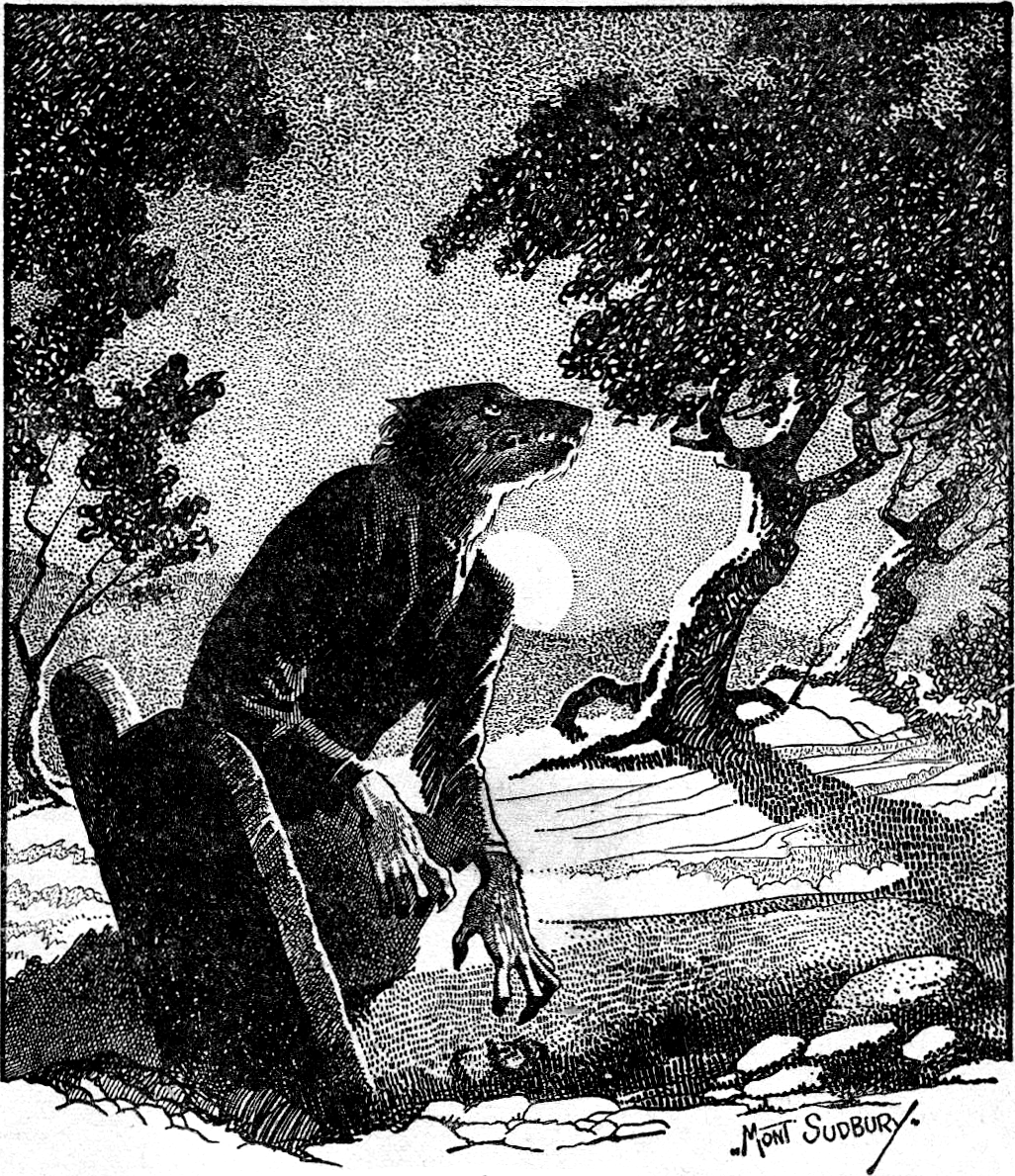 🇫🇷 France and 5 moreWerewolf
A mythical shapeshifter that turns into a wolf, central to European witch-hunts and Gothic horror.Being · Cursing and harm · Wonder and entertainment Legendary
🇫🇷 France and 5 moreWerewolf
A mythical shapeshifter that turns into a wolf, central to European witch-hunts and Gothic horror.Being · Cursing and harm · Wonder and entertainment Legendary
 🇫🇷 France and 1 moreCernunnos
An antlered Celtic deity depicted with torcs and serpents, known from Roman-era Gaul.Being · Power and authority · Luck and prosperity Historical
🇫🇷 France and 1 moreCernunnos
An antlered Celtic deity depicted with torcs and serpents, known from Roman-era Gaul.Being · Power and authority · Luck and prosperity Historical
 🇫🇷 France and 5 moreRevenant
An animated corpse or spirit that returns from the grave to haunt the livingBeing · Cursing and harm Legendary
🇫🇷 France and 5 moreRevenant
An animated corpse or spirit that returns from the grave to haunt the livingBeing · Cursing and harm Legendary
 🇬🇷 Greece and 3 moreHippocampusἱππόκαμπος
A mythological hybrid of a horse and fish from ancient Mediterranean culturesBeing · Wonder and entertainment Legendary
🇬🇷 Greece and 3 moreHippocampusἱππόκαμπος
A mythological hybrid of a horse and fish from ancient Mediterranean culturesBeing · Wonder and entertainment Legendary
Related elsewhere
All being 🇪🇬 Egypt and 1 moreLilithלִילִית
A feminine figure from Mesopotamian and Jewish mythology, often depicted as a night demon or spirit.Being · Cursing and harm Legendary
🇪🇬 Egypt and 1 moreLilithלִילִית
A feminine figure from Mesopotamian and Jewish mythology, often depicted as a night demon or spirit.Being · Cursing and harm Legendary
 🇪🇬 EgyptCurse
A spoken wish for misfortune to befall a person or placeBelief · Cursing and harm · Luck and prosperity Historical
🇪🇬 EgyptCurse
A spoken wish for misfortune to befall a person or placeBelief · Cursing and harm · Luck and prosperity Historical
 🇹🇷 Turkey and 5 moreEvil eye
A curse caused by an envious look and the charms used to block itBelief · Protection · Cursing and harm Living
🇹🇷 Turkey and 5 moreEvil eye
A curse caused by an envious look and the charms used to block itBelief · Protection · Cursing and harm Living
 🇺🇸 United StatesSalem Witch Trials
A colonial legal crisis where over two hundred people faced accusations of sorcery in Massachusetts.Belief · Cursing and harm Historical
🇺🇸 United StatesSalem Witch Trials
A colonial legal crisis where over two hundred people faced accusations of sorcery in Massachusetts.Belief · Cursing and harm Historical