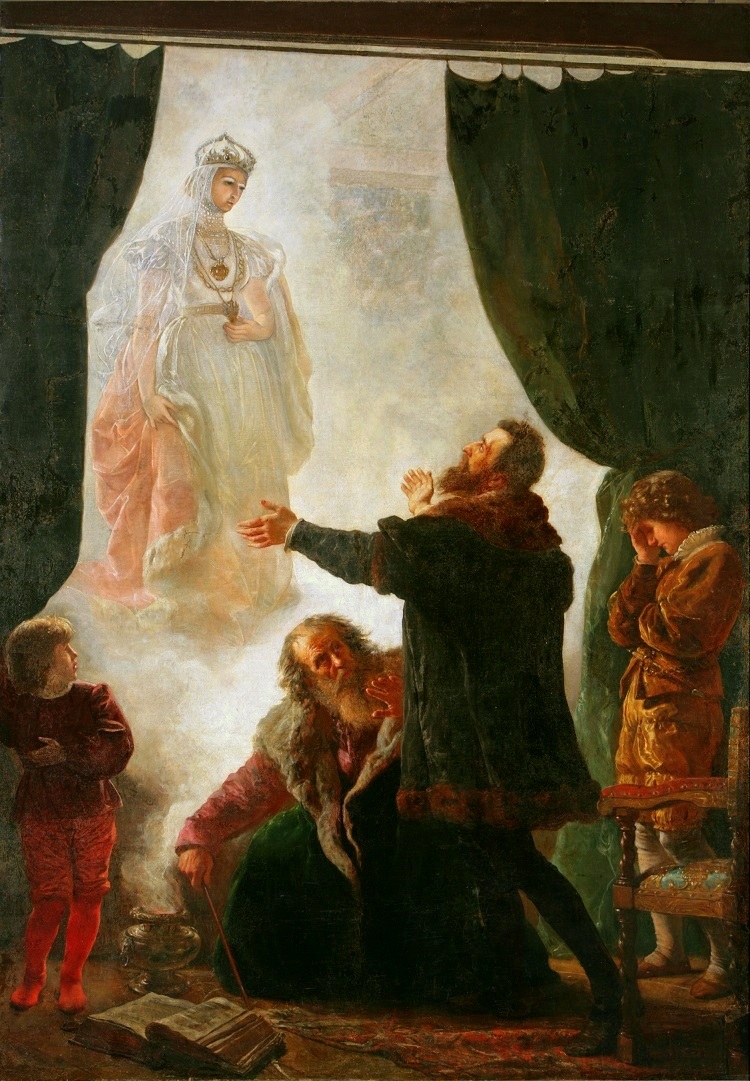
Weiße Frauen
from German for "white women"
Elven spirits of sunlight and water in Germanic folklore
The Weiße Frauen are elf-like beings from German folklore, often linked to ancient light elves or nature goddesses. They appear at noon in bright settings and are said to guard treasures or haunt castles.
- Jacob Grimm links them to Old Norse light elves
- They appear at noon in sunlight or brooks
- Dutch version is known as Witte Wieven
- Alpine region calls them Salige Frauen
- Their enchantment symbolizes banned pagan gods
What it is
They are believed to be remnants of older pagan beliefs, possibly derived from the Ljósálfar or light elves of Norse mythology. These beings are associated with sunlight and water, often appearing at midday to sit in the sun or bathe in streams. They are also linked to guarding hidden treasures or haunting old castles. Their presence is a common motif in regional legends across Central Europe.
Where it comes from
Scholars like Jacob Grimm trace these spirits to Germanic paganism, specifically the bright elves who lived in Álfheim under the god Freyr. As myths evolved, these entities moved from heaven to earth, becoming nature spirits. The name may also connect to ancient goddesses like Holda or Ostara. In the Netherlands, they are known as Witte Wieven, a term dating back to the seventh century. The translation as "White Women" rather than "Wise Women" stems from the Dutch word wit meaning both white and wise. Their enduring myth likely symbolizes the suppression of older faiths by Christianity.
How it is done
These spirits are not summoned through rituals but are encountered spontaneously. They typically appear at noon, sitting in the sunshine or bathing in a brook. Legends say they entreat mortals to break their enchantment, but this attempt always fails. They are often found near castles or in natural settings where they are thought to guard treasure. Their appearance is a passive event, observed rather than initiated by people.
Tools and materials
The primary elements associated with the Weiße Frauen are sunlight and water. They are depicted brushing their hair or bathing in brooks, using simple natural items. Their connection to the color white emphasizes their ethereal and pure nature. No specific magical tools are used; their power lies in their inherent enchantment and association with the natural world.
Weiße Frauen, drawn and placed
- Living
- Revived
- Fading
- Historical
- Legendary
- Performed
- Lineage
- Germanic paganism
- Timing
- at noon
What it is for
The Weiße Frauen serve as guardians of treasure and hauntings of castles in folklore. They represent a bridge between the human world and older spiritual realms. People encounter them as part of local legend, viewing them as mysterious and enchanted beings. Their purpose is not to interact with humans directly but to exist in a state of suspended animation, waiting for a release that never comes.
Who does it
These beings are studied by scholars of mythology and folklore rather than practiced upon by ritualists. Jacob Grimm and other researchers analyze their origins in Teutonic and Norse myths. They are not worshipped or served by priests or shamans but are remembered as part of the cultural heritage of Germanic peoples. Their study helps understand the transition from pagan beliefs to modern folklore.
Peoples and places
The Weiße Frauen are central to German folklore, with variants found in neighboring regions. In the Netherlands, they are called Witte Wieven, and in France, Dames Blanches. Alpine regions refer to them as Salige Frauen. Similar legends of White Ladies exist in the United Kingdom, showing a shared European mythological thread. Each culture adapts the figure slightly, but the core image of a white-clad female spirit remains consistent.
At a glance: who, where and when
Who does it
Belief worlds
What people believe
The belief system behind the Weiße Frauen roots in Germanic paganism and nature worship. They are seen as descendants of light elves or ancestral spirits. Jacob Grimm suggested their enchantment symbolizes the ban placed on older divinities by Christianity. They represent a lingering presence of the old gods, trapped in a mortal form. This view positions them as tragic figures, caught between worlds and unable to return to their original state.
When it is done
The Weiße Frauen are specifically associated with noon, the height of the day when sunlight is strongest. They do not have fixed festival dates but appear during times of bright weather. Their presence is tied to the daily cycle rather than seasonal events. Encounters are most likely to be reported during midday hours, emphasizing their connection to the sun and light.
How scholars and sceptics see it
Academics like Jacob Grimm analyze the Weiße Frauen as remnants of Teutonic mythology. They link these spirits to the Ljósálfar and goddesses like Holda. Scholars view their enchantment as a metaphor for the suppression of pagan beliefs. The comparison with Dutch Witte Wieven highlights linguistic and cultural connections across Europe. Research focuses on how these figures evolved from divine entities to folkloric ghosts.
Cautions and what is closed
There are no specific cautions associated with the Weiße Frauen in folklore. They are generally viewed as harmless but mysterious beings. However, their association with haunted castles and guarded treasure might imply danger to those seeking wealth. Legends do not describe them as malevolent, but their inability to be freed suggests a sorrowful or static existence. No rituals are required to avoid them.
Compare and confuse
The Weiße Frauen are similar to the Dutch Witte Wieven and French Dames Blanches. They share traits with the White Ladies of British folklore, indicating a pan-European mythological pattern. The Alpine Salige Frauen are a regional variant with a slightly different name. All these figures represent female spirits connected to light, water, and the past, differing mainly in local naming conventions and minor details.
Law and persecution
There are no legal issues surrounding the Weiße Frauen as they are mythical figures. They do not exist in reality, so no laws protect or prohibit them. Historical persecution of pagan beliefs may have influenced the creation of these ghostly figures, but today they are simply part of cultural heritage. No modern movements claim them as living deities.
Questions people ask about Weiße Frauen
What are the Weiße Frauen?
They are elf-like spirits from German folklore, believed to be descendants of light elves or nature goddesses. They appear at noon and are associated with sunlight and water.
Where do they come from?
Scholars trace them to Germanic paganism, specifically the Ljósálfar of Norse mythology. They may also represent ancient goddesses like Holda or Ostara.
What are they called in other countries?
In the Netherlands, they are Witte Wieven. In France, Dames Blanches. In Alpine regions, Salige Frauen. They are similar to British White Ladies.
What do they do?
They are said to guard treasure or haunt castles. They appear at noon, sitting in the sun or bathing, and entreat mortals to break their spell unsuccessfully.
Good reading and sources
The facts on this page come from the Wikipedia article "Weiße Frauen", written by its contributors and used under the CC BY-SA 4.0 licence, and from its Wikidata record (CC0). EveryJaadu rewrote the text in its own words, with AI assistance, and compares every page with the article to make sure no passage is copied. It may be reused under the same CC BY-SA 4.0 licence with a link back.
It may contain mistakes. Names and customs differ from one community to the next, and some knowledge is closed to outsiders and left out here. This page describes belief and practice. It does not say that any of it works, it is not a how-to, and it is not medical advice. If something is wrong, tell us. Last refreshed 2026-10-08.
More from Germany
All the entries from Germany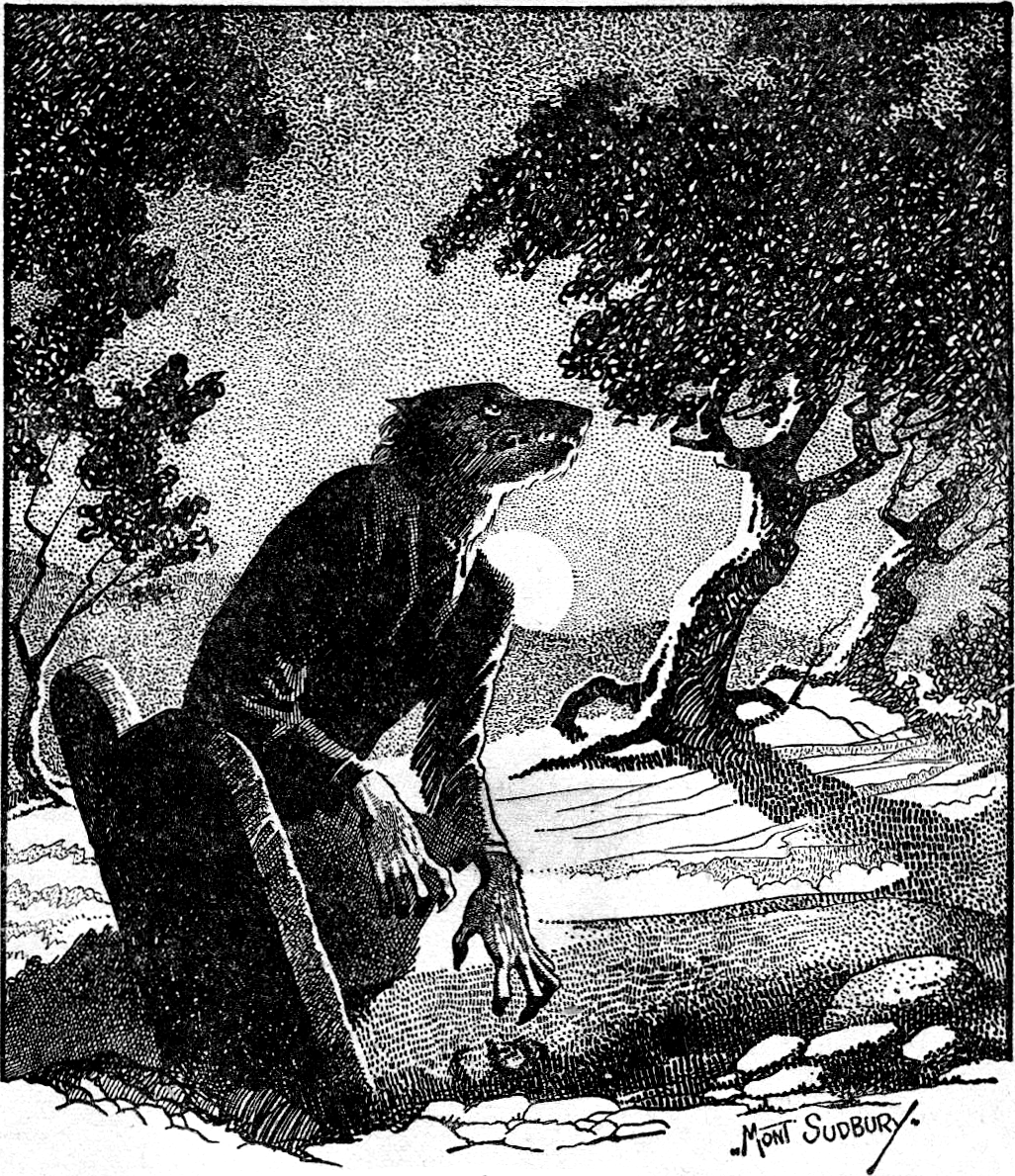 🇫🇷 France and 5 moreWerewolf
A mythical shapeshifter that turns into a wolf, central to European witch-hunts and Gothic horror.Being · Cursing and harm · Wonder and entertainment Legendary
🇩🇪 Germany and 1 moreNachzehrer
A German revenant believed to consume the living from beyond the graveBeing · Cursing and harm Legendary
🇫🇷 France and 5 moreWerewolf
A mythical shapeshifter that turns into a wolf, central to European witch-hunts and Gothic horror.Being · Cursing and harm · Wonder and entertainment Legendary
🇩🇪 Germany and 1 moreNachzehrer
A German revenant believed to consume the living from beyond the graveBeing · Cursing and harm Legendary
 🇩🇪 GermanyAlp
A Germanic spirit that presses on sleepers and drinks milkBeing · Cursing and harm · Luck and prosperity Historical
🇩🇪 GermanyAlp
A Germanic spirit that presses on sleepers and drinks milkBeing · Cursing and harm · Luck and prosperity Historical
 🇷🇺 Russia and 4 moreLady MiddayPoludnitsa
A Slavic noon spirit who watches over fields and punishes those who work during the hottest hours.Being · Cursing and harm · Protection Historical
🇷🇺 Russia and 4 moreLady MiddayPoludnitsa
A Slavic noon spirit who watches over fields and punishes those who work during the hottest hours.Being · Cursing and harm · Protection Historical
Related elsewhere
All being 🇪🇬 Egypt and 1 moreSphinx
A mythical hybrid with a human head and lion body, serving as guardian or riddler in Egyptian and Greek traditions.Being · Protection · Wonder and entertainment Legendary
🇨🇱 ChileChilean mythology
The myths and legends of Chile, blending indigenous roots with colonial influences.Tradition · Wonder and entertainment Living
🇷🇺 Russia and 3 moreNart sagaНарты кадджытæ
A collection of epic tales from the North Caucasus about a legendary group of heroes.Text · Wonder and entertainment Historical
🇪🇬 Egypt and 1 moreSphinx
A mythical hybrid with a human head and lion body, serving as guardian or riddler in Egyptian and Greek traditions.Being · Protection · Wonder and entertainment Legendary
🇨🇱 ChileChilean mythology
The myths and legends of Chile, blending indigenous roots with colonial influences.Tradition · Wonder and entertainment Living
🇷🇺 Russia and 3 moreNart sagaНарты кадджытæ
A collection of epic tales from the North Caucasus about a legendary group of heroes.Text · Wonder and entertainment Historical
 🇨🇳 ChinaLan Caihe藍采和
An ambiguous Taoist immortal known for a flower basket and wandering songsBeing · Wonder and entertainment Legendary
🇨🇳 ChinaLan Caihe藍采和
An ambiguous Taoist immortal known for a flower basket and wandering songsBeing · Wonder and entertainment Legendary