Shamans
Specialists who travel to or call the spirit world on behalf of a community.
A shaman is a specialist who is believed to travel to, call or negotiate with the spirit world on behalf of a community. The word comes from the Evenki language of Siberia, and scholars now apply it to Mongolian, Korean, Sami, Amazonian and many other traditions. Many communities use their own words and dislike the general label. This page covers how shamans are chosen, who may be one, and how the term has been used and misused.
Calling and training
A shaman is usually described as chosen, often through illness, dreams or visions, and then trained by a senior. In Korea, the mudang may undergo a spirit illness called sinbyeong before initiation. In the Amazon, long apprenticeship and dietary rules are reported. In Mongolia and Siberia, the drum, costume and songs are inherited and taught. Many communities say a person who refuses the call risks suffering. The drum, rattle, mirror and costume are tools of the trade, and the songs they sing are often learned from earlier shamans or received in dreams.
Gender and standing
Gender patterns differ. Korean shamans are mostly women, while Siberian traditions include both men and women, and some, as with the Sami noaidi, were mostly men. Status also varies: a shaman may be honoured, feared or looked down on. In Korea, mudang have long been low in social rank while hired for the most important family rites. Shamans often have an ordinary life as hunters, farmers or herders, and are called on only when a community needs them.
Suppression and revival
Shamanism has been persecuted. Soviet authorities imprisoned and killed Siberian shamans, Chinese and Japanese governments restricted shamanic rites in modern times, and Christian missions banned them. Since the 1990s there has been revival in Mongolia, Tuva and Buryatia. In Korea, shaman rites are now listed as intangible cultural heritage, even as Protestant groups criticise them. Soviet campaigns treated shamans as enemies of progress, and some were killed as class enemies in the 1930s.
Appropriation and scholarship
Mircea Eliade's 1951 book on shamanism made the word global, and critics say it flattened very different practices. Neo-shamanism and paid workshops in the West sell techniques without community authority, which many Indigenous leaders oppose. Some ceremonies and knowledge are closed to outsiders, and a visitor should ask before attending or recording anything. Scholars also note that shamanism is a Western category, and critics suggest it has been stretched over practices that have little in common.
Shamans on EveryJaadu
The entries written up so far, best known first.
 🇨🇺 Cuba and 5 morePalo
An Afro-Cuban religion centered on spirit vessels and ancestral powerTradition · Healing · Cursing and harm Living
🇨🇺 Cuba and 5 morePalo
An Afro-Cuban religion centered on spirit vessels and ancestral powerTradition · Healing · Cursing and harm Living
 🇳🇬 Nigeria and 2 moreOdinaniỌdịnanị
The traditional belief system of the Igbo people in NigeriaTradition · Protection · Speaking with spirits and the dead Living
🇳🇬 Nigeria and 2 moreOdinaniỌdịnanị
The traditional belief system of the Igbo people in NigeriaTradition · Protection · Speaking with spirits and the dead Living
 🇲🇳 Mongolia and 2 moreMongolian shamanismBöö mörgöl
The animistic and shamanic ethnic religion of the Mongol peoples, centered on sky worship and ancestral spirits.Tradition · Protection · Healing Living
🇲🇳 Mongolia and 2 moreMongolian shamanismBöö mörgöl
The animistic and shamanic ethnic religion of the Mongol peoples, centered on sky worship and ancestral spirits.Tradition · Protection · Healing Living
 🇯🇵 JapanKagura神楽
A Shinto ritual dance where performers embody deities to purify and welcome spiritsTradition · Protection · Speaking with spirits and the dead Living
🇯🇵 JapanKagura神楽
A Shinto ritual dance where performers embody deities to purify and welcome spiritsTradition · Protection · Speaking with spirits and the dead Living
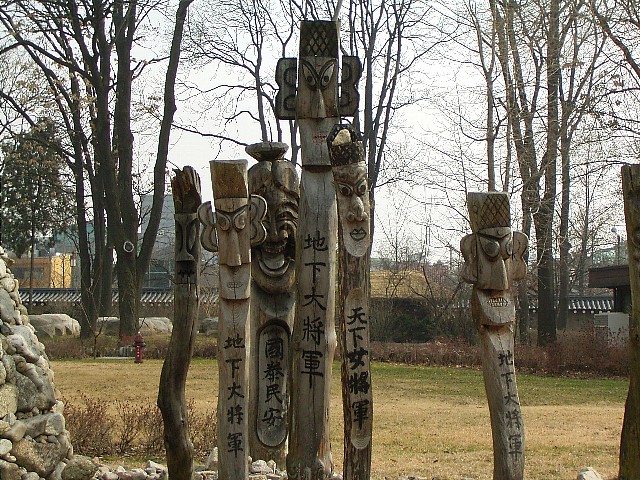 🇰🇷 South Korea and 1 moreJangseung장승
Wooden or stone poles that guard Korean villages and temples from evil spiritsTradition · Protection · Speaking with spirits and the dead Living
🇰🇷 South Korea and 1 moreJangseung장승
Wooden or stone poles that guard Korean villages and temples from evil spiritsTradition · Protection · Speaking with spirits and the dead Living
 🇻🇺 Vanuatu and 5 moreKava culture
A shared ritual across Oceania where a root brew marks ceremony, respect, and social gathering.Tradition · Speaking with spirits and the dead · Luck and prosperity Living
🇻🇺 Vanuatu and 5 moreKava culture
A shared ritual across Oceania where a root brew marks ceremony, respect, and social gathering.Tradition · Speaking with spirits and the dead · Luck and prosperity Living
 🇺🇸 United StatesHawaiian religion
The traditional spiritual practices of the Indigenous people of Hawaiʻi, centered on deities and ancestral guardians.Tradition · Protection · Speaking with spirits and the dead Living
🇺🇸 United StatesHawaiian religion
The traditional spiritual practices of the Indigenous people of Hawaiʻi, centered on deities and ancestral guardians.Tradition · Protection · Speaking with spirits and the dead Living
 🇨🇳 China and 1 moreChinese shamanism巫教 (Wūjiào)
Spirit-mediums of China who dance and trance to carry messages between people and godsTradition · Speaking with spirits and the dead · Seeing and foretelling Living
🇨🇳 China and 1 moreChinese shamanism巫教 (Wūjiào)
Spirit-mediums of China who dance and trance to carry messages between people and godsTradition · Speaking with spirits and the dead · Seeing and foretelling Living
 🇱🇦 Laos and 3 moreTai folk religionສາສະໜາຜີ
Spirits, ancestor rites, and soul-calling ceremonies of the Tai peoplesTradition · Protection · Healing Living
🇱🇦 Laos and 3 moreTai folk religionສາສະໜາຜີ
Spirits, ancestor rites, and soul-calling ceremonies of the Tai peoplesTradition · Protection · Healing Living
 🇺🇸 United States and 5 moreNeoshamanism
A modern spiritual practice adapting shamanic techniques for Western seekersTradition · Healing · Speaking with spirits and the dead Living
🇺🇸 United States and 5 moreNeoshamanism
A modern spiritual practice adapting shamanic techniques for Western seekersTradition · Healing · Speaking with spirits and the dead Living
 🇷🇺 RussiaReindeer in Siberian shamanism
The role of reindeer as spirit helpers, ritual tools, and burial vehicles in the shamanic traditions of Northern AsiaTradition · Healing · Speaking with spirits and the dead Living
🇵🇰 PakistanShamanism in Pakistan
A shamanic tradition of the Hunza region where spirit guides select healers who enter trance states through music and riTradition · Seeing and foretelling · Speaking with spirits and the dead Living
🇯🇲 Jamaica and 2 moreKromanti
A ritual language spoken by ancestral spirits in Jamaican Maroon ceremoniesBelief · Speaking with spirits and the dead Living
🇷🇺 RussiaReindeer in Siberian shamanism
The role of reindeer as spirit helpers, ritual tools, and burial vehicles in the shamanic traditions of Northern AsiaTradition · Healing · Speaking with spirits and the dead Living
🇵🇰 PakistanShamanism in Pakistan
A shamanic tradition of the Hunza region where spirit guides select healers who enter trance states through music and riTradition · Seeing and foretelling · Speaking with spirits and the dead Living
🇯🇲 Jamaica and 2 moreKromanti
A ritual language spoken by ancestral spirits in Jamaican Maroon ceremoniesBelief · Speaking with spirits and the dead Living
 🇨🇳 China and 5 moreRegional forms of shamanism
A global overview of indigenous spirit-interaction practices across Asia and the Americas.Tradition · Healing · Speaking with spirits and the dead Living
🇨🇳 China and 5 moreRegional forms of shamanism
A global overview of indigenous spirit-interaction practices across Asia and the Americas.Tradition · Healing · Speaking with spirits and the dead Living
 🇯🇵 JapanChinkon kishin鎮魂帰神
A Japanese spiritual practice combining soul calming with spirit possessionRite · Speaking with spirits and the dead · Healing Living
🇯🇵 JapanChinkon kishin鎮魂帰神
A Japanese spiritual practice combining soul calming with spirit possessionRite · Speaking with spirits and the dead · Healing Living
 🇨🇳 China and 1 moreNuo folk religion傩 (Nuó)
A Chinese exorcistic tradition using wooden masks and ancestor worship to drive away malevolent forcesTradition · Protection · Speaking with spirits and the dead Living
🇦🇺 AustraliaDaramulum
A one-legged sky hero of south-east Aboriginal culturesBeing · Speaking with spirits and the dead Living
🇨🇳 China and 1 moreNuo folk religion傩 (Nuó)
A Chinese exorcistic tradition using wooden masks and ancestor worship to drive away malevolent forcesTradition · Protection · Speaking with spirits and the dead Living
🇦🇺 AustraliaDaramulum
A one-legged sky hero of south-east Aboriginal culturesBeing · Speaking with spirits and the dead Living
 🇩🇿 Algeria and 5 moreZawiyaزاوية
A Sufi building and institution for worship, education, and community life in the Islamic world.Tradition · Speaking with spirits and the dead · Healing Living
🇩🇿 Algeria and 5 moreZawiyaزاوية
A Sufi building and institution for worship, education, and community life in the Islamic world.Tradition · Speaking with spirits and the dead · Healing Living
 🇳🇵 Nepal and 1 moreKiratism
The indigenous animist and shamanic religion of the Kirati peoples in Nepal and IndiaTradition · Protection · Speaking with spirits and the dead Living
🇳🇵 Nepal and 1 moreKiratism
The indigenous animist and shamanic religion of the Kirati peoples in Nepal and IndiaTradition · Protection · Speaking with spirits and the dead Living
 🇮🇳 IndiaChillaچله
A forty-day solitary retreat of fasting and meditation in Sufi traditionRite · Speaking with spirits and the dead · Power and authority Living
🇮🇳 IndiaChillaچله
A forty-day solitary retreat of fasting and meditation in Sufi traditionRite · Speaking with spirits and the dead · Power and authority Living
 🇮🇳 IndiaFakirفقير
An Islamic ascetic who seeks spiritual neediness and devotion to God.Tradition · Power and authority · Speaking with spirits and the dead Living
🇮🇳 IndiaFakirفقير
An Islamic ascetic who seeks spiritual neediness and devotion to God.Tradition · Power and authority · Speaking with spirits and the dead Living
 🇿🇦 South Africa and 1 moreSacred caves of the Basotho
Cave networks in South Africa and Lesotho used by the Basotho for ancestral rituals and healingTradition · Healing · Protection Living
🇲🇽 MexicoVelada
A Mazatec healing ceremony using sacred plants to commune with the divineRite · Healing · Speaking with spirits and the dead Living
🇿🇦 South Africa and 1 moreSacred caves of the Basotho
Cave networks in South Africa and Lesotho used by the Basotho for ancestral rituals and healingTradition · Healing · Protection Living
🇲🇽 MexicoVelada
A Mazatec healing ceremony using sacred plants to commune with the divineRite · Healing · Speaking with spirits and the dead Living
 🇹🇷 TurkeyKhirqaخرقه
An initiatory cloak in Sufism that passes spiritual lineage and blessings from teacher to student.Tradition · Speaking with spirits and the dead · Power and authority Living
🇹🇷 TurkeyKhirqaخرقه
An initiatory cloak in Sufism that passes spiritual lineage and blessings from teacher to student.Tradition · Speaking with spirits and the dead · Power and authority Living
 🇩🇿 AlgeriaHezzabحزّاب
A Quran reciter who leads daily collective chanting in Algerian mosques.Tradition · Speaking with spirits and the dead Living
🇩🇿 AlgeriaHezzabحزّاب
A Quran reciter who leads daily collective chanting in Algerian mosques.Tradition · Speaking with spirits and the dead Living
 🇵🇪 PeruChakapa
A leaf rattle used by Amazonian healers in ayahuasca ceremonies and spirit cleansing rituals.Rite · Healing · Speaking with spirits and the dead Living
🇲🇽 MexicoMazatec shamanism
A Mazatec healing tradition centered on visionary plant ceremonies called veladasTradition · Healing · Speaking with spirits and the dead Living
🇷🇺 Russia and 1 moreImitation of sounds in shamanism
Shamanic vocal and musical mimicry of nature to invoke spirits or transform identityRite · Speaking with spirits and the dead · Power and authority Living
🇵🇪 PeruChakapa
A leaf rattle used by Amazonian healers in ayahuasca ceremonies and spirit cleansing rituals.Rite · Healing · Speaking with spirits and the dead Living
🇲🇽 MexicoMazatec shamanism
A Mazatec healing tradition centered on visionary plant ceremonies called veladasTradition · Healing · Speaking with spirits and the dead Living
🇷🇺 Russia and 1 moreImitation of sounds in shamanism
Shamanic vocal and musical mimicry of nature to invoke spirits or transform identityRite · Speaking with spirits and the dead · Power and authority Living
 🇮🇳 IndiaMaibi Jagoi
A shamanic ritual dance performed by Maibis during the Lai Haraoba ceremony in Manipur.Rite · Speaking with spirits and the dead Living
🇮🇳 IndiaMaibi Jagoi
A shamanic ritual dance performed by Maibis during the Lai Haraoba ceremony in Manipur.Rite · Speaking with spirits and the dead Living
 🇦🇺 AustraliaCleverman
A traditional Aboriginal healer and cultural keeper in Australia with varied magical abilities.Being · Healing · Cursing and harm Living
🇦🇺 AustraliaCleverman
A traditional Aboriginal healer and cultural keeper in Australia with varied magical abilities.Being · Healing · Cursing and harm Living
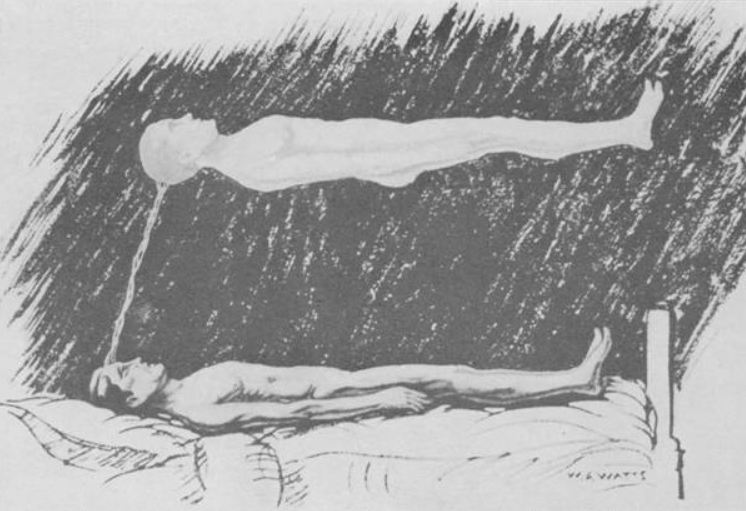 🇮🇳 India and 3 moreAstral projection
An intentional out-of-body experience where consciousness travels through the astral planeTradition · Speaking with spirits and the dead · Change and initiation Living
🇮🇳 India and 3 moreAstral projection
An intentional out-of-body experience where consciousness travels through the astral planeTradition · Speaking with spirits and the dead · Change and initiation Living
 🇩🇿 AlgeriaMawsimموسم
Annual Maghrebi festival blending Sufi veneration with social and economic gatheringTradition · Speaking with spirits and the dead · Luck and prosperity Living
🇩🇿 AlgeriaMawsimموسم
Annual Maghrebi festival blending Sufi veneration with social and economic gatheringTradition · Speaking with spirits and the dead · Luck and prosperity Living
 🇯🇵 JapanKabura-ya鏑矢
A Japanese arrow with a whistling tip used in ritual archery and Shinto ritesSubstance · Protection · Speaking with spirits and the dead Living
🇺🇦 Ukraine and 5 moreBullroarer
A wooden slat on a string that produces a roaring sound for ritual and communication.Tradition · Protection · Speaking with spirits and the dead Living
🇰🇷 South KoreaMusok eumak무속 음악
Traditional Korean shamanistic music performed during gut rituals to induce tranceTradition · Speaking with spirits and the dead Living
🇯🇵 JapanKabura-ya鏑矢
A Japanese arrow with a whistling tip used in ritual archery and Shinto ritesSubstance · Protection · Speaking with spirits and the dead Living
🇺🇦 Ukraine and 5 moreBullroarer
A wooden slat on a string that produces a roaring sound for ritual and communication.Tradition · Protection · Speaking with spirits and the dead Living
🇰🇷 South KoreaMusok eumak무속 음악
Traditional Korean shamanistic music performed during gut rituals to induce tranceTradition · Speaking with spirits and the dead Living
 🇲🇳 Mongolia and 1 moreOngon
Ancestor spirits in Mongolian shamanism, represented by consecrated idols and talismansBeing · Protection · Speaking with spirits and the dead Living
🇲🇳 Mongolia and 1 moreOngon
Ancestor spirits in Mongolian shamanism, represented by consecrated idols and talismansBeing · Protection · Speaking with spirits and the dead Living
 🇳🇵 Nepal and 1 moreBanjhakri and Banjhakrini
Forest shamans of the Kirati people in Nepal and eastern IndiaBeing · Speaking with spirits and the dead · Power and authority Living
🇳🇵 Nepal and 3 moreGurung ShamanismTamu Cho
The ancient shamanic beliefs and rituals of the Gurung people in NepalTradition · Protection · Speaking with spirits and the dead Living
🇳🇵 Nepal and 1 moreBanjhakri and Banjhakrini
Forest shamans of the Kirati people in Nepal and eastern IndiaBeing · Speaking with spirits and the dead · Power and authority Living
🇳🇵 Nepal and 3 moreGurung ShamanismTamu Cho
The ancient shamanic beliefs and rituals of the Gurung people in NepalTradition · Protection · Speaking with spirits and the dead Living
 🇹🇷 Turkey and 2 moreHadraحضرة
A collective Sufi ritual of remembrance and chanting to experience Divine PresenceRite · Speaking with spirits and the dead · Power and authority Living
🇮🇳 IndiaTawajjuh
A Sufi practice of transmitting spiritual energy from a master to a studentTradition · Speaking with spirits and the dead · Power and authority Living
🇹🇷 Turkey and 2 moreHadraحضرة
A collective Sufi ritual of remembrance and chanting to experience Divine PresenceRite · Speaking with spirits and the dead · Power and authority Living
🇮🇳 IndiaTawajjuh
A Sufi practice of transmitting spiritual energy from a master to a studentTradition · Speaking with spirits and the dead · Power and authority Living
 🇮🇷 Iran and 2 moreSuperstitions in Muslim societies
Beliefs in supernatural forces and charms found across the Islamic worldTradition · Protection · Healing Living
🇮🇷 Iran and 2 moreSuperstitions in Muslim societies
Beliefs in supernatural forces and charms found across the Islamic worldTradition · Protection · Healing Living
Photo credits on this page
The small pictures above come from Wikimedia Commons under free licences. Some are cropped to fit.
- Chakapa: Mario Martín /Archivo Centro Takiwasi, CC BY-SA 4.0, source
- Astral projection: Hereward Carrington, Sylvan Muldoon., Public domain, source
- Kabura-ya: urasimaru, CC BY-SA 2.0, source
- Ongon: Vyacheslav Kirillin, CC BY-SA 4.0, source
- Banjhakri and Banjhakrini: RajashreeTalukdar, CC BY-SA 3.0, source
- Chinkon kishin: Tomokiyo Yoshisane (友清歓真), also known as Tomokiyo Kyūgo (友清九吾), Public domain, source
- Tai folk religion: ( เทวประภาส มากคล้าย ), Tevaprapas, Public domain, source
- Neoshamanism: Carptrash, CC BY-SA 4.0, source
- Bed of nails: Herbert Ponting, Public domain, source
- Palo: Burkhard Mücke, CC BY-SA 4.0, source
- Odinani: Northcote Whitridge Thomas, Public domain, source
- Mongolian shamanism: Enrique Bendicho, CC BY-SA 4.0, source
- Kagura: Elstner Hilton, Public domain, source
- Jangseung: Yoshiaki Sano, CC BY-SA 2.0, source
- Kava culture: Jaejay77, CC BY-SA 4.0, source
- Hawaiian religion: Jacques Arago, Public domain, source
- Kiratism: TheDreamSky ( talk ), CC BY 3.0, source
- Mimi: Photo by and ©2002 Dustin M. Ramsey ( Kralizec! ), CC BY-SA 2.5, source
- Nuo folk religion: Wikiwikiyarou, CC BY-SA 3.0, source
- Chilla: Indischer Maler um 1630, Public domain, source
- Sacred caves of the Basotho: JMK, CC BY-SA 3.0, source
- Chinese shamanism: No machine-readable author provided. +上帝+ assumed (based on copyright, CC BY-SA 3.0, source
- Khirqa: Unknown author, CC0, source
- Hezzab: Elph, Public domain, source
- Maibi Jagoi: Ramesh Lalwani, CC BY 2.0, source
- Mawsim: Beghdadi Walid, CC BY-SA 4.0, source
- Superstitions in Muslim societies: Unknown author, CC0, source
- Reindeer in Siberian shamanism: Unknown author, Public domain, source
- Regional forms of shamanism: Man Sing, Public domain, source
- Hadra: Zeinebtakouti, CC BY-SA 4.0, source
- Zawiya: Schneders, CC BY-SA 4.0, source