Scholars and sceptics
Anthropologists, historians and investigators who study magic and test its claims.
Scholars and sceptics are the people who study magic from outside the practice: anthropologists, historians, folklorists, psychologists, scholars of religion and investigators who test claims. They have names such as E. E. Evans-Pritchard, Marcel Mauss, Bronislaw Malinowski, Mary Douglas, Keith Thomas and Carlo Ginzburg, and also investigators such as James Randi. This page covers what they have found, how they disagree, and what their work has cost and changed. Their work has changed how the whole subject is understood.
Early theories
Nineteenth-century writers such as James Frazer treated magic as a mistaken early science, a view now widely rejected as arrogant and inaccurate. Later anthropologists, including Evans-Pritchard in his 1937 study of the Azande, showed that magical belief can be a consistent way of reasoning about misfortune. Mauss and Malinowski stressed its social role. Fieldwork, archives, laboratory studies and surveys are their main methods, and each field has its own debates and schools.
The history of witch trials
Historians have revised their view of the witch trials. Keith Thomas and Alan Macfarlane studied English village accusations, Carlo Ginzburg found the benandanti in Friuli, and Ronald Hutton has argued about the numbers and causes, and Silvia Federici links the persecution to the rise of capitalism, a thesis historians dispute. The older figure of nine million victims has been dropped, and estimates now run to tens of thousands of executions.
Testing claims
Sceptics test whether claims hold up. James Randi offered a prize for evidence of paranormal power that was never won, and organisations such as the Committee for Skeptical Inquiry investigate fraud. Researchers study why people believe: pattern-seeking, uncertainty and the wish to control events. The best sceptics aim to understand people, not to mock them. Sceptics hold that claims should be tested, and they have a long record of exposing cases such as spirit photography and fake healers.
Ethics of study
Scholars were often colonial officials or missionaries, and their reports shaped how Indigenous religions were named. Contemporary researchers work with communities, ask consent and respect closed knowledge. Practitioners sometimes object to being explained, and sceptics sometimes to being called closed-minded. The conversation continues, and this guide aims to stay neutral on whether magic works. Their critics reply that science cannot measure everything that matters to a community, and that explaining a ritual away is not the same as understanding it.
Scholars and sceptics on EveryJaadu
The entries written up so far, best known first.
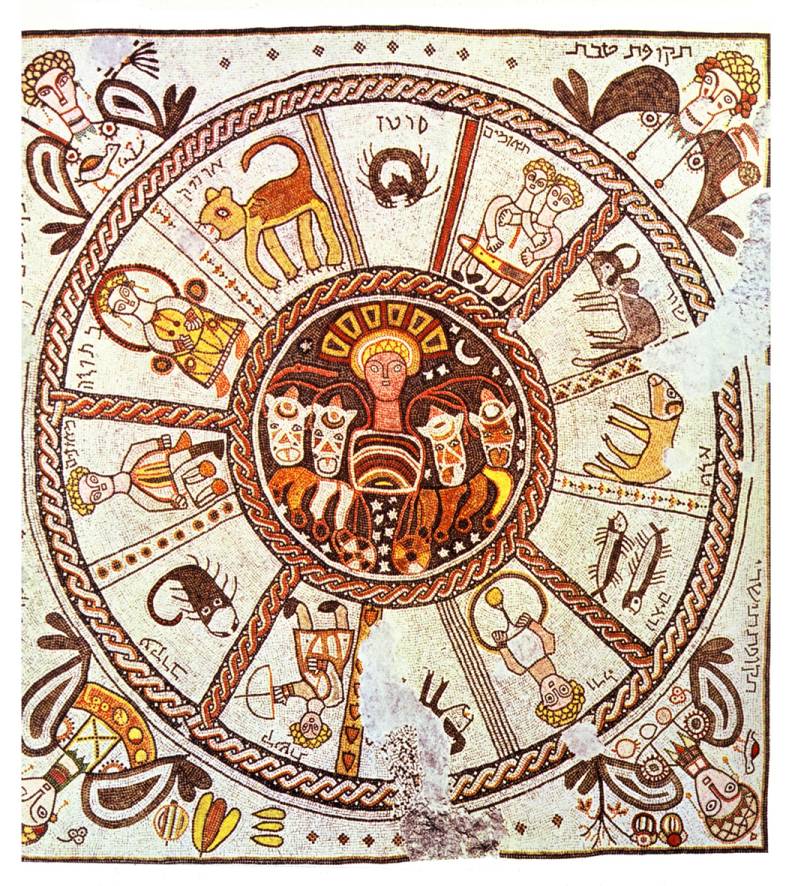 🇮🇱 Israel and 5 moreJewish views on astrologyחָכְמַת הַמַּזָּלוֹת
A long-standing debate within Jewish thought about the influence of stars and planetsBelief · Seeing and foretelling · Power and authority Historical
 🇮🇱 Israel and 2 moreNehushtanנְחֻשְׁתָּן
A bronze serpent on a pole from the Hebrew Bible, once worshipped for healing before its destruction.Charm · Healing · Protection Historical
🇮🇷 IranHouriحُورِيَّـة
Heavenly beings described in Islamic scripture as companions for the faithful in paradise.Being · Speaking with spirits and the dead Historical
🇬🇧 United KingdomScottish pork taboo
A historical aversion to eating pork in Scotland, debated as superstition or economic necessityBelief Historical
🇩🇪 Germany and 3 morePalestinabuch
A lost manuscript by Herman Wirth said to reveal the secret history of Jews and Aryans.Text · Cursing and harm Historical
🇨🇳 ChinaWude Zhongshi Shuo五德終始說
An imperial Chinese theory that matched each ruling dynasty to one of the Five PhasesBelief · Power and authority · Seeing and foretelling Historical
 🇪🇬 EgyptAkhty
A rarely attested ancient Egyptian deity linked to the ibis and the evening horizon.Being · Speaking with spirits and the dead Historical
🇮🇶 Iraq and 3 moreMandaic lead rolls
Lead sheets inscribed with Mandaic incantations, rolled and worn as protective talismans by Mandaeans.Charm · Protection Historical
🇵🇱 Poland and 1 moreTwardowski's Mirror
A cracked Renaissance mirror linked to the legend of a magical alchemistCharm · Power and authority Historical
🇮🇹 ItalyDe Umbris Idearum
A 1582 treatise by Giordano Bruno on memory, magic and philosophyText · Power and authority · Wonder and entertainment Historical
 🇺🇸 United StatesMartian Monkey
A 1953 Atlanta hoax involving a tailless monkey dressed as an alienBelief · Wonder and entertainment Historical
 🇮🇹 ItalyShe-wolf (Roman mythology)lupa
The mythical wolf that nursed Rome's founders and became the city's enduring symbolFigure · Power and authority Historical
 🇯🇵 JapanHyōsubeひょうすべ
A hairy river spirit of Kyushu that eats eggplants and brings fever.Being · Cursing and harm Historical
🇨🇳 China and 1 moreRishu日書
A Chinese day book sorting lucky and unlucky days by the sexagenary cycleText · Seeing and foretelling · Luck and prosperity Historical
🇯🇵 JapanYamajijii山爺
A one-eyed mountain spirit from Shikoku folklore known for its thunderous voice and unpredictable nature.Being · Cursing and harm · Luck and prosperity Historical
🇮🇳 India and 1 moreQayyumقیوم
A supreme spiritual rank in the Naqshbandi Sufi orderTradition · Power and authority Historical
🇮🇱 IsraelMessiah ben Josephמָשִׁיחַ בֶּן־יוֹסֵף
A Jewish eschatological figure who wages war and dies before the final age of peaceFigure · Cursing and harm · Power and authority Historical
🇯🇵 JapanOshiroibabā白粉ばばあ
A yōkai old woman from Nara folklore linked to white powder and mirrors.Being · Wonder and entertainment Historical
🇮🇱 Israel and 1 moreRighteous Priest
A messianic priestly figure in Jewish eschatology, identified with Shem and Melchizedek.Figure · Power and authority Historical
🇨🇳 ChinaChinese sorcery scares
A series of moral panics in Imperial China driven by fears of magical harm and hair cuttingBelief · Cursing and harm · Power and authority Historical
🇮🇳 India and 1 moreManba al-Ansabمنبع الانساب
A Persian manuscript tracing Sayyid lineage and Sufi practice in early modern IndiaText · Speaking with spirits and the dead · Power and authority Historical
🇯🇵 JapanKyōka Hyaku Monogatari狂歌百物語
An 1853 Japanese picture book pairing yōkai illustrations with humorous kyōka poetryText · Wonder and entertainment Historical
 🇨🇦 CanadaOak Island mystery
A centuries-old legend of buried treasure and unexplained engineering on a Canadian island.Belief · Luck and prosperity Historical
🇷🇺 Russia and 2 moreVerliokaВерлиока
A cross-eyed monster from East Slavic folk talesFigure · Cursing and harm Historical
 🇪🇬 EgyptEgyptian days
Medieval calendar days believed to bring bad luck for new ventures and medical proceduresBelief · Luck and prosperity Historical
🇰🇷 South KoreaSeolmundae Halmang설문대할망
A giant creator figure from Jeju Island who shaped the land and its volcanoes.Figure · Wonder and entertainment Historical
🇪🇷 Eritrea and 1 moreBeher
A pre-Christian Aksumite deity of the sea and agricultural fertilityBeing · Luck and prosperity · Healing Historical
🇮🇱 IsraelQlippothקְלִיפּוֹת
Impure spiritual forces in Jewish mysticism, opposites of the holy sefirotBeing · Cursing and harm Historical
 🇫🇷 FranceOn the Demonomania of the SorcerersDe la démonomanie des sorciers
Jean Bodin's 1580 treatise on witches, demons and their prosecutionText · Cursing and harm · Protection Historical
🇮🇷 IranBalaibalanباليبلن
An early constructed language from the Islamic world, likely created for sacred or poetic purposes.Text · Speaking with spirits and the dead · Wonder and entertainment Historical
🇮🇳 IndiaA Treatise on White Magic
An esoteric textbook by Alice Bailey outlining fifteen rules for spiritual service and initiation.Text · Speaking with spirits and the dead · Change and initiation Historical
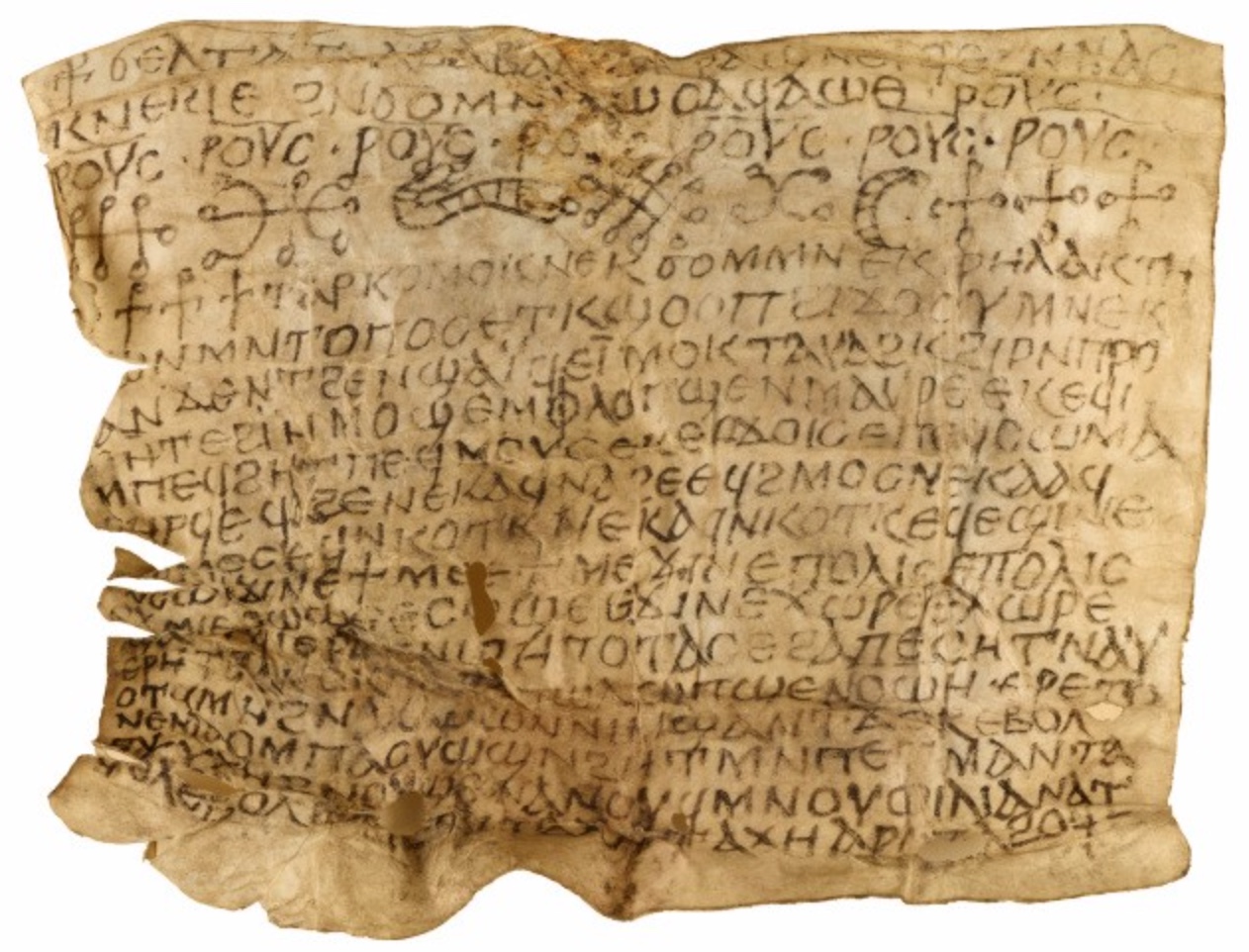 🇪🇬 EgyptAshmolean Parchment AN 1981.940
A folded Coptic love charm from Egypt, written by one man to win anotherText · Love and attraction Historical
 🇬🇷 GreecePydna curse tablets
Six ancient Greek lead sheets found in Macedonia, used to influence court casesText · Cursing and harm · Binding and oaths Historical
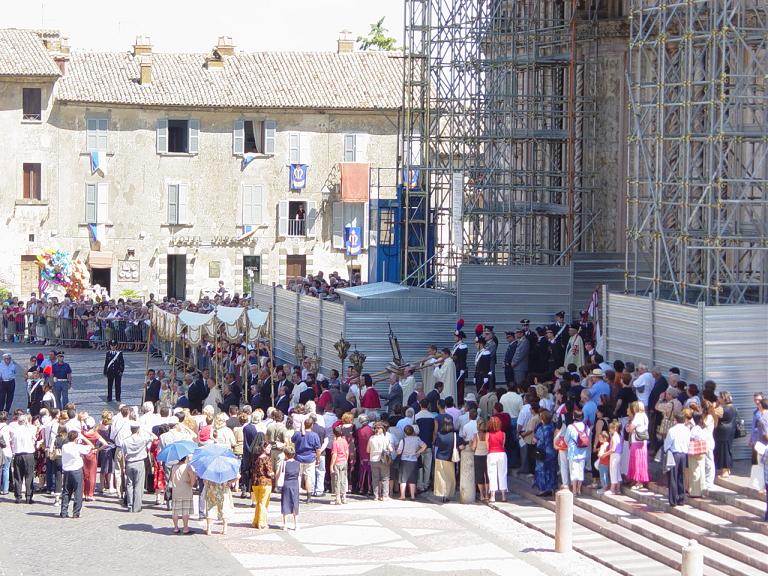 🇮🇹 ItalyCorporal of Bolsena
A cloth stained with red marks from a medieval Eucharistic eventCharm · Protection Historical
 🇮🇪 Ireland and 1 moreAirship of Clonmacnoise
A medieval Irish legend of a ship in the sky and its anchorBelief · Wonder and entertainment Historical
 🇬🇧 United KingdomBook of Magical Charms
A seventeenth-century English manuscript of spells and medical remedies held in Chicago.Text · Healing · Speaking with spirits and the dead Historical
🇮🇹 ItalyMazapégul
A mischievous elf of Romagna with a red cap that steals sleep and braids horse manesBeing · Cursing and harm · Luck and prosperity Historical
 🇨🇳 China and 1 moreWorship of the living生祠 (Chinese), 生祀 (Japanese)
A shrine built for a person while they are still alive to honour their spirit or contributions.Tradition · Power and authority · Protection Historical
 🇮🇱 Israel and 2 moreStaff of Mosesmaṭṭeh
A walking stick with miraculous powers in Jewish and Islamic traditionCharm · Power and authority · Healing Historical
 🇱🇷 LiberiaMaryland ritual killings
A 1970s Liberian case of ritual murders and the public executions that followedBelief · Cursing and harm Historical
🇮🇳 IndiaWater (classical element)
A classical substance linked to emotion and intuition in Greek, Indian, and Western esoteric traditions.Substance · Speaking with spirits and the dead · Power and authority Historical
 🇸🇪 SwedenCanterbury charm
An Old Norse runic spell against infection found in an Anglo-Saxon manuscript.Text · Healing Historical
🇱🇹 Lithuania and 3 moreThe Swan Queen
A Lithuanian fairy tale about a bird maiden who becomes human and returns to the skyFigure · Wonder and entertainment Historical
 🇬🇧 United KingdomMadgy Figgy's Chair
A granite rock in Cornwall linked to a legendary witch and her storm conjuringFigure · Cursing and harm · Luck and prosperity Historical
 🇹🇷 Turkey and 1 moreSeal of Muhammadختم الرسول (Khatm ar-Rasul)
Relics and designs attributed to the Prophet's signet ring and correspondence marks.Charm · Power and authority · Protection Historical
🇬🇱 GreenlandAnguta
A Greenlandic Inuit figure who guides the dead and fathered the sea goddess SednaBeing · Speaking with spirits and the dead Historical
Photo credits on this page
The small pictures above come from Wikimedia Commons under free licences. Some are cropped to fit.
- Wolves in folklore, religion and mythology: Unknown author, CC0, source
- Nehushtan: Michelangelo, Public domain, source
- Oak Island mystery: Unknown author, CC BY-SA 3.0, source
- Egyptian days: Unknown Unknown (Paris scriptorium), Public domain, source
- Airship of Clonmacnoise: Joseph Mischyshyn, CC BY-SA 2.0, source
- Book of Magical Charms: Robert Ashley, died 1641, Public domain, source
- Maryland ritual killings: Fred van der Kraaij, CC BY-SA 4.0, source
- Canterbury charm: Mårtensås, CC BY-SA 4.0, source
- Madgy Figgy's Chair: Jim Champion, CC BY-SA 3.0, source
- Seal of Muhammad: unknown (drawing is signed in lower left corner), Public domain, source
- Akhty: Rémih, CC BY-SA 3.0, source
- Hyōsube: Brigham Young University, CC BY-SA 4.0, source
- Martian Monkey: Tim Farley, CC BY-SA 4.0, source
- Jewish astrology: Talmoryair, Public domain, source
- On the Demonomania of the Sorcerers: Jean Bodin, Public domain, source
- Ashmolean Parchment AN 1981.940: Apapolo, Public domain, source
- Pydna curse tablets: Juergen Weidner, CC BY-SA 4.0, source
- Worship of the living: 663highland, CC BY 2.5, source
- Corporal of Bolsena: Personal photograph, Public domain, source
- Staff of Moses: John Everett Millais, Public domain, source