
The Martian Monkey was a fabricated creature created in 1953 by three men in Atlanta to exploit UFO hysteria. They modified a dead rhesus monkey to look like an extraterrestrial and staged a scene with burn marks to convince police and the public.
- Created by two barbers and a butcher in Atlanta
- Used a dead rhesus macaque dyed green
- Exploited 1950s UFO hysteria
- Discovered by Emory University professor Marion Hines
- Now displayed at the GBI mini-museum
What it is
The Martian Monkey refers to a specific hoax perpetrated in Atlanta, Georgia, during July 1953. Three local men modified a deceased rhesus macaque to resemble an extraterrestrial being. The creature lacked a tail, had its fur removed, and was dyed green. It was placed near scorch marks on the pavement to suggest a crash landing. This fabrication capitalized on the widespread fear and fascination with unidentified flying objects that characterized the era in the United States.
Where it comes from
The incident originated from the creative minds of Edward Watters, Tom Wilson, and Arnold Payne. These individuals were a barber, another barber, and a butcher, respectively. They acted during a period of intense 'UFO hysteria' across America. Their goal was to create a believable story about alien life. They selected a dead monkey because it was readily available and could be easily altered. The choice of a rhesus macaque provided a realistic base for their deception.
How it is done
The perpetrators prepared the animal by removing its tail and applying large amounts of hair remover. They then used green food coloring to change its appearance. A blow torch was used to burn a circle into the street pavement, simulating heat damage from a spacecraft. On July 8, 1953, they presented the scene to Officer Sherley Brown. They claimed to have struck one creature with their truck and seen others escape in a flying saucer.
Tools and materials
The primary tool was a dead rhesus monkey. Chemical agents included hair remover and green food dye. Physical tools involved a blow torch for creating pavement burns and a truck for the initial impact claim. The setup required careful placement of the corpse near the scorch marks to enhance the illusion of a recent crash site.
Martian Monkey, drawn and placed
- Living
- Revived
- Fading
- Historical
- Legendary
- Performed
- Timing
- July 1953
What it is for
The hoax was designed to entertain the pranksters and confuse authorities. It exploited the public's readiness to believe in alien encounters. The resulting media attention and police involvement validated their efforts. The stunt also served as a commentary on the gullibility surrounding UFO reports at the time. It generated numerous calls to the police department from residents claiming sightings.
Who does it
Edward Watters, Tom Wilson, and Arnold Payne executed the plan. Watters and Wilson were young barbers, while Payne worked as a butcher. Their professions likely influenced their manual dexterity and access to materials. They acted together as a group. Herman Jones and Professor Marion Hines from Emory University later investigated the specimen. Hines identified the animal as a standard monkey based on its anatomy.
Peoples and places
The event is tied to Atlanta, Georgia, and its residents. The local police force responded to the report. The broader American public participated through phone calls and belief in the narrative. The hoax reflects the cultural context of 1950s America, where science fiction themes permeated popular consciousness.
At a glance: who, where and when
Who does it
Peoples

What people believe
The hoax relied on the prevailing belief that extraterrestrial visitation was possible. Many citizens accepted the story without skepticism due to existing fears. The veterinarian who examined the animal initially supported the alien theory, adding credibility. The Air Force investigation further legitimized the false narrative in the eyes of the public. The belief was sustained only until anatomical evidence proved otherwise.
When it is done
The event occurred on July 8, 1953. It took place during the peak of mid-century UFO enthusiasm. No specific religious or seasonal calendar dictated the timing. It was a spontaneous act by the pranksters. The reveal happened hours after the initial discovery.
How scholars and sceptics see it
Historians view the Martian Monkey as a classic example of media manipulation. It demonstrates how easily fabricated stories can gain traction during times of social anxiety. Scholars note the role of professional validation, such as the veterinarian's statement, in spreading misinformation. The case is often cited in discussions about the psychology of belief and the history of ufology.
Cautions and what is closed
The hoax led to legal consequences for the participants. Watters was fined $40 for obstructing a highway. The incident highlights the potential for pranks to disrupt public order and waste law enforcement resources. It also shows how quickly rumors can escalate when fueled by technological fears.
Compare and confuse
Similar hoaxes have occurred throughout history, often using animals or props to simulate supernatural events. The Martian Monkey differs by specifically targeting UFO culture rather than traditional ghost lore. Other examples include the Cardiff Giant and various fake cryptid sightings. All share a common thread of exploiting public curiosity.
Law and persecution
The perpetrators faced minor legal penalties. Watters received a fine for traffic obstruction. There were no charges for the hoax itself at the time. The incident did not lead to new legislation regarding UFO reporting. It remains a historical footnote in Atlanta's legal records.
Today
The preserved specimen is displayed at the Georgia Bureau of Investigation mini-museum. It serves as an educational exhibit alongside other notable items like moonshine stills. The story has been retold in podcasts and television shows, keeping the memory alive. It stands as a humorous reminder of past gullibilities.
Questions people ask about Martian Monkey
What exactly was the Martian Monkey?
It was a hoax involving a dead rhesus monkey modified to look like an alien. The creators removed its tail, applied hair remover, and dyed it green to deceive the public.
Who created the Martian Monkey hoax?
Three men from Atlanta: Edward Watters and Tom Wilson, who were barbers, and Arnold Payne, a butcher. They collaborated to stage the fake alien encounter.
Why did people believe the Martian Monkey story?
The hoax occurred during a time of intense UFO hysteria in the United States. People were already primed to believe in extraterrestrial visits, making them more susceptible to the deception.
How was the hoax discovered?
Anatomy professor Marion Hines from Emory University examined the creature. He recognized it as a standard monkey and famously remarked that if it came from Mars, there are monkeys on Mars.
Where can you see the Martian Monkey today?
The preserved specimen is part of the exhibit at the Georgia Bureau of Investigation mini-museum in Atlanta. It is shown alongside other historical artifacts and news reports.
Good reading and sources
- Martian Monkey on WikipediaEncyclopedia
- More photos on Wikimedia CommonsPhotos and video
- Wikidata recordOpen data
The facts on this page come from the Wikipedia article "Martian Monkey", written by its contributors and used under the CC BY-SA 4.0 licence, and from its Wikidata record (CC0). EveryJaadu rewrote the text in its own words, with AI assistance, and compares every page with the article to make sure no passage is copied. It may be reused under the same CC BY-SA 4.0 licence with a link back.
It may contain mistakes. Names and customs differ from one community to the next, and some knowledge is closed to outsiders and left out here. This page describes belief and practice. It does not say that any of it works, it is not a how-to, and it is not medical advice. If something is wrong, tell us. Last refreshed 2026-10-07.
More from the United States
All the entries from the United States 🇺🇸 United StatesSalem Witch Trials
A colonial legal crisis where over two hundred people faced accusations of sorcery in Massachusetts.Belief · Cursing and harm Historical
🇺🇸 United StatesSalem Witch Trials
A colonial legal crisis where over two hundred people faced accusations of sorcery in Massachusetts.Belief · Cursing and harm Historical
 🇺🇸 United States and 1 moreGroundhog DayGrund'sau dåk
A North American custom using a burrowing rodent to forecast the end of winterTradition · Seeing and foretelling · Luck and prosperity Living
🇺🇸 United States and 1 moreGroundhog DayGrund'sau dåk
A North American custom using a burrowing rodent to forecast the end of winterTradition · Seeing and foretelling · Luck and prosperity Living
 🇺🇸 United States and 1 moreMedicine wheel
Circular stone formations built by Indigenous peoples of North America for ceremony and astronomy.Tradition · Speaking with spirits and the dead · Power and authority Living
🇺🇸 United States and 1 moreMedicine wheel
Circular stone formations built by Indigenous peoples of North America for ceremony and astronomy.Tradition · Speaking with spirits and the dead · Power and authority Living
 🇺🇸 United States and 7 moreSatanic panic
A moral panic over unsubstantiated claims of Satanic cults abusing children in the late twentieth centuryBelief · Cursing and harm Historical
🇺🇸 United States and 7 moreSatanic panic
A moral panic over unsubstantiated claims of Satanic cults abusing children in the late twentieth centuryBelief · Cursing and harm Historical
Related elsewhere
All belief 🇬🇧 United Kingdom and 2 moreKing ArthurBrenin Arthur
A legendary British king and folk hero of medieval literature and Welsh mythologyFigure · Power and authority · Wonder and entertainment Legendary
🇬🇧 United Kingdom and 2 moreKing ArthurBrenin Arthur
A legendary British king and folk hero of medieval literature and Welsh mythologyFigure · Power and authority · Wonder and entertainment Legendary
 🇪🇬 Egypt and 1 moreSphinx
A mythical hybrid with a human head and lion body, serving as guardian or riddler in Egyptian and Greek traditions.Being · Protection · Wonder and entertainment Legendary
🇪🇬 Egypt and 1 moreSphinx
A mythical hybrid with a human head and lion body, serving as guardian or riddler in Egyptian and Greek traditions.Being · Protection · Wonder and entertainment Legendary
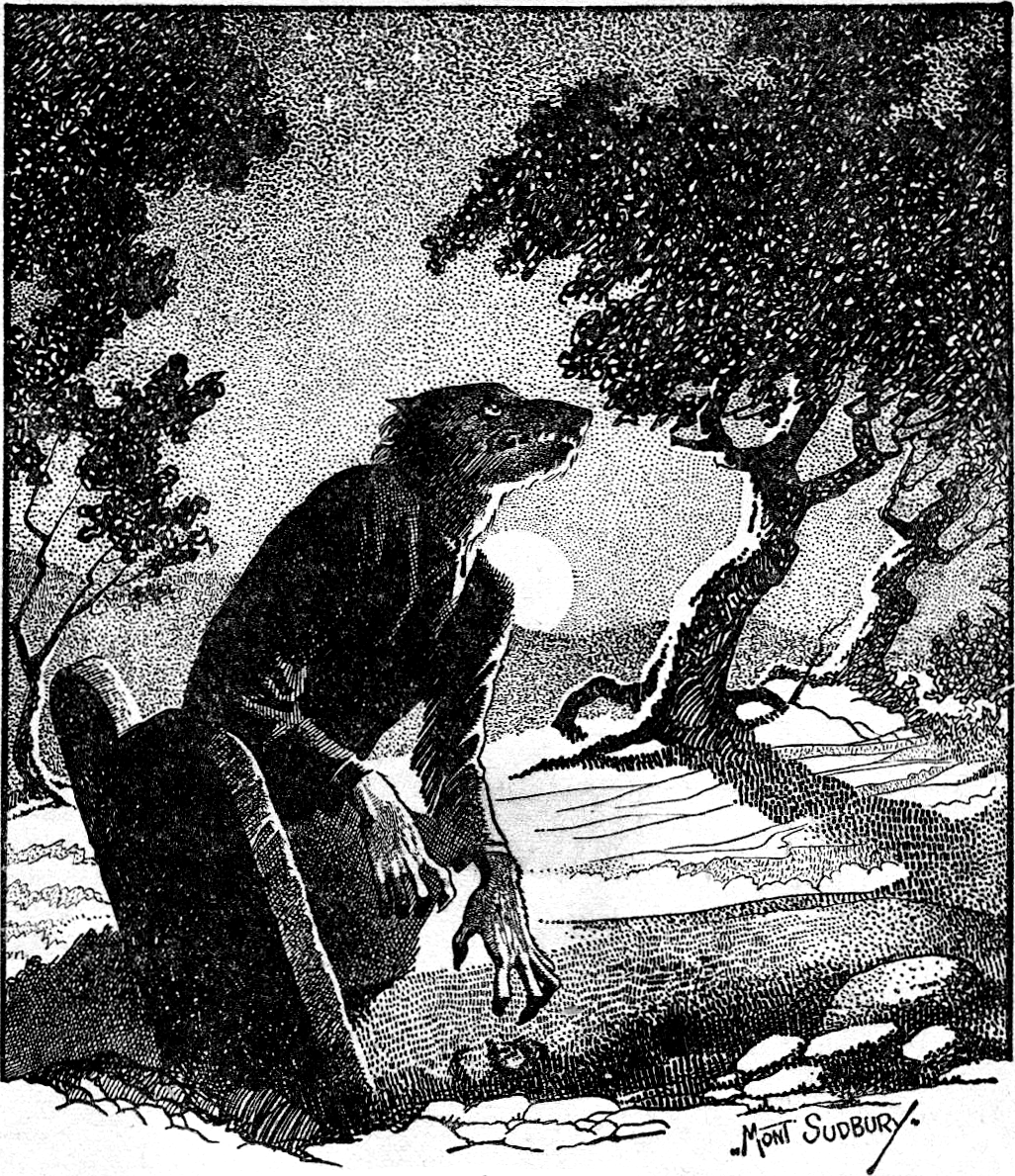 🇫🇷 France and 5 moreWerewolf
A mythical shapeshifter that turns into a wolf, central to European witch-hunts and Gothic horror.Being · Cursing and harm · Wonder and entertainment Legendary
🇫🇷 France and 5 moreWerewolf
A mythical shapeshifter that turns into a wolf, central to European witch-hunts and Gothic horror.Being · Cursing and harm · Wonder and entertainment Legendary
 🇪🇸 Spain and 5 moreSt John's Eve
A Christian vigil marked by bonfires and plant gathering on the summer solstice eveRite · Protection · Speaking with spirits and the dead Living
🇪🇸 Spain and 5 moreSt John's Eve
A Christian vigil marked by bonfires and plant gathering on the summer solstice eveRite · Protection · Speaking with spirits and the dead Living