ʿAnāq
In its own language: أناق بنت آدم
possibly meaning 'misfortune', 'calamity', or evoking 'embrace'; also linked to the word for caracal
A monstrous daughter of Adam in Islamic extra-Quranic tradition
In some varieties of Islamic theology, ʿAnāq is a daughter of Adam and Eve portrayed as evil. She is described as the first to commit corruption on earth and was killed by God or a beast sent by Him.
- First to commit corruption on earth in some traditions
- Killed by God or a beast sent by Him
- Described with monstrous features like double claws
- Parallel to Lilith in Judaeo-Christian lore
- Featured in Shia hadith collected by al-Kulaynī
What it is
ʿAnāq is a figure from extra-Quranic Islamic traditions who appears as a monstrous female near the beginning of human existence. She is identified as a daughter of Adam and Eve, and in some accounts, the first child born to them. Portrayed as evil, she represents the first instance of corruption and moral failure on earth. Her story serves as a cautionary tale about tyranny and divine retribution against those who act unjustly while secure in their positions.
Where it comes from
The traditions surrounding ʿAnāq appear in various Islamic theological texts and commentaries rather than the Quran itself. Scholars such as Roberto Tottoli note diverse reports: she may have been born alone or as Cain's sister. In one narrative, Cain brings her to Yemen after killing Abel and marries her. The name ʿAnāq is sometimes linked to the Hebrew giant Anak, though its exact origin is debated. It may mean misfortune or refer to a caracal, a type of lynx.
ʿAnāq, drawn and placed
- Living
- Revived
- Fading
- Historical
- Legendary
- Performed
- Lineage
- Islamic theology
What it is for
The figure of ʿAnāq functions within religious narratives to explain the origin of sin and violence. She is said to be the first person to commit fornication and corruption. Her story illustrates the concept that even the first humans were subject to moral failure. The narrative emphasizes that God kills tyrants when they are most secure, serving as a theological lesson on divine justice rather than a ritual practice.
Who does it
This figure is studied by scholars of Islamic theology and history rather than practiced by living communities. Texts such as al-Kāfī by Muḥammad ibn Yaʿqūb al-Kulaynī include Shia hadith mentioning ʿAnāq. The figure is analyzed by academics to understand misogynistic ideologies and extra-biblical parallels in Islamic thought.
Peoples and places
The traditions are primarily found in Islamic scholarly works from the Middle East and South Asia. Yemen is mentioned as a location where Cain brought ʿAnāq. The stories appear in works by authors such as al-Damīrī, al-Jāḥiẓ, and al-Thaʿlabī. These texts are part of the broader tradition of Qiṣaṣ al-anbiyāʾ (Stories of the Prophets) and exegesis. The figure is less known in mainstream Sunni theology compared to Shia sources which preserve more detailed narratives.
At a glance: who, where and when
What people believe
In these traditions, ʿAnāq embodies the first corruption against Allah. She is described with monstrous features, such as twenty fingers with two claws each, or two heads. Some accounts state she was killed by a vulture the size of a mule or a gigantic lion sent by God. This reflects a worldview where divine punishment is immediate and severe for initial acts of rebellion. The figure is often compared to Lilith in Judaeo-Christian traditions as a symbol of primordial evil.
How scholars and sceptics see it
Scholars view ʿAnāq as a literary and theological construct similar to Lilith. Roberto Tottoli summarizes the diverse traditions, noting variations in her birth and death. Researchers analyze how these stories convey misogynistic ideology through a monstrous female figure. The presence of ʿAnāq in Shia hadith collections highlights differences in narrative preservation between Islamic sects. Academics study these texts to trace the development of Islamic mythography.
Compare and confuse
ʿAnāq is frequently compared to Lilith in extrabiblical Judaeo-Christian traditions. Both figures serve as monstrous females at the dawn of humanity. They are used to convey ideological messages about gender and sin. The name ʿAnāq is also linked to the male giant Anak in Hebrew tradition, suggesting cross-cultural influences in mythological genealogies.
Questions people ask about ʿAnāq
Who is ʿAnāq?
She is a daughter of Adam and Eve in some Islamic traditions, portrayed as the first person to commit corruption and evil on earth.
Where does the story come from?
It appears in extra-Quranic Islamic texts, including Shia hadith and historical commentaries by scholars like al-Kulaynī and al-Thaʿlabī.
What happened to ʿAnāq?
She was killed by God, either directly or through a beast like a vulture or lion sent to punish her for her crimes.
Is she related to other myths?
Yes, she is often compared to Lilith in Judaeo-Christian traditions and her name is linked to the Hebrew giant Anak.
Good reading and sources
The facts on this page come from the Wikipedia article "ʿAnāq (daughter of Adam)", written by its contributors and used under the CC BY-SA 4.0 licence, and from its Wikidata record (CC0). EveryJaadu rewrote the text in its own words, with AI assistance, and compares every page with the article to make sure no passage is copied. It may be reused under the same CC BY-SA 4.0 licence with a link back.
It may contain mistakes. Names and customs differ from one community to the next, and some knowledge is closed to outsiders and left out here. This page describes belief and practice. It does not say that any of it works, it is not a how-to, and it is not medical advice. If something is wrong, tell us. Last refreshed 2026-10-07.
More from Yemen
All the entries from Yemen 🇾🇪 Yemen and 2 moreQueen of Shebaמַלְכַּת שְׁבָא (Hebrew), ملكة سبأ (Arabic), ንግሥተ ሳባ (Geʽez)
A legendary queen from ancient Arabia or Ethiopia who visited King Solomon.Figure Legendary
🇾🇪 Yemen and 2 moreQueen of Shebaמַלְכַּת שְׁבָא (Hebrew), ملكة سبأ (Arabic), ንግሥተ ሳባ (Geʽez)
A legendary queen from ancient Arabia or Ethiopia who visited King Solomon.Figure Legendary
 🇮🇱 Israel and 5 moreTefillinתְּפִלִּין
Black leather boxes containing Torah scrolls, worn by Jewish men during weekday prayers.Charm · Speaking with spirits and the dead · Protection Living
🇾🇪 YemenDhu'l-Khalasaذُو الْخَلَصَة
A pre-Islamic shrine in Yemen destroyed by early Muslim forces.Text · Cursing and harm · Seeing and foretelling Historical
🇾🇪 Yemen and 1 moreSimthud Durarسمط الدّرر
A poem praising the Prophet Muhammad, recited in ritual gatherings across the Indian Ocean.Text · Speaking with spirits and the dead Living
🇮🇱 Israel and 5 moreTefillinתְּפִלִּין
Black leather boxes containing Torah scrolls, worn by Jewish men during weekday prayers.Charm · Speaking with spirits and the dead · Protection Living
🇾🇪 YemenDhu'l-Khalasaذُو الْخَلَصَة
A pre-Islamic shrine in Yemen destroyed by early Muslim forces.Text · Cursing and harm · Seeing and foretelling Historical
🇾🇪 Yemen and 1 moreSimthud Durarسمط الدّرر
A poem praising the Prophet Muhammad, recited in ritual gatherings across the Indian Ocean.Text · Speaking with spirits and the dead Living
Related elsewhere
All figure 🇷🇸 Serbia and 5 moreVampire
An undead creature from folklore that feeds on the blood or life force of the livingBeing · Cursing and harm · Luck and prosperity Legendary
🇷🇸 Serbia and 5 moreVampire
An undead creature from folklore that feeds on the blood or life force of the livingBeing · Cursing and harm · Luck and prosperity Legendary
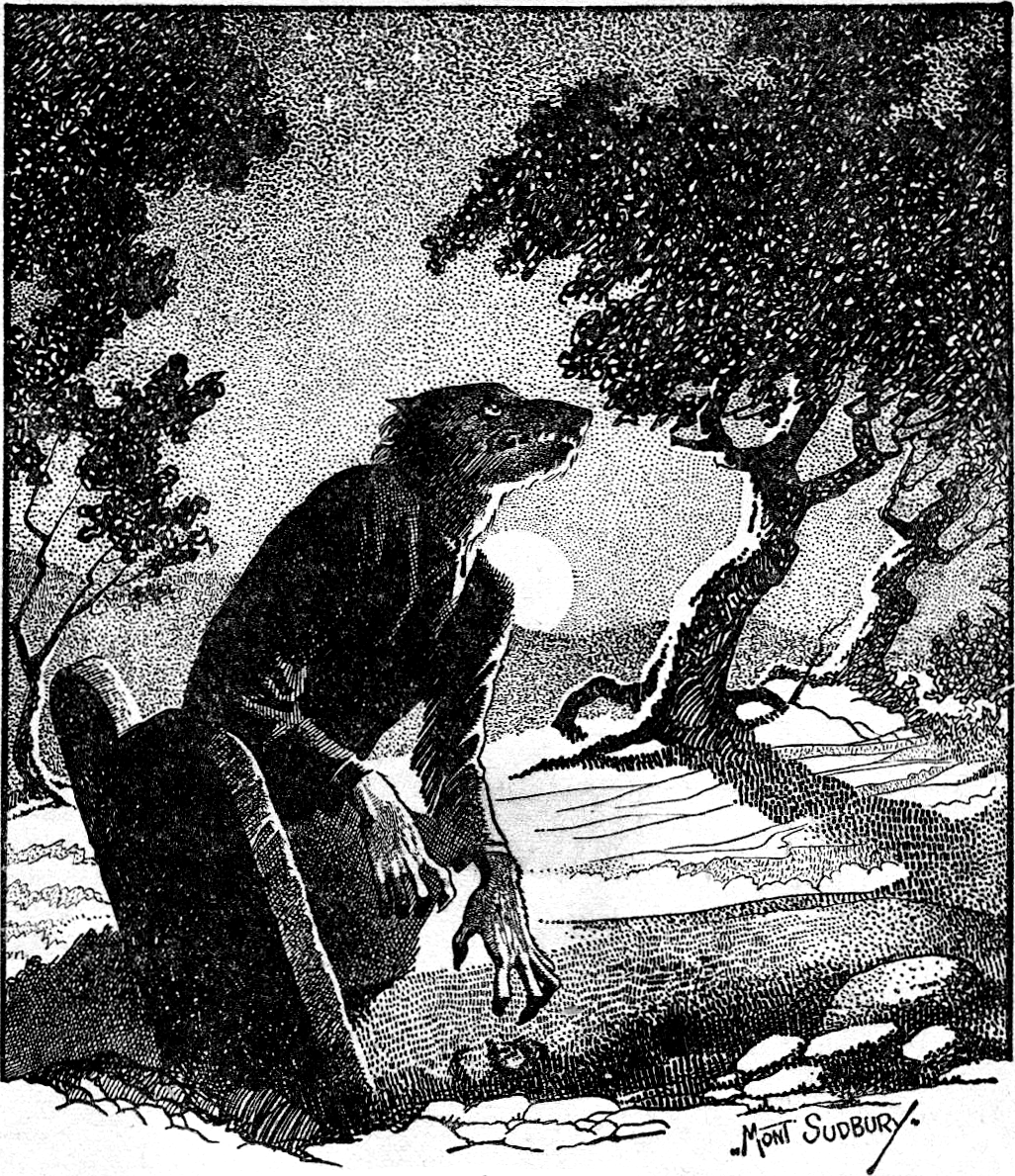 🇫🇷 France and 5 moreWerewolf
A mythical shapeshifter that turns into a wolf, central to European witch-hunts and Gothic horror.Being · Cursing and harm · Wonder and entertainment Legendary
🇫🇷 France and 5 moreWerewolf
A mythical shapeshifter that turns into a wolf, central to European witch-hunts and Gothic horror.Being · Cursing and harm · Wonder and entertainment Legendary
 🇪🇬 Egypt and 1 moreLilithלִילִית
A feminine figure from Mesopotamian and Jewish mythology, often depicted as a night demon or spirit.Being · Cursing and harm Legendary
🇪🇬 Egypt and 1 moreLilithלִילִית
A feminine figure from Mesopotamian and Jewish mythology, often depicted as a night demon or spirit.Being · Cursing and harm Legendary
 🇪🇬 EgyptCurse
A spoken wish for misfortune to befall a person or placeBelief · Cursing and harm · Luck and prosperity Historical
🇪🇬 EgyptCurse
A spoken wish for misfortune to befall a person or placeBelief · Cursing and harm · Luck and prosperity Historical