Verlioka
In its own language: Верлиока
from words meaning bulging or turning eyes
A cross-eyed monster from East Slavic folk tales
Verlioka is a creature from Russian and Ukrainian fairy tales collected in the nineteenth century. The stories describe a monster with bulging eyes who kills family members before being defeated by an old man aided by talking animals.
- Verlioka means 'with bulging eyes' in Ukrainian
- Classified as ATU 210* in folktale indexes
- Collected by Alexander Afanasyev in the 1850s
- Features an old man defeating a monster
- Includes variants from Russia, Ukraine, and Belarus
What it is
Verlioka is a figure from East Slavic fairy tales. It appears as a monster that attacks human families. The stories are classified under tale type ATU 210*. The creature is known for its distinctive physical appearance, which sets it apart from other mythical beings. These narratives were gathered by collectors in the mid-nineteenth century and remain part of the regional oral tradition.
Where it comes from
The tales originate from Russia, Ukraine, and Belarus. Alexander Afanasyev published the most famous collection in Narodnye russkie skazki between 1855 and 1863. Scholars note variations in where the stories were collected, with some sources pointing to Southern Russia and others to specific regions within Ukraine. The classification systems place the tale firmly within the East Slavic cultural sphere.
Verlioka, drawn and placed
- Living
- Revived
- Fading
- Historical
- Legendary
- Performed
- Lineage
- East Slavic folklore
Peoples and places
The stories belong to Russian, Ukrainian, and Belarusian traditions. There are multiple variants recorded across these regions. Some versions include specific linguistic features like the vocative case, suggesting local origins near Ukraine. Other accounts focus on different endings or characters, showing how the tale evolved in different communities while keeping the core plot of a monster attack.
At a glance: who, where and when
Who does it
How scholars and sceptics see it
Folklorists have analyzed the distribution and structure of Verlioka tales. Hans-Jörg Uther argues the type is mainly documented in Russia. Jack Haney considers it primarily East Slavic. Researchers have noted specific endings and grammatical markers that help trace the tales' geographic roots. The classification index helps scholars compare these stories with similar monster tales worldwide.
Questions people ask about Verlioka
What is a Verlioka?
It is a monster from East Slavic fairy tales. The name refers to someone with bulging or cross-eyed features. Stories describe it killing family members until an elder defeats it with help from animals.
Where do these stories come from?
They originate from Russia, Ukraine, and Belarus. Collectors gathered them in the nineteenth century. The tales are part of the broader East Slavic folk narrative tradition.
How is the name derived?
It comes from words meaning bulging eyes or turning eyes. Cognates exist in Belarusian, Serbian, and Russian dialects, all describing eye conditions or strange gazes.
Good reading and sources
The facts on this page come from the Wikipedia article "Verlioka", written by its contributors and used under the CC BY-SA 4.0 licence, and from its Wikidata record (CC0). EveryJaadu rewrote the text in its own words, with AI assistance, and compares every page with the article to make sure no passage is copied. It may be reused under the same CC BY-SA 4.0 licence with a link back.
It may contain mistakes. Names and customs differ from one community to the next, and some knowledge is closed to outsiders and left out here. This page describes belief and practice. It does not say that any of it works, it is not a how-to, and it is not medical advice. If something is wrong, tell us. Last refreshed 2026-10-07.
More from Russia
All the entries from Russia 🇷🇺 Russia and 4 moreRusalkaрусалка
A water spirit of Slavic folklore, often linked to drowned women and seasonal ritesBeing · Cursing and harm · Luck and prosperity Legendary
🇷🇺 Russia and 4 moreRusalkaрусалка
A water spirit of Slavic folklore, often linked to drowned women and seasonal ritesBeing · Cursing and harm · Luck and prosperity Legendary
 🇷🇺 RussiaKikimoraКикимора
A female house spirit in Slavic folklore that reflects the state of a home.Being · Cursing and harm · Protection Legendary
🇷🇺 RussiaKikimoraКикимора
A female house spirit in Slavic folklore that reflects the state of a home.Being · Cursing and harm · Protection Legendary
 🇨🇳 China and 5 moreRegional forms of shamanism
A global overview of indigenous spirit-interaction practices across Asia and the Americas.Tradition · Healing · Speaking with spirits and the dead Living
🇨🇳 China and 5 moreRegional forms of shamanism
A global overview of indigenous spirit-interaction practices across Asia and the Americas.Tradition · Healing · Speaking with spirits and the dead Living
 🇨🇳 China and 1 moreShamanism in the Qing dynasty
State-managed rituals of the Manchu rulers and their shamansTradition · Protection · Healing Historical
🇨🇳 China and 1 moreShamanism in the Qing dynasty
State-managed rituals of the Manchu rulers and their shamansTradition · Protection · Healing Historical
Related elsewhere
All figure 🇷🇸 Serbia and 5 moreVampire
An undead creature from folklore that feeds on the blood or life force of the livingBeing · Cursing and harm · Luck and prosperity Legendary
🇷🇸 Serbia and 5 moreVampire
An undead creature from folklore that feeds on the blood or life force of the livingBeing · Cursing and harm · Luck and prosperity Legendary
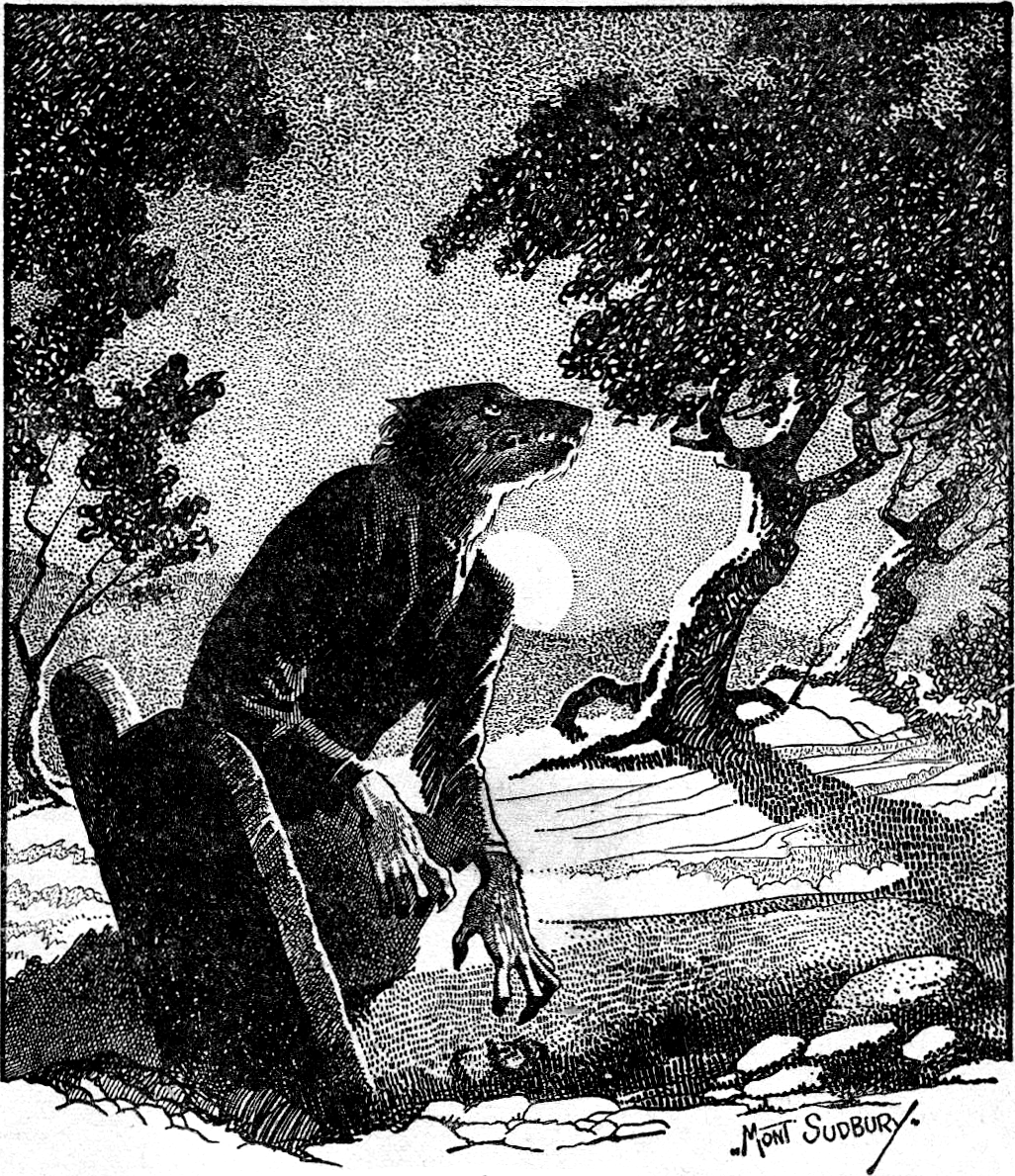 🇫🇷 France and 5 moreWerewolf
A mythical shapeshifter that turns into a wolf, central to European witch-hunts and Gothic horror.Being · Cursing and harm · Wonder and entertainment Legendary
🇫🇷 France and 5 moreWerewolf
A mythical shapeshifter that turns into a wolf, central to European witch-hunts and Gothic horror.Being · Cursing and harm · Wonder and entertainment Legendary
 🇪🇬 Egypt and 1 moreLilithלִילִית
A feminine figure from Mesopotamian and Jewish mythology, often depicted as a night demon or spirit.Being · Cursing and harm Legendary
🇪🇬 Egypt and 1 moreLilithלִילִית
A feminine figure from Mesopotamian and Jewish mythology, often depicted as a night demon or spirit.Being · Cursing and harm Legendary
 🇪🇬 EgyptCurse
A spoken wish for misfortune to befall a person or placeBelief · Cursing and harm · Luck and prosperity Historical
🇪🇬 EgyptCurse
A spoken wish for misfortune to befall a person or placeBelief · Cursing and harm · Luck and prosperity Historical