Seolmundae Halmang
In its own language: 설문대할망
A giant creator figure from Jeju Island who shaped the land and its volcanoes.
Seolmundae Halmang is a goddess in the mythology of Jeju Island. She is known for forming the island's landscape and volcanoes through giant actions. Her stories mix divine power with human traits like mortality.
- Created Jeju Island by pouring dirt from her skirt.
- Formed around 360 small volcanoes called oreum.
- Stories mention her as a daughter of the Jade Emperor.
- Died in various ways including drowning or falling into porridge.
- Appears in eighteenth-century texts like Pyohaerok.
What it is
Seolmundae Halmang serves as a central figure in the myths of Jeju Island. She is described as a creator who built the physical world of the region. Her tales blend high myth with tall story elements. People view her as both powerful and mortal. This mix makes her a unique character in Korean folklore. She stands out for her ability to shape the earth itself.
Where it comes from
The goddess appears in eighteenth-century texts like Pyohaerok and Tamnaji. Oral traditions likely predate these written records. One story claims she was a daughter of the Jade Emperor. She came to Earth against her parents' wishes to build Jeju. Another text mentions a similar deity named Seonma Seonpa. Scholars link this earlier name to Seolmundae Halmang.
How it is done
Legends say she formed the island by scooping dirt into her skirt. She poured this soil into the sea to create land. This action formed roughly three hundred sixty small volcanoes called oreum. She built Hallasan mountain by repeating this process. Other tales describe her punching holes in mountains to make craters. She also hung a lamp on a rock while sewing clothes.
Tools and materials
Her main tool was her chima, a traditional Korean skirt. She used it to carry earth across the ocean. A stone structure called Deunggyeongdol marks where she hung a lamp. These items highlight her domestic yet colossal nature. The dirt she moved became the foundation of the island.
Seolmundae Halmang, drawn and placed
- Living
- Revived
- Fading
- Historical
- Legendary
- Performed
- Lineage
- Jeju mythology
What it is for
Her stories explain the geological features of Jeju. They account for the many small volcanoes and large peaks. The tales also address why the island lacks a bridge to the mainland. She promised to build one if locals made her underwear. They failed, so the bridge remains unfinished. These myths provide a cultural explanation for the landscape.
Who does it
Scholars study her through ancient texts and oral histories. No living practitioners perform rituals specifically for her today. She is primarily a subject of folklore research. Her presence in Jeju shamanism is noted but not actively practiced in modern times.
Peoples and places
The Jeju people hold her stories as part of their heritage. These tales are specific to the island's identity. Mainland Korean mythology has different creator figures. The Jeju version emphasizes giant size and earth-shaping feats. This distinguishes it from other regional myths.
At a glance: who, where and when
What people believe
She is seen as a giantess whose body parts relate to the land. Her toes reached distant islands when she rested. Water never rose above her knees in any lake. Some legends say she had five hundred sons who turned into rocks after her death. These beliefs connect her physical form to the natural world.
How scholars and sceptics see it
Researchers analyze her role in Jeju shamanism and local history. Texts from the eighteenth century provide early evidence. Scholars note the blend of divine and human traits. This duality suggests a complex cultural evolution. The stories serve as both entertainment and historical record.
Compare and confuse
She is sometimes compared to Mago Halmi from the mainland. Both are female creator figures. However, Seolmundae Halmang is unique to Jeju. Her stories focus heavily on volcanic formation. This sets her apart from other Korean deities.
Today
Her legacy lives on in Jeju's cultural identity. Tourists visit sites linked to her legends. The myths remain a key part of local storytelling. Academic interest continues to grow regarding her origins.
Questions people ask about Seolmundae Halmang
Who is Seolmundae Halmang?
She is a creator goddess in Jeju Island mythology. She is believed to have shaped the island's landscape through giant actions.
How did she create the island?
Legends say she gathered dirt in her skirt and poured it into the sea. This formed the land and its many small volcanoes.
Where do her stories come from?
They appear in eighteenth-century texts and oral traditions. They are central to Jeju shamanism and local folklore.
Is she related to other Korean gods?
Some tales call her a daughter of the Jade Emperor. She is distinct from mainland figures like Mago Halmi.
Good reading and sources
The facts on this page come from the Wikipedia article "Seolmundae Halmang", written by its contributors and used under the CC BY-SA 4.0 licence, and from its Wikidata record (CC0). EveryJaadu rewrote the text in its own words, with AI assistance, and compares every page with the article to make sure no passage is copied. It may be reused under the same CC BY-SA 4.0 licence with a link back.
It may contain mistakes. Names and customs differ from one community to the next, and some knowledge is closed to outsiders and left out here. This page describes belief and practice. It does not say that any of it works, it is not a how-to, and it is not medical advice. If something is wrong, tell us. Last refreshed 2026-10-07.
More from South Korea
All the entries from South Korea 🇨🇳 China and 2 moreThree-legged crow三足烏
A mythological bird representing the sun in East Asian traditionsFigure · Power and authority · Luck and prosperity Legendary
🇰🇷 South KoreaGangcheori강철이
A fire-breathing dragon from Korean folklore that scorches the land in its wakeFigure · Cursing and harm Legendary
🇨🇳 China and 2 moreThree-legged crow三足烏
A mythological bird representing the sun in East Asian traditionsFigure · Power and authority · Luck and prosperity Legendary
🇰🇷 South KoreaGangcheori강철이
A fire-breathing dragon from Korean folklore that scorches the land in its wakeFigure · Cursing and harm Legendary
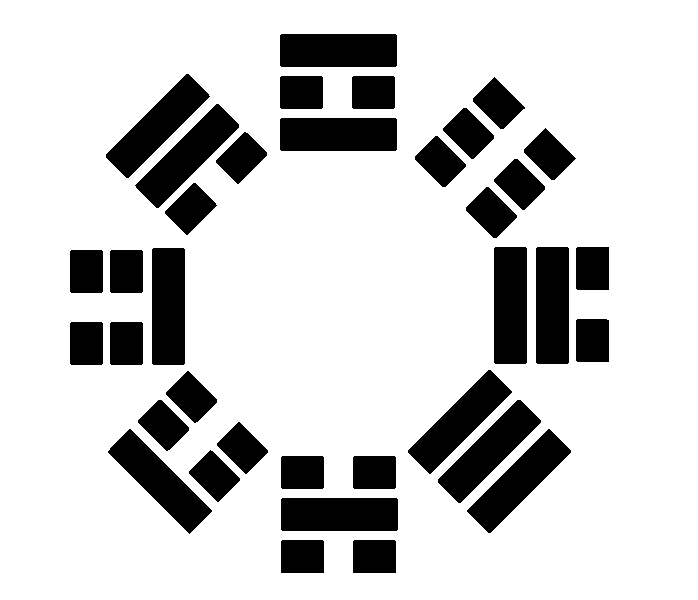 🇨🇳 China and 1 moreBagua八卦
A set of eight trigram symbols from China used in divination, cosmology, and feng shui.Tradition · Seeing and foretelling · Protection Living
🇨🇳 China and 1 moreBagua八卦
A set of eight trigram symbols from China used in divination, cosmology, and feng shui.Tradition · Seeing and foretelling · Protection Living
Related elsewhere
All figure 🇬🇧 United Kingdom and 2 moreKing ArthurBrenin Arthur
A legendary British king and folk hero of medieval literature and Welsh mythologyFigure · Power and authority · Wonder and entertainment Legendary
🇬🇧 United Kingdom and 2 moreKing ArthurBrenin Arthur
A legendary British king and folk hero of medieval literature and Welsh mythologyFigure · Power and authority · Wonder and entertainment Legendary
 🇪🇬 Egypt and 1 moreSphinx
A mythical hybrid with a human head and lion body, serving as guardian or riddler in Egyptian and Greek traditions.Being · Protection · Wonder and entertainment Legendary
🇪🇬 Egypt and 1 moreSphinx
A mythical hybrid with a human head and lion body, serving as guardian or riddler in Egyptian and Greek traditions.Being · Protection · Wonder and entertainment Legendary
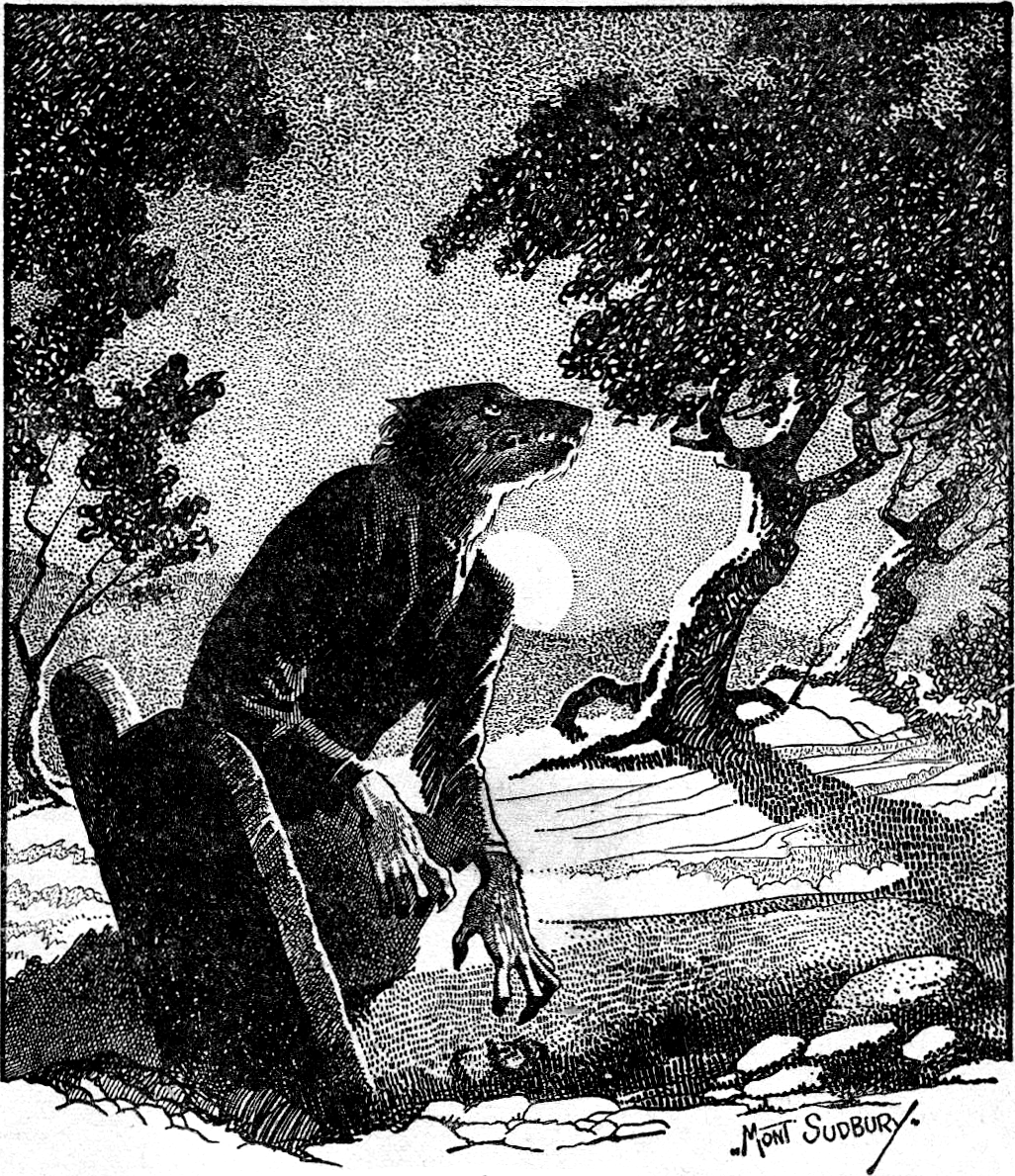 🇫🇷 France and 5 moreWerewolf
A mythical shapeshifter that turns into a wolf, central to European witch-hunts and Gothic horror.Being · Cursing and harm · Wonder and entertainment Legendary
🇫🇷 France and 5 moreWerewolf
A mythical shapeshifter that turns into a wolf, central to European witch-hunts and Gothic horror.Being · Cursing and harm · Wonder and entertainment Legendary
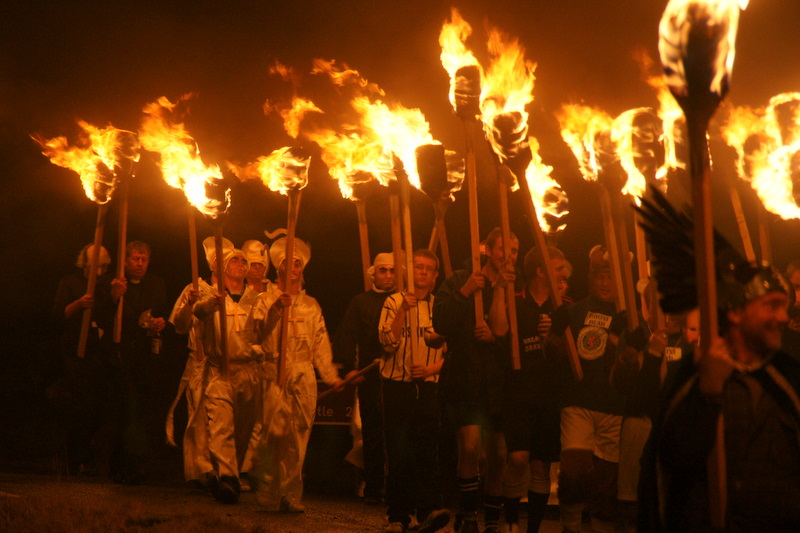 🇬🇧 United KingdomUp Helly Aa
A Shetland fire festival marking the end of Yule with a torchlit procession and burning of a Viking galleyRite · Wonder and entertainment Living
🇬🇧 United KingdomUp Helly Aa
A Shetland fire festival marking the end of Yule with a torchlit procession and burning of a Viking galleyRite · Wonder and entertainment Living