Luck and prosperity
Charms for fortune, success, a good harvest and a safe journey.
Luck magic aims at fortune, success, wealth and a safe passage. People keep lucky charms, perform money rites, pour offerings to a god of wealth, and avoid unlucky days. Examples include the Chinese lucky cat and the red packet, the Japanese daruma doll, the Indian worship of Lakshmi at Diwali, the European four-leaf clover and horseshoe, and the Hoodoo mojo bag. This page looks at what luck means and who profits from it.
Ideas of luck
Cultures differ on what luck is. In China, fortune is tied to fate, timing and the placement of objects, giving rise to feng shui and the choice of lucky numbers. In West Africa, success is linked to a person's destiny and the help of the orisha or ancestors. In Europe, luck came to be seen as chance, with charms to tilt it. Many societies see wealth as shared and fear that good fortune attracts envy. Merchants, farmers, gamblers and students are the usual customers, and the amounts asked of them range from a coin to a lifetime of savings.
Customs
Customs are domestic and mostly small. Merchants in Taiwan and China burn paper offerings and put out fruit at the start of the month. Fishers and sailors keep charms and avoid certain words. Gamblers, students and athletes have habits they will not break. Many rites involve giving something away, since reciprocity is thought to keep fortune moving. Lucky days are often chosen by calendar or astrologer, so that a shop opens, a wedding is held or a journey begins on a favourable date.
Schemes and scams
Luck is easy to sell. Lottery charms, gemstone bracelets and sellers who promise riches for a fee make money from hope. Fraud involving fake spiritualists who say a client's money is cursed and must be handed over is documented in many countries. Playing games of chance with charms may feel harmless, but anyone struggling with gambling should seek real help. Some wealth rites are public and religious, as with Diwali lamps for Lakshmi and the Lunar New Year offerings to the god of wealth, and some are private and quiet.
Scholars and sceptics
Psychologists have found that carrying a lucky charm can raise confidence and performance in some tasks, without changing the odds of chance. Economists study the role of luck in success. Religious authorities differ: some see lucky objects as idolatry, others as harmless custom, and prosperity churches around the world teach a faith-based version of the same hope. Those who struggle with debt or gambling harm should look for practical advice, since a charm does not change the odds or pay the bills.
Luck and prosperity on EveryJaadu
The entries written up so far, best known first.
 🇳🇬 Nigeria and 2 moreOdinaniỌdịnanị
The traditional belief system of the Igbo people in NigeriaTradition · Protection · Speaking with spirits and the dead Living
🇳🇬 Nigeria and 2 moreOdinaniỌdịnanị
The traditional belief system of the Igbo people in NigeriaTradition · Protection · Speaking with spirits and the dead Living
 🇬🇧 United KingdomWassail
A hot spiced drink and the twelfth-night customs of singing to trees or visiting homes for giftsTradition · Luck and prosperity · Protection Living
🇬🇧 United KingdomWassail
A hot spiced drink and the twelfth-night customs of singing to trees or visiting homes for giftsTradition · Luck and prosperity · Protection Living
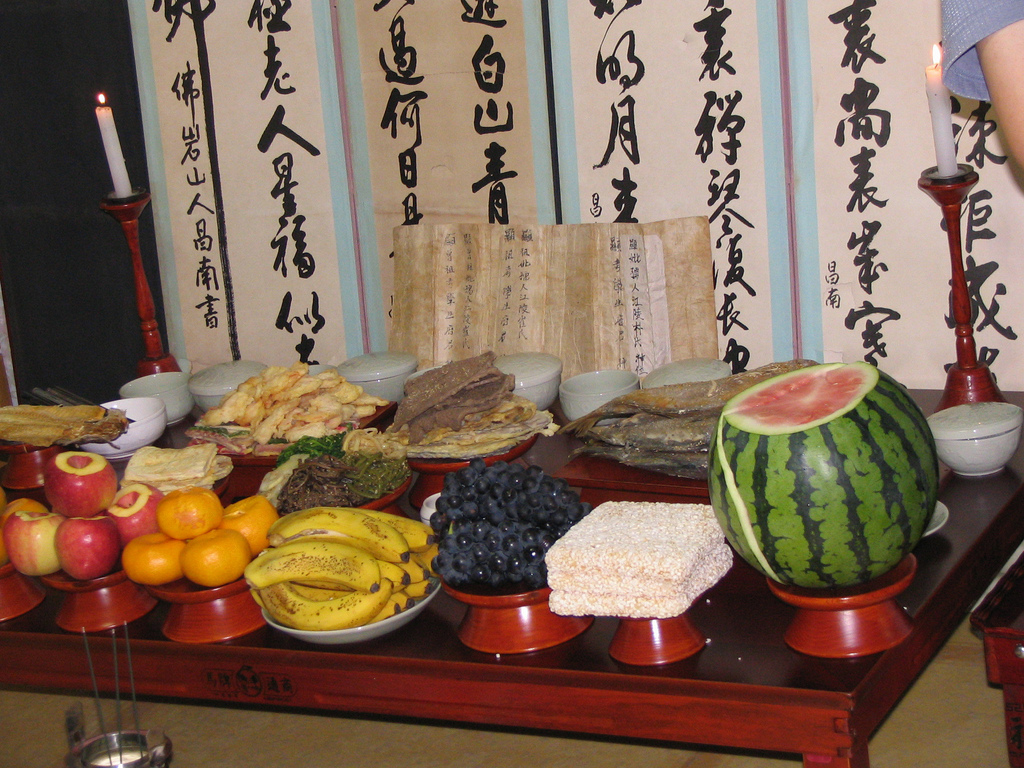 🇰🇷 South KoreaJesa제사
A Korean ancestral memorial rite involving food offerings and ritual bowsRite · Speaking with spirits and the dead · Luck and prosperity Living
🇰🇷 South KoreaJesa제사
A Korean ancestral memorial rite involving food offerings and ritual bowsRite · Speaking with spirits and the dead · Luck and prosperity Living
 🇮🇪 Ireland and 1 moreBeltaneBealtaine
A Gaelic festival marking the start of summer with protective bonfires and livestock ritualsTradition · Protection · Luck and prosperity Revived
🇮🇪 Ireland and 1 moreBeltaneBealtaine
A Gaelic festival marking the start of summer with protective bonfires and livestock ritualsTradition · Protection · Luck and prosperity Revived
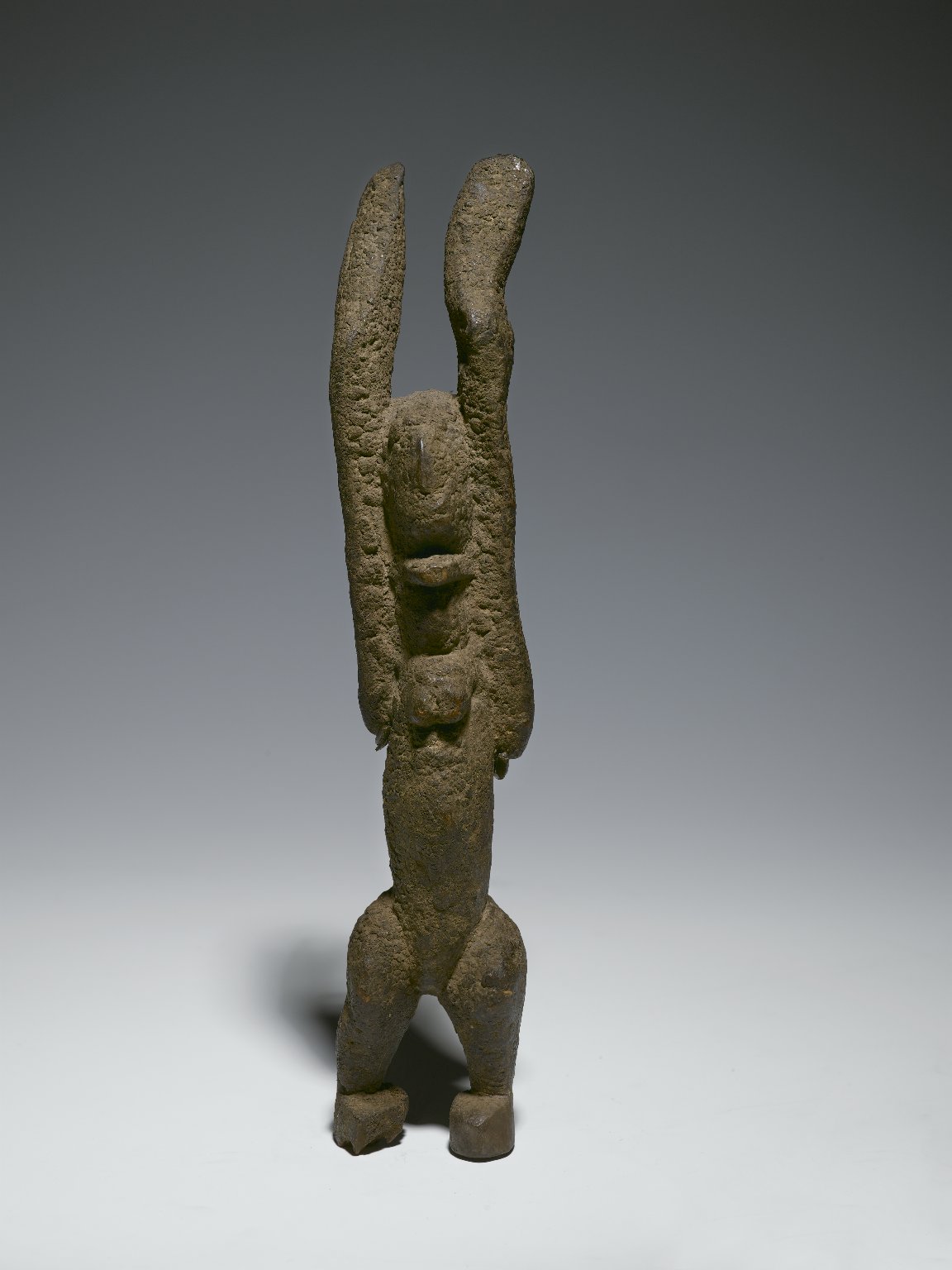 🇲🇱 MaliDogon religion
The traditional spiritual beliefs of the Dogon people of MaliTradition · Protection · Speaking with spirits and the dead Living
🇲🇱 MaliDogon religion
The traditional spiritual beliefs of the Dogon people of MaliTradition · Protection · Speaking with spirits and the dead Living
 🇻🇺 Vanuatu and 5 moreKava culture
A shared ritual across Oceania where a root brew marks ceremony, respect, and social gathering.Tradition · Speaking with spirits and the dead · Luck and prosperity Living
🇸🇸 South Sudan and 1 moreDinka religion
The traditional animist and creator-based faith of the Dinka people of South SudanTradition · Protection · Healing Living
🇻🇺 Vanuatu and 5 moreKava culture
A shared ritual across Oceania where a root brew marks ceremony, respect, and social gathering.Tradition · Speaking with spirits and the dead · Luck and prosperity Living
🇸🇸 South Sudan and 1 moreDinka religion
The traditional animist and creator-based faith of the Dinka people of South SudanTradition · Protection · Healing Living
 🇲🇽 Mexico and 5 moreDay of the DeadDía de los Muertos
A Mexican holiday honoring the dead with altars, food, and humor during Allhallowtide.Tradition · Speaking with spirits and the dead · Luck and prosperity Living
🇲🇽 Mexico and 5 moreDay of the DeadDía de los Muertos
A Mexican holiday honoring the dead with altars, food, and humor during Allhallowtide.Tradition · Speaking with spirits and the dead · Luck and prosperity Living
 🇹🇭 ThailandYi Pengยี่เป็ง
A northern Thai festival of lights featuring sky lanterns and Buddhist merit-makingTradition · Speaking with spirits and the dead · Luck and prosperity Living
🇹🇭 ThailandYi Pengยี่เป็ง
A northern Thai festival of lights featuring sky lanterns and Buddhist merit-makingTradition · Speaking with spirits and the dead · Luck and prosperity Living
 🇮🇹 Italy and 3 moreSaturnalia
An ancient Roman winter festival of role reversal and feasting in honor of SaturnTradition · Luck and prosperity · Wonder and entertainment Historical
🇮🇹 Italy and 3 moreSaturnalia
An ancient Roman winter festival of role reversal and feasting in honor of SaturnTradition · Luck and prosperity · Wonder and entertainment Historical
 🇵🇪 Peru and 1 moreQuyllurit'iQoyllur Rit'i
A syncretic Andean pilgrimage celebrating the Pleiades and the Lord of Star SnowTradition · Protection · Healing Living
🇵🇪 Peru and 1 moreQuyllurit'iQoyllur Rit'i
A syncretic Andean pilgrimage celebrating the Pleiades and the Lord of Star SnowTradition · Protection · Healing Living
 🇨🇱 Chile and 1 moreMapuche religion
The traditional spiritual practice of the Mapuche people of Chile and ArgentinaTradition · Protection · Healing Living
🇨🇱 Chile and 1 moreMapuche religion
The traditional spiritual practice of the Mapuche people of Chile and ArgentinaTradition · Protection · Healing Living
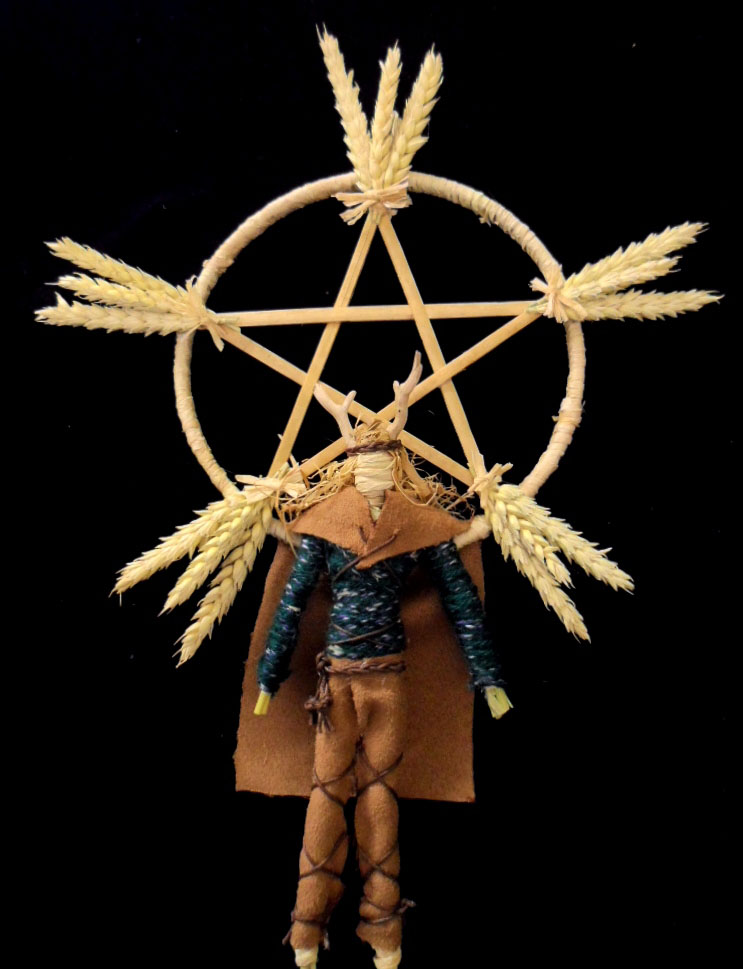 🇮🇪 Ireland and 1 moreLughnasadhLúnasa
A Gaelic harvest festival marking the beginning of the grain gathering seasonTradition · Luck and prosperity · Speaking with spirits and the dead Living
🇮🇪 Ireland and 1 moreLughnasadhLúnasa
A Gaelic harvest festival marking the beginning of the grain gathering seasonTradition · Luck and prosperity · Speaking with spirits and the dead Living
 🇬🇹 Guatemala and 1 moreMaya calendar
A system of timekeeping used by ancient and modern Maya communities to track days, years, and historical cycles.Tradition · Seeing and foretelling · Luck and prosperity Living
🇬🇹 Guatemala and 1 moreMaya calendar
A system of timekeeping used by ancient and modern Maya communities to track days, years, and historical cycles.Tradition · Seeing and foretelling · Luck and prosperity Living
 🇲🇽 Mexico and 5 moreSanta MuerteNuestra Señora de la Santa Muerte
A female skeletal folk saint in Mexico and the Americas, worshipped for protection, healing, and safe passage.Tradition · Protection · Healing Living
🇲🇽 Mexico and 5 moreSanta MuerteNuestra Señora de la Santa Muerte
A female skeletal folk saint in Mexico and the Americas, worshipped for protection, healing, and safe passage.Tradition · Protection · Healing Living
 🇦🇹 Austria and 3 morePerchtaPercht
A Alpine goddess of winter who rewards diligence and punishes laziness during the twelve days after Christmas.Being · Luck and prosperity · Cursing and harm Revived
🇦🇹 Austria and 3 morePerchtaPercht
A Alpine goddess of winter who rewards diligence and punishes laziness during the twelve days after Christmas.Being · Luck and prosperity · Cursing and harm Revived
 🇮🇷 Iran and 7 moreNowruzنوروز
A spring equinox festival marking the new year across Persianate culturesTradition · Luck and prosperity · Cleansing and purification Living
🇫🇷 France and 4 moreRéveillon
A long Christmas or New Year's Eve dinner held to stay awake until morningTradition · Luck and prosperity · Wonder and entertainment Living
🇮🇷 Iran and 7 moreNowruzنوروز
A spring equinox festival marking the new year across Persianate culturesTradition · Luck and prosperity · Cleansing and purification Living
🇫🇷 France and 4 moreRéveillon
A long Christmas or New Year's Eve dinner held to stay awake until morningTradition · Luck and prosperity · Wonder and entertainment Living
 🇦🇷 Argentina and 2 moreSan La Muerte
A skeletal folk saint venerated in South America for protection and favorsTradition · Protection · Healing Living
🇳🇿 New ZealandKarakia
Māori recitations used for spiritual guidance, protection, and formal greetingsTradition · Protection · Speaking with spirits and the dead Living
🇦🇷 Argentina and 2 moreSan La Muerte
A skeletal folk saint venerated in South America for protection and favorsTradition · Protection · Healing Living
🇳🇿 New ZealandKarakia
Māori recitations used for spiritual guidance, protection, and formal greetingsTradition · Protection · Speaking with spirits and the dead Living
 🇹🇷 Turkey and 1 moreTurkish folkloreTürk halk kültürü
A rich body of oral tales, jokes, and rituals from Turkey and the Turkic worldTradition · Protection · Healing Living
🇹🇷 Turkey and 1 moreTurkish folkloreTürk halk kültürü
A rich body of oral tales, jokes, and rituals from Turkey and the Turkic worldTradition · Protection · Healing Living
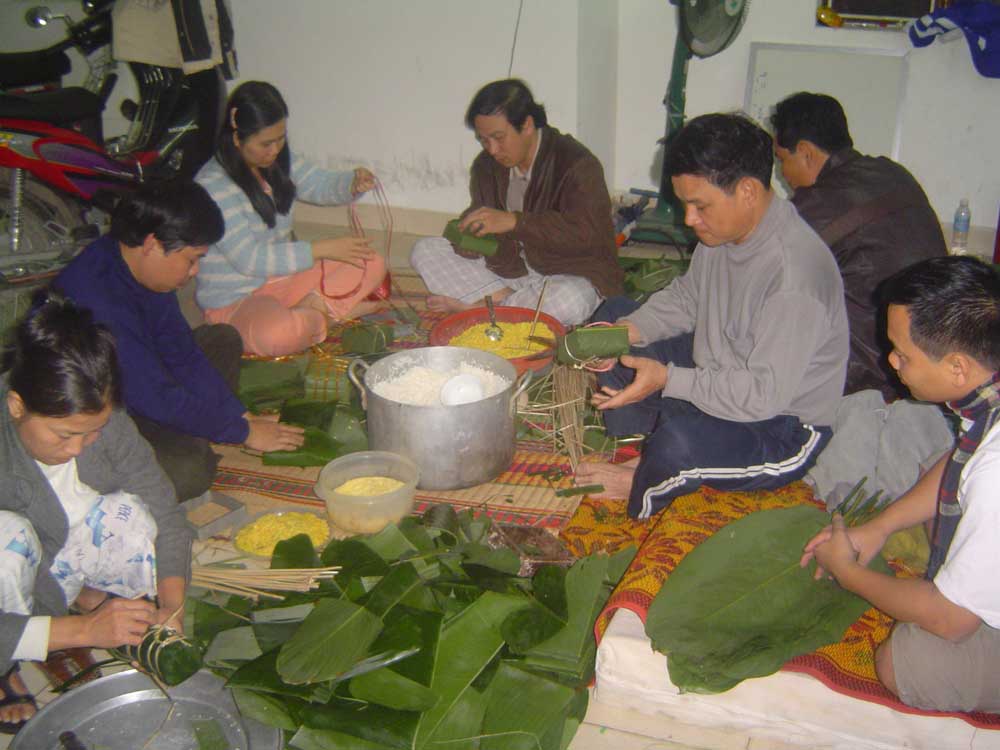 🇻🇳 Vietnam and 5 moreTếtTết Nguyên Đán
The Vietnamese lunisolar new year and the most important annual celebration in VietnamTradition · Luck and prosperity · Speaking with spirits and the dead Living
🇻🇳 Vietnam and 5 moreTếtTết Nguyên Đán
The Vietnamese lunisolar new year and the most important annual celebration in VietnamTradition · Luck and prosperity · Speaking with spirits and the dead Living
 🇵🇪 Peru and 5 morePalo Santo
Aromatic wood used in South American ritual cleansing and folk medicineSubstance · Cleansing and purification · Healing Living
🇵🇪 Peru and 5 morePalo Santo
Aromatic wood used in South American ritual cleansing and folk medicineSubstance · Cleansing and purification · Healing Living
 🇮🇳 India and 1 moreRangoliरंगोली
Floor art made with coloured powders and flowers to welcome guests and deitiesTradition · Protection · Luck and prosperity Living
🇮🇳 India and 1 moreRangoliरंगोली
Floor art made with coloured powders and flowers to welcome guests and deitiesTradition · Protection · Luck and prosperity Living
 🇺🇸 United States and 1 moreOjibwe religion
The traditional spiritual practices of the Ojibwe people of North AmericaTradition · Healing · Luck and prosperity Living
🇺🇸 United States and 1 moreOjibwe religion
The traditional spiritual practices of the Ojibwe people of North AmericaTradition · Healing · Luck and prosperity Living
 🇬🇧 United Kingdom and 1 moreWell dressing
A rural English custom of decorating water sources with natural designsTradition · Protection · Speaking with spirits and the dead Living
🇬🇧 United Kingdom and 1 moreWell dressing
A rural English custom of decorating water sources with natural designsTradition · Protection · Speaking with spirits and the dead Living
 🇸🇳 Senegal and 5 moreAncestor veneration
Rituals of respect and offerings for the dead across many culturesTradition · Protection · Speaking with spirits and the dead Living
🇸🇳 Senegal and 5 moreAncestor veneration
Rituals of respect and offerings for the dead across many culturesTradition · Protection · Speaking with spirits and the dead Living
 🇯🇵 Japan and 1 moreAinu religion
The animist spiritual beliefs and ritual practices of the Ainu people of Japan and RussiaTradition · Protection · Speaking with spirits and the dead Living
🇯🇵 Japan and 1 moreAinu religion
The animist spiritual beliefs and ritual practices of the Ainu people of Japan and RussiaTradition · Protection · Speaking with spirits and the dead Living
 🇬🇷 Greece and 5 moreCrossroads (folklore)
A junction between worlds where spirits are met and deals are madeBelief · Speaking with spirits and the dead · Cursing and harm Living
🇬🇷 Greece and 5 moreCrossroads (folklore)
A junction between worlds where spirits are met and deals are madeBelief · Speaking with spirits and the dead · Cursing and harm Living
 🇮🇳 IndiaAkshaya Tritiyaअक्षय तृतीया
A Hindu and Jain spring festival marking a day of inexhaustible merit and new beginnings.Tradition · Luck and prosperity · Protection Living
🇮🇳 IndiaAkshaya Tritiyaअक्षय तृतीया
A Hindu and Jain spring festival marking a day of inexhaustible merit and new beginnings.Tradition · Luck and prosperity · Protection Living
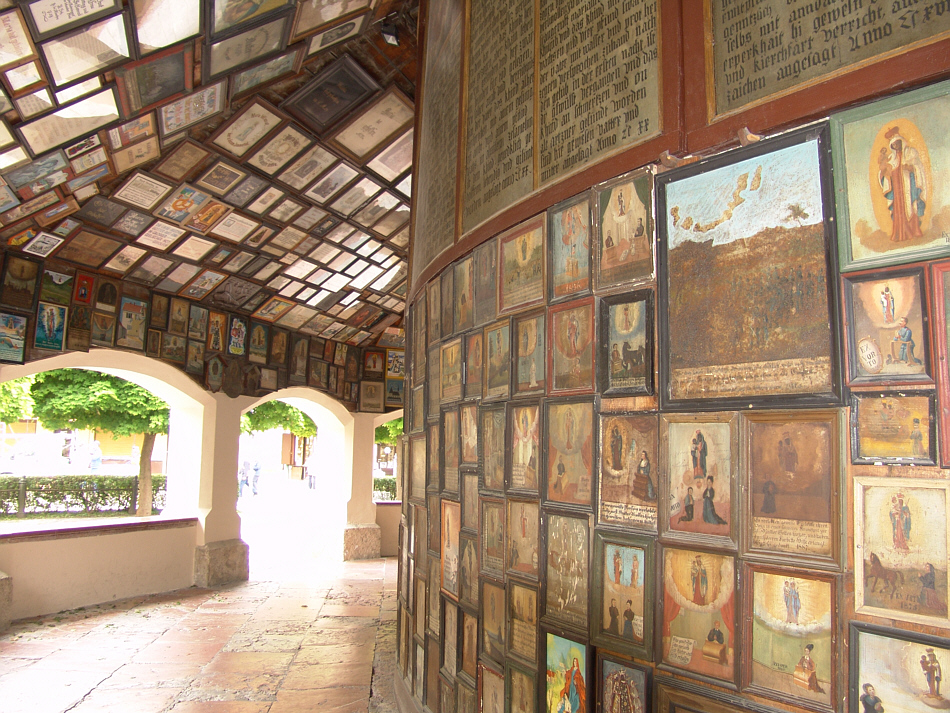 🇬🇷 Greece and 5 moreVotive offering
Objects left in sacred places to honor a deity or fulfill a vow, never to be recovered.Tradition · Protection · Healing Living
🇬🇷 Greece and 5 moreVotive offering
Objects left in sacred places to honor a deity or fulfill a vow, never to be recovered.Tradition · Protection · Healing Living
 🇮🇷 Iran and 4 moreChaharshanbe Suriچهارشنبهسوری
An Iranian fire festival marking the transition from winter to springTradition · Luck and prosperity · Speaking with spirits and the dead Living
🇮🇷 Iran and 4 moreChaharshanbe Suriچهارشنبهسوری
An Iranian fire festival marking the transition from winter to springTradition · Luck and prosperity · Speaking with spirits and the dead Living
 🇳🇬 NigeriaOsun-Osogbo Sacred GroveOsun-Osogbo
A sacred forest in Nigeria dedicated to the river goddess Osun, celebrated with an annual festival.Tradition · Speaking with spirits and the dead · Protection Living
🇳🇬 NigeriaOsun-Osogbo Sacred GroveOsun-Osogbo
A sacred forest in Nigeria dedicated to the river goddess Osun, celebrated with an annual festival.Tradition · Speaking with spirits and the dead · Protection Living
 🇲🇽 MexicoAztec religion
The polytheistic and monistic belief system of the Aztec Empire in central MexicoTradition · Protection · Luck and prosperity Historical
🇲🇽 MexicoAztec religion
The polytheistic and monistic belief system of the Aztec Empire in central MexicoTradition · Protection · Luck and prosperity Historical
 🇺🇸 United States and 1 moreBarnstar
A painted or carved star used to decorate barns in parts of the United States and Canada.Charm · Luck and prosperity · Wonder and entertainment Living
🇺🇸 United States and 1 moreBarnstar
A painted or carved star used to decorate barns in parts of the United States and Canada.Charm · Luck and prosperity · Wonder and entertainment Living
 🇱🇦 Laos and 3 moreTai folk religionສາສະໜາຜີ
Spirits, ancestor rites, and soul-calling ceremonies of the Tai peoplesTradition · Protection · Healing Living
🇱🇦 Laos and 3 moreTai folk religionສາສະໜາຜີ
Spirits, ancestor rites, and soul-calling ceremonies of the Tai peoplesTradition · Protection · Healing Living
 🇨🇺 Cuba and 1 moreHaitian Vodou in CubaVodú Haitiano
A Caribbean religious tradition brought by migrants and maintained in eastern CubaTradition · Speaking with spirits and the dead · Protection Living
🇨🇺 Cuba and 1 moreHaitian Vodou in CubaVodú Haitiano
A Caribbean religious tradition brought by migrants and maintained in eastern CubaTradition · Speaking with spirits and the dead · Protection Living
 🇩🇪 Germany and 4 moreAnimal TarotTiertarock
A family of playing card decks featuring animal imagery instead of traditional tarot scenesTradition · Luck and prosperity Living
🇩🇪 Germany and 4 moreAnimal TarotTiertarock
A family of playing card decks featuring animal imagery instead of traditional tarot scenesTradition · Luck and prosperity Living
 🇨🇳 ChinaBenzhuism本主教
The indigenous patron worship of the Bai people in Yunnan, ChinaTradition · Protection · Healing Living
🇲🇱 MaliBinouba-binu
A secret Dogon order honoring ancestors through totemic animals and ritual sacrifice in Mali.Tradition · Protection · Speaking with spirits and the dead Living
🇷🇴 Romania and 5 moreMărțișor
A red and white string charm worn in early spring to welcome the seasonTradition · Protection · Luck and prosperity Living
🇨🇳 ChinaBenzhuism本主教
The indigenous patron worship of the Bai people in Yunnan, ChinaTradition · Protection · Healing Living
🇲🇱 MaliBinouba-binu
A secret Dogon order honoring ancestors through totemic animals and ritual sacrifice in Mali.Tradition · Protection · Speaking with spirits and the dead Living
🇷🇴 Romania and 5 moreMărțișor
A red and white string charm worn in early spring to welcome the seasonTradition · Protection · Luck and prosperity Living
 🇺🇸 United StatesQuviasukvikᖁᕕᐊᓲᑎᖃᕐᕕᒃ
An Arctic festival marking the new year with sunrise rituals and community gatherings.Tradition · Luck and prosperity · Speaking with spirits and the dead Living
🇺🇸 United StatesQuviasukvikᖁᕕᐊᓲᑎᖃᕐᕕᒃ
An Arctic festival marking the new year with sunrise rituals and community gatherings.Tradition · Luck and prosperity · Speaking with spirits and the dead Living
 🇯🇵 Japan and 1 moreChain letterFukou no Tegami
A message that demands copying and forwarding to avoid bad luck or gain fortuneBelief · Luck and prosperity · Cursing and harm Historical
🇯🇵 Japan and 1 moreChain letterFukou no Tegami
A message that demands copying and forwarding to avoid bad luck or gain fortuneBelief · Luck and prosperity · Cursing and harm Historical
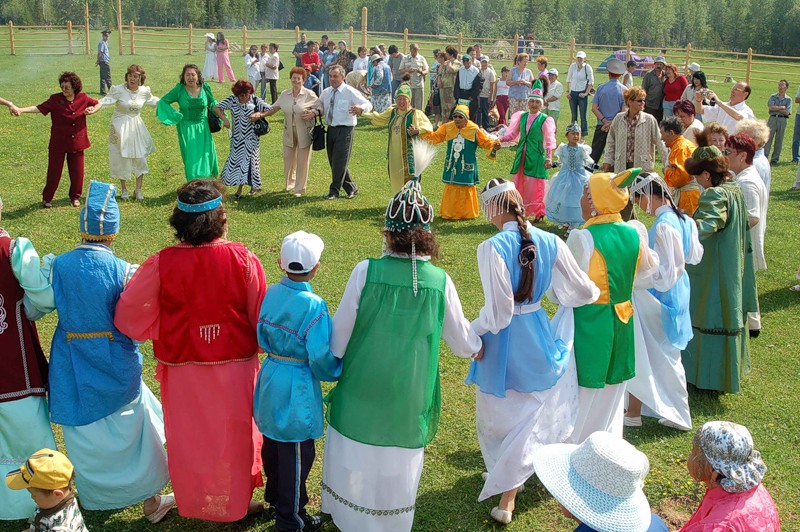 🇷🇺 RussiaYhyakhЫһыах
A summer solstice festival of the Sakha people marking the new year and nature's returnTradition · Luck and prosperity · Speaking with spirits and the dead Living
🇷🇺 RussiaYhyakhЫһыах
A summer solstice festival of the Sakha people marking the new year and nature's returnTradition · Luck and prosperity · Speaking with spirits and the dead Living
 🇺🇸 United StatesMarmot Day
An Alaskan holiday celebrating local marmots and frontier culture, replacing Groundhog Day.Tradition · Luck and prosperity · Wonder and entertainment Living
🇺🇸 United StatesMarmot Day
An Alaskan holiday celebrating local marmots and frontier culture, replacing Groundhog Day.Tradition · Luck and prosperity · Wonder and entertainment Living
 🇳🇵 Nepal and 1 moreKiratism
The indigenous animist and shamanic religion of the Kirati peoples in Nepal and IndiaTradition · Protection · Speaking with spirits and the dead Living
🇳🇵 Nepal and 1 moreKiratism
The indigenous animist and shamanic religion of the Kirati peoples in Nepal and IndiaTradition · Protection · Speaking with spirits and the dead Living
 🇩🇿 AlgeriaMawsimموسم
Annual Maghrebi festival blending Sufi veneration with social and economic gatheringTradition · Speaking with spirits and the dead · Luck and prosperity Living
🇩🇿 AlgeriaMawsimموسم
Annual Maghrebi festival blending Sufi veneration with social and economic gatheringTradition · Speaking with spirits and the dead · Luck and prosperity Living
 🇭🇹 HaitiHaitian CarnivalKanaval
A major Caribbean festival of music, dance, and satire leading to Mardi Gras in HaitiTradition · Wonder and entertainment · Luck and prosperity Living
🇭🇹 HaitiHaitian CarnivalKanaval
A major Caribbean festival of music, dance, and satire leading to Mardi Gras in HaitiTradition · Wonder and entertainment · Luck and prosperity Living
Photo credits on this page
The small pictures above come from Wikimedia Commons under free licences. Some are cropped to fit.
- Barnstar: Una Smith, CC BY-SA 4.0, source
- Yhyakh: Humano92, Public domain, source
- Tai folk religion: ( เทวประภาส มากคล้าย ), Tevaprapas, Public domain, source
- Quviasukvik: Jodie Wilson, CC BY 2.0, source
- Animal Tarot: Cards: anonymous; Photo: Andreas Praefcke, Public domain, source
- Folk saint: Sergio Serrano, CC BY-SA 2.0, source
- Odinani: Northcote Whitridge Thomas, Public domain, source
- Wassail: Joss Smithson, CC BY-SA 2.0, source
- Jesa: by Joseph Steinberg (Baltimoron in Korea) at Flickr, CC BY-SA 2.0, source
- Beltane: Stefan Schäfer, Lich, CC BY-SA 3.0, source
- Dogon religion: Unknown author, CC BY 3.0, source
- Kava culture: Jaejay77, CC BY-SA 4.0, source
- Day of the Dead: RubeHM, CC BY-SA 4.0, source
- Yi Peng: Takeaway, CC BY-SA 3.0, source
- Haitian Vodou in Cuba: Dr. Anthony R. Picciolo, NOAA NODC, Public domain, source
- Saturnalia: Themadchopper, Antoine-François Callet, CC0, source
- Quyllurit'i: AgainErick, CC BY-SA 3.0, source
- Mapuche religion: Gary Todd, CC0, source
- Lughnasadh: Mountainash333, CC BY-SA 3.0, source
- Maya calendar: MBisanz, CC BY-SA 3.0, source
- Santa Muerte: Not home, Public domain, source
- Kiratism: TheDreamSky ( talk ), CC BY 3.0, source
- Benzhuism: G41rn8, CC BY-SA 4.0, source
- Perchta: Holger Uwe Schmitt, CC BY-SA 4.0, source
- Haitian Carnival: User:Doron, CC BY-SA 3.0, source
- Nowruz: Katzenfee50, CC0, source
- Turkish folklore: Biser Todorov, CC BY-SA 4.0, source
- Tết: vi:Lưu Ly, Public domain, source
- Palo Santo: Haplochromis, CC BY-SA 3.0, source
- Chain letter: Alpha, CC BY-SA 2.0, source
- Marmot Day: Colin Canterbury/USFWS, Public domain, source
- Mawsim: Beghdadi Walid, CC BY-SA 4.0, source
- Rangoli: SreeramKalyan, CC0, source
- Ojibwe religion: Ryan Hodnett, CC BY-SA 4.0, source
- Well dressing: User:WhaleyTim, CC BY-SA 3.0, source
- Ancestor veneration: Thang Nguyen, CC BY-SA 2.0, source
- Ainu religion: Unknown author, Public domain, source
- Crossroads (folklore): MiddleOfAfrica, CC BY-SA 4.0, source
- Akshaya Tritiya: Fgndgndgnr, CC BY-SA 4.0, source
- Votive offering: Walter J. Pilsak, Waldsassen ( W.J.Pilsak at de.wikipedia ), CC BY-SA 3.0, source
- Chaharshanbe Suri: Philippe Giabbanelli, CC BY 3.0, source
- Osun-Osogbo Sacred Grove: Cheeka 2.0, CC BY-SA 4.0, source
- Aztec religion: Unknown author, Public domain, source