Healing
Folk and spiritual healing, said as tradition and never as medical advice.
Traditional healing joins remedy, ritual and relationship. Healers of many kinds are said to treat the body, the family and the spirit together: the curandero in Mexico and the Andes, the sangoma in southern Africa, the hakim in the Islamic world, the Ayurvedic vaidya, the Korean mudang and the Siberian shaman. This page describes these as traditions, not as medical advice. Illness needs real medical care. Healing is also the intent most often exploited, so the page states its limits plainly.
How tradition frames illness
Many traditions treat illness as a matter of balance, relationship or disturbance, not only of the body. A sickness may be linked to an offended ancestor, a broken taboo, soul loss, envy, or a spirit. Treatment therefore includes consultation, confession, offerings, cleansing and a family gathering. Healers describe the aim as restoring a person's place in the community. Examples include the sweating, singing and plant rites of the Americas, the chanting and massage of Southeast Asia, and the Ayurvedic and Unani systems of South Asia, each with its own theory and texts.
Healers and training
Healers are called, apprenticed or hereditary. A sangoma is described as called by ancestors, often after an illness, and trained under a senior. In many places, healers are women, midwives and elders, whose standing does not come from a licensed degree. Governments have set up registers: South Africa recognised traditional health practitioners by law in 2007, and India supports Ayurveda through its AYUSH ministry. The ritual side is often described as being as important as the remedy, since attention, ceremony and support from family are part of the experience.
Working with medicine
Many people use traditional and clinical care side by side. Some healers refer patients to clinics and some campaigns in Africa have trained them to do so. Problems arise when ritual replaces treatment: delayed care for serious illness, harmful substances, and bans on medicine have cost lives. The World Health Organization supports research on traditional medicine while insisting on evidence for safety and effect. Patients also say the healer sat with them for hours, gave time and attention, and spoke the local language, which busy clinics may not manage.
Fraud and abuse
Fake healers exist everywhere: sellers of miracle cures, practitioners who charge to remove a curse, and exorcists who beat or starve people with mental illness. In several countries the courts have prosecuted deaths during exorcism. Scholars separate what communities value in healing, such as attention and meaning, from claims about cure, which should be tested. None of this removes the need to see a doctor for serious or lasting symptoms, and people should not stop prescribed treatment because of a ritual or a remedy.
Healing on EveryJaadu
The entries written up so far, best known first.
 🇳🇬 NigeriaOsanyinỌsanyin
The Yoruba orisha of herbal knowledge, healing magic and wild plantsBeing · Healing · Power and authority Living
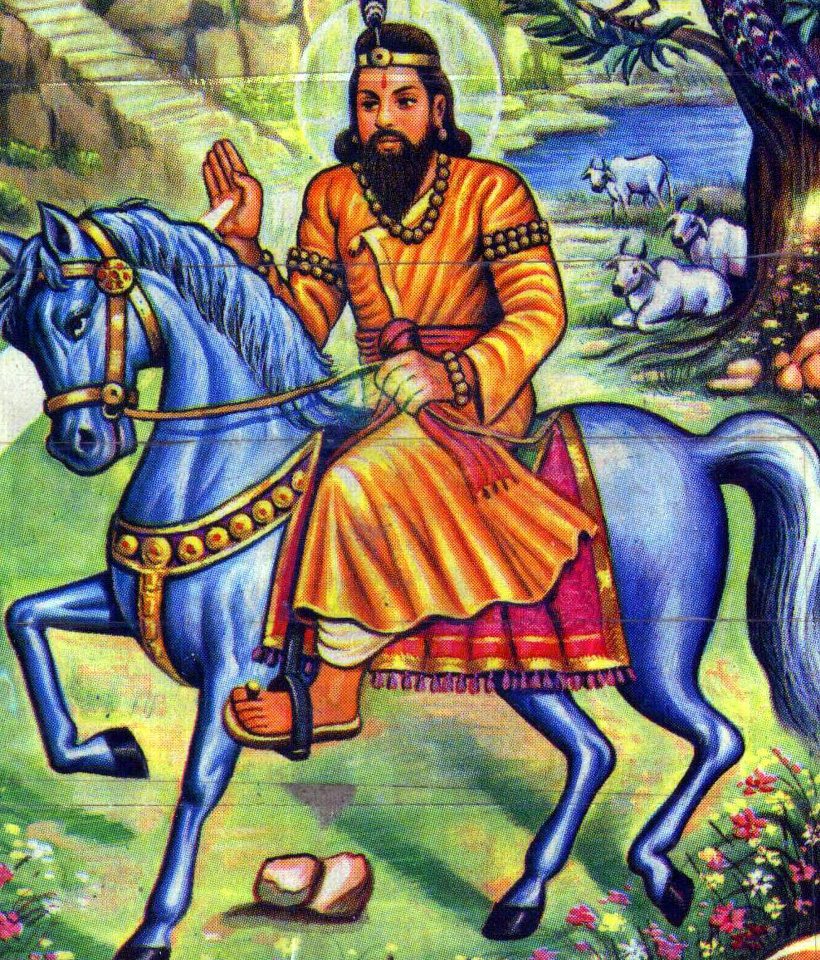 🇮🇳 IndiaBaba Mohan Ramबाबा मोहन राम
A folk form of Krishna worshipped at a cave shrine with a flame that never diesBeing · Healing · Luck and prosperity Living
 🇺🇸 United States and 2 moreNew Orleans Voodoo Revival
A late-20th-century religious movement in New Orleans blending Haitian and Cuban traditions with local history.Tradition · Protection · Healing Living
 🇻🇳 VietnamÂu Cơ甌姬
The mountain immortal whose hundred children are ancestors of the VietnameseFigure · Healing Legendary
 🇱🇰 Sri Lanka and 1 moreSanni Yakumaසන්නි යකුම
A traditional Sinhalese exorcism ritual featuring eighteen masked dances to banish illness-causing demons.Rite · Healing · Cursing and harm Living
🇨🇲 CameroonJengu
Water spirits of Cameroon's coastal peoples, linked to healing and fateBeing · Protection · Healing Living
🇮🇳 IndiaMogal Maa
A Hindu folk goddess of Gujarat worshipped for children and healingBeing · Healing · Luck and prosperity Living
 🇨🇳 China and 3 moreFengshui woodland風水林
A protected grove in East Asia believed to shape the local environment and bring luck to nearby communities.Tradition · Protection · Luck and prosperity Living
 🇮🇳 India and 5 moreNavaratnaनवरत्न
A nine-gem talisman set in gold or silver, linked to Hindu astrology and planetary worshipCharm · Protection · Healing Living
 🇨🇺 CubaInleErinlẹ
The Orisha of healing and the estuary in Santería and CandombléBeing · Healing Living
 🇸🇪 SwedenCanterbury charm
An Old Norse runic spell against infection found in an Anglo-Saxon manuscript.Text · Healing Historical
 🇦🇺 AustraliaCleverman
A traditional Aboriginal healer and cultural keeper in Australia with varied magical abilities.Being · Healing · Cursing and harm Living
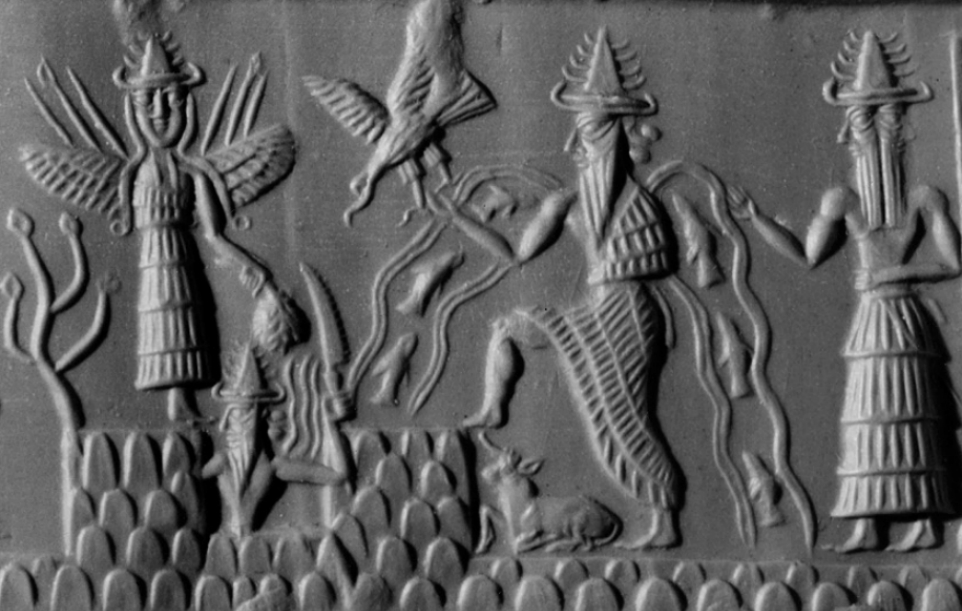 🇺🇸 United StatesJoy of Satan Ministries
An occult movement combining theistic Satanism with esoteric and extraterrestrial loreTradition · Power and authority · Speaking with spirits and the dead Living
 🇸🇪 SwedenSigtuna rib
A runic bone amulet from medieval Sweden bearing a spell against diseaseCharm · Healing Historical
🇮🇹 ItalyWitchcraft in Italy
Inquisition trials, a fertility cult and love magic in early modern ItalyTradition · Protection · Healing Living
🇷🇺 RussiaVolkhovnikВолховник
A lost Old Russian divination book of omens and signsText · Seeing and foretelling · Healing Historical
 🇮🇳 IndiaUchitta Bhagavathyഉച്ചിട്ട ഭഗവതി
A North Malabar goddess of fire and childbirth, performed as TheyyamBeing · Protection · Healing Living
 🇺🇦 UkraineMolfarмольфар
A Carpathian folk healer and magician blending pagan and Christian traditionsBeing · Healing · Seeing and foretelling Legendary
 🇮🇳 IndiaPranaप्राण
A Sanskrit concept of vital energy found in yoga and AyurvedaBelief · Healing · Power and authority Living
 🇿🇦 South Africa and 1 moreSacred caves of the Basotho
Cave networks in South Africa and Lesotho used by the Basotho for ancestral rituals and healingTradition · Healing · Protection Living
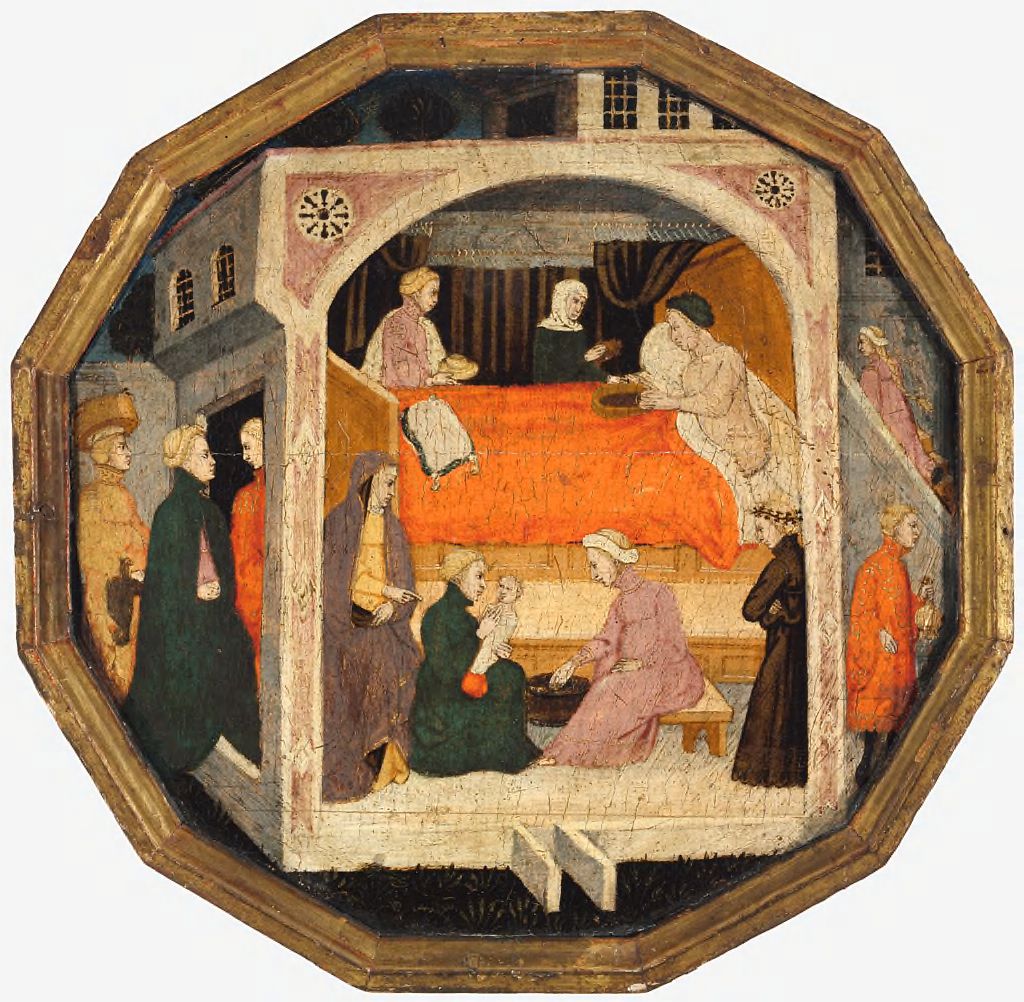 🇬🇧 United KingdomLying-in
A period of bed rest and care for new mothers in European traditionRite · Healing · Speaking with spirits and the dead Historical
🇹🇼 Taiwan and 3 moreHanitu
A spirit concept from the Bunun people of Taiwan, found in all living and non-living things.Being · Cursing and harm · Healing Historical
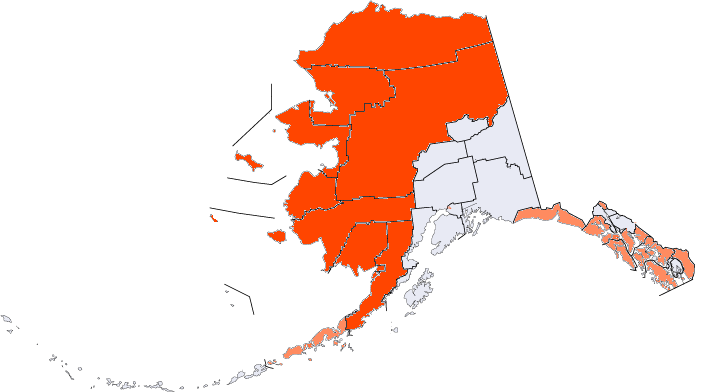 🇺🇸 United StatesShamanism among Alaska Natives
Traditional spiritual practices of Indigenous peoples in AlaskaTradition · Healing · Seeing and foretelling Fading
 🇮🇳 IndiaTormaགཏོར་མ
Sculpted offerings of flour and butter used in Tibetan Buddhist ritualsTradition · Speaking with spirits and the dead · Protection Living
 🇸🇪 SwedenSigtuna amulet I
An 11th-century copper runic charm from Sweden used to drive away illnessCharm · Healing · Protection Historical
 🇫🇷 FranceHoules fairyGwenn fadoù
Immortal coastal fairies of Brittany who live in sea caves and aid humansBeing · Protection · Healing Historical
 🇮🇳 IndiaKhodiyarખોડીયાર
A limping Hindu folk goddess who rides a crocodile and shields royal clansBeing · Protection · Healing Living
 🇧🇷 Brazil and 1 moreCandomblé Angola
A branch of Candomblé in Brazil honouring Nzambi and the divinities called NkisiTradition · Speaking with spirits and the dead · Protection Living
 🇮🇷 Iran and 2 moreSuperstitions in Muslim societies
Beliefs in supernatural forces and charms found across the Islamic worldTradition · Protection · Healing Living
🇮🇹 ItalyDoñas de fuera
Sicilian fairies said to carry chosen women by night to a field at BeneventoBeing · Speaking with spirits and the dead · Luck and prosperity Historical
🇲🇽 MexicoMazatec shamanism
A Mazatec healing tradition centered on visionary plant ceremonies called veladasTradition · Healing · Speaking with spirits and the dead Living
🇪🇷 Eritrea and 1 moreBeher
A pre-Christian Aksumite deity of the sea and agricultural fertilityBeing · Luck and prosperity · Healing Historical
🇹🇹 Trinidad and Tobago and 2 moreMama D'Leau
A river spirit of the Caribbean islands who protects aquatic life and heals people.Being · Healing · Protection Legendary
 🇮🇳 India and 1 moreIravanஅரவான்
A Hindu deity worshipped as a severed head for healing and protectionFigure · Healing · Protection Living
 🇷🇴 Romania and 3 moreCălușariCălușarii
A Romanian men's dance society that tours villages from Easter to PentecostTradition · Healing · Binding and oaths Living
 🇮🇱 Israel and 1 moreTree of life vision
A symbolic prophecy in the Book of Mormon about salvation and spiritual perilBelief · Protection · Healing Living
 🇮🇳 IndiaJakh Botera
Seventy-two horsemen deities honoured in Kutch, IndiaBeing · Protection · Healing Living
 🇦🇹 Austria and 3 moreSalige Frau
A blissful Alpine spirit who guides farmers and guards mountain gameFigure · Protection · Healing Legendary
🇧🇬 Bulgaria and 5 moreApocryphal prayer
A folk prayer text blending church forms with apocrypha and incantations for protection and healingText · Protection · Healing Living
🇯🇲 Jamaica and 1 moreKromanti dance
A sacred Jamaican Maroon ceremony rooted in Asante traditions and ancestral possessionRite · Healing · Protection Living
🇬🇧 United KingdomQueen of Elphame
The elfin queen of Faerie from Lowland Scotland and Northern England folkloreFigure · Cursing and harm · Healing Historical
🇹🇷 Turkey and 3 moreYel iyesiҪил ийи (Chuvash), Тыал иччи (Yakut)
A Turkic wind spirit and its divine parents, known for healing and fierce power.Being · Healing · Seeing and foretelling Legendary
 🇩🇪 Germany and 4 moreNeed-firezjarri i gjallë
A ritual fire lit by friction to protect communities from disease and misfortuneRite · Protection · Healing Historical
Photo credits on this page
The small pictures above come from Wikimedia Commons under free licences. Some are cropped to fit.
- Need-fire: Unknown author, Public domain, source
- Osanyin: TiagoLubiana, CC0, source
- Âu Cơ: Prenn, CC BY-SA 3.0, source
- Cleverman: Photo by and ©2002 Dustin M. Ramsey ( Kralizec! ), CC BY-SA 2.5, source
- Prana: Tamilmama, CC BY-SA 4.0, source
- Sacred caves of the Basotho: JMK, CC BY-SA 3.0, source
- Torma: John Hill, CC BY-SA 4.0, source
- Candomblé Angola: autor desconhecido, CC BY-SA 3.0, source
- Călușari: El bes, CC BY 3.0, source
- Tree of life vision: David Hyrum Smith, Public domain, source
- Salige Frau: various, Public domain, source
- New Orleans Voodoo Revival: Greg Willis, CC BY-SA 2.0, source
- Sanni Yakuma: Michael Gunther, CC BY-SA 4.0, source
- Fengshui woodland: 猫猫的日记本 (Cat's diary), CC BY-SA 3.0, source
- Joy of Satan Ministries: Unknown author, Public domain, source
- Houles fairy: Minseong Kim, CC BY-SA 4.0, source
- Iravan: Chainwit., CC BY-SA 4.0, source
- Jakh Botera: Nizil Shah and Bhavya Shah, CC BY-SA 4.0, source
- Navaratna: Pradeep717, CC BY-SA 4.0, source
- Canterbury charm: Mårtensås, CC BY-SA 4.0, source
- Sigtuna rib: Swedish National Heritage Board, CC BY 4.0, source
- Molfar: Ніна Бурневіч, CC BY-SA 4.0, source
- Lying-in: Francesco di Michele, Public domain, source
- Shamanism among Alaska Natives: Balkanian`s word, Public domain, source
- Khodiyar: Damian N. Boodram, CC BY-SA 4.0, source
- Superstitions in Muslim societies: Unknown author, CC0, source
- Baba Mohan Ram: Yajush Rao, CC BY-SA 4.0, source
- Inle: Happycheetha32, CC BY-SA 4.0, source
- Uchitta Bhagavathy: Sreejith K ( talk ), CC BY 3.0, source
- Sigtuna amulet I: Bengt A. Lundberg, CC BY 2.5, source