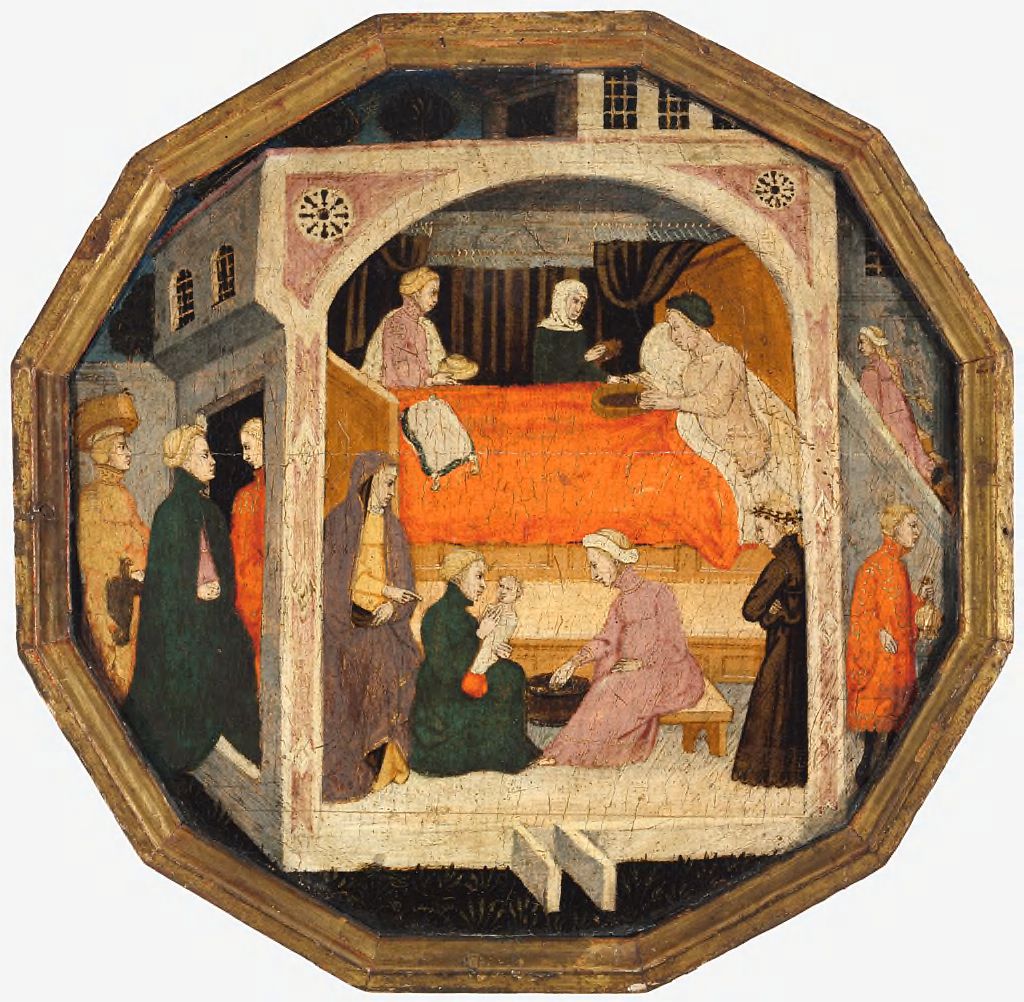
Lying-in is a traditional practice of postpartum confinement found in Europe. It involves extended bed rest to help the mother recover after childbirth, supported by female relatives or hired nurses.
- Lasted two weeks to two months in historical records
- Monthly nurses cared for wealthier families
- Caudle was a traditional hot drink for new mothers
- Desco da parto were painted trays in Florence
- Churching of women marked the end of confinement
What it is
Lying-in refers to the custom of postpartum confinement in European history. New mothers stayed in bed for a set time to recover from childbirth. This period lasted anywhere from two weeks to two months. The practice was common in Western societies until modern medical views changed. It remains a key part of the postpartum experience in some regions today. The term also named maternity hospitals, such as the General Lying-In Hospital in London.
Where it comes from
The practice dates back to at least the Renaissance in Italy. Manuals from that era did not fix a specific length for the rest period. Documentary records show mothers often missed baptisms held within a week of birth. In Britain, the custom persisted into the twentieth century. Standard NHS care included ten days in hospital until the 1970s. The term fell out of favor with the rise of productivism.
How it is done
Mothers remained in bed for nine to twenty days after delivery. Care came from female relatives like mothers or mothers-in-law. Wealthier families hired a monthly nurse for temporary support. The period ended when the mother rejoined the community. This return was marked by the Christian rite of churching of women. Friends visited to offer congratulations and gifts during this time.
Tools and materials
Caudle was a hot drink given to invalids and new mothers. It became linked to social visits after birth. The phrase cake and caudle meant postpartum visiting. In Florence, the desco da parto was a painted tray. These trays showed scenes of visitors bringing presents to the mother in bed. They served as special gifts for the confinement period.
Lying-in, drawn and placed
- Living
- Revived
- Fading
- Historical
- Legendary
- Performed
- Timing
- after birth
What it is for
The main goal was physical recovery through rest. Mothers needed time to heal before resuming daily life. Social visits provided emotional support and congratulations. The churching ceremony reintegrated the woman into society. It marked the end of her secluded state. The practice ensured the mother was well rested before returning home.
Who does it
Households managed the lying-in period themselves. Female relatives provided most of the care. Those who could afford it employed a monthly nurse. These workers offered temporary assistance during the confinement. The practice was primarily handled by women within the family or hired help.
Peoples and places
The custom was widespread across Europe. In Italy, particularly Florence, it involved specific artistic traditions like the desco da parto. British practices included specific dietary customs like caudle. The NHS institutionalized aspects of this care until the 1970s. Different cultures had varying lengths and rules for the confinement.
At a glance: who, where and when
Who does it
Peoples
Belief worlds
Occasions

What people believe
Christian rituals played a role in ending the confinement. The churching of women was the formal re-entry into community life. Artistic depictions often showed religious figures like Mary lying-in. These images idealized the recovery process in wealthy households. Secular art on trays also celebrated the social aspect of the visit.
When it is done
The practice began immediately after childbirth. Rest typically lasted nine to twenty days. Baptisms usually occurred within a week of birth. Mothers were often absent from these early ceremonies. The period concluded with the churching service. Visits from friends happened throughout the confinement.
How scholars and sceptics see it
Modern views often see lying-in as archaic due to productivism. Historical publications from 1932 documented the range of rest periods. Scholars note the shift from home-based care to hospital stays. The decline of the monthly nurse coincided with medical professionalization. The term itself faded from common usage in the West.
Cautions and what is closed
No fixed term was recommended in Renaissance manuals. The practice relied on traditional knowledge rather than medical science. Modern medicine has largely replaced these customs. Some view the long bed rest as outdated. However, the need for postpartum support remains relevant globally.
Compare and confuse
Lying-in is similar to confinement practices in other cultures. The desco da parto represents a specific Italian variation. Baby showers and push presents are modern equivalents of gift-giving. The monthly nurse parallels modern postpartum doulas or helpers. Churching differs from secular reintegration rituals.
Questions people ask about Lying-in
What is lying-in?
Lying-in is a European tradition of postpartum confinement. It involves extended bed rest for new mothers to recover after childbirth. The practice was common in Western societies until recent decades.
How long did lying-in last?
Historical sources suggest lying-in lasted from two weeks to two months. A minimum of nine days was recommended, with twenty days being ideal. The exact duration varied by region and family circumstances.
Who cared for the mother during lying-in?
Care was usually provided by female relatives like mothers or mothers-in-law. Wealthier families hired a monthly nurse for temporary support. These helpers assisted with the mother and newborn during the confinement period.
What is caudle?
Caudle is a hot drink suitable for invalids and new mothers. It was well-documented in British cuisine, especially in Victorian times. The phrase cake and caudle became a metonym for postpartum social visits.
Good reading and sources
The facts on this page come from the Wikipedia article "Lying-in", written by its contributors and used under the CC BY-SA 4.0 licence, and from its Wikidata record (CC0). EveryJaadu rewrote the text in its own words, with AI assistance, and compares every page with the article to make sure no passage is copied. It may be reused under the same CC BY-SA 4.0 licence with a link back.
It may contain mistakes. Names and customs differ from one community to the next, and some knowledge is closed to outsiders and left out here. This page describes belief and practice. It does not say that any of it works, it is not a how-to, and it is not medical advice. If something is wrong, tell us. Last refreshed 2026-10-12.
More from the United Kingdom
All the entries from the United Kingdom 🇬🇧 United KingdomDeath knell
A church bell rung to announce a person's death and mark the funeral.Rite · Speaking with spirits and the dead Fading
🇬🇧 United KingdomDeath knell
A church bell rung to announce a person's death and mark the funeral.Rite · Speaking with spirits and the dead Fading
 🇪🇸 Spain and 5 moreSt John's Eve
A Christian vigil marked by bonfires and plant gathering on the summer solstice eveRite · Protection · Speaking with spirits and the dead Living
🇬🇧 United Kingdom and 4 moreTelling the bees
A Western European custom of informing bees about major household eventsRite · Protection · Speaking with spirits and the dead Living
🇪🇸 Spain and 5 moreSt John's Eve
A Christian vigil marked by bonfires and plant gathering on the summer solstice eveRite · Protection · Speaking with spirits and the dead Living
🇬🇧 United Kingdom and 4 moreTelling the bees
A Western European custom of informing bees about major household eventsRite · Protection · Speaking with spirits and the dead Living
 🇩🇪 Germany and 5 moreMaypoleMaibaum
A tall wooden pole raised for European spring festivals, accompanied by dance and celebration.Tradition · Luck and prosperity · Love and attraction Living
🇩🇪 Germany and 5 moreMaypoleMaibaum
A tall wooden pole raised for European spring festivals, accompanied by dance and celebration.Tradition · Luck and prosperity · Love and attraction Living
Related elsewhere
All rite 🇮🇳 India and 1 moreAmritaअमृत (Sanskrit)
A Sanskrit concept of immortality and the nectar that grants it across Indian religionsBelief · Healing · Power and authority Living
🇮🇳 India and 1 moreAmritaअमृत (Sanskrit)
A Sanskrit concept of immortality and the nectar that grants it across Indian religionsBelief · Healing · Power and authority Living
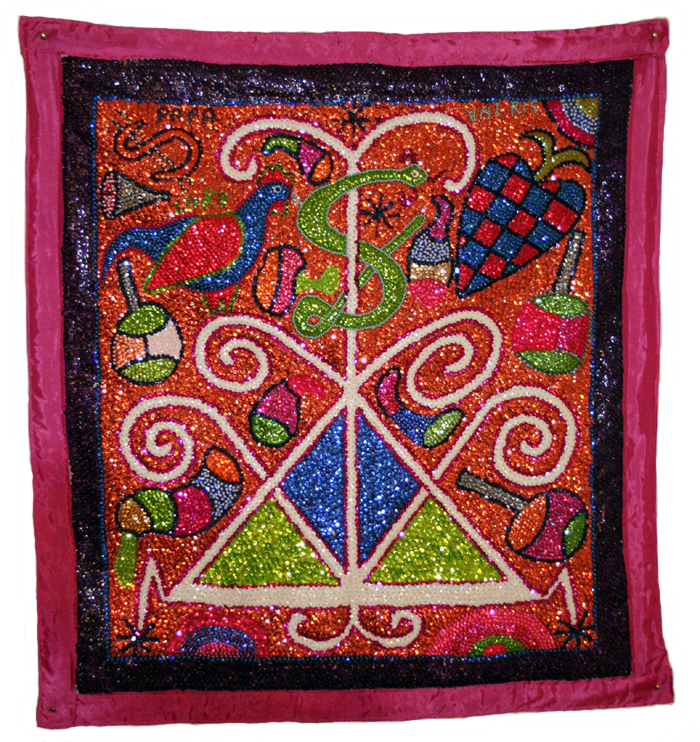 🇭🇹 Haiti and 2 moreHaitian VodouVodou
An Afro-Haitian religion blending West African traditions with Catholicism and FreemasonryTradition · Protection · Healing Living
🇭🇹 Haiti and 2 moreHaitian VodouVodou
An Afro-Haitian religion blending West African traditions with Catholicism and FreemasonryTradition · Protection · Healing Living
 🇫🇷 France and 5 moreKardecist SpiritismSpiritisme
A French spiritualist doctrine based on communication with spirits and reincarnation.Tradition · Speaking with spirits and the dead · Protection Living
🇫🇷 France and 5 moreKardecist SpiritismSpiritisme
A French spiritualist doctrine based on communication with spirits and reincarnation.Tradition · Speaking with spirits and the dead · Protection Living