Cursing and harm
Curses, hexes and sorcery as people describe and fear them, with the counter-magic against them.
Cursing and harm are the part of magic that societies fear most. This page describes curses and sorcery as beliefs, and the social role of fear and accusation, and does not give instructions. The evil eye, the curse tablets of the Greek and Roman world, Hebrew and Arabic writings on harmful magic, sorcery in Melanesia and Africa, and the European witch are all part of this subject. Most of the harm recorded is that done to people accused.
What is believed
Many cultures hold that envy, anger or hostile ritual can bring illness, loss or death to a victim. The beliefs differ: in the Mediterranean, the evil eye needs no intent. In Azande society, studied by Evans-Pritchard, witchcraft was an inherited substance that explained why misfortune struck one person and not another. Greek and Roman lead curse tablets, often addressed to gods of the underworld, show the belief was written down in antiquity.
Accusation as social force
Where harm is feared, accusation follows. Anthropologists have shown that charges of witchcraft often follow tension inside a family or village, such as inheritance, jealousy or a sudden death. Accusers are usually in conflict with the accused, who is more likely to be old, poor, widowed or marginal. The belief can enforce norms and also destroy people. People also fear being accused, since an accusation can arrive without warning and can follow a family for generations.
Persecution and its present
European and colonial American witch trials, from the fifteenth to the eighteenth century, put tens of thousands to death, including the Salem trials of 1692. The practice has not ended. Mobs and families still attack accused people in parts of Africa, India, Papua New Guinea and elsewhere, and Saudi Arabia has executed people for sorcery. Albino people have been killed for body parts in East Africa. Several states are drafting or enforcing laws against accusation itself.
Counter-magic and scholarship
Where harm is feared, so is protection: amulets, cleansing, and a specialist who can say who sent it. Scholars see curses as a language of grievance, and psychologists have documented the nocebo effect, in which belief in harm can bring on real distress. A person who is afraid should seek medical and social help, and talk to someone they trust. People who believe they have been cursed should be helped to find practical support, including from health services, and not left alone with fear.
Cursing and harm on EveryJaadu
The entries written up so far, best known first.
 🇫🇷 FranceLoudun possessionsaffaire des possédées de Loudun
A 17th-century witchcraft trial in France involving alleged demonic possession by Ursuline nuns.Belief · Cursing and harm · Speaking with spirits and the dead Historical
🇮🇪 IrelandDeath coachcóiste bodhar
A spectral carriage that signals an unavoidable death in European folkloreBelief · Cursing and harm Legendary
🇦🇱 AlbaniaKukudh
An undead revenant from Albanian folklore that haunts houses and spreads sickness.Being · Cursing and harm Legendary
🇬🇧 United KingdomBiast Bhealach Odail
A shapeshifting spirit of a Scottish mountain passBeing · Cursing and harm Historical
🇬🇷 GreecePolemosΠόλεμος
A Greek spirit of war and the personification of conflictBeing · Cursing and harm Legendary
🇫🇷 FranceLoudun possessionsaffaire des possédées de Loudun
A 17th-century witchcraft trial in France involving alleged demonic possession by Ursuline nuns.Belief · Cursing and harm · Speaking with spirits and the dead Historical
🇮🇪 IrelandDeath coachcóiste bodhar
A spectral carriage that signals an unavoidable death in European folkloreBelief · Cursing and harm Legendary
🇦🇱 AlbaniaKukudh
An undead revenant from Albanian folklore that haunts houses and spreads sickness.Being · Cursing and harm Legendary
🇬🇧 United KingdomBiast Bhealach Odail
A shapeshifting spirit of a Scottish mountain passBeing · Cursing and harm Historical
🇬🇷 GreecePolemosΠόλεμος
A Greek spirit of war and the personification of conflictBeing · Cursing and harm Legendary
 🇬🇧 United KingdomTam Lin
A Scottish ballad about a fairy knight rescued by his mortal lover on Hallowe'enFigure · Love and attraction · Cursing and harm Historical
🇮🇳 IndiaIndus worm
A giant carnivorous river creature from ancient Greek accounts of the IndusBeing · Cursing and harm Legendary
🇳🇿 New ZealandMaero
A wild supernatural people of New Zealand forests and mountainsBeing · Cursing and harm Legendary
🇮🇱 IsraelPulsa diNuraפולסא דנורא
A Kabbalistic curse invoking destroying angels to block forgiveness and cause deathRite · Cursing and harm Historical
🇬🇧 United KingdomTam Lin
A Scottish ballad about a fairy knight rescued by his mortal lover on Hallowe'enFigure · Love and attraction · Cursing and harm Historical
🇮🇳 IndiaIndus worm
A giant carnivorous river creature from ancient Greek accounts of the IndusBeing · Cursing and harm Legendary
🇳🇿 New ZealandMaero
A wild supernatural people of New Zealand forests and mountainsBeing · Cursing and harm Legendary
🇮🇱 IsraelPulsa diNuraפולסא דנורא
A Kabbalistic curse invoking destroying angels to block forgiveness and cause deathRite · Cursing and harm Historical
 🇪🇬 Egypt and 1 moreCurse of Ham
A biblical story used to justify slavery and racial discriminationBelief · Cursing and harm Historical
🇪🇬 Egypt and 1 moreCurse of Ham
A biblical story used to justify slavery and racial discriminationBelief · Cursing and harm Historical
 🇮🇱 Israel and 1 moreBalakבָּלָק
A biblical king who sought a sorcerer's curse against the IsraelitesFigure · Cursing and harm Legendary
🇮🇱 Israel and 1 moreBalakבָּלָק
A biblical king who sought a sorcerer's curse against the IsraelitesFigure · Cursing and harm Legendary
 🇯🇵 Japan and 1 moreChain letterFukou no Tegami
A message that demands copying and forwarding to avoid bad luck or gain fortuneBelief · Luck and prosperity · Cursing and harm Historical
🇬🇱 GreenlandIdlirvirissong
A sky spirit who tests the dead with a dance and punishes laughter by disembowelling them.Being · Cursing and harm Legendary
🇯🇵 Japan and 1 moreChain letterFukou no Tegami
A message that demands copying and forwarding to avoid bad luck or gain fortuneBelief · Luck and prosperity · Cursing and harm Historical
🇬🇱 GreenlandIdlirvirissong
A sky spirit who tests the dead with a dance and punishes laughter by disembowelling them.Being · Cursing and harm Legendary
 🇦🇺 AustraliaCleverman
A traditional Aboriginal healer and cultural keeper in Australia with varied magical abilities.Being · Healing · Cursing and harm Living
🇦🇺 AustraliaCleverman
A traditional Aboriginal healer and cultural keeper in Australia with varied magical abilities.Being · Healing · Cursing and harm Living
 🇬🇧 United KingdomChained Oak
A Staffordshire oak bound in chains by a local legend of a curse and an earl.Belief · Cursing and harm Historical
🇬🇧 United KingdomChained Oak
A Staffordshire oak bound in chains by a local legend of a curse and an earl.Belief · Cursing and harm Historical
 🇺🇸 United StatesBell Witch
A Tennessee legend of a shapeshifting spirit that tormented the Bell family in the early nineteenth century.Being · Cursing and harm Legendary
🇺🇸 United StatesBell Witch
A Tennessee legend of a shapeshifting spirit that tormented the Bell family in the early nineteenth century.Being · Cursing and harm Legendary
 🇬🇷 GreeceMeilichiosΜειλίχιος
An ancient Greek chthonic spirit linked to Zeus and appeased through fire offerings.Being · Protection · Cursing and harm Historical
🇬🇷 GreeceMeilichiosΜειλίχιος
An ancient Greek chthonic spirit linked to Zeus and appeased through fire offerings.Being · Protection · Cursing and harm Historical
 🇮🇳 India and 1 moreDamnation
A state of divine punishment or separation from the sacred after deathBelief · Cursing and harm Living
🇯🇵 JapanHashihime橋姫
A Japanese bridge spirit linked to jealousy and demonic transformation in folklore and Noh theatre.Being · Protection · Cursing and harm Historical
🇮🇳 India and 1 moreDamnation
A state of divine punishment or separation from the sacred after deathBelief · Cursing and harm Living
🇯🇵 JapanHashihime橋姫
A Japanese bridge spirit linked to jealousy and demonic transformation in folklore and Noh theatre.Being · Protection · Cursing and harm Historical
 🇬🇧 United KingdomPiers Shonks
A legendary knight who slew a dragon and cheated the Devil in HertfordshireFigure · Cursing and harm · Wonder and entertainment Legendary
🇬🇧 United KingdomPiers Shonks
A legendary knight who slew a dragon and cheated the Devil in HertfordshireFigure · Cursing and harm · Wonder and entertainment Legendary
 🇮🇸 IcelandYule catJólakötturinn
A giant feline from Icelandic folklore that threatens those without new Christmas clothesFigure · Cursing and harm Living
🇹🇳 TunisiaOmek Tannou
A Tunisian rainmaking ritual using a sculpted head or stick to call for water during droughts.Rite · Cursing and harm · Seeing and foretelling Historical
🇧🇿 BelizeTata DuendeNukuch Tat
A thumbless forest spirit of Belizean folklore that protects animals and warns children.Being · Protection · Cursing and harm Living
🇮🇸 IcelandYule catJólakötturinn
A giant feline from Icelandic folklore that threatens those without new Christmas clothesFigure · Cursing and harm Living
🇹🇳 TunisiaOmek Tannou
A Tunisian rainmaking ritual using a sculpted head or stick to call for water during droughts.Rite · Cursing and harm · Seeing and foretelling Historical
🇧🇿 BelizeTata DuendeNukuch Tat
A thumbless forest spirit of Belizean folklore that protects animals and warns children.Being · Protection · Cursing and harm Living
 🇬🇧 United Kingdom and 1 moreDevil's Footprints
A 1855 English mystery of hoof-like tracks appearing across snow-covered landscapesBelief · Cursing and harm Historical
🇬🇧 United Kingdom and 1 moreDevil's Footprints
A 1855 English mystery of hoof-like tracks appearing across snow-covered landscapesBelief · Cursing and harm Historical
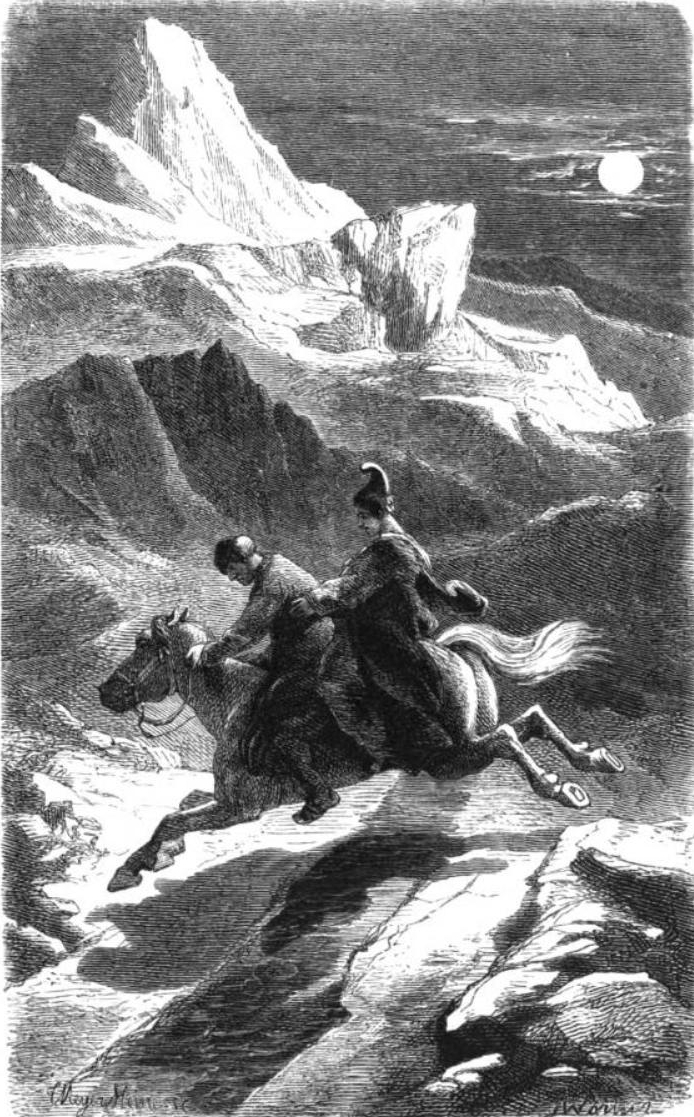 🇮🇸 IcelandDjákninn á Myrká
An Icelandic ghost story about a dead deacon who returns for his bride on Christmas EveFigure · Cursing and harm Historical
🇬🇷 Greece and 1 moreMaternal impression
A discredited theory that a mother's shock or thoughts can mark her unborn childBelief · Cursing and harm Historical
🇮🇸 IcelandDjákninn á Myrká
An Icelandic ghost story about a dead deacon who returns for his bride on Christmas EveFigure · Cursing and harm Historical
🇬🇷 Greece and 1 moreMaternal impression
A discredited theory that a mother's shock or thoughts can mark her unborn childBelief · Cursing and harm Historical
 🇫🇷 France and 1 moreOgre
A legendary humanoid monster known for its size and cannibalistic appetiteBeing · Cursing and harm Legendary
🇫🇷 France and 1 moreOgre
A legendary humanoid monster known for its size and cannibalistic appetiteBeing · Cursing and harm Legendary
 🇷🇸 Serbia and 1 moreVampire pumpkins and watermelons
A Balkan folk tale about ground fruit that turns into vampires.Belief · Cursing and harm Legendary
🇲🇦 Morocco and 1 moreZuhriزوهري
A human-djinn hybrid child in North African folklore, sought for treasure ritualsBeing · Luck and prosperity · Cursing and harm Fading
🇷🇸 Serbia and 1 moreVampire pumpkins and watermelons
A Balkan folk tale about ground fruit that turns into vampires.Belief · Cursing and harm Legendary
🇲🇦 Morocco and 1 moreZuhriزوهري
A human-djinn hybrid child in North African folklore, sought for treasure ritualsBeing · Luck and prosperity · Cursing and harm Fading
 🇹🇷 Turkey and 1 moreMidasΜίδας
A Phrygian king from Greek myth who gained a golden touch and donkey earsFigure · Luck and prosperity · Cursing and harm Legendary
🇯🇵 JapanŌnyūdō大僧正
A giant monk spirit in Japanese folklore, ranging from helpful helpers to menacing shadows.Being · Cursing and harm · Healing Legendary
🇨🇳 ChinaHuodou祸斗
A fire-spitting dog from southern Chinese folklore that signals disasterBeing · Cursing and harm Legendary
🇯🇵 JapanMakuragaeshi枕返し
A Japanese spirit that flips pillows and turns sleepers upside downBeing · Cursing and harm · Luck and prosperity Legendary
🇯🇵 JapanAzukibabaaあずきばばあ
A Japanese yōkai that mimics the sound of red beans to lure or frighten peopleBeing · Cursing and harm Legendary
🇹🇷 Turkey and 1 moreMidasΜίδας
A Phrygian king from Greek myth who gained a golden touch and donkey earsFigure · Luck and prosperity · Cursing and harm Legendary
🇯🇵 JapanŌnyūdō大僧正
A giant monk spirit in Japanese folklore, ranging from helpful helpers to menacing shadows.Being · Cursing and harm · Healing Legendary
🇨🇳 ChinaHuodou祸斗
A fire-spitting dog from southern Chinese folklore that signals disasterBeing · Cursing and harm Legendary
🇯🇵 JapanMakuragaeshi枕返し
A Japanese spirit that flips pillows and turns sleepers upside downBeing · Cursing and harm · Luck and prosperity Legendary
🇯🇵 JapanAzukibabaaあずきばばあ
A Japanese yōkai that mimics the sound of red beans to lure or frighten peopleBeing · Cursing and harm Legendary
 🇯🇵 JapanHitotsume-nyūdō独眼僧
A one-eyed Japanese monk spirit from folklore and legendBeing · Cursing and harm Legendary
🇯🇵 JapanHitotsume-nyūdō独眼僧
A one-eyed Japanese monk spirit from folklore and legendBeing · Cursing and harm Legendary
 🇯🇵 Japan and 1 moreBake-danuki化け狸
A shape-shifting raccoon dog spirit from Japanese folklore known for pranks and illusions.Being · Cursing and harm · Luck and prosperity Legendary
🇯🇵 Japan and 1 moreBake-danuki化け狸
A shape-shifting raccoon dog spirit from Japanese folklore known for pranks and illusions.Being · Cursing and harm · Luck and prosperity Legendary
 🇭🇹 Haiti and 1 morePetwo
A family of hot and volatile spirits in Haitian VodouBeing · Power and authority · Cursing and harm Living
🇭🇹 HaitiMarassa Jumeaux
The divine twins of Haitian Vodou, representing love, truth, and justice.Being · Love and attraction · Cursing and harm Living
🇭🇹 Haiti and 1 morePetwo
A family of hot and volatile spirits in Haitian VodouBeing · Power and authority · Cursing and harm Living
🇭🇹 HaitiMarassa Jumeaux
The divine twins of Haitian Vodou, representing love, truth, and justice.Being · Love and attraction · Cursing and harm Living
 🇯🇵 JapanHannya般若
A Noh theater mask depicting a jealous female spirit or demonessText · Cursing and harm Living
🇯🇵 JapanHannya般若
A Noh theater mask depicting a jealous female spirit or demonessText · Cursing and harm Living
 🇵🇭 PhilippinesMananambal
A Filipino folk healer who treats illness with herbs, prayers, and sorceryTradition · Healing · Cursing and harm Living
🇯🇵 JapanYosuzume夜雀
A Japanese mountain spirit that appears as a bird or butterfly and signals the presence of wolves.Being · Cursing and harm · Protection Historical
🇵🇭 PhilippinesMananambal
A Filipino folk healer who treats illness with herbs, prayers, and sorceryTradition · Healing · Cursing and harm Living
🇯🇵 JapanYosuzume夜雀
A Japanese mountain spirit that appears as a bird or butterfly and signals the presence of wolves.Being · Cursing and harm · Protection Historical
 🇯🇵 JapanKiyohime清姫
A Japanese folktale about a woman who becomes a serpent after being rejected by a monkFigure · Cursing and harm Legendary
🇮🇱 IsraelQlippothקְלִיפּוֹת
Impure spiritual forces in Jewish mysticism, opposites of the holy sefirotBeing · Cursing and harm Historical
🇯🇵 JapanKiyohime清姫
A Japanese folktale about a woman who becomes a serpent after being rejected by a monkFigure · Cursing and harm Legendary
🇮🇱 IsraelQlippothקְלִיפּוֹת
Impure spiritual forces in Jewish mysticism, opposites of the holy sefirotBeing · Cursing and harm Historical
 🇯🇵 JapanLooking taboo
A mythic rule forbidding a gaze that would bring disasterBelief · Cursing and harm Legendary
🇯🇵 JapanLooking taboo
A mythic rule forbidding a gaze that would bring disasterBelief · Cursing and harm Legendary
 🇮🇳 IndiaHingchabiꯍꯤꯡꯆꯥꯕꯤ
A giantess figure from Meitei folklore who feeds on raw fleshBeing · Cursing and harm Legendary
🇮🇳 IndiaHingchabiꯍꯤꯡꯆꯥꯕꯤ
A giantess figure from Meitei folklore who feeds on raw fleshBeing · Cursing and harm Legendary
 🇯🇵 JapanDatsue-ba奪衣婆
A Japanese underworld figure who strips clothes from spirits at the river of deathBeing · Cursing and harm Historical
🇯🇵 JapanNyūdō-bōzu入道坊主
A Japanese yokai that grows taller when stared at and can kill or vanish depending on the responseBeing · Cursing and harm Legendary
🇯🇵 JapanDatsue-ba奪衣婆
A Japanese underworld figure who strips clothes from spirits at the river of deathBeing · Cursing and harm Historical
🇯🇵 JapanNyūdō-bōzu入道坊主
A Japanese yokai that grows taller when stared at and can kill or vanish depending on the responseBeing · Cursing and harm Legendary
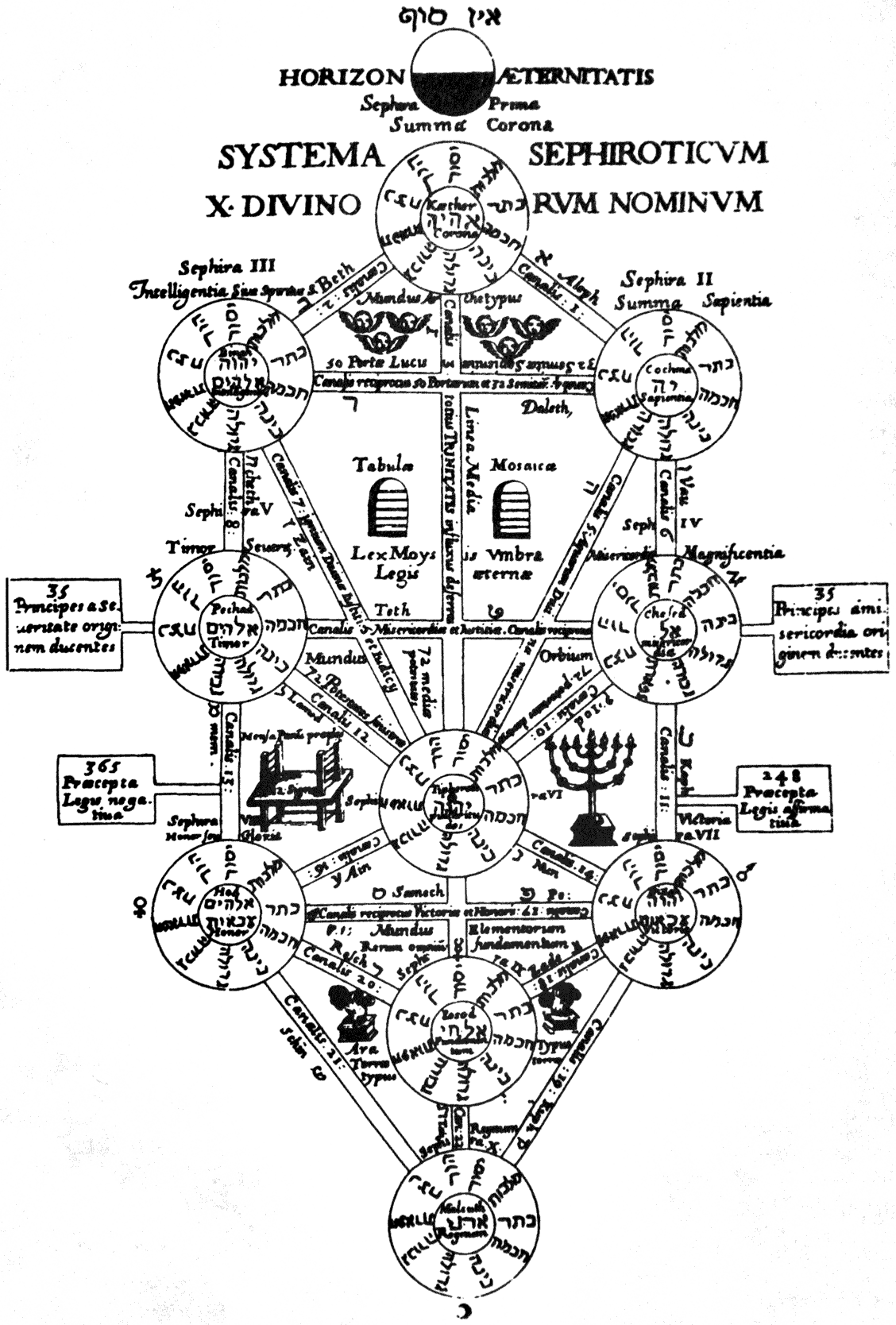 🇺🇸 United StatesChristian views on magic
A spectrum of Christian beliefs about magical practices, ranging from strict condemnation to esoteric integration.Belief · Cursing and harm · Protection Living
🇺🇸 United StatesChristian views on magic
A spectrum of Christian beliefs about magical practices, ranging from strict condemnation to esoteric integration.Belief · Cursing and harm · Protection Living
Photo credits on this page
The small pictures above come from Wikimedia Commons under free licences. Some are cropped to fit.
- Folk Catholicism: Calvin Hennick, for WBUR Boston, CC BY 3.0, source
- Christian views on magic: Athanasius Kircher, Public domain, source
- Datsue-ba: Fred Cherrygarden, CC BY-SA 4.0, source
- Kiyohime: Unknown author, Public domain, source
- Mananambal: Ji-Elle, CC BY-SA 4.0, source
- Hannya: Daderot, Public domain, source
- Mimi: Photo by and ©2002 Dustin M. Ramsey ( Kralizec! ), CC BY-SA 2.5, source
- Midas: The Midas Painter, CC BY-SA 4.0, source
- Ogre: Henry Justice Ford, Public domain, source
- Devil's Footprints: John Good, Public domain, source
- Loudun possessions: Unknown author, Public domain, source
- Tam Lin: Richard Webb, CC BY-SA 2.0, source
- Curse of Ham: Ксенофонтов Иван Степанович. Ksenofóntov Iván Stepánovich (1817-1875), Public domain, source
- Balak: Philip De Vere, CC BY-SA 3.0, source
- Chain letter: Alpha, CC BY-SA 2.0, source
- Chained Oak: Gary Rogers, CC BY-SA 2.0, source
- Bell Witch: Unknown author, Public domain, source
- Meilichios: Mark Landon, CC BY 4.0, source
- Damnation: Didier Descouens, Public domain, source
- Piers Shonks: William Blyth Gerish, Public domain, source
- Yule cat: Christine Rondeau, CC BY 2.0, source
- Djákninn á Myrká: Théodore Meyer-Heine / Jules Worms, Public domain, source
- Vampire pumpkins and watermelons: The original uploader was Ke4roh at English Wikipedia ., Public domain, source
- Bake-danuki: Poposhka at English Wikipedia, Public domain, source
- Hitotsume-nyūdō: Kashiwa Seiho (柏正甫), Public domain, source
- Looking taboo: ArchaiOptix, CC BY-SA 4.0, source
- Hingchabi: Bemni, N, CC0, source