Isonade
In its own language: 磯撫で
Japanese isonade, glossed as beach stroker
A giant sea yōkai of Western Japan said to hook sailors with its barbed tail
A huge shark-shaped monster of Japanese story, living in the waters off Western Japan near Matsuura. Only its great tail is ever seen; it is said to hook sailors, flip boats and lash the shore, with fierce winds marking each appearance.
- Its name translates as beach stroker, after its habit of sweeping the shore
- The picture book Ehon Hyaku Monogatari is the main written account
- Only the tail fin ever shows above water; the body is never seen
- Violent winds are said to rise the moment it appears
- One tail does all the harm: hooking sailors, flipping boats, striking the beach
What it is
Isonade is the name given to a monstrous sea creature in Japanese folklore, one of the many yōkai that fill the country's stories. It is imagined as vast and shark-shaped, at home in the waters of Western Japan, with the seas near Matsuura named as its ground. People who tell the tales claim that no one has ever glimpsed the animal itself: everything but its tail stays under water. That tail is the dangerous part. It is described as long enough to reach both boats and shore, and set with many little barbs. A meeting with the creature ends badly in every account, whether at sea or on land, and a rush of strong wind is said to sweep in when it comes close. Sailors are the people most often in its path.
Where it comes from
The Isonade belongs to the yōkai, the broad company of strange beings that Japanese legend knows. Its written home is the Ehon Hyaku Monogatari, a picture book devoted to odd tales, and that book supplies what is usually repeated about it, from the unseen body to the barbed tail. The stories tie it to particular water: the coast at Matsuura is named first, with other spots in Western Japan alongside. The name itself is rendered in English as beach stroker, and the tales show why, since the animal is said to whip the shore with its tail. The creature also has an entry in the Kaii-Yōkai Denshō Database.
How it is done
Accounts give the creature more than one way of taking people. In the main version it glides up to a boat without warning, hooks a sailor on the barbs of its tail and hauls him under, and the tale ends with the man eaten. The tail can act as a lever instead: one blow from it is said to roll a boat clean over. Danger reaches land as well. Stories tell of the animal sweeping its tail against the beach, killing anyone who happens to be standing on the sand. The attack at sea turns on surprise, since the creature is said to come close before anyone notices.
Isonade, drawn and placed
- Living
- Revived
- Fading
- Historical
- Legendary
- Performed
- Lineage
- Japanese yōkai folklore
At a glance: who, where and when
Peoples
What people believe
Two signs mark the creature's arrival in the tales. The first is weather: whenever the Isonade shows itself, violent gusts are said to blow across the water, so the stories treat a sudden squall as a hint of its presence. The second is the tail fin, the one piece of the animal that ever rises above the surface. The rest of the body stays under water at all times, which is why the old account describes nothing besides that fin. The fin is reported as very large and set with many little barbs.
Questions people ask about Isonade
What is the Isonade?
A huge sea creature from Japanese folklore, built like a shark and placed in the waters of Western Japan, near Matsuura. Stories describe something that stays hidden below the surface and kills with its tail.
Where do the stories come from?
Its main written account sits in the picture book Ehon Hyaku Monogatari, and the stories place it off Matsuura and elsewhere in Western Japan, where its unseen body and barbed tail are described.
Why is it called the beach stroker?
Its Japanese name, isonade, is glossed as beach stroker. The label matches the reported habit of whipping its tail against the shore, which is said to kill people standing on the sand.
How does it attack boats?
Tales say it glides up to a boat quietly, catches a sailor on the barbs of its tail and pulls him down to be eaten. The same tail can also flip a boat straight over.
How would someone know it is near?
Two signs are given: a burst of violent winds over the water, and the sight of its large tail fin above the waves. Nothing else of the animal is ever visible.
Good reading and sources
- Isonade on WikipediaEncyclopedia
- More photos on Wikimedia CommonsPhotos and video
- Wikidata recordOpen data
The facts on this page come from the Wikipedia article "Isonade", written by its contributors and used under the CC BY-SA 4.0 licence, and from its Wikidata record (CC0). EveryJaadu rewrote the text in its own words, with AI assistance, and compares every page with the article to make sure no passage is copied. It may be reused under the same CC BY-SA 4.0 licence with a link back.
It may contain mistakes. Names and customs differ from one community to the next, and some knowledge is closed to outsiders and left out here. This page describes belief and practice. It does not say that any of it works, it is not a how-to, and it is not medical advice. If something is wrong, tell us. Last refreshed 2026-10-19.
More from Japan
All the entries from Japan 🇯🇵 JapanOni鬼(おに)
A horned demon of Japanese folklore known for strength and evil deedsBeing · Cursing and harm · Luck and prosperity Legendary
🇯🇵 JapanKuda-gitsune管狐 (kuda-gitsune)
A small spirit kept in a tube or sleeve to aid fortune-telling and cursing in Japanese folklore.Being · Seeing and foretelling · Cursing and harm Legendary
 🇯🇵 JapanBaku獏
A Japanese spirit said to eat bad dreams and protect sleepersBeing · Protection Living
 🇯🇵 JapanInugami犬神
A Japanese spirit of dog possession and folk sorceryBelief · Cursing and harm · Power and authority Historical
Related elsewhere
All being 🇷🇸 Serbia and 5 moreVampire
An undead being from European folklore that feeds on the life force of the living.Being · Cursing and harm Legendary
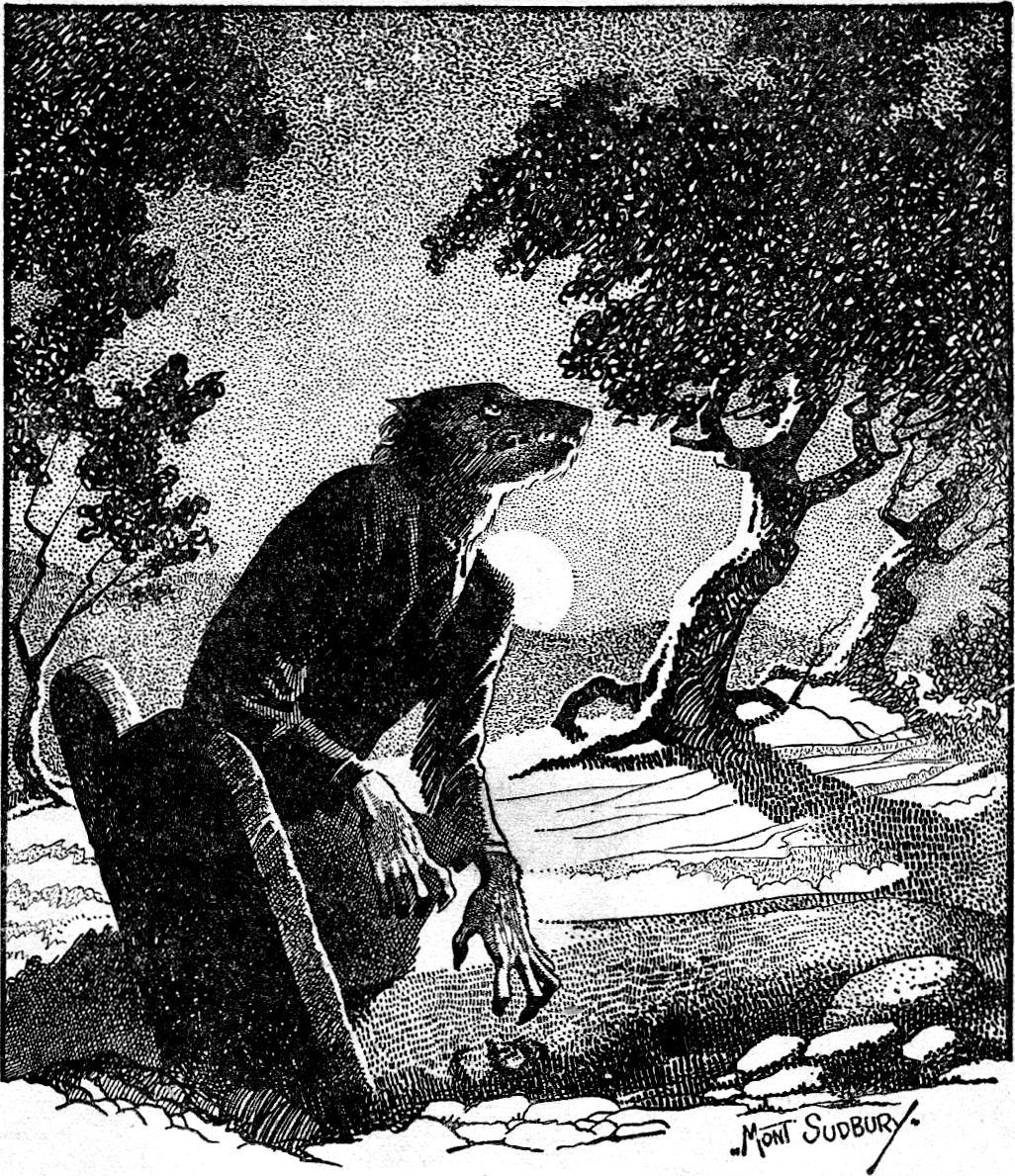 🇨🇭 Switzerland and 5 moreWerewolf
A figure in folklore who transforms into a wolf or hybrid beastFigure · Cursing and harm Legendary
 🇺🇸 United States and 5 moreSatanism
A modern set of beliefs using the figure of Satan as a symbol or deity.Tradition · Power and authority · Cursing and harm Living
 🇪🇬 Egypt and 1 moreLilithלִילִית
A feminine figure from Mesopotamian and Jewish mythology, often depicted as a night demon or spirit.Being · Cursing and harm Legendary