Amikiri
In its own language: 網切
from Japanese ami, net, and kiri, cut: net cutter, with a possible pun on ami, mysid shrimp
A scorpion-like Japanese yōkai said to snip nets, mosquito nets and blinds
Amikiri is a Japanese yōkai, a creature first pictured in Toriyama Sekien's 1776 book Gazu Hyakki Yagyō as a scorpion-like being with crab-like pincers. Later writers describe it as a cutter of fishing nets, mosquito nets and sudare blinds, though researchers doubt any old folk tradition lies behind it.
- First pictured in Toriyama Sekien's Gazu Hyakki Yagyō, published 1776
- Drawn as a scorpion-like creature with pincer claws like a crab's
- Sekien supplied no explanatory text, leaving the creature's identity open
- Said to cut fishing nets, mosquito nets and sudare blinds
- Kenji Murakami could find no other source for the Shōnai nets tale
What it is
Amikiri is a yōkai, one of the strange beings of Japanese legend and picture-book art. The name means net cutter. It is known from a single early picture, an entry in the Gazu Hyakki Yagyō, a book of yōkai images by the artist Toriyama Sekien published in 1776. The drawing shows a scorpion-like creature, or a blend of serpent, bird and lobster, with pincer claws like a crab's. Sekien supplied no explanatory text, so what the creature was meant to be is uncertain. Writers from the Shōwa period onward describe it as a being that snips mosquito nets, sudare blinds, and nets left out to dry.
Where it comes from
The amikiri first appears in the Gazu Hyakki Yagyō of 1776. Toriyama Sekien (1712–1788), who drew it, is known to have borrowed heavily from an earlier emaki, a painted handscroll: the Hyakkai zukan of Sawaki Sūshi (1707–1772), dated 1737. That scroll includes a similar creature called kamikiri, the hair cutter, which Sekien left out of his own series, and the amikiri may be an offshoot of it. Another reading is that the creature has no older folk tradition behind it at all, and is simply Sekien's invention, perhaps built on a play on words or on some allegory his readers would have recognised at once. The yōkai researcher Katsumi Tada hypothesized just such a pun.
Amikiri, drawn and placed
- Living
- Revived
- Fading
- Historical
- Legendary
- Performed
- Lineage
- Japanese yōkai lore, from Sekien's Gazu Hyakki Yagyō
What people believe
The one story attached to the amikiri comes from Norio Yamada's Tōhoku Kaidan no Tabi, a 1974 book of ghost stories gathered on a journey through the Tōhoku region. It is set in the Shōnai area of Yamagata Prefecture, at a fishing village whose nets kept being cut into pieces, damage blamed on the amikiri. One villager brought his nets home early and hid indoors to stay out of trouble, yet his mosquito nets were shredded all the same, and the people inside were bitten all over by mosquitos. Its mischief, in this account, is the cutting itself, and the mosquito bites follow from it.
How scholars and sceptics see it
Sekien gave his creature no caption, so yōkai researchers treat its identity as an open question. Katsumi Tada hypothesized that Sekien invented it around a double meaning: in Japanese, ami can mean a net, and it can also mean mysid shrimp, a small shrimp-like creature. Kenji Murakami went looking for the Shōnai tale in other sources from Yamagata Prefecture and found none, concluding that Yamada made the story up himself. The wider conclusion drawn by researchers is that there may be no authentic folk tradition behind the amikiri, and that the creature may owe its existence to a picture-book artist's wordplay rather than to village belief.
Compare and confuse
The nearest relative is the kamikiri, the hair cutter, a yōkai that appears in Sawaki Sūshi's Hyakkai zukan of 1737 but is missing from Sekien's series. The two names share one shape, net cutter and hair cutter, and the amikiri may be a variant of the older creature rather than an independent one.
Questions people ask about Amikiri
What is an amikiri?
A Japanese yōkai, a legendary creature, first drawn in Toriyama Sekien's 1776 book Gazu Hyakki Yagyō. The picture shows a scorpion-like being with pincer claws like a crab's. Later writers describe it as a creature that snips nets, mosquito nets and sudare blinds.
Where does the amikiri come from?
It first appears in Sekien's 1776 Gazu Hyakki Yagyō. Sekien borrowed heavily from Sawaki Sūshi's 1737 scroll Hyakkai zukan, which contains a similar creature, the kamikiri or hair cutter. Researchers hold that the amikiri may be an offshoot of the kamikiri, or simply Sekien's invention.
What is the amikiri believed to do?
Writings from the Shōwa period onward describe it cutting fishing nets, mosquito nets and sudare blinds. A 1974 tale from the Shōnai region tells of a fishing village whose nets were repeatedly shredded, and of one man whose mosquito nets were cut, leaving his household covered in mosquito bites.
Is there old folklore behind the amikiri?
Researchers think there may be none. Sekien supplied no text with his picture, so the creature's meaning is uncertain, and Katsumi Tada suggested it began as a pun on ami, which means both net and mysid shrimp. Kenji Murakami judged the one folk tale an invention by Norio Yamada.
What does the name mean?
Amikiri is Japanese for net cutter. The researcher Katsumi Tada hypothesized that Sekien chose the name as a double entendre: ami can mean a net, and it can also mean mysid shrimp, a small shrimp-like creature.
Good reading and sources
The facts on this page come from the Wikipedia article "Amikiri", written by its contributors and used under the CC BY-SA 4.0 licence, and from its Wikidata record (CC0). EveryJaadu rewrote the text in its own words, with AI assistance, and compares every page with the article to make sure no passage is copied. It may be reused under the same CC BY-SA 4.0 licence with a link back.
It may contain mistakes. Names and customs differ from one community to the next, and some knowledge is closed to outsiders and left out here. This page describes belief and practice. It does not say that any of it works, it is not a how-to, and it is not medical advice. If something is wrong, tell us. Last refreshed 2026-10-20.
More from Japan
All the entries from Japan 🇯🇵 JapanOni鬼(おに)
A horned demon of Japanese folklore known for strength and evil deedsBeing · Cursing and harm · Luck and prosperity Legendary
🇯🇵 JapanKuda-gitsune管狐 (kuda-gitsune)
A small spirit kept in a tube or sleeve to aid fortune-telling and cursing in Japanese folklore.Being · Seeing and foretelling · Cursing and harm Legendary
 🇯🇵 JapanBaku獏
A Japanese spirit said to eat bad dreams and protect sleepersBeing · Protection Living
 🇯🇵 JapanInugami犬神
A Japanese spirit of dog possession and folk sorceryBelief · Cursing and harm · Power and authority Historical
Related elsewhere
All being 🇷🇸 Serbia and 5 moreVampire
An undead being from European folklore that feeds on the life force of the living.Being · Cursing and harm Legendary
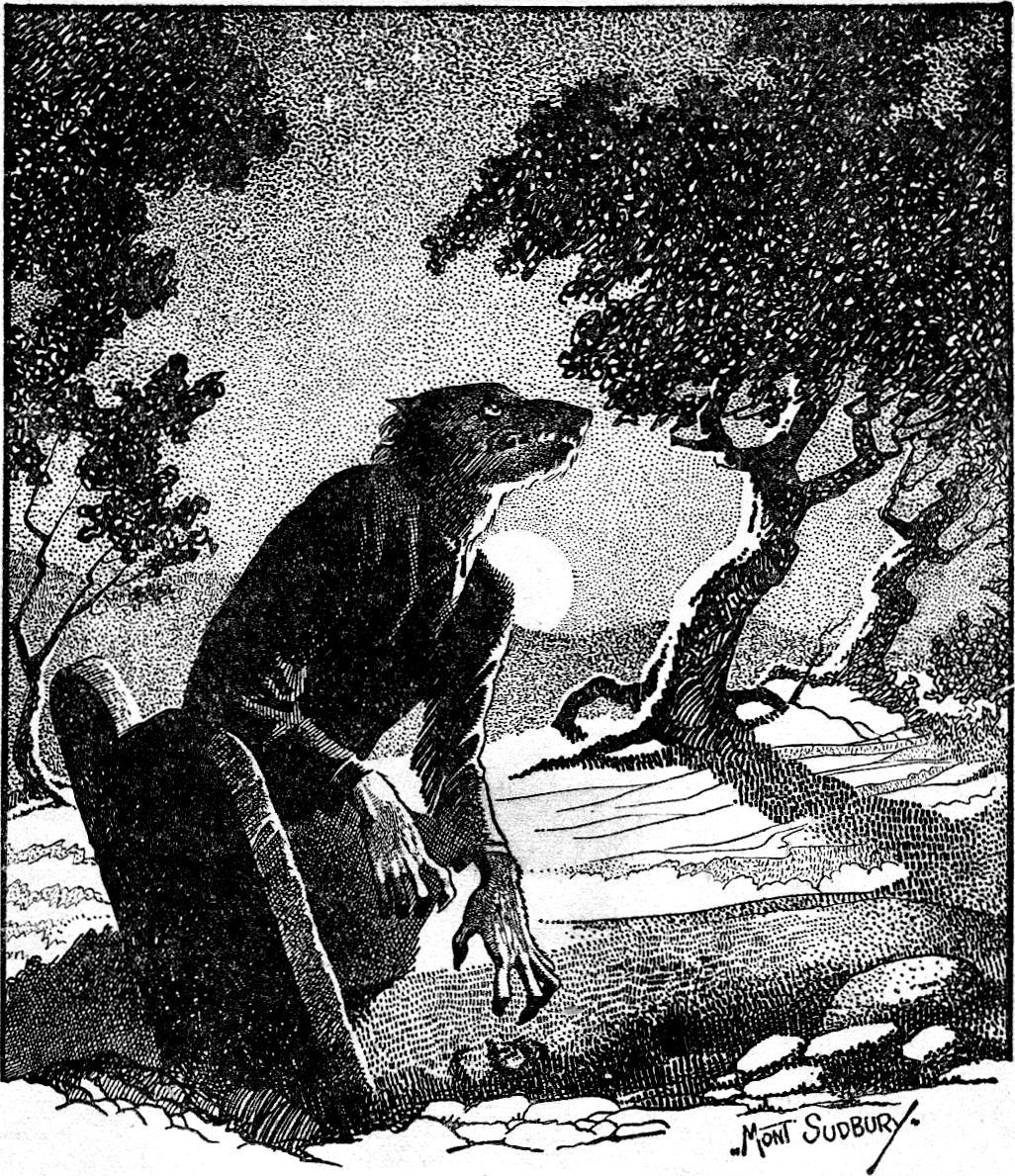 🇨🇭 Switzerland and 5 moreWerewolf
A figure in folklore who transforms into a wolf or hybrid beastFigure · Cursing and harm Legendary
 🇺🇸 United States and 5 moreSatanism
A modern set of beliefs using the figure of Satan as a symbol or deity.Tradition · Power and authority · Cursing and harm Living
 🇪🇬 Egypt and 1 moreLilithלִילִית
A feminine figure from Mesopotamian and Jewish mythology, often depicted as a night demon or spirit.Being · Cursing and harm Legendary