Cursing and harm
Curses, hexes and sorcery as people describe and fear them, with the counter-magic against them.
Cursing and harm are the part of magic that societies fear most. This page describes curses and sorcery as beliefs, and the social role of fear and accusation, and does not give instructions. The evil eye, the curse tablets of the Greek and Roman world, Hebrew and Arabic writings on harmful magic, sorcery in Melanesia and Africa, and the European witch are all part of this subject. Most of the harm recorded is that done to people accused.
What is believed
Many cultures hold that envy, anger or hostile ritual can bring illness, loss or death to a victim. The beliefs differ: in the Mediterranean, the evil eye needs no intent. In Azande society, studied by Evans-Pritchard, witchcraft was an inherited substance that explained why misfortune struck one person and not another. Greek and Roman lead curse tablets, often addressed to gods of the underworld, show the belief was written down in antiquity.
Accusation as social force
Where harm is feared, accusation follows. Anthropologists have shown that charges of witchcraft often follow tension inside a family or village, such as inheritance, jealousy or a sudden death. Accusers are usually in conflict with the accused, who is more likely to be old, poor, widowed or marginal. The belief can enforce norms and also destroy people. People also fear being accused, since an accusation can arrive without warning and can follow a family for generations.
Persecution and its present
European and colonial American witch trials, from the fifteenth to the eighteenth century, put tens of thousands to death, including the Salem trials of 1692. The practice has not ended. Mobs and families still attack accused people in parts of Africa, India, Papua New Guinea and elsewhere, and Saudi Arabia has executed people for sorcery. Albino people have been killed for body parts in East Africa. Several states are drafting or enforcing laws against accusation itself.
Counter-magic and scholarship
Where harm is feared, so is protection: amulets, cleansing, and a specialist who can say who sent it. Scholars see curses as a language of grievance, and psychologists have documented the nocebo effect, in which belief in harm can bring on real distress. A person who is afraid should seek medical and social help, and talk to someone they trust. People who believe they have been cursed should be helped to find practical support, including from health services, and not left alone with fear.
Cursing and harm on EveryJaadu
The entries written up so far, best known first.
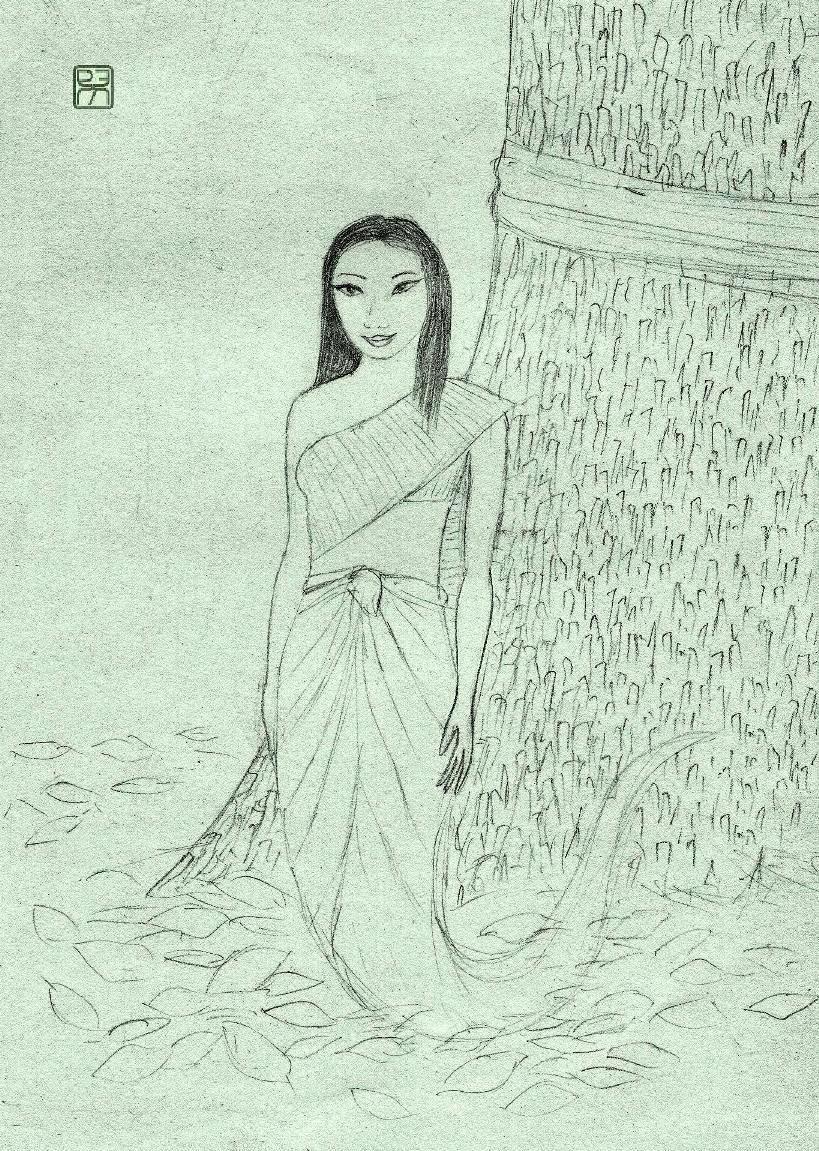 🇹🇭 ThailandNang Ta-khianนางตะเคียน
A Thai tree spirit said to dwell in the ta-khian treeBeing · Luck and prosperity · Cursing and harm Living
🇹🇭 Thailand and 1 moreKong koiผีกองกอย
A one-legged Lao and Thai jungle ghost said to drink blood from travellers' toesBeing · Cursing and harm Legendary
🇵🇭 PhilippinesBatibat
A tree-dwelling demon that causes sleep paralysis and nightmares in Philippine folkloreBeing · Cursing and harm Legendary
🇬🇧 United KingdomAsrai
Shy water fairy of English tale, said to melt in sun, likely born in an 1872 poem.Being · Cursing and harm Legendary
🇮🇳 IndiaKuttichathanകുട്ടിചാത്തൻ
A guardian spirit of Malabar folklore known for illusions and household pranksBeing · Cursing and harm · Luck and prosperity Historical
🇧🇷 Brazil and 2 moreCaiporaCaapora
A Brazilian forest spirit that guards game and tests hunters with bribes or terrorBeing · Protection · Cursing and harm Living
🇹🇼 Taiwan and 3 moreHanitu
A spirit concept from the Bunun people of Taiwan, found in all living and non-living things.Being · Cursing and harm · Healing Historical
🇩🇪 Germany and 1 moreBuschgroßmutter
A German forest spirit who rewards grooming and punishes mockeryBeing · Cursing and harm · Luck and prosperity Legendary
 🇮🇳 IndiaJvarasuraज्वारासुर
A fever demon in Hindu lore who serves the pox goddess Shitala.Being · Cursing and harm · Healing Historical
 🇪🇹 Ethiopia and 5 moreWerehyena
A shapeshifter from African and Middle Eastern folklore that turns into a hyena or is a hyena in human formBeing · Cursing and harm Legendary
🇬🇧 United KingdomColt pixie
A scruffy pony spirit from English folklore that leads travellers astrayBeing · Cursing and harm Legendary
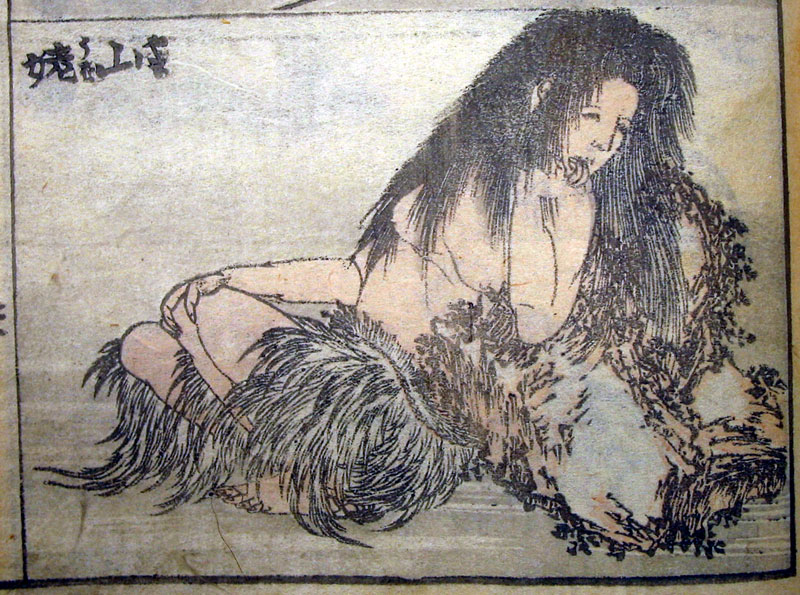 🇯🇵 JapanYama-uba山姥
A Japanese mountain spirit depicted as either a cannibalistic monster or a benevolent guardian.Being · Cursing and harm · Luck and prosperity Legendary
🇮🇪 IrelandSleih beggey
Manx fairies and little people of the Isle of ManBeing · Cursing and harm Legendary
 🇭🇹 Haiti and 5 moreLoogaroo
A shapeshifting vampire of Caribbean folklore, feared for its blood-drinking habits.Being · Cursing and harm Living
 🇮🇩 IndonesiaBabi ngepet
A Javanese myth about a person who turns into a boar to steal wealthBeing · Luck and prosperity · Cursing and harm Legendary
🇮🇳 IndiaChedipeचेदिप
A witch-vampire spirit of the Godavari region that drains men and feeds on sorrowBeing · Cursing and harm Legendary
🇭🇹 HaitiMarassa Jumeaux
The divine twins of Haitian Vodou, representing love, truth, and justice.Being · Love and attraction · Cursing and harm Living
 🇮🇪 IrelandBánánach
Battlefield spectres of early Irish story, tied to the din of warBeing · Cursing and harm Legendary
 🇲🇽 MexicoXiuhcoatlXiuhcōātl
A turquoise fire serpent of Aztec myth, the sun's weapon and a sign of the yearBeing · Power and authority · Cursing and harm Legendary
🇪🇸 SpainDip
A lame black hellhound of Catalan legend, said to drink blood in the nightBeing · Cursing and harm Legendary
🇯🇵 JapanKeneō懸衣翁
A Japanese oni who judges souls by the weight of their clothes at the Sanzu RiverBeing · Cursing and harm Legendary
🇬🇧 United KingdomHobbididance
A spiteful sprite of English morris dance, later a fiend in King LearBeing · Cursing and harm Legendary
🇦🇷 ArgentinaHombre Gato
A half-cat, half-man of Argentine legend who is said to hunt in the darkBeing · Cursing and harm Legendary
🇮🇪 IrelandAibellAoibheall
A Munster goddess turned fairy queen, said to foretell deathsFigure · Seeing and foretelling · Cursing and harm Legendary
🇩🇪 Germany and 2 moreKlagmuhme
A German wailing spirit that heralds death through sound and shape-shiftingBeing · Cursing and harm Historical
🇯🇵 JapanHashihime橋姫
A Japanese bridge spirit linked to jealousy and demonic transformation in folklore and Noh theatre.Being · Protection · Cursing and harm Historical
🇩🇪 GermanyWitte Wiwer
Subterranean spirits of Low German folklore known for music and child exchangeBeing · Cursing and harm · Luck and prosperity Legendary
 🇦🇺 AustraliaCleverman
A traditional Aboriginal healer and cultural keeper in Australia with varied magical abilities.Being · Healing · Cursing and harm Living
🇭🇺 HungaryVadleány
A bare wild girl of Hungarian tales who lures wanderers and drains their strengthBeing · Cursing and harm Legendary
🇫🇷 France and 1 moreDames Blanches
Spectral women in French folklore who demand dances or warn of dangerBeing · Cursing and harm · Protection Legendary
🇬🇧 United KingdomMaggy Moulach
A Scottish brownie known for her hair and fierce protection of her kinBeing · Power and authority · Cursing and harm Legendary
🇬🇧 United KingdomBiast Bhealach Odail
A shapeshifting spirit of a Scottish mountain passBeing · Cursing and harm Historical
 🇯🇵 JapanKamikiri髪切り
A Japanese yōkai blamed for the sudden disappearance of human hairBeing · Cursing and harm Historical
 🇯🇵 JapanUbume産女
The ghost of a mother who died in labour, and the child that turns to stoneBeing · Cursing and harm · Power and authority Legendary
 🇫🇷 France and 1 moreOgre
A legendary humanoid monster known for its size and cannibalistic appetiteBeing · Cursing and harm Legendary
🇬🇧 United KingdomLazy Laurence
A mischievous English pixie who makes orchard workers lazy and gives them indigestionBeing · Protection · Cursing and harm Historical
🇬🇧 United KingdomBrag
A shape-changing goblin of Northumbrian tales that dumps its riders in pondsBeing · Cursing and harm Legendary
🇯🇵 JapanAmanojaku天邪鬼(あまのじゃく)
A contrary small ogre of Japanese folklore that reads hearts and does the oppositeBeing · Cursing and harm Legendary
🇯🇵 JapanAzukibabaaあずきばばあ
A Japanese yōkai that mimics the sound of red beans to lure or frighten peopleBeing · Cursing and harm Legendary
🇯🇵 JapanMakuragaeshi枕返し
A Japanese spirit that flips pillows and turns sleepers upside downBeing · Cursing and harm · Luck and prosperity Legendary
 🇪🇸 SpainGuajona
A blood-sucking hag from Cantabrian and Asturian legendBeing · Cursing and harm Legendary
 🇮🇳 IndiaKroniகுறோணி
A primordial evil spirit in Ayyavazhi mythology, split into fragments across ages.Being · Cursing and harm Living
 🇬🇱 Greenland and 1 moreTupilaqᑐᐱᓚᒃ
A carved monster from Inuit tradition, made to seek out and destroy an enemy.Being · Cursing and harm Living
 🇮🇸 IcelandGrýla
A monstrous Icelandic troll associated with Christmas and the Yule LadsBeing · Cursing and harm Living
🇯🇵 JapanFutakuchi-onnaふたくちおんな (二口女)
A Japanese yōkai: a woman with a second, hungry mouth hidden in her hairBeing · Change and initiation · Cursing and harm Legendary
🇨🇳 ChinaHuodou祸斗
A fire-spitting dog from southern Chinese folklore that signals disasterBeing · Cursing and harm Legendary
🇧🇿 BelizeTata DuendeNukuch Tat
A thumbless forest spirit of Belizean folklore that protects animals and warns children.Being · Protection · Cursing and harm Living
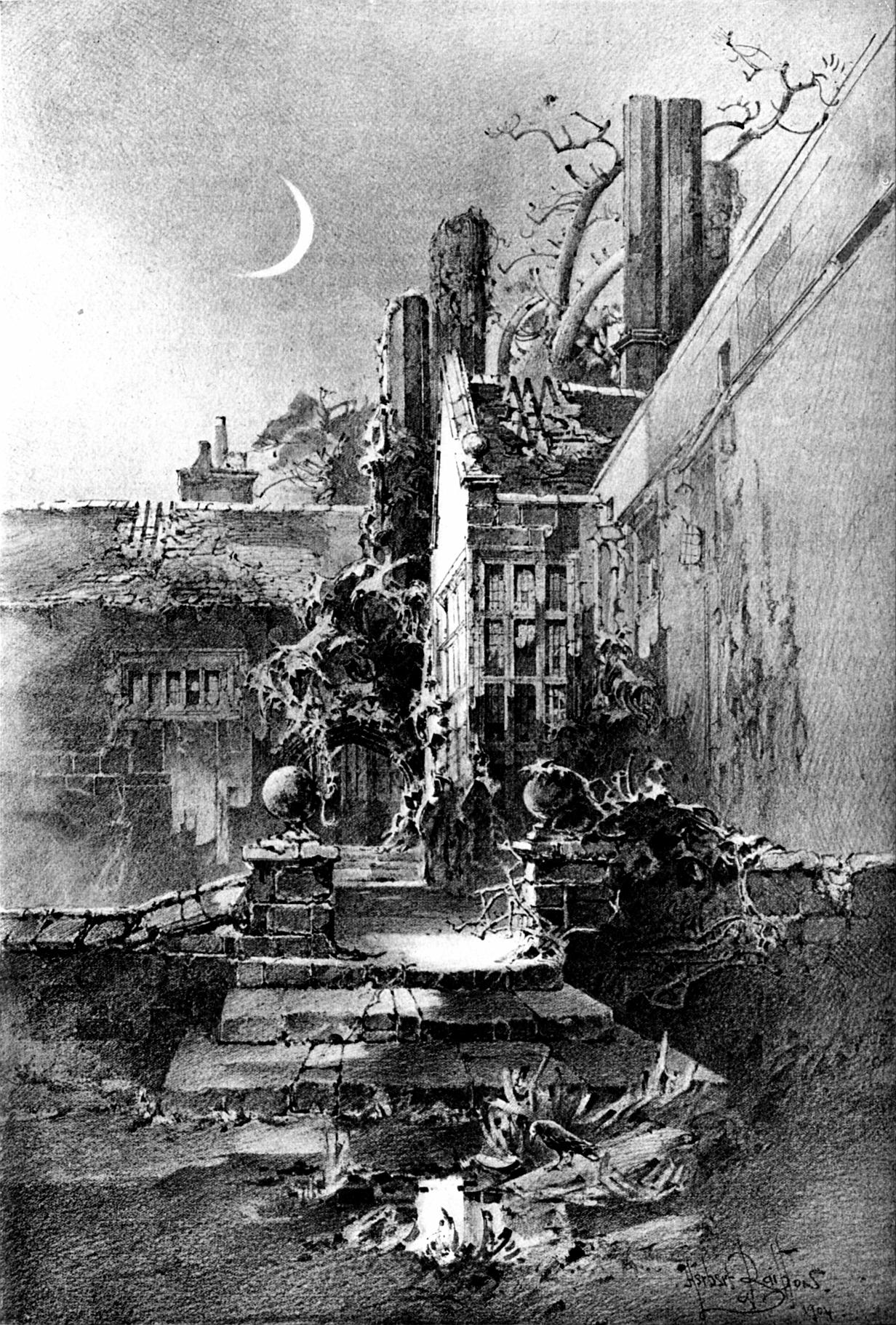 🇬🇧 United KingdomHobgoblin
A household spirit from English folklore known for chores and mischiefBeing · Cursing and harm · Luck and prosperity Historical
Photo credits on this page
The small pictures above come from Wikimedia Commons under free licences. Some are cropped to fit.
- Shamanism in Ayyavazhi: Vaikunda Raja, CC BY-SA 3.0, source
- Buda: Aberdeen Bestiary, Public domain, source
- Guajona: Francisco Goya / Francisco Goya, Public domain, source
- Ubume: Brigham Young University, CC BY-SA 4.0, source
- Cleverman: Photo by and ©2002 Dustin M. Ramsey ( Kralizec! ), CC BY-SA 2.5, source
- Xiuhcoatl: Paul Hudson, CC BY 2.0, source
- Loogaroo: A.F.Pannemaker, Public domain, source
- Welsh mythology: Unknown author, Public domain, source
- Nang Ta-khian: Xavier Romero-Frias, CC BY-SA 4.0, source
- Jvarasura: Suraj Belbase, CC BY-SA 4.0, source
- Yama-uba: Unknown author, Public domain, source
- Babi ngepet: Tropenmuseum, CC BY-SA 3.0, source
- Kamikiri: Sawaki Suushi (佐脇嵩之, Japanese, *1707, †1772), Public domain, source
- Ogre: Henry Justice Ford, Public domain, source
- Tupilaq: Louis Chemnitz, CC BY-SA 4.0, source
- Grýla: Andrii Gladii, CC BY-SA 4.0, source
- Hobgoblin: Herbert Railton, Public domain, source