Hombre Gato
Spanish hombre gato, 'cat man', rendered Catman in English
A half-cat, half-man of Argentine legend who is said to hunt in the dark
A legendary half-cat, half-man of South American story, told most in rural Argentina. By night he is said to prowl and hunt people and animals; most tellers pass him on as fiction, though a few claim meetings.
- Legend gives him one body made of two: part cat, part human
- He is said to roam at night, hunting people and animals alike
- Most tellers call him fiction; a few claim to have heard or met him
- Spanish-language writers have cast him in science fiction and short stories
- A film about him was shot in Navarro, a country town in Buenos Aires province
What it is
The Hombre Gato, rendered in English as Catman, is a creature of South American legend built from two bodies at once, feline and human. His story is told most in Argentina, and it holds its ground chiefly in the countryside and in districts where neighbours are few. After dark, so the tale runs, he leaves shelter and moves through inhabited streets, hunting people and animals without distinction. Listeners part ways over him: a minority treat him as a real presence and some report hearings or meetings, while most who carry the story forward hand it on as an invention. Writers in Spanish have also adopted him, giving the character a life in short fiction and in science fiction.
Where it comes from
The tale is at home in South America, with Argentina as its centre of gravity, and it is strongest in open, thinly peopled country where the telling stays close to everyday talk. From that rural ground the character has travelled into print. Authors writing in Spanish have made him the subject of a large number of short stories, and he has stepped into science fiction as well. In the family tree of legend he is set beside the werewolf, whose nightly habits he shares, and with the werecat, a related creature of legend.
Hombre Gato, drawn and placed
- Living
- Revived
- Fading
- Historical
- Legendary
- Performed
- Lineage
- South American folk legend, strongest in Argentina
- Timing
- said to roam after dark
Peoples and places
Argentina is the story's strongest home, and within the country it is the countryside and the districts with few inhabitants that keep it going. Among those who tell it, opinion divides. Some hold that the creature really exists; of these, a few say they have heard him moving about in the dark, and others claim to have met him. The larger number of tellers present him as a made-up being, a story rather than a sighting. The legend has also gathered a wider Spanish-language public through fiction, and one country town, Navarro in the province of Buenos Aires, now has a film about the creature to its name.
At a glance: who, where and when
Peoples
Belief worlds
What people believe
The story supposes a being that is neither beast nor person but both, keeping to the hours of darkness. In this picture the catman behaves as the werewolf is said to: he emerges after dark, moves through lived-in streets, and takes people and animals as prey. For those who accept him, he is not a character but a possible encounter, and the claims offered are of sounds heard in the night and of meetings with the creature himself. Around that core sits a larger audience that passes the tale on as fiction, a frightening story told for its own sake rather than a report of events.
Compare and confuse
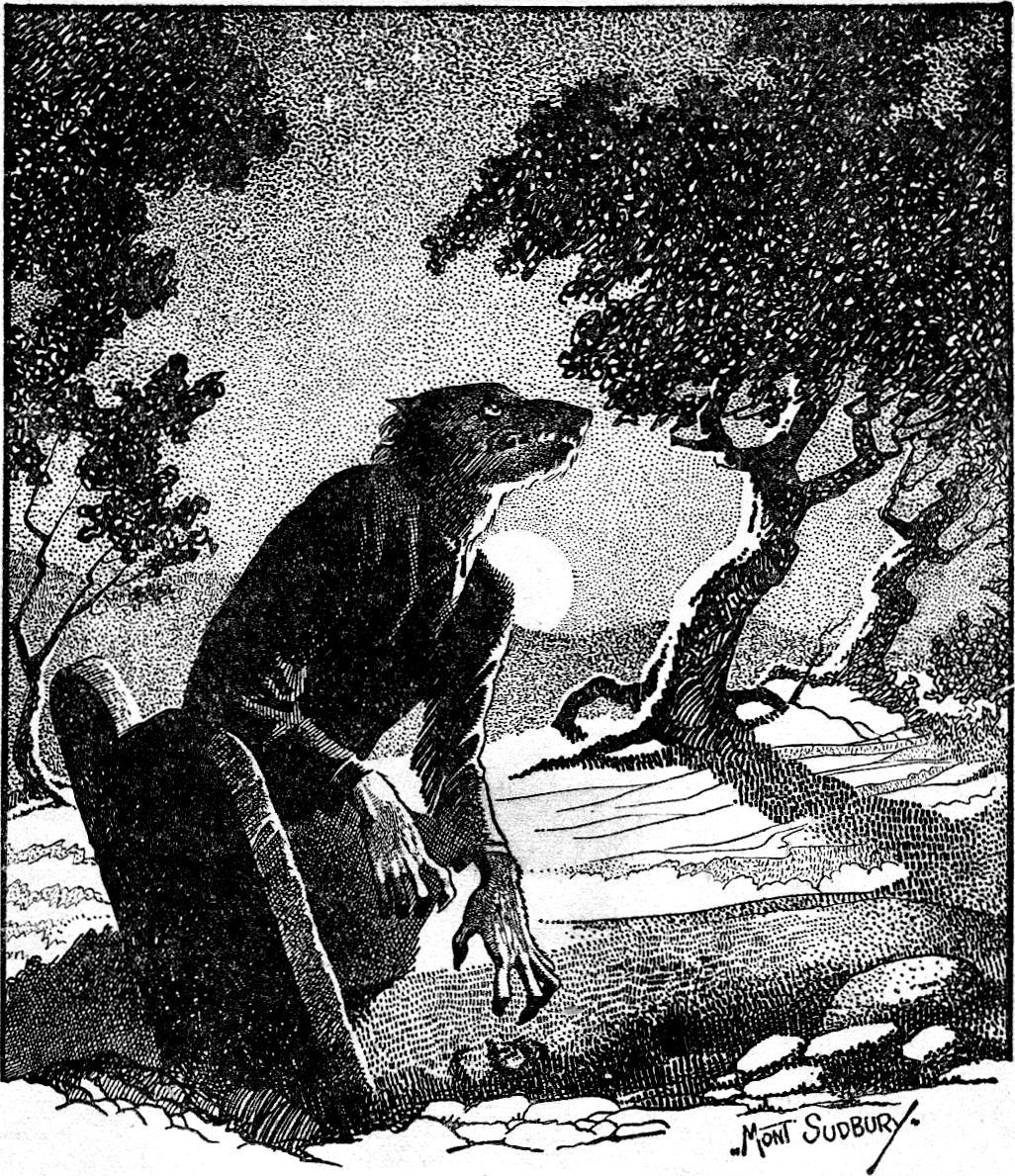
The werewolf is the creature's obvious cousin: both are said to walk at night in part-human form and to attack people and animals. The difference lies in the animal half, cat rather than wolf. Legend's wider shelf for such beings is the werecat, and English tellings often settle for the plain name Catman.
Today
The figure remains in circulation rather than a memory. In the Argentine countryside the tale continues to be told, split between hearers who take it as fact and those who enjoy it as story. Print keeps him in work: Hispanic writers have built science-fiction pieces and short stories around the character. On screen, a documentary about him carries the title La Leyenda del Hombre Gato; it was shot in Navarro, a country town in Buenos Aires province.
Questions people ask about Hombre Gato
What is the Hombre Gato?
A legendary being of South American tale, half cat and half person. He is best known in Argentina, above all in its countryside and thinly settled districts, where people tell of a night-walking prowler who takes people and animals as prey.
Where does the story come from?
It is told in South America, with Argentina as its chief home. The tale is at its strongest in rural areas and places with few inhabitants, and it has since travelled into Spanish-language fiction and film.
Do people believe he is real?
Opinion splits. A minority hold that the creature exists, and some of them say they have heard him in the night or come across him in person. Most people who retell the story, though, present it as an invention.
How is he like a werewolf?
Both are part-human beings said to move about after dark and to prey on people and animals. The catman's animal half is feline rather than wolf, and legend places him with the wider family of werecats.
Has the legend appeared in books or film?
Yes. He has drawn writers across the Hispanic world, appearing in science fiction as well as in numerous short stories, and a documentary about him was shot in Navarro, a country town in the province of Buenos Aires.
Good reading and sources
The facts on this page come from the Wikipedia article "Hombre Gato", written by its contributors and used under the CC BY-SA 4.0 licence, and from its Wikidata record (CC0). EveryJaadu rewrote the text in its own words, with AI assistance, and compares every page with the article to make sure no passage is copied. It may be reused under the same CC BY-SA 4.0 licence with a link back.
It may contain mistakes. Names and customs differ from one community to the next, and some knowledge is closed to outsiders and left out here. This page describes belief and practice. It does not say that any of it works, it is not a how-to, and it is not medical advice. If something is wrong, tell us. Last refreshed 2026-10-21.
More from Argentina
All the entries from Argentina 🇦🇷 Argentina and 5 moreGauchito Gil
A folk saint from Argentina who protects the poor and outcastsBeing · Protection · Healing Living
 🇵🇷 Puerto Rico and 5 moreChupacabrachupacabras
A legendary creature said to drain livestock of blood, emerging from Puerto Rico in the mid-1990sBeing · Cursing and harm Legendary
 🇵🇪 Peru and 5 morePachamama
The Andean mother goddess of space-time and the earthBeing · Protection · Healing Living
🇨🇱 Chile and 1 moreCuerotrülke wekufü
An aquatic creature from Mapuche and Chilote myth that drags victims into the depths.Being · Cursing and harm Legendary
Related elsewhere
All being 🇷🇸 Serbia and 5 moreVampire
An undead being from European folklore that feeds on the life force of the living.Being · Cursing and harm Legendary
 🇨🇭 Switzerland and 5 moreWerewolf
A figure in folklore who transforms into a wolf or hybrid beastFigure · Cursing and harm Legendary
 🇺🇸 United States and 5 moreSatanism
A modern set of beliefs using the figure of Satan as a symbol or deity.Tradition · Power and authority · Cursing and harm Living
 🇪🇬 Egypt and 1 moreLilithלִילִית
A feminine figure from Mesopotamian and Jewish mythology, often depicted as a night demon or spirit.Being · Cursing and harm Legendary